
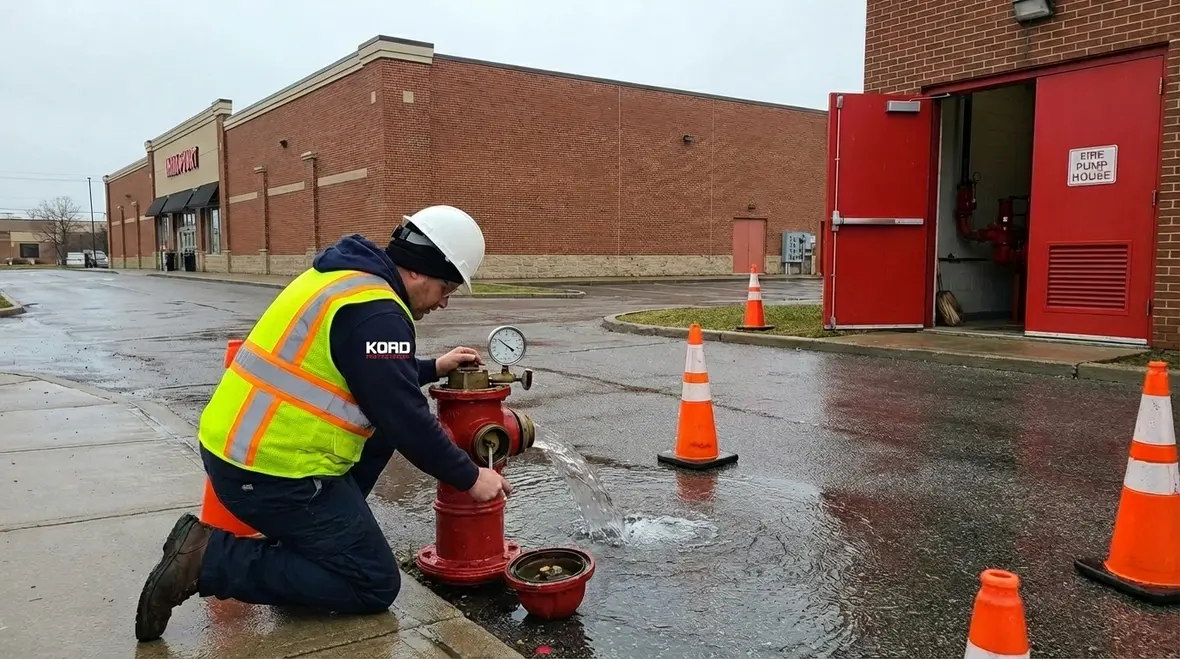
How Water Supply Variations Impact Fire System Performance
The Hidden Impact of Water Supply Variations on Fire System Performance
Fire System Performance depends on one simple truth. Water must show up, at the right pressure, in the right volume, at the exact moment it is needed. Most building owners assume that once a fire sprinkler system is installed, it will work like a loyal superhero waiting in the ceiling tiles. However, the real story is quieter and far more complex. Water supply variations can quietly shape how well that system responds during an emergency. And as Kord Fire Protection technicians often explain, small changes in water conditions can create big consequences when seconds matter most.
So while the pipes may look calm and confident, what flows through them tells a deeper story.
Understanding the Relationship Between Water Supply and Fire System Performance
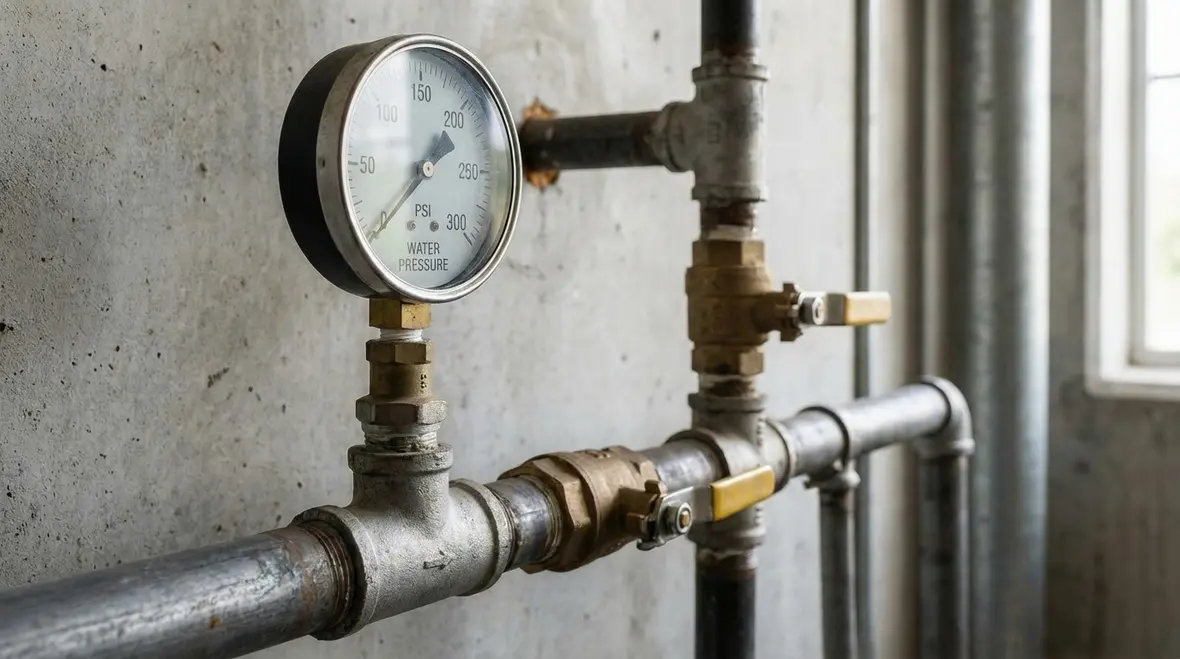
Every fire protection system relies on three basic water factors. Pressure. Flow. Reliability. When those elements stay stable, system effectiveness remains strong. However, when they fluctuate, even slightly, the results can be unpredictable.
For example, city water systems experience daily and seasonal demand swings. Early mornings may see high residential use. Summer afternoons often spike due to irrigation. Meanwhile, nearby construction can shift underground pressures without warning. Each of these changes affects the available water supply feeding a building’s fire protection system.
Consequently, if the supply pressure drops below design levels, sprinklers may not discharge water at the density required to control a fire. On the other hand, sudden surges can strain components, valves, and fittings. It is a delicate balance. Think of it like Goldilocks. Too little pressure is a problem. Too much pressure is also a problem. The system needs it just right.
Kord Fire Protection technicians frequently note that building owners rarely see these variations because they happen behind the scenes. Yet the system certainly feels them.
For property teams that want a deeper dive into how outside infrastructure shapes on-site performance, resources like the guide on how fire hydrants are supplied with water help connect the dots between municipal mains, pressure zones, and building-level protection.
How Seasonal and Municipal Changes Influence System Effectiveness
Water supply variations often follow patterns that seem harmless on the surface. However, when examined closely, they can influence fire response capability in measurable ways.
Seasonal Demand Shifts
During hot months, municipal water demand increases. Irrigation systems, cooling towers, and recreational facilities all compete for supply. As a result, baseline water pressure can drop. If a building’s fire protection design assumed higher pressure levels, this seasonal dip can reduce sprinkler discharge performance.
Infrastructure Maintenance and Repairs
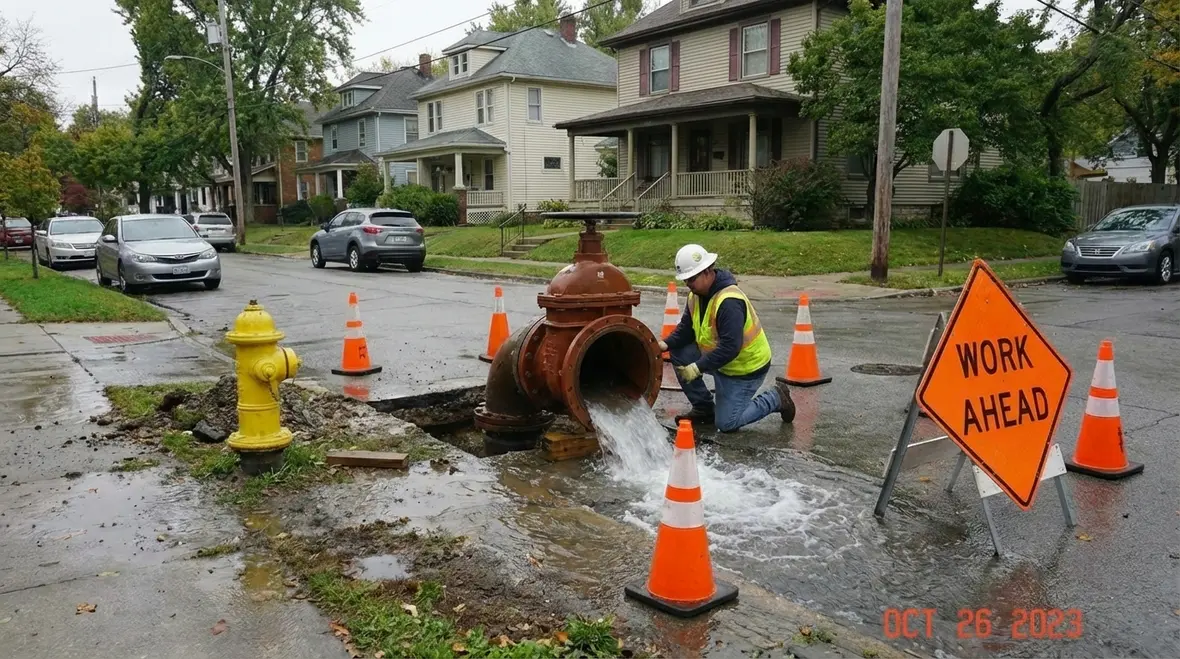
Municipal repairs may temporarily reroute water mains. While crews work to improve community systems, buildings connected to those lines may experience reduced flow or fluctuating pressure. Often, these changes occur without building managers fully understanding the impact on their fire protection setup.
Urban Development Growth
New construction projects place added demand on shared water infrastructure. As neighborhoods expand, available water for existing properties may shift. Therefore, a system that performed well five years ago may no longer operate under the same supply conditions today.
In each case, Fire System Performance depends not just on internal components but also on external forces beyond the building’s walls. Tools like NFPA 291 flow testing and hydrant marking, outlined in Kord’s NFPA 291 overview, help translate those external conditions into usable data for designers and owners.
What Happens Inside the System When Pressure Fluctuates?
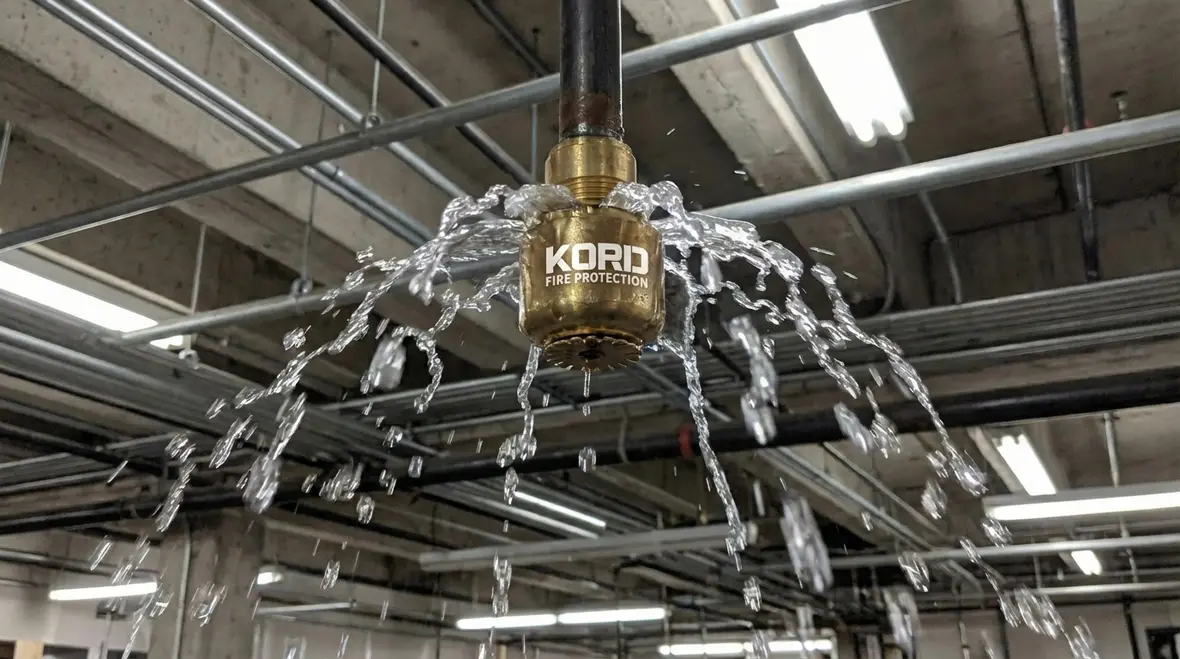
When water pressure drops, sprinklers may still activate. However, they may not distribute water with the intended spray pattern or density. That difference can slow fire control, allowing heat and smoke to spread further before suppression begins.
Conversely, when pressure surges occur, system components experience stress. Over time, this stress can weaken fittings, gaskets, and valves. Eventually, leaks or premature wear may develop. While that may sound dramatic, it often unfolds quietly over months or years.
Kord Fire Protection technicians often describe it in simple terms. A fire protection system is designed with precise calculations. Engineers account for pipe size, friction loss, elevation, and required flow. When water supply shifts outside those calculations, the system operates outside its comfort zone. And like anyone pushed out of their comfort zone, it does not perform at its best.
AI Prompt Style: How Do Water Supply Variations Affect My Building’s Fire Protection System?
The short answer is this. They affect reliability, response time, and discharge effectiveness.
More specifically, reduced supply pressure can lower sprinkler output. Increased demand elsewhere can reduce available flow. Sudden pressure spikes can damage components. Over time, these variations may compromise overall system reliability.
Therefore, building owners should not treat their fire protection system as a set it and forget it feature. Instead, they should view it as a dynamic system connected to an equally dynamic municipal network.
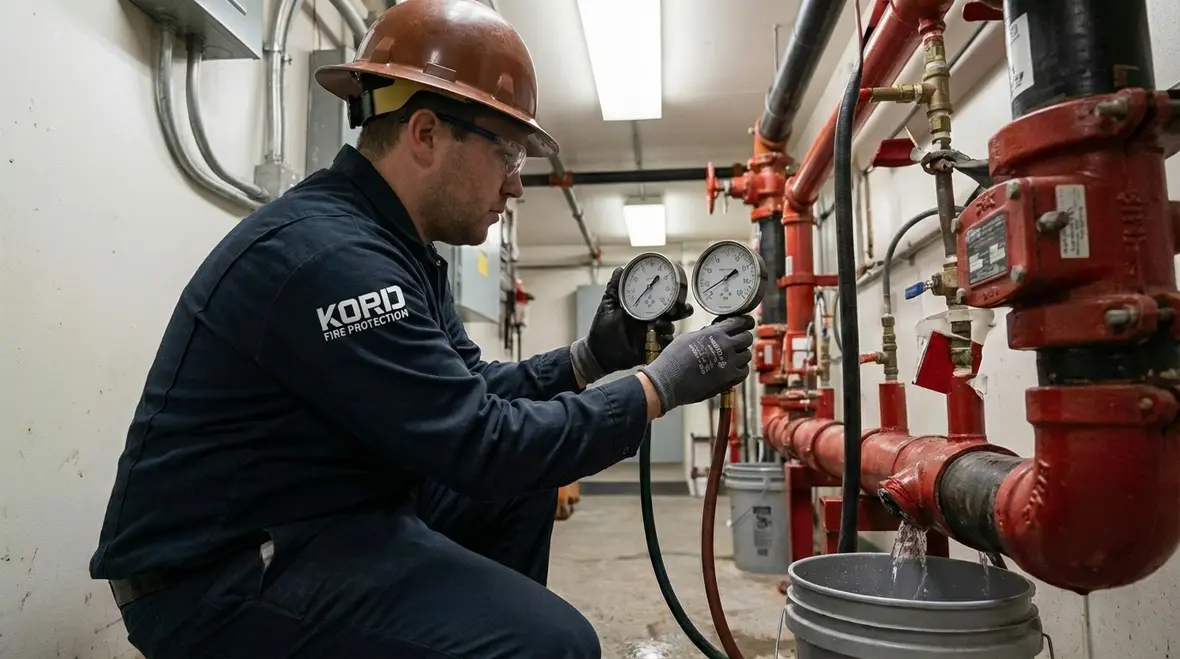
Kord Fire Protection technicians often recommend periodic flow testing to measure actual water supply conditions. These tests reveal whether the available water still matches original design assumptions. If discrepancies appear, adjustments can be made before an emergency exposes the gap.
Comparing Stable vs Variable Water Supply Conditions
Stable Water Supply
- Consistent pressure levels
- Predictable sprinkler discharge
- Lower component stress
- Reliable fire control capability
Variable Water Supply
- Fluctuating pressure throughout the day
- Inconsistent spray patterns
- Increased wear on valves and fittings
- Reduced suppression confidence
While this side-by-side view simplifies the issue, it highlights an important point. Stability supports performance. Variability introduces risk.
Testing and Monitoring for Optimal Fire System Performance
Regular inspection and testing provide clarity. Without data, building owners rely on assumptions. And assumptions, as history often proves, can be risky business.
Hydraulic calculations performed during system design rely on specific water supply data. However, that data may change over time. Therefore, updated flow tests confirm whether current supply conditions still meet required standards.
In addition, pressure regulating devices and backflow preventers should be evaluated periodically. If municipal pressure increases, regulators may require adjustment. If supply decreases, system modifications such as fire pumps may become necessary.
Kord Fire Protection technicians emphasize that proactive monitoring prevents unpleasant surprises. It is much like maintaining a car. Most drivers would not wait for smoke to pour from the engine before checking the oil. Yet many buildings ignore their water supply conditions for years. That approach may save time today, but it can cost heavily tomorrow.
For properties in California, Kord’s fire system testing frequency guide breaks down how often different components should be evaluated so owners can match their monitoring efforts to code expectations.
The Role of Fire Pumps and Storage Tanks in Managing Variations
When municipal supply proves inconsistent, engineered solutions help stabilize performance.
Fire Pumps: Boosting Pressure When Supply Falls Short
Fire pumps boost water pressure to meet system demand. If incoming pressure drops below required levels, a properly sized pump compensates. However, pumps themselves require testing and maintenance. Otherwise, they may fail when needed most.
Guidance from standards like NFPA 20, summarized in Kord’s NFPA 20 fire pump overview, helps ensure those pumps are designed, installed, and maintained to support real-world water supply swings instead of amplifying them.
Water Storage Tanks: Adding On-Site Reliability
Water storage tanks provide another layer of reliability. By storing dedicated fire protection water on site, buildings reduce dependence on fluctuating municipal conditions. During peak demand periods, stored water ensures sufficient supply for suppression operations.
Still, these solutions require proper integration. Installing a pump without verifying suction supply may create new challenges. Similarly, tanks must maintain adequate levels and structural integrity. Therefore, comprehensive evaluation remains essential.
As Kord Fire Protection technicians often explain to property managers, equipment alone does not guarantee performance. System harmony does.
Why Building Owners Should Pay Attention Now
Fire protection systems rarely make headlines when they work correctly. They quietly do their job and fade into the background. However, when they fail, the consequences become unforgettable.
Water supply variations represent a hidden variable in that equation. They do not announce themselves with flashing lights. Instead, they shift subtly over time. Nevertheless, those subtle changes can influence suppression outcomes during a real emergency.
By staying informed, conducting routine flow tests, and consulting experienced professionals, building owners strengthen their overall fire response capability. Moreover, they protect occupants, assets, and long term investments.
After all, no one wants to discover during a crisis that their system has been operating on wishful thinking.
Frequently Asked Questions
Conclusion
Water supply variations may remain hidden, yet their influence on fire protection is undeniable. Stable pressure and reliable flow form the backbone of dependable performance. Therefore, building owners should not leave these factors to chance. Schedule testing. Review current supply data. Work with professionals who understand how municipal shifts, hydrant performance, and on-site hydraulics intersect.
If you are unsure how today’s water conditions compare to the assumptions your system was built on, it may be time for a focused evaluation. Consider partnering with Kord Fire Protection for comprehensive fire pump calibration and adjustment services or broader system testing to align pump performance with real-world supply. Because when the moment arrives, confidence in your system should feel calm, steady, and absolutely certain.
Know Your Weapon Before You Fight the Flame
Kord Fire Protection is your go-to when it comes to all things fire protection. For over 20 years, we’ve been serving Southern California with the quality service and equipment to keep your home or business safe at all times. Our competitive prices reflect our unwavering commitment to protecting what matters most in the event of a fire emergency. Give us a call, send an email, or use that form!

Join Our Newsletter!
Get the latest fire safety tips delivered straight to your inbox From our Newsletter.


