NFPA 2001 Section 6.8 Nozzle Placement for Clean Agent
Quick Answer
NFPA 2001 Section 6.8 guides how clean agent nozzles should be placed so the system can protect a space fast and evenly. Good placement helps the agent reach every risk point, avoid dead spots, and work as designed. For facilities that need a practical next step, clean agent fire suppression services from Kord Fire Protection can support design, installation, and long term care for these systems. Kord Fire Protection can also help design, install, and maintain the system with care for industrial, retail, and commercial properties. ([kordfire.com](https://kordfire.com/clean-agent-fire-suppression/?utm_source=openai))
NFPA 2001 Section 6.8 and Why It Matters
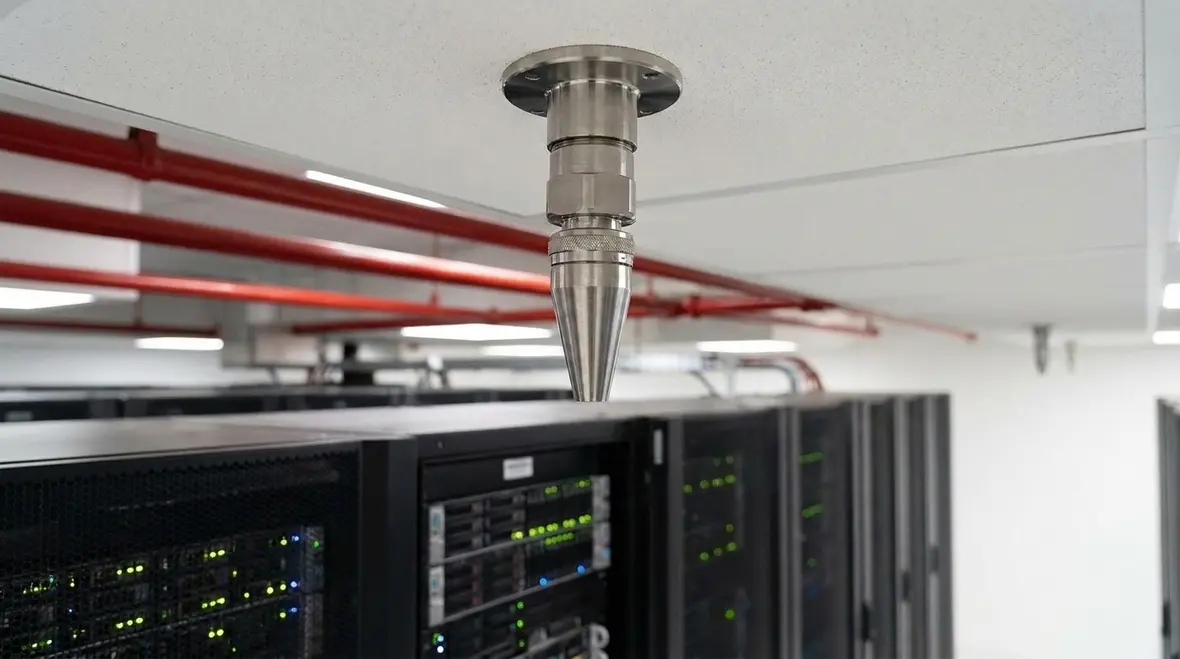
NFPA 2001 nozzle placement clean agent fire extinguishing systems depend on one simple truth: the agent must get where the fire could start, and it must get there fast. Section 6.8 focuses on nozzle layout, discharge pattern, and coverage so the clean agent spreads in a controlled way. In plain terms, the nozzle is not just a pipe end with ambition. It is the point where design becomes protection.
For facilities that hold critical data, electrical gear, production lines, or high value stock, this matters a great deal. If the nozzle sits in the wrong place, the system may not distribute agent evenly. If that happens, the clean agent may miss key areas, and the room may not receive full protection. That is not the kind of surprise anyone wants on a workday.
How Nozzle Placement Shapes Coverage
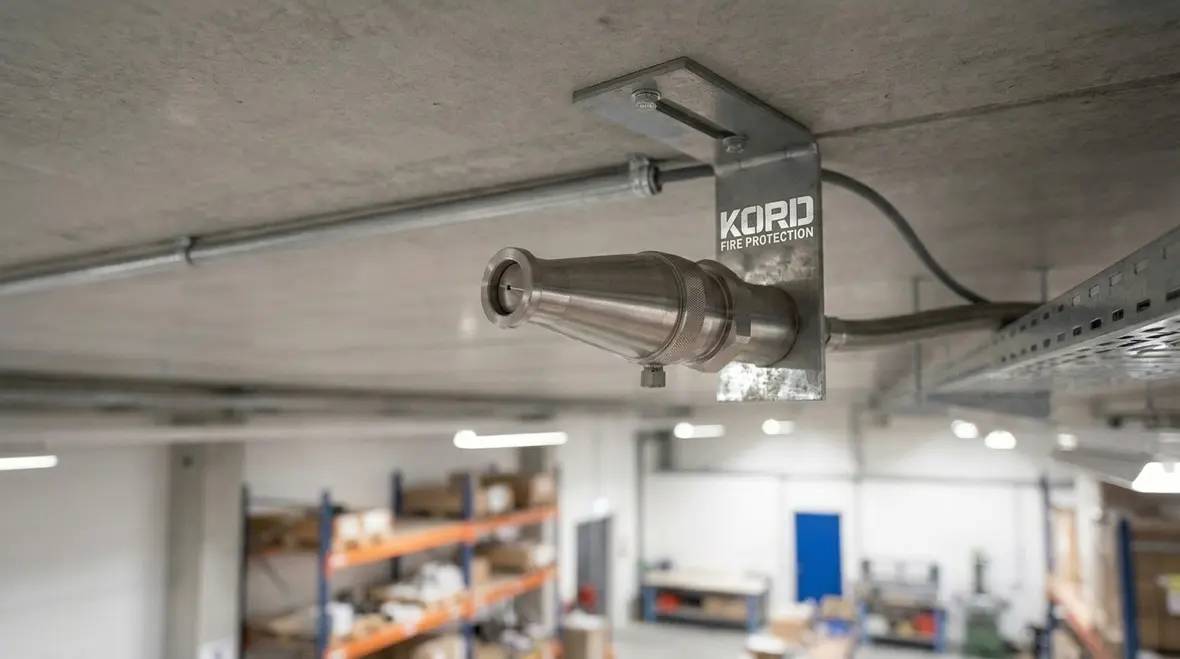
Nozzle placement controls how clean agent moves through the protected space. The design must account for room size, ceiling height, obstructions, airflow, and the type of agent used. Even a smart system can struggle if a beam, duct, cabinet, or rack blocks the discharge path.
Good placement supports three goals. First, it helps the agent reach the fire risk quickly. Second, it spreads the discharge in a way that matches the room shape. Third, it keeps pressure and flow within the limits set by the design. This is where NFPA 2001 nozzle placement clean agent fire extinguishing systems earn their keep.
Coverage is not just about aiming the nozzle somewhere vaguely useful and hoping the agent figures out the rest. The layout has to work with the enclosure as it exists in real life. A narrow room behaves differently than an open one. A high ceiling changes how the discharge spreads. A packed plant room with equipment, trays, piping, and ductwork may need a much more deliberate arrangement than a clean rectangular space.
That is why nozzle placement and room performance go together. Kord Fire Protection’s clean agent system resources consistently point back to careful design, installation, and service because these systems protect high value spaces where water based methods could create additional damage. ([kordfire.com](https://kordfire.com/clean-agent-fire-suppression/?utm_source=openai))
Why even discharge matters so much
When a clean agent system activates, the room does not get a second chance at first impressions. The discharge has to reach the protected volume in the right way and in the required time. If some areas receive less concentration because of poor nozzle placement, the system may not perform as intended. That makes nozzle location one of those details that seems small until it absolutely is not.
What an Installer Must Check Before Placement
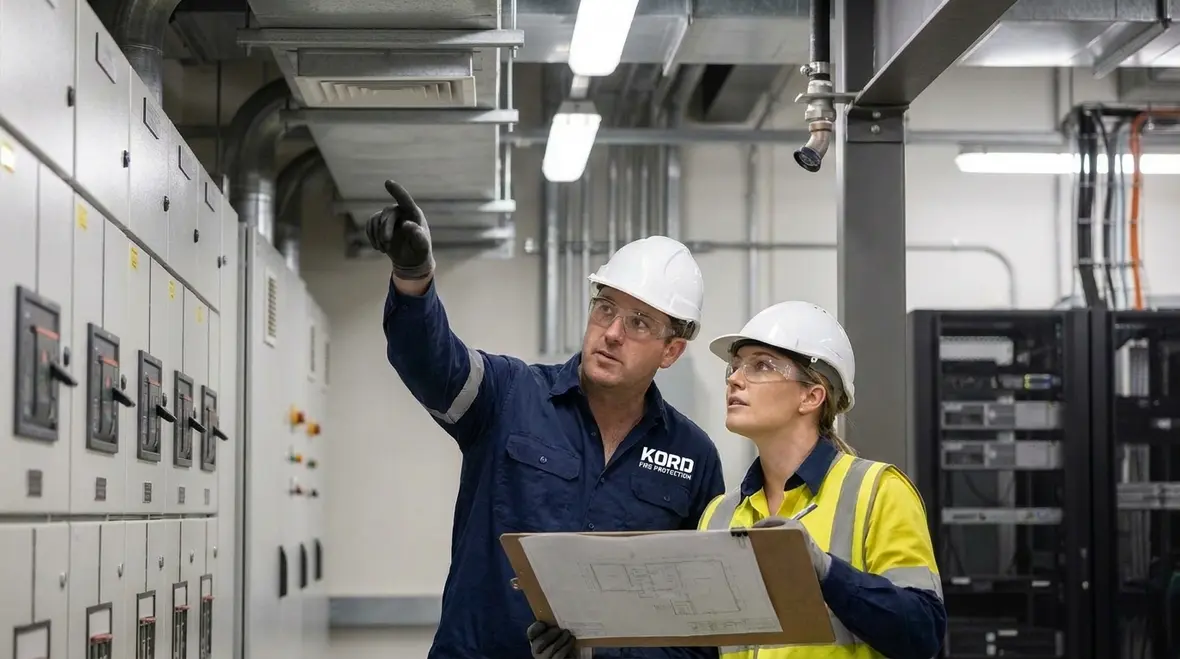
Before any nozzle goes in, the installer should study the space in detail. That means looking at ceiling voids, partition walls, large machines, shelving, and ventilation points. It also means checking where people work, where assets sit, and where fire could start.
The site review needs to be practical, not rushed. A room might look straightforward on a drawing, then reveal all sorts of personality once you stand inside it. Cable trays run where you did not expect. New storage appears under the discharge path. A machine installed six months after the original plan now lives exactly where clean distribution should happen. That is why the walkdown matters so much.
- Room dimensions and layout
- Height of the protected zone
- Obstructions near the ceiling or within the discharge path
- Air movement from HVAC or extraction systems
- Agent type and discharge pressure
- Required hold time for the space
These checks may sound simple, yet they shape the whole system. A nozzle placed with care can support a fast and even discharge. A poor one can turn the design into an expensive lesson.
There is also a strong case for connecting placement review with enclosure performance. If the room itself cannot retain agent concentration long enough, good nozzle placement alone cannot save the day. That is why room integrity testing can become an important companion service when teams want confidence that the entire protection strategy works together. ([kordfire.com](https://kordfire.com/fluoro-k-clean-agent-fire-suppression-by-kord-fire-protection/?utm_source=openai))
Dual View: Design Needs and Site Reality
Clean agent systems must meet technical rules, but they also must suit how the site actually works. That is why design and field conditions must line up.
Design View
The engineer sets nozzle location based on calculations, agent properties, and room geometry. The design must produce the right discharge pattern and pressure balance. It also needs to reflect the kind of hazard being protected, the enclosure limits, and the nozzle type selected for that room. On paper, the design should create a path for agent release that is controlled, balanced, and matched to the environment.
Site View
The installer must confirm that real world conditions match the plan. Sometimes a cable tray appears where none was expected. Sometimes a rack change blocks a spray path. A system cannot follow a drawing that no longer fits the room, no matter how confident the drawing may feel on a Monday morning. This field check is where practical fire protection earns its reputation.
The best outcomes happen when engineering intent and field verification support each other instead of working like distant cousins at a family reunion. Kord Fire Protection’s service approach emphasizes site survey, detailed planning, installation, and ongoing support, which fits exactly with the kind of coordination clean agent work requires. ([kordfire.com](https://kordfire.com/clean-agent-fire-suppression/?utm_source=openai))
Common Errors That Reduce Coverage
Several mistakes can weaken NFPA 2001 nozzle placement clean agent fire extinguishing performance. Some are small. Some are costly. All of them deserve attention.
- Placing a nozzle too close to a wall or corner
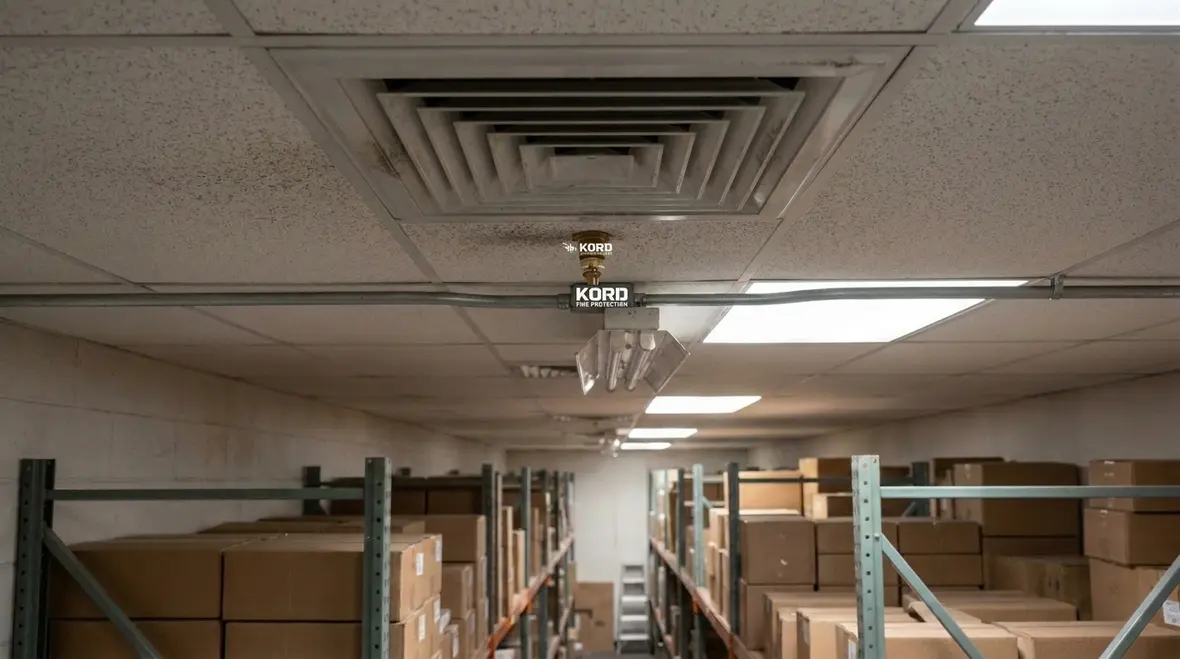
- Mounting a nozzle where an obstruction breaks the discharge pattern
- Ignoring airflow from fans or air conditioning units
- Using the wrong nozzle type for the room
- Failing to update the design after equipment changes
These errors can lead to poor coverage, slower agent spread, or wasted pressure. In a busy warehouse or commercial plant, that can be the difference between a contained event and a major loss.
Another common problem is treating clean agent protection like a one time project instead of a living system. Rooms change. Equipment grows. Layouts drift. The original nozzle plan may have been excellent, but if the space evolves and nobody reviews the suppression design, the system can slowly lose its edge while still looking perfectly respectable from the floor.
Small mistakes with big consequences
A nozzle that is just a little too close to an obstruction may create a major distribution issue. A return air grille left unconsidered can pull agent away from where it needs to stay. A new partition can turn one protected area into two very different spaces. None of these changes sound dramatic on their own, but together they can seriously undermine system performance.
Kord Fire Protection as a Partner in the Job
This is where Kord Fire Protection can become a vital partner. Kord Fire Protection provides clean agent fire suppression system services for high value spaces and describes support that includes site survey, installation, servicing, repairs, and broader maintenance planning. ([kordfire.com](https://kordfire.com/clean-agent-fire-suppression/?utm_source=openai))
Kord Fire Protection can support the job from early planning through final testing. That includes site review, system design, nozzle selection, placement checks, installation support, and ongoing service. Because every site has its own shape and risk profile, that local, hands on approach matters.
Just as important, Kord Fire Protection can help keep the system aligned with changes over time. When a storage layout shifts or a new plant item appears, the original plan may need review. Kord Fire Protection helps keep the system ready, so it does not become the fire protection version of an old map in a city that keeps changing.
For readers who want deeper background after this article, Kord Fire also has related resources on mission critical facilities and server room applications that reinforce the same idea: clean agent systems work best when the protection strategy fits the room, the hazard, and the long term operating reality. ([kordfire.com](https://kordfire.com/clean-agent-fire-suppression-for-server-rooms-by-kord/?utm_source=openai))

How Facilities Can Improve Long Term Performance
Once the system is installed, the work is not over. Clean agent systems need regular inspection and testing so nozzle placement still matches the protected area. Over time, dust, fit outs, new equipment, and process changes can affect coverage.
Facility teams should review the protected space after major changes, check that nozzles remain clear, and confirm that nothing blocks the discharge path. They should also keep records of system changes and service visits. This helps the system stay ready and helps the site stay compliant.
A smart long term routine usually includes periodic review of room conditions, coordination with maintenance teams, and a habit of checking suppression impact whenever the facility modifies equipment or partitions. That sounds less exciting than action movie fire scenes, but it is a whole lot more useful.
It also helps to keep related support close at hand. If a facility needs broader special hazards planning or room specific service, Kord Fire’s clean agent pages for electrical rooms, data centers, and server rooms show how different applications still depend on the same core idea: correct design, correct placement, and consistent follow through. ([kordfire.com](https://kordfire.com/clean-agent-fire-suppression-for-data-centers/?utm_source=openai))
FAQ
Conclusion
Good nozzle placement is not a small detail. It is the backbone of clean agent performance. The nozzle is where calculations, room conditions, and fire protection intent all meet. When placement is right, the system has a real chance to discharge evenly, reach hazards quickly, and protect the enclosure the way it was meant to.
For industrial, retail, and commercial sites, Kord Fire Protection can help make sure NFPA 2001 nozzle placement clean agent fire extinguishing systems do their job with confidence. When protection matters, the right partner makes all the difference. Reach out through Kord Fire Protection’s clean agent fire suppression service page for expert support that keeps the system ready. ([kordfire.com](https://kordfire.com/clean-agent-fire-suppression/?utm_source=openai))

Join Our Newsletter!
Get the latest fire safety tips delivered straight to your inbox From our Newsletter.