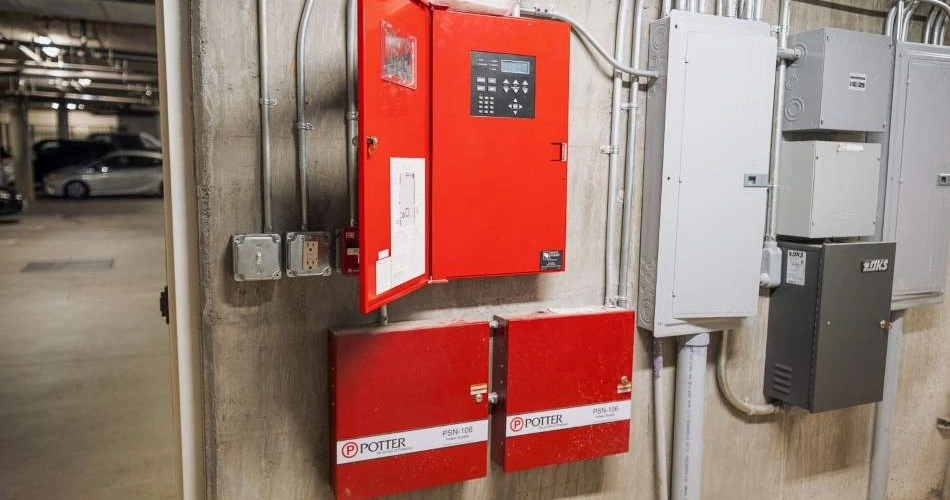
The Evolution and Importance of Fire Sprinkler Systems
Introduction
Fire sprinkler systems are a cornerstone of modern fire safety, designed to protect lives and property by automatically controlling and extinguishing fires. Their evolution over time reflects significant advancements in technology and safety standards, highlighting their vital role in safeguarding both residential and commercial spaces.
History of Fire Sprinkler Systems
The concept of fire sprinklers dates back to the early 19th century. The first recorded patent for a fire sprinkler system was filed in 1872 by inventor Henry S. Parmalee. Parmalee’s system used a simple, glass-bulb mechanism filled with a liquid that expanded and triggered the sprinkler when exposed to high temperatures. This early design laid the groundwork for more sophisticated systems.
By the early 20th century, advancements in materials and technology led to the development of the modern sprinkler system. The introduction of reliable metal piping and improved sprinkler head designs made these systems more effective and durable. In 1953, the National Fire Protection Association (NFPA) established its first standards for sprinkler systems, further enhancing their reliability and performance.
How Fire Sprinkler Systems Work
Fire sprinkler systems consist of a network of pipes connected to sprinkler heads installed throughout a building. These systems are activated by heat. When a fire begins, the temperature in the vicinity of the fire rises, causing the sprinkler head’s heat-sensitive element (usually a glass bulb or a fusible link) to break. This releases water, which is then dispersed over the area to suppress the flames.
There are various types of sprinkler systems, including:
- Wet Pipe Systems: The most common type, where water is constantly maintained in the pipes.
- Dry Pipe Systems: Used in areas where freezing is a concern, these systems hold pressurized air or nitrogen in the pipes, which is released to allow water to flow when a sprinkler head is activated.
- Pre-Action Systems: A combination of wet and dry systems, requiring two triggers (heat and a separate detection system) to activate the sprinklers.
- Deluge Systems: These systems have open sprinkler heads and are used in high-risk areas, like chemical storage, where water is released over the entire area when activated.
Preventative Measures
Fire sprinkler systems are crucial in preventing the spread of fires and reducing their impact. Their benefits include:
- Life Safety: By controlling or extinguishing fires quickly, sprinkler systems help protect occupants and provide valuable time for evacuation.
- Property Protection: Sprinklers help limit fire damage to buildings, reducing repair costs and downtime. This is particularly important for businesses, where fire damage can lead to significant financial losses.
- Reduced Firefighter Risk: With fires being contained or extinguished by sprinklers, firefighters can focus on more complex tasks, thus reducing their risk and improving their effectiveness.
- Insurance Benefits: Many insurance companies offer reduced premiums for buildings with sprinkler systems due to the lower risk of extensive fire damage.
Maintenance and Upkeep
To ensure fire sprinkler systems function correctly when needed, regular maintenance is essential. Key maintenance tasks include:
- Routine Inspections: Regular inspections by certified professionals help ensure that all components, including pipes, sprinkler heads, and control valves, are in proper working order.
- Testing: Sprinkler systems should be tested periodically to confirm that water flows correctly and that the system activates as intended.
- Cleaning: Sprinkler heads and pipes should be cleaned to prevent blockages and ensure unobstructed water flow.
- Repairs: Any leaks, corrosion, or damage to components should be repaired promptly to maintain system integrity.
The NFPA recommends annual inspections and testing, though some components, like sprinkler heads, may require more frequent attention.
The Modern-Day Importance
In today’s world, the importance of fire sprinkler systems cannot be overstated. With buildings becoming taller and more complex, and with materials and designs evolving, the need for effective fire protection systems is greater than ever. Sprinkler systems play a critical role in mitigating the risks associated with modern construction and lifestyle.
The integration of advanced technologies, such as smart systems with sensors and alarms, has further enhanced the capabilities of fire sprinklers. These modern systems offer real-time monitoring and automatic notifications, providing an extra layer of safety and responsiveness.
Conclusion
Fire sprinkler systems have come a long way since their inception, evolving from simple mechanisms to sophisticated safety features integral to modern fire protection strategies. Their ability to prevent loss of life and property underscores their importance in contemporary building design and fire safety planning. As technology continues to advance, fire sprinkler systems will undoubtedly evolve further, continuing to play a crucial role in safeguarding our homes, businesses, and lives from the devastating effects of fire.