Fire System Testing Frequency California Guide
How Often Fire Systems Must Be Tested CA Breakdown
When it comes to fire system testing frequency California property owners cannot afford guesswork. The state sets clear codes. Local fire departments enforce them. Insurance companies expect them. And lives depend on them. In other words, this is not the place for crossed fingers and hopeful thinking.
Across California, commercial and residential buildings must follow strict schedules for inspections, testing, and maintenance. However, the details vary depending on the system type, occupancy, and local amendments. That is where experienced professionals step in. Kord Fire Protection technicians often explain it like this. Fire systems are like smoke detectors in a kitchen. Ignore them long enough, and they will either fail silently or scream at the wrong time. Neither option is helpful.
So how often is often enough? Let us walk through it clearly, calmly, and with just enough humor to keep things interesting.
Understanding California Fire Code Requirements
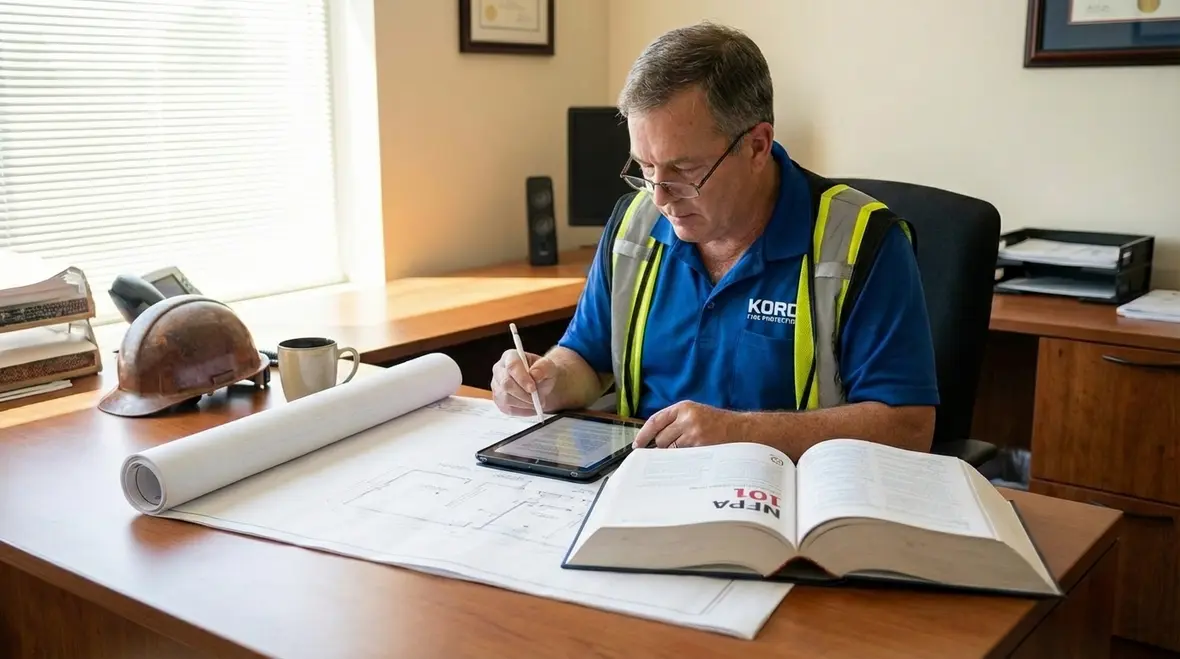
California follows the California Fire Code and references national standards such as NFPA 25 for water based systems and NFPA 72 for fire alarms. While that may sound like alphabet soup, the purpose is simple. These standards define when and how systems must be tested.
Most jurisdictions require documented inspections at specific intervals. Additionally, fire departments may conduct audits. Therefore, building owners must keep organized records. No one wants to shuffle through a dusty binder while an inspector taps their foot.
Kord Fire Protection technicians regularly remind clients that compliance is not just about avoiding fines. It protects tenants, staff, and visitors. Moreover, proper testing reduces liability. In California, that peace of mind is worth its weight in gold.
Fire Alarm Testing Schedules Explained Clearly
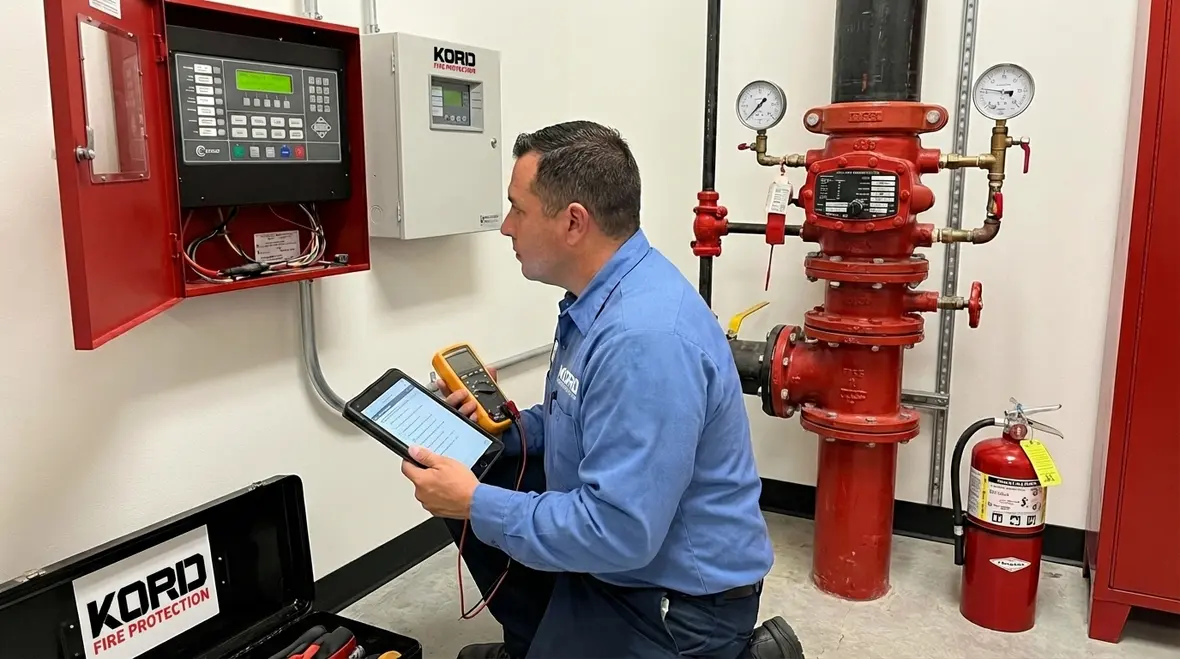
Fire alarms act as the nervous system of a building. When smoke appears or heat rises, they alert everyone instantly. Because of that critical role, testing happens frequently.
In most California properties, fire alarm systems require:
- Weekly or Monthly – Visual inspections of control panels and trouble signals depending on occupancy.
- Quarterly – Testing of select initiating devices and notification appliances.
- Annually – Full functional testing of all devices including smoke detectors, pull stations, horns, strobes, and communication links.
Furthermore, sensitivity testing for smoke detectors occurs every two years unless documentation supports another schedule. This ensures detectors respond within the proper range. Too sensitive, and burnt toast becomes a five alarm event. Not sensitive enough, and smoke drifts quietly through the hall.
Kord Fire Protection technicians often demonstrate testing procedures on site. They explain what is being triggered, why signals transmit the way they do, and how backup batteries support the system during outages. As a result, property managers gain confidence and clarity.

Sprinkler System Inspection Timeline
Sprinkler systems operate with quiet discipline. They do not ask for attention. However, they demand routine care.
According to California regulations and NFPA 25 guidelines, typical schedules include:
- Weekly – Inspection of control valves in certain high risk facilities.
- Monthly – Gauge readings on dry, preaction, and deluge systems.
- Quarterly – Water flow alarm testing and valve supervisory signal checks.
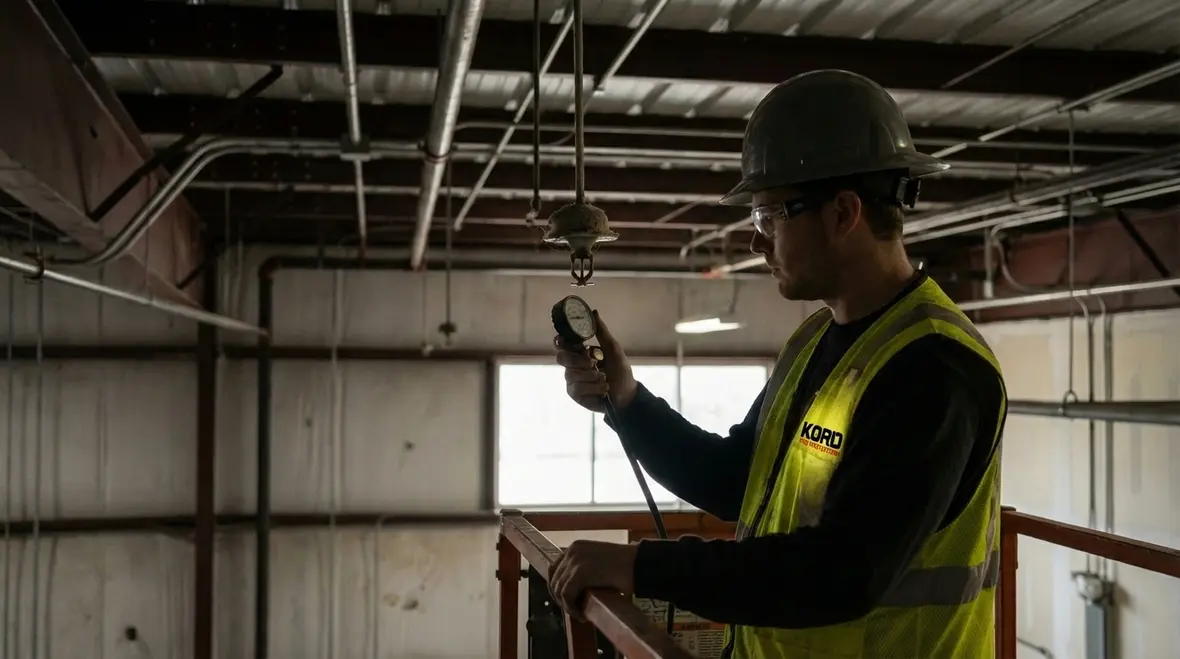
- Annually – Full inspection of sprinkler heads, piping, hangers, and seismic bracing.
- Every Five Years – Internal pipe inspections and obstruction investigations.
Because California faces seismic activity, inspectors pay close attention to bracing and pipe stability. An earthquake should not turn a fire protection system into modern art. Therefore, technicians verify that components remain secure and corrosion free.
Kord Fire Protection technicians often use simple comparisons. They describe sprinkler systems as a network of veins. If blockages form, pressure drops. If valves close, water stops. Regular inspections keep that network healthy.
Fire Extinguishers and Suppression Systems
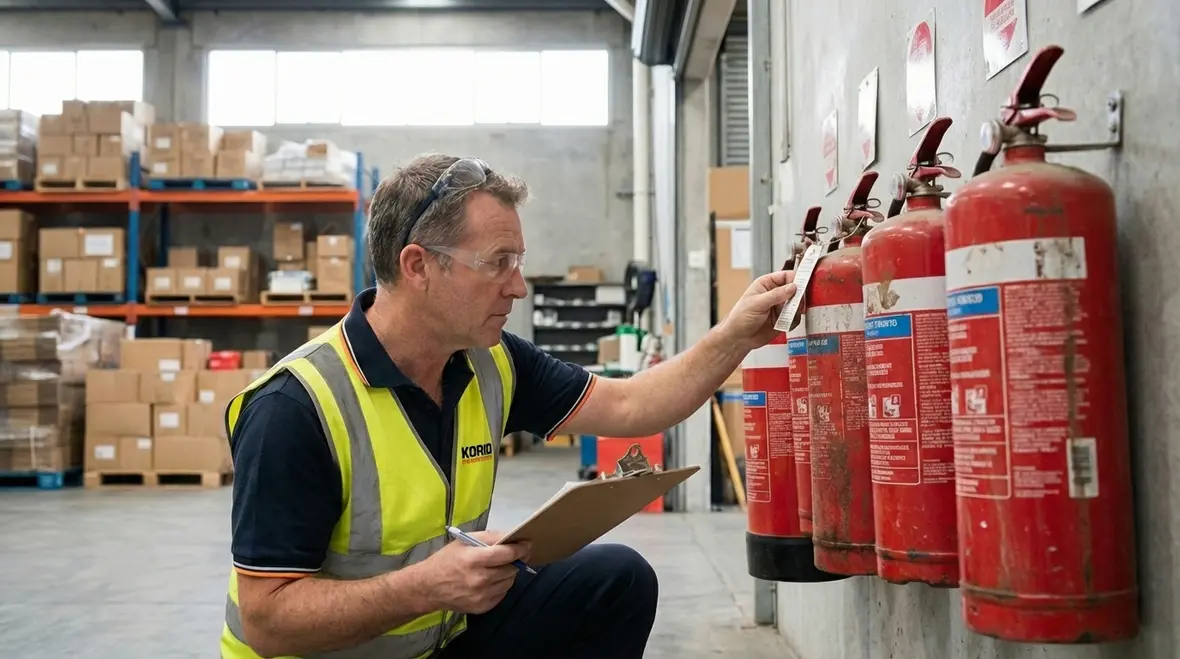
Portable extinguishers may look small, yet they play a powerful role in early fire control. California law requires monthly visual inspections. Additionally, certified professionals must perform annual maintenance.
Every six years, stored pressure extinguishers undergo internal examination. Every twelve years, they face hydrostatic testing. While that sounds intense, it ensures the cylinder can handle pressure safely. After all, no one wants an extinguisher auditioning for a rocket launch.
Kitchen hood suppression systems follow their own rhythm. In most commercial kitchens, semiannual inspections are mandatory. Given California’s vibrant restaurant scene, this requirement keeps both chefs and customers safe. Grease fires move fast. Suppression systems must move faster.
Side by Side Overview of Common Testing Intervals
System Type Typical California Testing Interval
Fire Alarm Control Panels
Smoke Detectors
Sprinkler Systems
Fire Extinguishers
Kitchen Suppression
Annual full test with quarterly components
Annual functional and periodic sensitivity testing
Quarterly to annual inspections with five year internal review
Monthly visual and annual professional service
Every six months
This structured approach helps owners visualize the broader compliance picture. Instead of scattered appointments, they see a coordinated safety plan.
What Influences Fire System Testing Frequency California Properties Must Follow
Although state codes provide a framework, several factors influence exact schedules.
- First, occupancy type matters. Hospitals, high rise buildings, and schools face stricter oversight.
- Second, system complexity changes inspection depth. A small retail shop differs greatly from a multi tower residential complex.
- Additionally, local amendments may add requirements beyond state code. Therefore, property owners must confirm city specific rules. Kord Fire Protection technicians routinely coordinate with local authorities to ensure nothing slips through the cracks.
- Environmental conditions also play a role. Coastal properties battle corrosion from salt air. Industrial sites may face dust or chemical exposure. Consequently, technicians adjust maintenance plans to match real world conditions.
How Building Owners Can Stay Ahead of Compliance
Staying compliant does not require superpowers. However, it does demand organization and proactive planning.
- First, maintain a digital and physical log of all inspections.
- Next, schedule recurring service appointments well before deadlines.
- Moreover, communicate with tenants about testing dates to prevent confusion when alarms sound.
Kord Fire Protection technicians often encourage clients to treat inspections like dental checkups. No one wakes up excited about them. Yet postponing them only leads to bigger problems. And unlike a cavity, a failed fire system can impact dozens or hundreds of people.
Property managers who understand fire system testing frequency California requirements avoid last minute scrambling. Instead, they move through inspections with calm confidence. Inspectors notice that professionalism. Insurance providers appreciate it. Tenants trust it.
Why Professional Testing Makes a Difference
While some visual checks fall to building staff, certified technicians handle functional testing. They use calibrated tools, follow code procedures, and document every result. Additionally, they identify early warning signs such as pressure irregularities, wiring faults, or aging components.
Kord Fire Protection technicians explain findings in plain language. They outline what passed, what needs repair, and what may require future budgeting. Because of that transparency, owners can plan financially instead of reacting in panic mode.
Professional testing also reduces false alarms. In busy cities across California, false alarms waste emergency resources and frustrate occupants. Proper calibration and maintenance keep systems accurate and dependable.
FAQ Short Answers for Quick Clarity
Conclusion: Take Action with Confidence
Fire protection is not a set it and forget it investment. It requires attention, planning, and expert care. By understanding fire system testing frequency California standards and partnering with experienced professionals like Kord Fire Protection technicians, property owners protect lives and assets with confidence.
Schedule inspections early, maintain clear records, and stay ahead of compliance. When safety becomes routine, peace of mind follows. And that is a sound everyone can appreciate. To take the next step, connect with Kord’s team through their Contact Us page or explore dedicated services like their annual fire system testing in Los Angeles and broader fire alarm services for properties across California.
Know Your Weapon Before You Fight the Flame
Kord Fire Protection is your go-to when it comes to all things fire protection. For over 20 years, we’ve been serving Southern California with the quality service and equipment to keep your home or business safe at all times. Our competitive prices reflect our unwavering commitment to protecting what matters most in the event of a fire emergency. Give us a call, send an email, or use that form!

Join Our Newsletter!
Get the latest fire safety tips delivered straight to your inbox From our Newsletter.