
How NFPA 20 Regulates Fire Pump Systems: A Comprehensive Overview For 2026
Introduction
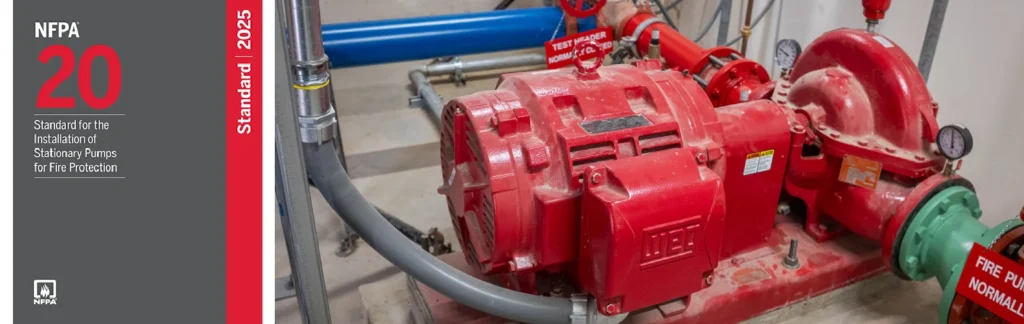
Fire pump systems form the backbone of reliable water-based fire protection. Whether installed in high-rise buildings, industrial plants, or commercial complexes, these pumps ensure that sprinkler and standpipe systems receive adequate water pressure during a fire emergency. To guarantee consistent performance and safety, the National Fire Protection Association (NFPA) developed NFPA 20 — Standard for the Installation of Stationary Pumps for Fire Protection.
NFPA 20 regulates how stationary fire pumps are designed, installed, powered, tested, and maintained. Its purpose is to ensure that every pump performs flawlessly when needed most. This article provides a detailed overview of NFPA 20’s structure, scope, and impact on modern fire pump systems, helping engineers, facility managers, and contractors stay compliant and confident.
What Is NFPA 20?
NFPA 20 is the leading standard governing the installation of stationary fire pumps used in water-based fire protection systems. First issued in 1899, it has evolved alongside technology and safety practices to reflect modern performance and reliability expectations.
The standard applies to centrifugal, vertical turbine, and positive displacement pumps that deliver water to sprinkler systems, hydrants, and standpipes. NFPA 20 is referenced by building codes and fire marshals across the U.S. and internationally, making it the definitive benchmark for compliant fire pump installations.
In short, NFPA 20 defines not just how fire pumps must be built, but also where and how they should be installed, connected, tested, and documented.
Why NFPA 20 Matters for Fire Pump Systems
Reliability When It Counts
A fire pump’s performance is critical during an emergency. NFPA 20’s testing and maintenance provisions ensure the pump will deliver rated pressure and flow under extreme conditions. By mandating design safeguards such as over-speed protection, driver reliability, and pressure maintenance, NFPA 20 minimizes the risk of pump failure when lives and property are at stake.
Legal and Insurance Compliance
Authorities Having Jurisdiction (AHJs) often require NFPA 20 compliance as a condition for building occupancy. Insurers, too, may deny coverage or raise premiums if a fire pump does not meet NFPA 20 standards. Compliance, therefore, is not optional — it’s integral to both safety and liability protection.
Standardization and Consistency
By establishing a common framework, this ensures consistent installation quality and predictable performance across facilities. This standardization allows engineers and inspectors to evaluate fire pump systems based on uniform, industry-accepted criteria.
Key Requirements of NFPA 20
This covers extensive fire pump testing requirements that can be divided into four major categories: design and performance, installation and components, testing and maintenance, and modifications or retrofits.
1. Design and Performance Requirements
This code specifies that each fire pump must deliver its rated flow and pressure with strict tolerances. For example:
- The churn (no-flow) pressure must not exceed 140 % of rated pressure.
- The 100 % flow point must meet rated capacity.
- The 150 % flow point must achieve at least 65 % of rated pressure.
Only pumps listed or approved by recognized laboratories such as UL (Underwriters Laboratories) or FM Approvals may be installed.
The standard also defines acceptable pump types, including horizontal split-case, vertical turbine, end suction, and in-line centrifugal pumps. Drivers may be electric motors, diesel engines, or steam turbines, provided they meet 20’s starting and control requirements.
2. Installation and System Components
This dedicates extensive sections to proper installation, covering:
- Pump Rooms and Enclosures — Fire pump rooms must be easily accessible, properly ventilated, and constructed of fire-resistive materials. High-rise installations may require separation walls with a minimum 2-hour fire rating.
- Suction and Discharge Piping — Piping must be sized to minimize friction loss and designed to prevent air pockets. Suction lines should maintain a positive head whenever possible.
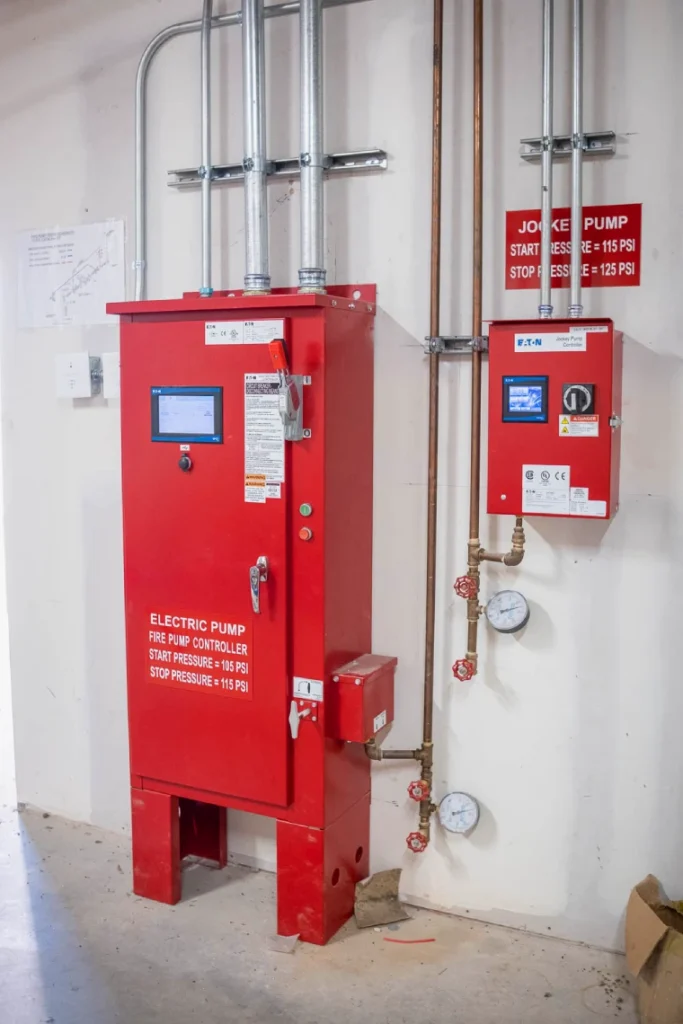
- Valves and Accessories — Control valves, check valves, flow meters, and test headers are required to ensure isolation, flow measurement, and testing flexibility.
- Power and Controllers — Electric-driven pumps require dual power feeds where practical. Diesel-driven pumps must include fuel systems sized for at least 8 hours of full-load operation.
3. Testing, Inspection and Maintenance
NFPA mandates acceptance testing upon installation and periodic inspection thereafter. Key requirements include:
- Annual flow tests to confirm rated performance.
- Weekly no-flow (churn) tests to verify automatic start functionality.
- Monthly visual inspections of controllers, gauges, and valves.
- Recordkeeping — Maintenance logs and test results must be retained for inspection by AHJs or insurance auditors.
These practices ensure that the pump system remains in top condition, ready for any emergency.
4. Modifications and Retrofits
When modifying or upgrading an existing fire pump system, it requires that performance and safety not be compromised. For example:
- Replacement components must be listed for fire service.
- System alterations (such as new controllers or drivers) must not exceed the pump’s certified limits.
- Retrofit projects should be re-tested under NFPA 25 (Inspection, Testing, and Maintenance of Water-Based Fire Protection Systems).
Schedule A Free Consultation Today
Implications for Designers, Installers and Facility Managers
For Engineers
Design professionals must integrate NFPA 20 early in the project lifecycle. Coordination between NFPA 13 (sprinkler systems), NFPA 14 (standpipe systems), and NFPA 20 ensures seamless hydraulic performance. Engineers should consider:
- Required net pressure and flow rates.
- Minimum suction supply reliability.
- Compatibility with emergency power systems.
For Installers
Contractors must follow approved shop drawings, use listed components, and conduct full acceptance testing. Common errors—such as undersized suction piping or inadequate clearance around the pump—can cause non-compliance and system failure.
For Facility Managers
After installation, responsibility shifts to the owner or manager. NFPA 20 emphasizes routine maintenance, annual testing, and qualified personnel for all inspections. Facility managers should implement maintenance schedules aligned with NFPA 25 to sustain compliance and ensure reliability.
Recent Updates and Emerging Trends
The 2023 Edition of NFPA 20 introduced several refinements:
- Variable Speed Fire Pump Controllers (VSFPCs): These controllers regulate pump speed to maintain consistent system pressure, improving efficiency and reducing wear.
- Enhanced Data Monitoring: New technology allows remote monitoring of pump status, temperature, and alarms.
- Integration with Building Automation: Fire pump data can now be integrated with central monitoring platforms for better diagnostics.
- International Adoption: Many countries have adopted NFPA 20 principles as the global benchmark for fire pump performance.
These changes reflect NFPA’s ongoing effort to harmonize technology, safety, and sustainability in fire protection systems.
Key Takeaways
- NFPA 20 governs the design, installation, and maintenance of stationary fire pumps for fire protection.
- Compliance ensures reliable pump performance and reduces liability.
- Regular testing and inspection are critical to maintaining system readiness.
- Engineers, installers, and owners all share responsibility for compliance.
- Staying updated with the latest edition helps facilities adapt to evolving technology and safety requirements.
- Worse case scenarios, your fire pump can flood your building.
NFPA 20 FAQS
Fire Pump System Pressure Maintenance
Ensure your fire protection system performs at full pressure when it matters most. Schedule an NFPA 20 compliance inspection today and verify that your fire pump system pressure maintenance meets the latest standards.

Protect Your Property
Get the latest fire safety tips delivered straight to your inbox.



