Standpipe System Pressure Testing for Commercial Buildings Australia
Quick answer: Keeping the right pressure in a commercial building standpipe system protects firefighting crews, supports code compliance, and reduces downtime when emergencies happen. Proper standpipe system pressure testing verifies flow and pressure at the exact outlets firefighters use. With ongoing monitoring, issues get fixed before they become real-world problems.
In commercial facilities across Australia, standpipe systems do not fail politely. They wait until the moment someone needs water the most, and then they start telling a sad story with low pressure, inconsistent flow, or leaking sections. That is why effective standpipe system pressure testing matters early and often. Within the first pass of a test, a building team learns where pressure drops, whether valves behave properly, and how quickly the system responds under real conditions. From there, the rest of the job becomes clear: maintain optimal pressure so the system performs when it counts.
And yes, pressure maintenance can sound as glamorous as watching paint dry. But it is less boring than you might think, especially when the alternatives include failed inspections, unsafe operations, and firefighters having to improvise. Nobody wants that.
Near the top of the conversation, it also helps to connect this topic to broader fire protection services that support inspection planning, flow verification, reporting, and corrective work across commercial buildings. When standpipe pressure gets treated as part of a wider life safety strategy instead of an isolated task, building teams usually make better decisions, faster.
How standpipe pressure affects firefighting performance
Standpipe pressure is not just a number on a gauge. It directly shapes how quickly water reaches hose outlets and how well crews can build an effective stream. When pressure drops too low, hose lines feel heavy, discharge becomes weak, and crews struggle to apply water where it is needed.
When pressure stays within the correct range, several things happen at once. Water delivery improves, friction losses reduce, and nozzle operation stays consistent across multiple outlets. In practice, this supports coordinated action in industrial warehouses, retail precincts, and mixed-use commercial buildings. Additionally, stable pressure helps the system behave predictably during multi-outlet use, which often occurs while crews work different floor levels.
To keep performance reliable, facilities teams must address the full chain of system behavior, not only the most visible component. That includes supply conditions, valve health, hose connection points, and pressure set points that can drift over time. If your team needs more foundation around classifications and outlet arrangements, a useful companion read is Standpipe Class I II III Explained Clearly, which helps put pressure expectations into practical context.
Pressure targets and code driven expectations
Australia has specific expectations for fire systems, and standpipe performance aligns with those requirements. However, the exact targets and acceptance limits depend on system design, building height, pipe sizing, and outlet configuration. So instead of guessing, building teams should confirm the intended pressure performance and verify it with testing that matches how the system works during operation.
During commissioning and routine compliance, the goal stays consistent: maintain pressures that allow effective firefighting flow without causing unsafe overpressure. Overpressure can stress fittings and create leaks, while underpressure weakens discharge and increases the risk of operational failure. Therefore, the right approach combines calculated design intent with field verification.
Moreover, pressure targets often require a practical mindset. A system that meets a static reading might still fail when flow starts, because dynamic conditions change everything. That is why effective standpipe system pressure testing should include flow and pressure observations under relevant demand conditions.
Static readings are not the whole story
A quiet gauge can look comforting right up until moving water reveals a problem. That is where field testing earns its keep. It tells the truth when the plumbing stops pretending. Teams that only record resting pressure can miss weak recovery, hidden restrictions, and outlet performance issues that do not show up until the system is asked to behave like it is actually fighting a fire.
Standpipe system pressure testing methods that reveal real issues
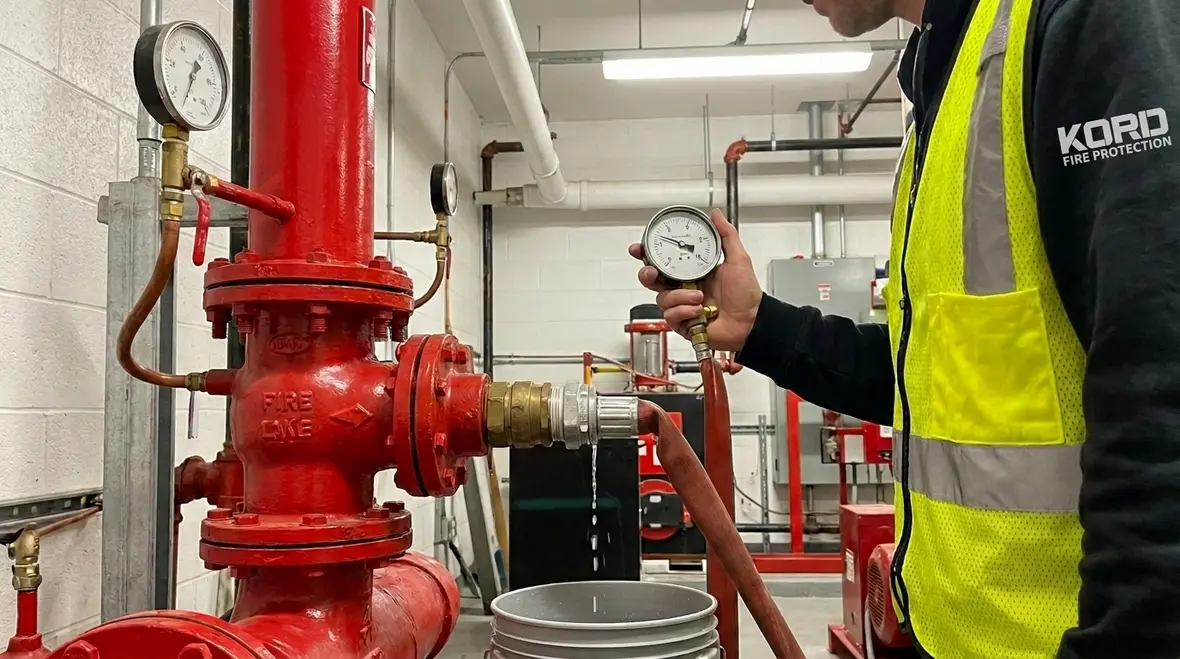
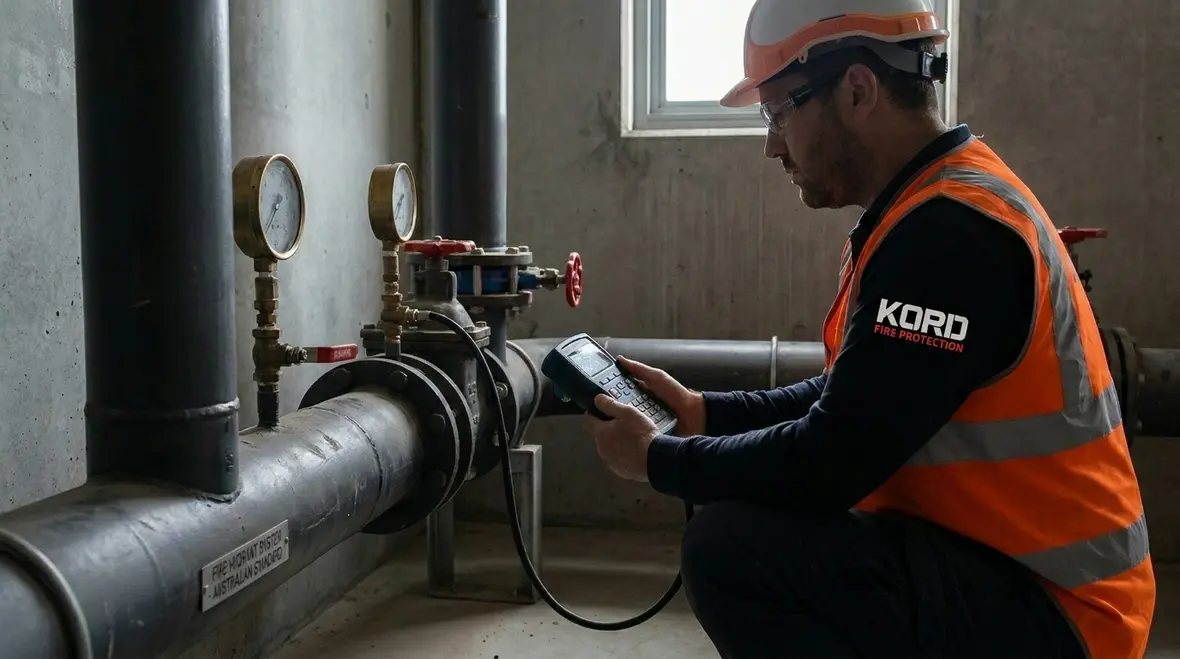
Not all testing tells the truth. Some tests measure pressure at rest, which can hide issues that appear only when water moves. When facilities teams want clarity, they use a process that checks both pressure and performance as the system operates. That includes confirming that outlets deliver expected flow and that pressure recovery behaves correctly after changes in demand.
In typical field practice, technicians may run controlled test flows, record pressure at key points, and compare results to design assumptions. They also verify that valves open and close correctly, that no sections show abnormal restriction, and that any pressure relief behavior works as intended. For teams wanting a more focused look at live demand verification, Standpipe Flow Test Guide for Fire Protection pairs naturally with this topic.
Additionally, good testing creates a baseline. Once the baseline exists, later checks become smarter and faster. Instead of starting from scratch every time, the team can spot drift, identify patterns, and schedule repairs before symptoms show up during an inspection, a drill, or an actual incident.
It is like tracking a fleet of delivery trucks. You do not just check one odometer reading. You watch how the route changes across time.
Key pressure loss causes in commercial piping and valves
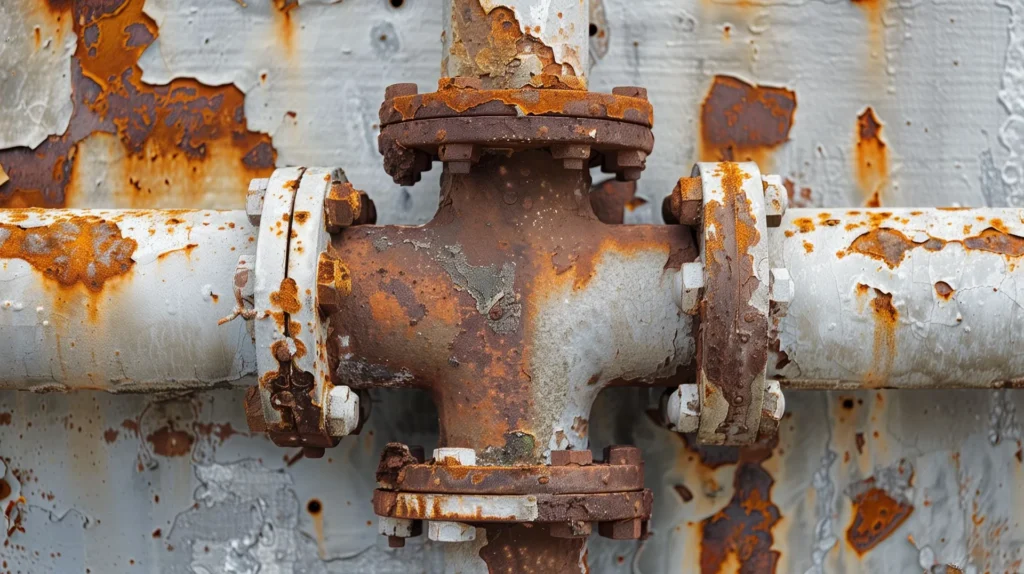
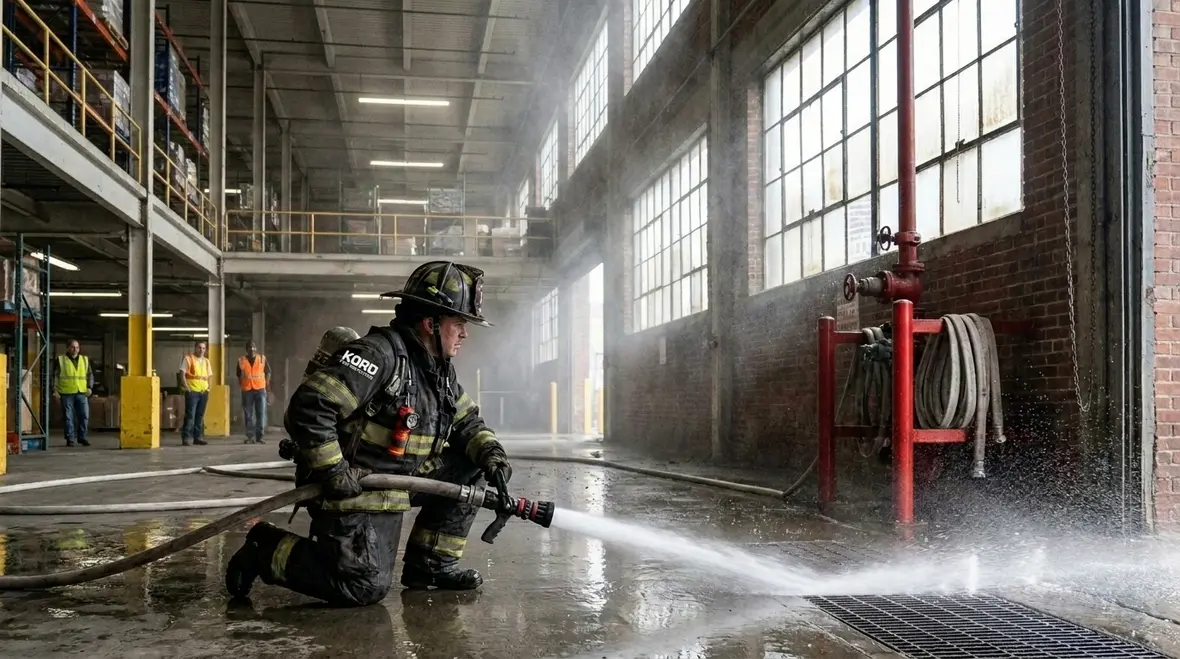
To maintain optimal pressure, building teams must identify what creates losses inside the system. Pressure losses usually come from friction in pipe runs, restrictions at fittings, and valve condition that changes with age or misuse. Even a small obstruction can matter when the system needs to deliver flow quickly.
Common causes include partially closed valves, worn seals, scale buildup, debris trapped in strainers, and misaligned fittings installed during past works. Also, pressure reduction can occur when modifications happen without confirming system impact, such as adding services, relocating plant rooms, or changing water supply arrangements.
Pressure loss can also show up after repairs. For example, if replacement components do not match the original internal diameter or flow characteristics, the system may respond differently during demand. Therefore, facilities teams should require documentation for any intervention, including what was changed and how it affected performance.
To make matters more fun, pipework expansions and settling over years can slightly shift alignment. That does not sound dramatic, but it can influence flow paths. Nobody wants a surprise during an emergency, so prevention is the smarter business choice.
Small restrictions create big headaches
Some of the most annoying standpipe problems are also the least theatrical. A valve left partly closed, a fitting installed just a little wrong, or a strainer carrying more debris than anyone expected can quietly chip away at performance. Later, when crews need strong and stable discharge, the system suddenly reveals that it has been holding a grudge for months.
Best practices to maintain steady pressure between tests
Standpipe systems do not maintain themselves. Even if they sit quietly in a plant room most days, their components experience aging, vibration, temperature changes, and occasional operational disturbances. Thus, the best maintenance approach balances inspections, targeted testing, and practical corrective actions.
First, facilities teams should set an inspection rhythm that fits building risk. Higher occupancy retail spaces, industrial sites with high storage density, and multi-level commercial facilities typically need closer attention. Next, they should include operational checks that confirm valves, indicators, and control elements respond as expected.
Then, they should manage system cleanliness. If the supply includes particulates, the system can accumulate restrictions that reduce flow over time. Strainers and relevant filtration components should be inspected and cleaned according to the maintenance plan.
Finally, they should track results. When teams store test data and compare it across cycles, they can see trends like gradual pressure decline or recurring outlet underperformance. After that, maintenance becomes predictive rather than reactive. A related resource worth linking into the maintenance conversation is Standpipe System Inspection Checklist Guide, especially for teams that want better documentation habits along with better pressure control.
That is how a standpipe system earns trust. It performs well today, and it stays reliable tomorrow, next week, and next year.
Why kord fire protection becomes a vital partner
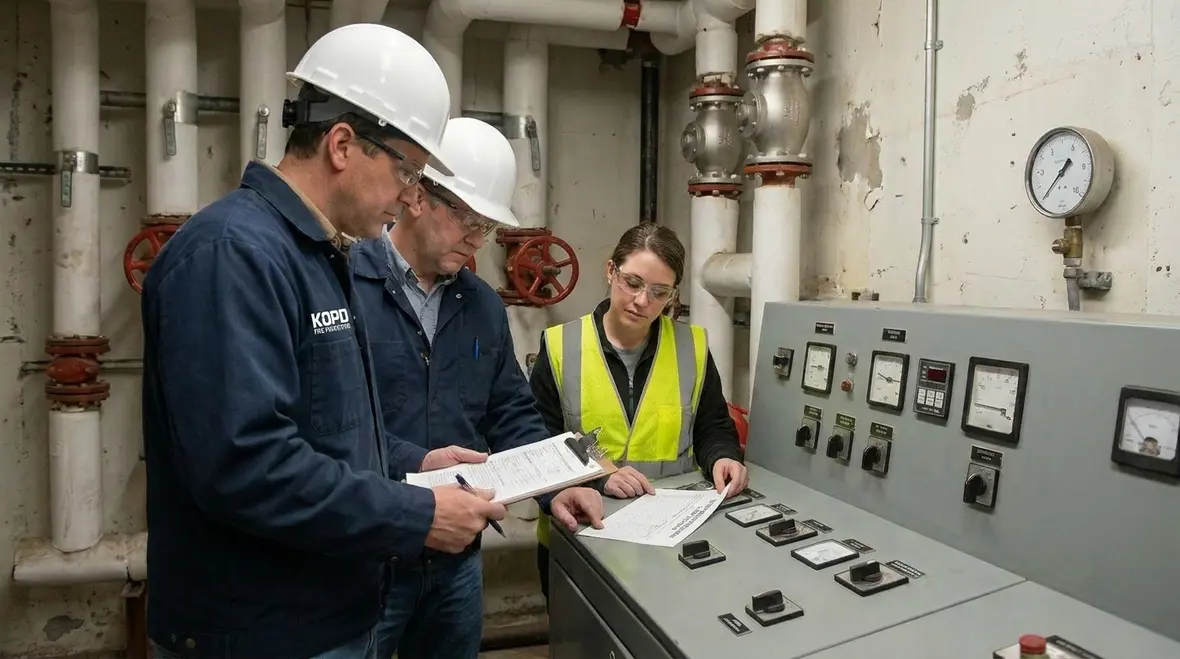
Many facilities teams handle fire system responsibilities like they are a busy calendar event. Schedule it, tick it off, move on. However, standpipe performance needs a partner that treats pressure as a living system metric, not a one-time checkbox. That is where kord fire protection can become a vital partner.
kord fire protection supports facilities and commercial operators by aligning testing, reporting, and maintenance planning with how these systems actually operate under demand. Instead of delivering generic findings, they help teams understand where pressure drops, what components likely contribute, and how to correct issues efficiently.
In addition, a strong partner helps reduce operational disruption. They coordinate access needs, plan work around building schedules, and document outcomes in a way that supports compliance workflows. This matters across industrial sites, retail centres, and multi-tenant commercial buildings in Australia where downtime and access restrictions are real constraints. Teams dealing with pressure regulating devices may also benefit from Standpipe Pressure Reducing Valve Maintenance Guide, since pressure stability and valve behaviour usually travel together.
And yes, having the right partner can feel like hiring an experienced crew for a jobsite rather than relying on someone who watched one video once. The difference shows up in the details, and the details are what firefighting crews count on.
Planning the maintenance schedule for Australian facilities
A practical plan connects risk, testing intervals, and the realities of each site. For industrial facilities, factors like pipe exposure, vibration, and water supply variability often increase the need for closer oversight. Retail sites require attention to uptime and safe access for occupants and contractors. Commercial facilities across multiple floors need a plan that confirms performance across different zones and outlet points.
Furthermore, schedule planning should account for known change events. If the building undergoes upgrades, pipe modifications, valve replacements, or changes to the water supply source, facilities teams should re-check performance sooner rather than later.
To keep the schedule realistic, the team can use a baseline approach. They perform a thorough verification through standpipe system pressure testing to establish performance expectations. Then they use follow up checks to confirm stability. When the system deviates, the plan triggers targeted corrective work.
This approach saves time, lowers risk, and supports smoother compliance across the year. It also gives building teams a more honest picture of whether their standpipe setup is consistently ready or merely hoping no one asks much of it.
FAQ
Conclusion and call to action
Maintaining optimal pressure in commercial standpipe systems protects people, supports effective firefighting, and reduces compliance stress. When facilities teams combine smart scheduling with reliable standpipe system pressure testing, they catch problems early and keep performance steady across industrial, retail, and commercial sites in Australia. The real advantage is not just passing the next check. It is knowing the system can deliver when conditions get serious and the room for error disappears.
For a partner that treats pressure as a real operational metric, not a formality, contact kord fire protection today and build a maintenance plan that holds up when it matters most. If your team wants to keep learning before the next service visit, the article Standpipe System Pressure Testing Tips for Reliability is a fitting next read.

Join Our Newsletter!
Get the latest fire safety tips delivered straight to your inbox From our Newsletter.