NFPA 25 Annex D Obstruction Investigation for Sprinklers
Quick Answer
NFPA 25 Annex D obstruction investigation helps sprinkler service teams find hidden blockages before they turn a working system into dead weight. It supports safer inspections, stronger testing, and faster fixes. For industrial, retail, and commercial sites, Kord Fire Protection can be a steady partner in locating issues, documenting findings, and keeping systems ready when it matters most.
If your team is already planning corrective work, Kord Fire Protection’s fire sprinkler system service page is a practical place to see how inspection, maintenance, and repair support fit together before small obstruction issues snowball into larger ones.
NFPA 25 Annex D obstruction investigation and why it matters
NFPA 25 Annex D obstruction investigation gives service teams a clear path for finding debris, scale, corrosion, and other buildup inside sprinkler pipework. In busy facilities, this matters because a sprinkler system can look fine on the outside while trouble grows inside like a bad plot twist in a crime show. When an obstruction exists, water flow may slow, spray patterns may weaken, and fire protection performance may suffer.
For industrial plants, retail centres, warehouses, and commercial buildings, this work supports life safety and asset protection. It also helps maintenance teams act before a small issue becomes a costly shutdown. In practice, this annex helps guide a deeper inspection process, not just a quick look and a handshake.
It also sits comfortably within the bigger maintenance picture. Kord Fire Protection’s NFPA 25 overview of complete water-based fire protection systems maintenance is a useful related read if you want the wider context around how internal pipe condition connects to inspections, testing, valves, and long term system reliability.

How service teams use the process
Start with history, then follow the clues
Service teams use the obstruction investigation process to move from basic inspection into targeted troubleshooting. First, they review system history, past impairments, alarm events, water quality concerns, and repair records. Then, they look for clues such as low test flows, blocked drain tests, rust stains, or uneven pressure results.
That review stage matters more than people think. Patterns often show up in maintenance logs before they become obvious in the field. A repeat issue in one riser, one branch line, or one operating area can point teams toward the real trouble spot faster than random trial and error.
Move into targeted inspection
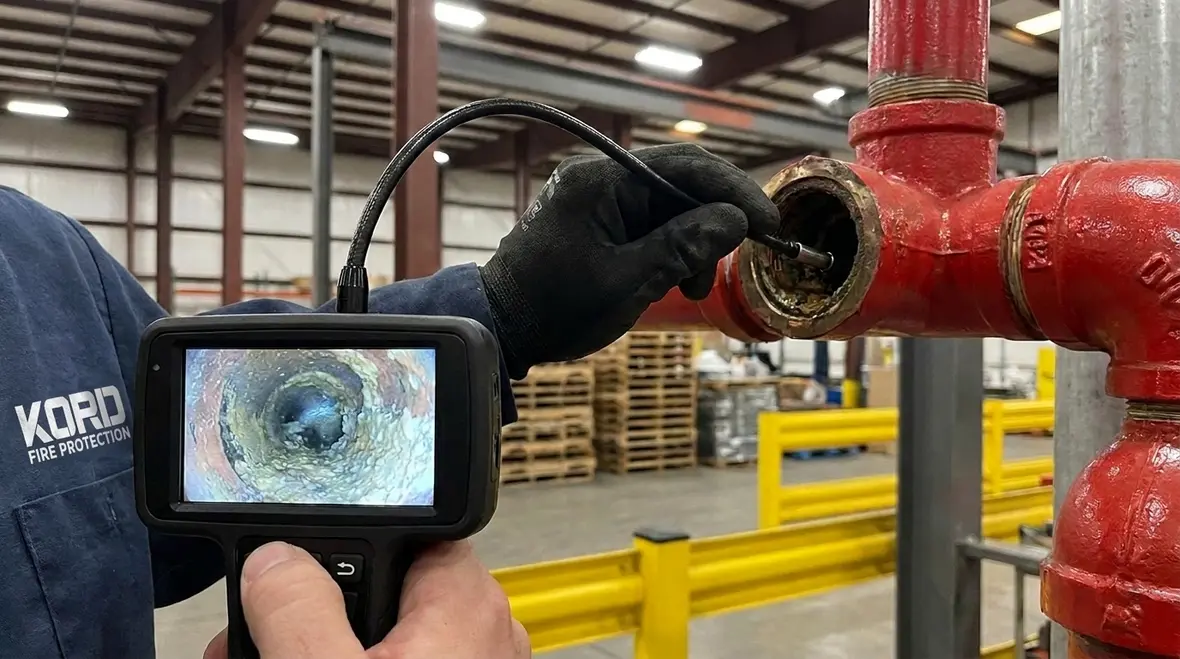
Next, they isolate the problem area and inspect the inside of pipework using proven methods. These may include opening sections of pipe, checking strainers, reviewing valve conditions, and examining heads or fittings for debris. Because no one wants to play hide and seek with corrosion, teams need a steady method and clean records.
The goal is not just to confirm that something is wrong. The goal is to learn what the blockage is, where it came from, how far it has spread, and whether the condition is isolated or system wide. That difference shapes repair planning, downtime, labour, and the kind of follow up testing needed to regain confidence in the system.
- Review historical inspections, tests, impairments, and repairs
- Compare pressure and flow results for unusual changes
- Inspect drains, valves, strainers, heads, and fittings
- Open targeted pipe sections to confirm internal condition
- Document the debris type, location, and likely cause
Signs a sprinkler system may need deeper investigation
Some warning signs point to hidden obstruction trouble. These signs often appear long before a full failure. As a result, service teams should treat them as early alarms, not background noise.
Common warning signs to watch
- Unusual pressure loss during testing
- Dirty or rusty discharge from drains or test points
- Delayed water delivery during flow checks
- Repeated valve or head issues in the same area
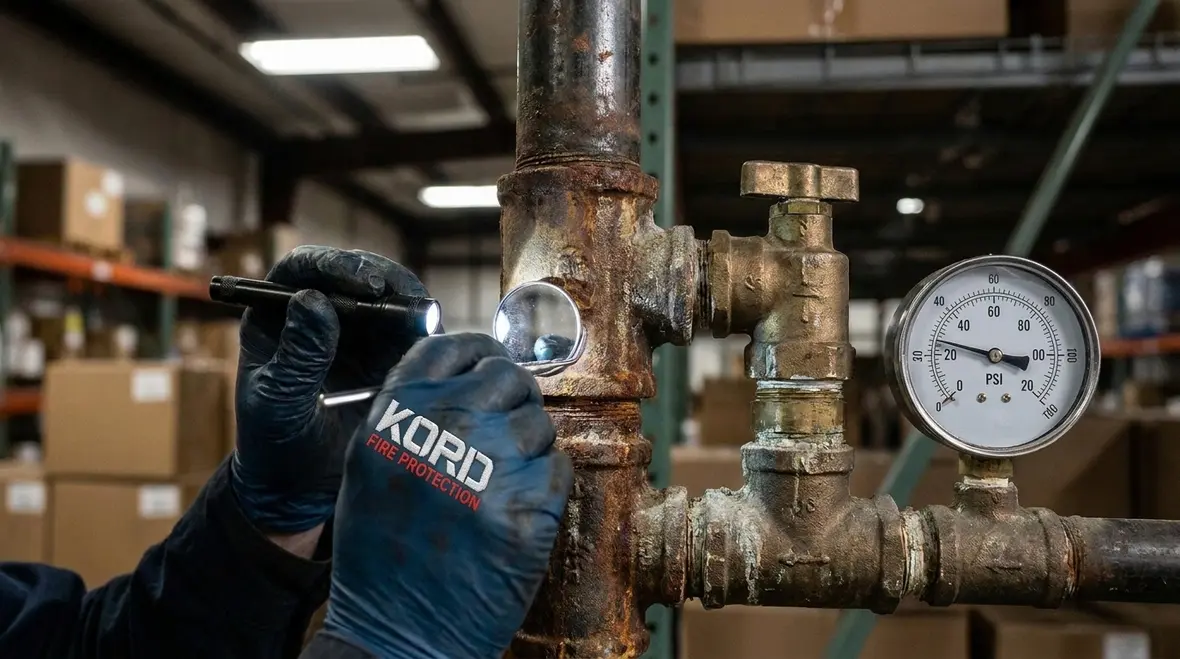
- Evidence of sediment, scale, or microbiological growth
In addition, older systems, poorly maintained water supplies, and sites with changing process demands often carry more risk. That is why a single inspection rarely tells the whole story.
Service teams also need to pay attention to the boring details, because the boring details usually win. A slightly delayed inspector’s test, minor debris at a drain point, or repeated staining around one section may not look dramatic on its own. Together, though, those clues can say a lot about the internal condition of the pipework.
Where obstruction problems usually start
Water quality, pipe age, and system conditions
Obstruction often begins where water quality, pipe age, and system design meet. In some buildings, corrosion starts at low points where water sits too long. In others, scale builds where the water supply brings minerals into the pipe. Meanwhile, trapped debris can collect after repairs if flushing and cleaning fall short.
Industrial sites may face extra risk from dust, vibration, process byproducts, or harsh environments. Retail and commercial sites can also run into trouble when systems stay idle for long periods or when maintenance gets delayed during busy trading periods. The system does not care about business hours. It simply reacts to physics, and physics has no patience.
Another common trigger is incomplete restoration work after repairs, tenant improvements, or changes to the water supply. If flushing is rushed or if debris is left behind, the system may carry that material until it settles somewhere less convenient. Usually that somewhere becomes important at exactly the wrong moment, which is about as helpful as a smoke detector with stage fright.
How Kord Fire Protection supports obstruction investigation
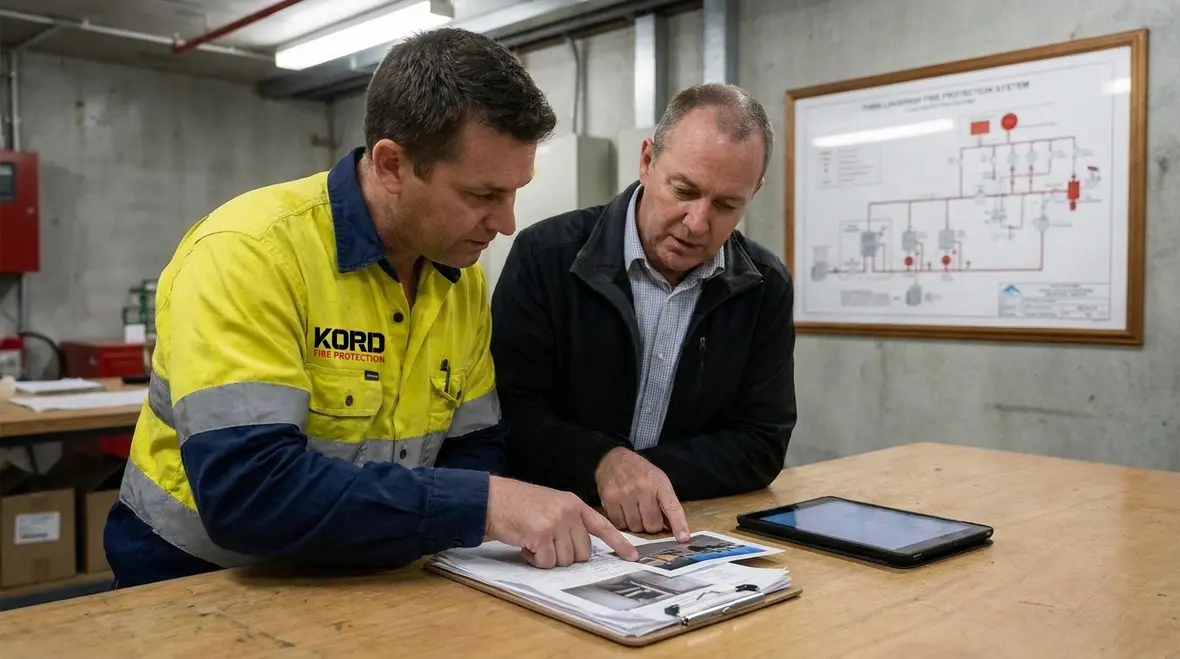
Kord Fire Protection can become a vital partner because this work needs more than tools. It needs experience, careful judgment, and strong follow through. When service teams need support with NFPA 25 Annex D obstruction investigation, Kord Fire Protection can help identify risk, isolate the issue, and guide the next step with clear reporting.
| Service team need | How Kord Fire Protection can help |
| Finding the source of blockage | Supports targeted inspection and practical troubleshooting |
| Documenting findings | Provides clear records for owners, managers, and compliance needs |
| Reducing downtime | Helps plan work so the facility stays safer and more stable |
| Repair planning | Recommends the next step based on real site conditions |
Just as important, Kord Fire Protection can work with facility managers and contractors to keep communication simple. That matters because a good report should not read like a mystery novel with missing pages. It should tell the client what was found, what it means, and what comes next.
That kind of support is easier to maintain when one provider can see the broader picture. Kord Fire Protection’s full fire protection services page shows how sprinkler work can coordinate with wider inspection and compliance needs when a property wants fewer loose ends and better continuity.
What good reporting should include
Turn findings into action
Strong reporting turns an inspection into action. Therefore, service teams should record the location of the obstruction concern, the type of debris found, the affected system section, and any pressure or flow changes. They should also include photos, test results, and repair notes.
For multi site operators, this record helps compare one building to another. It also supports planned maintenance budgets, insurance conversations, and compliance tracking. In a large portfolio, that kind of clarity saves time and headaches. In other words, it keeps the fire protection story from turning into a sequel nobody asked for.
- Exact location of the suspected or confirmed obstruction
- Description of corrosion, scale, sludge, sediment, or debris
- Test data showing pressure, flow, or delivery changes
- Photos of opened pipe sections, strainers, valves, or fittings
- Recommended corrective actions and retesting steps
- Dates, technicians, and any system impairment notes
FAQ
Keep your system ready before trouble spreads
NFPA 25 Annex D obstruction investigation gives service teams the structure they need to protect sprinkler reliability. For industrial, retail, and commercial facilities, that support matters every day. Kord Fire Protection can help turn inspection findings into real action, better control, and safer systems.
When hidden blockages show up, the right partner makes the difference between a quick fix and a costly surprise. Good investigation is not about adding drama. It is about removing uncertainty, restoring confidence, and making sure the system is ready to do its job when everything else has gone sideways.

Join Our Newsletter!
Get the latest fire safety tips delivered straight to your inbox From our Newsletter.