
NFPA 25 Overview:
Complete Water-Based Fire Protection
Systems Maintenance Breakdown
What Is NFPA 25?
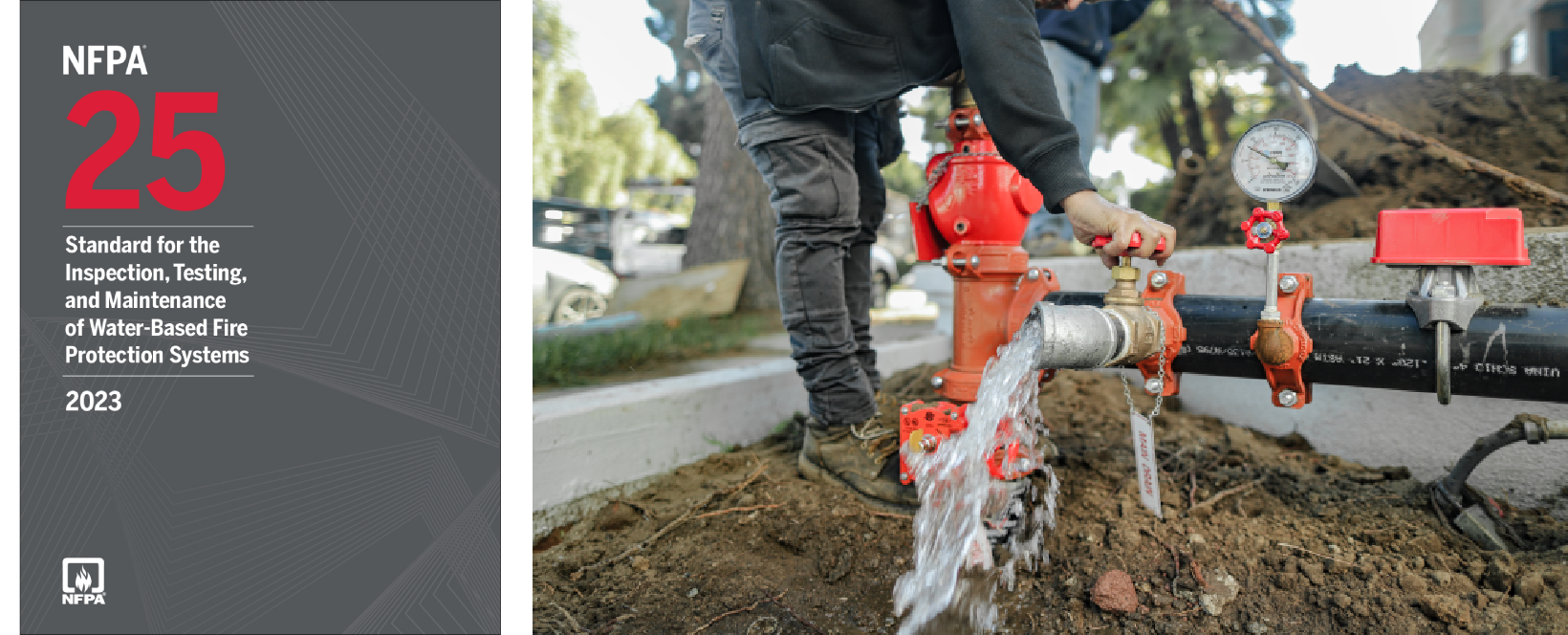
It is a widely recognized standard for the inspection, testing, and maintenance of water-based fire protection systems. Published by the National Fire Protection Association (or NFPA for short), it states the minimum maintenance requirements for a wide range of systems.
General guidelines for testing, inspecting, maintaining, and various requirements for water-based fire protection systems are included. These minimum requirements are designed to “ensure a reasonable degree of protection” from fire, as stated in NFPA 25 section 1.2.1.
NFPA has even set additional standards for the state of California. All information pertaining to those specific guidelines can be found in the California Edition.
What Systems Does NFPA 25 Cover?
This code addresses a wide range of water-based fire protection systems. Such as sprinkler systems, standpipe and hose systems, fixed water spray systems, water mist systems, foam-water sprinkler systems, and even private fire hydrants.
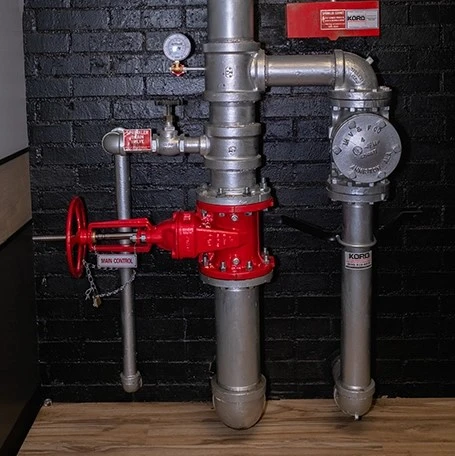
25 also addresses private fire service mains, fire pumps, water storage tanks, and valves that control system flow.
NFPA 25 overviews the following:
- Sprinkler Systems
- Standpipe and Hose Systems
- Private Fire Service Mains
- Fire Pumps
- Water Storage Tanks
- Water Spray Fixed Systems
- Foam-Water Sprinkler Systems
- Water Mist Systems
- Common Components and Valves
- Internal Piping
It should be noted that this code does not address inspection, testing, or maintenance of electrical components for automatic fire detection equipment. Those aspects are all covered in NFPA 72. Maintenance pertaining to NFPA 72 should conform to itself, and maintenance pertaining to NFPA 25 should conform also to itself.
What Is The Owner’s Responsibility According To NFPA 25?
While qualified personnel should handle the inspection, testing, and maintenance of all water-based protection systems, the property owner is ultimately responsible for ensuring the systems are serviced at recommended intervals. For this reason, it is suggested that property owners keep detailed records of maintenance information, such as inspection dates and testing results.
The property owner is also responsible for ensuring that any water-filled piping is maintained at a minimum temperature of 40°F unless utilizing an approved antifreeze agent. Additionally, any above ground piping should be kept under 120°F.
If the system needs to be shut down for testing or otherwise, the property owner is also responsible for notifying the necessary authorities, such as the fire department or alarm-receiving facility. The property owner is also responsible for ensuring components of water-based fire protection systems are readily available for inspection, testing, and maintenance. Compliance with NFPA fire protection codes will help reduce the risk of system failure during a fire emergency.
What’s New In The NFPA 25 2023 Edition?
The 2023 edition has added requirements for nitrogen-based water-based protection systems. Additionally, antifreeze system requirements have been updated, and more accessibility requirements have been added. Also, the latest edition more thoroughly details who is considered qualified personnel.
The latest iteration of the NFPA 25 Overview standards also added various for a wide variety of components. Additionally, the chapter pertaining to water spray fixed systems has been completely revised.
NFPA 25 Overview FAQS
Maintain NFPA Fire Protection Standards
Overall, NFPA plays a crucial part in fire safety. Any professional will have this NFPA 25 Overview in mind when performing any installations, test, or monthly inspections. If you find you need to upgrade or maintain your existing system, don’t hesitate to give us a call!



