
Standpipe System Inspection Checklist Guide
Standpipe System Inspection Checklist: What’s Tested and How It’s Documented
Every reliable fire protection program begins with a clear plan. That plan often starts with a standpipe system inspection checklist. Within the first few minutes of any service visit, Kord Fire Protection technicians review this checklist, walk the property, and explain what will be tested, why it matters, and how it will be documented. Consequently, building owners gain clarity instead of confusion. The checklist covers valves, pressure levels, hose connections, alarms, and documentation procedures. Over the course of this article, each component will be explored in depth, along with how inspections are recorded and why consistent testing protects both property and lives.
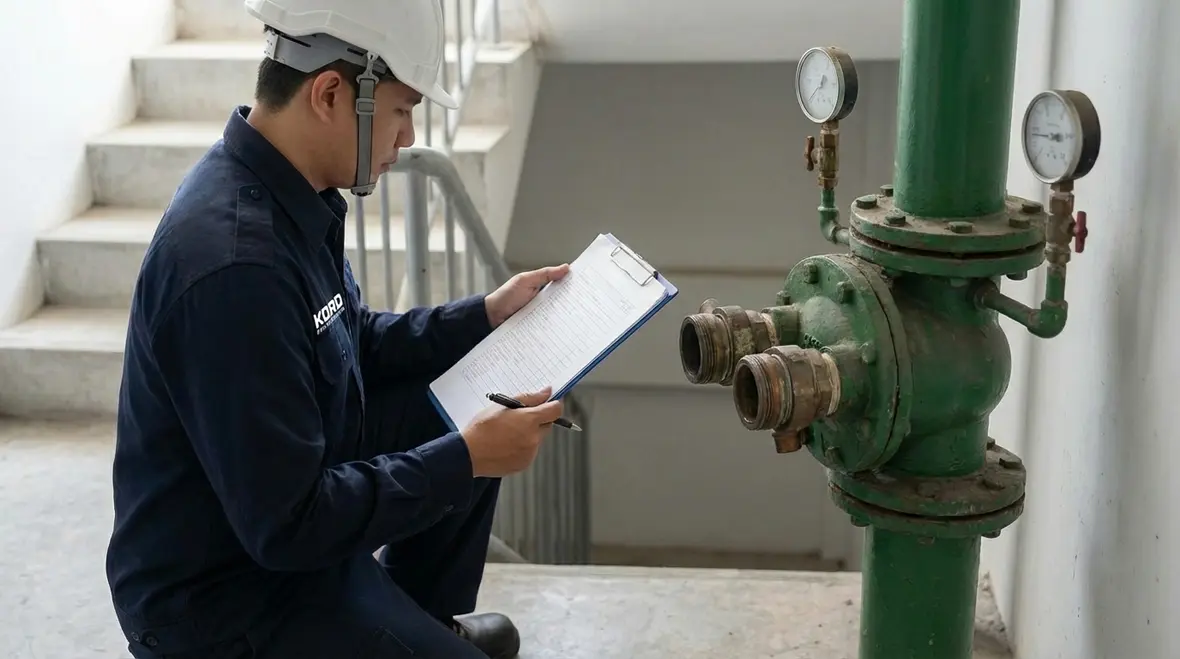
The Purpose Behind a Standpipe System Inspection Checklist
Standpipe systems are not decorative plumbing. They are active firefighting tools designed to deliver water quickly inside multi story buildings. Therefore, inspections ensure that water flows where it should, at the pressure it should, when it is needed most.
A professional standpipe system inspection checklist provides structure. Instead of relying on memory or guesswork, technicians follow a detailed sequence. As a result, no valve is skipped and no gauge is ignored. Kord Fire Protection technicians often explain it this way: a checklist is like a pilot’s preflight routine. Even if you have flown a thousand times, you still check the wings. No one wants surprises at thirty thousand feet. The same logic applies to fire protection.
Moreover, inspections support compliance with national and local fire codes. Authorities expect documented proof that systems are tested at required intervals. Consequently, the checklist becomes both a safety tool and a legal safeguard.
For properties that rely heavily on standpipes, pairing this checklist with a broader standpipe system Class I-II-III service ensures that design, installation, and testing all align with current code expectations, not just what was on the drawings years ago.
What Is Actually Tested During a Standpipe Inspection?
This is the question most building owners ask, and rightly so. After all, if someone is turning valves and flowing water, it helps to know what is happening.
During a standard inspection, technicians evaluate:
Control Valves
Technicians verify that all control valves remain in the correct position. Additionally, they check for physical damage, leaks, or tampering. If a valve is closed or partially closed, water flow could be restricted during a fire. That is not the kind of plot twist anyone wants.
Pressure Gauges
Gauges are examined for accuracy and visible damage. Furthermore, readings are compared to expected pressure ranges. If pressure appears too low or too high, technicians investigate the cause rather than guessing.
Hose Connections
Fire department hose outlets are inspected for thread condition, caps, and gaskets. Consequently, responders can connect quickly without fighting damaged fittings. In an emergency, every second matters.
Hydrostatic Testing
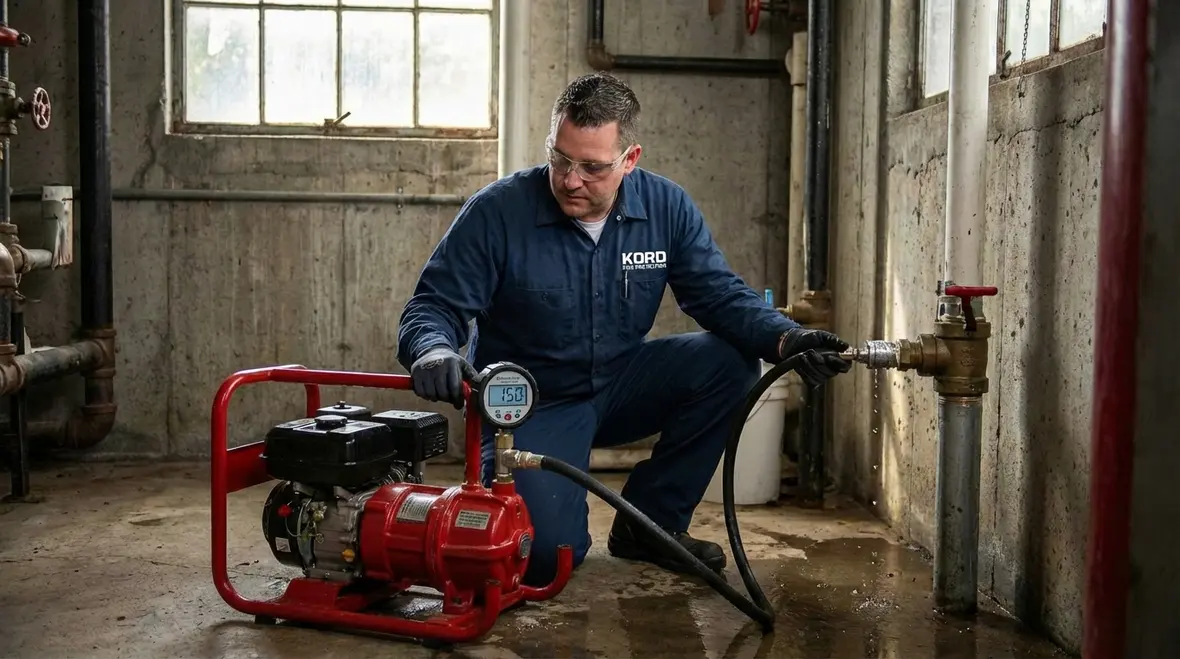
At required intervals, piping undergoes hydrostatic testing. This process evaluates the integrity of the pipes under pressure. If leaks appear, repairs are addressed before the system fails under real world conditions.
Flow Tests
Flow testing confirms that water moves through the system at the required rate. Kord Fire Protection technicians measure pressure and volume during these tests. As they often explain, water that does not move is just very confident plumbing.

Inside the Documentation Process: How Findings Are Recorded
Inspection without documentation is like going to the gym and not telling anyone about it. Technically it happened, but there is no proof. Therefore, documentation stands as a critical part of the standpipe system inspection checklist.
Technicians record:
- Date and time of inspection
- Name and certification of the technician
- Specific components tested
- Pressure readings and flow data
- Deficiencies or corrective actions
- Recommendations for repairs or follow up
Additionally, photographs may be attached to reports for clarity. Digital reporting platforms allow building owners to access inspection records quickly. Consequently, when an auditor or fire marshal requests documentation, it is readily available.
Kord Fire Protection technicians take time to walk clients through the report. Instead of handing over a stack of papers filled with codes and numbers, they explain each section in plain language. Because of this approach, property managers understand both the problem and the solution.
Annual, Five Year, and Routine Checks Explained Clearly
Routine Visual Inspections
These checks occur regularly and focus on visible components. Technicians confirm valve positions, inspect cabinets, and ensure accessibility. Consequently, obvious issues are caught early.
Annual Inspections
Each year, a more detailed review takes place. This includes valve operation, alarm device checks if connected, and visual piping assessment. Annual inspections often form the backbone of a building’s compliance program.
Five Year Hydrostatic Testing
Every five years, standpipe systems typically undergo hydrostatic testing. During this process, the system is pressurized above normal operating levels to verify strength and integrity. Although it sounds intense, it is controlled and carefully monitored.
By following a structured standpipe system inspection checklist, technicians ensure each interval requirement is satisfied. As a result, building owners avoid penalties and reduce risk.
In Los Angeles and similar jurisdictions, many of these intervals tie directly into Regulation 4 Class 1 standpipe testing, Class 2 standpipe testing, and Class 3 standpipe inspections, making documentation and scheduling even more important for compliance.
Dual Column Overview: What’s Tested and How It’s Documented
Inspection Component
Control Valves
Pressure Gauges
Hose Connections
Flow Testing
Hydrostatic Testing
System Obstructions
How It Is Documented
Valve position noted, condition recorded, deficiencies listed
PSI readings logged, comparison to normal range documented
Thread condition described, photos attached if damaged
Flow rate and residual pressure entered into report
Test pressure, duration, and pass or fail result recorded
Findings detailed with recommended corrective steps
This side by side approach clarifies how each mechanical action connects directly to written proof. Therefore, nothing is left to assumption.
Common Deficiencies Found During Inspections
Even well maintained systems can develop issues over time. However, most deficiencies are preventable when caught early.
Technicians frequently encounter partially closed valves. Sometimes this happens after maintenance work. Other times, it is simple human error. Additionally, corrosion inside piping may restrict water flow. In older buildings, outdated components may no longer meet current standards.
Improper signage also appears more often than expected. Fire department connections must remain clearly marked and accessible. Yet occasionally they are hidden behind landscaping or, in one memorable case, patio furniture. While creativity is admirable, it does not belong in front of fire connections.
Kord Fire Protection technicians explain each deficiency with calm authority. Rather than causing alarm, they provide solutions. Consequently, property managers can plan repairs logically and budget wisely.
How Building Owners Benefit from a Structured Inspection Program
Beyond compliance, a thorough inspection program provides real operational value. First, it reduces liability. Documented inspections demonstrate due diligence. Second, it protects occupants by ensuring reliable water delivery during emergencies.
Moreover, early detection of problems lowers long term repair costs. Fixing a small leak costs far less than replacing a failed section of pipe. Therefore, consistent evaluations save money over time.
A well maintained system also builds confidence. Tenants feel safer. Insurance carriers look favorably on documented compliance. And when fire officials conduct visits, organized records create smooth interactions.
By adhering to a dependable standpipe system inspection checklist, facilities move from reactive maintenance to proactive protection. That shift makes all the difference.
How Kord Fire Protection Technicians Make the Process Clear
Technical language can feel overwhelming. However, Kord Fire Protection technicians approach inspections with patience and clarity. They explain what they are testing before they begin. Then, they describe what the numbers mean once readings are taken.
If a pressure gauge reads outside normal range, they outline possible causes and next steps. If hydrostatic testing is scheduled, they review the procedure in advance so building operations are not disrupted unexpectedly. Consequently, clients remain informed at every stage.
Their style blends authority with approachability. Think seasoned professor meets trusted neighbor. There is expertise, yet there is also reassurance. Fire protection may be serious business, but communication does not need to feel intimidating.
FAQ: Standpipe System Inspections
Conclusion: Protect What Matters Most
A reliable standpipe system does not happen by accident. It results from careful testing, clear documentation, and skilled professionals who take their work seriously. Kord Fire Protection technicians follow a disciplined process that keeps buildings compliant and people safe. Schedule a comprehensive inspection today, review your documentation, and ensure your system stands ready when it matters most. Because when safety calls, preparation should already be in place.
To take the next step, connect your checklist with a tailored service plan. Explore Kord Fire’s dedicated standpipe system Class I-II-III services to align inspections, repairs, and upgrades under one roof, or reach out directly through the contact page to schedule your next standpipe system inspection and testing.
Know Your Weapon Before You Fight the Flame
Kord Fire Protection is your go-to when it comes to all things fire protection. For over 20 years, we’ve been serving Southern California with the quality service and equipment to keep your home or business safe at all times. Our competitive prices reflect our unwavering commitment to protecting what matters most in the event of a fire emergency. Give us a call, send an email, or use that form!

Join Our Newsletter!
Get the latest fire safety tips delivered straight to your inbox From our Newsletter.


