NFPA 25 Annex C Fire Pump Troubleshooting Causes and Follow Up
Quick Answer: NFPA 25 Annex C helps facilities spot the common causes of fire pump trouble before a real emergency turns into a very expensive surprise. It points to issues like weak suction, power problems, worn parts, and poor upkeep. With the right service follow up, teams can keep systems ready, reduce downtime, and protect people, property, and business continuity.
For facilities that want a stronger service framework around life safety equipment, Kord Fire Protection supports dependable fire pump services that fit naturally into planned maintenance, inspections, and corrective follow up.
Why fire pump troubleshooting NFPA 25 Annex C matters for busy facilities
In industrial, retail, commercial, and large facility settings, fire pump reliability is not a nice to have. It is part of the building’s safety backbone. Fire pump troubleshooting NFPA 25 Annex C gives maintenance teams a practical way to trace problems, find likely causes, and act before the pump fails during an emergency. The annex does not just list faults. It helps teams think in a clear order, which matters when alarms are sounding and everyone wants answers yesterday.
Annex C becomes even more useful when the facility treats it as a follow up tool, not just a reference sheet. That means checking the system after tests, looking at patterns, and recording what changed. In other words, it helps people stop playing detective with a fire pump at the worst possible time. It also fits naturally with broader maintenance planning, especially for teams already working through the bigger picture in NFPA 25 water-based fire protection system maintenance.
What Annex C is really pointing to
NFPA 25 Annex C is a guidance section that supports inspection, testing, and maintenance work. It helps explain why a fire pump may not start, may not reach pressure, or may run but still fail to deliver the flow a system needs. The annex is especially useful because many fire pump issues look similar at first. A noisy pump might seem like a motor fault, but it could just as easily be air in the suction line or a closed valve. Classic case of “the villain was not who they first thought.”
Common causes that usually sit behind the trouble
- Low suction pressure or blocked suction supply
- Air leaks in suction piping
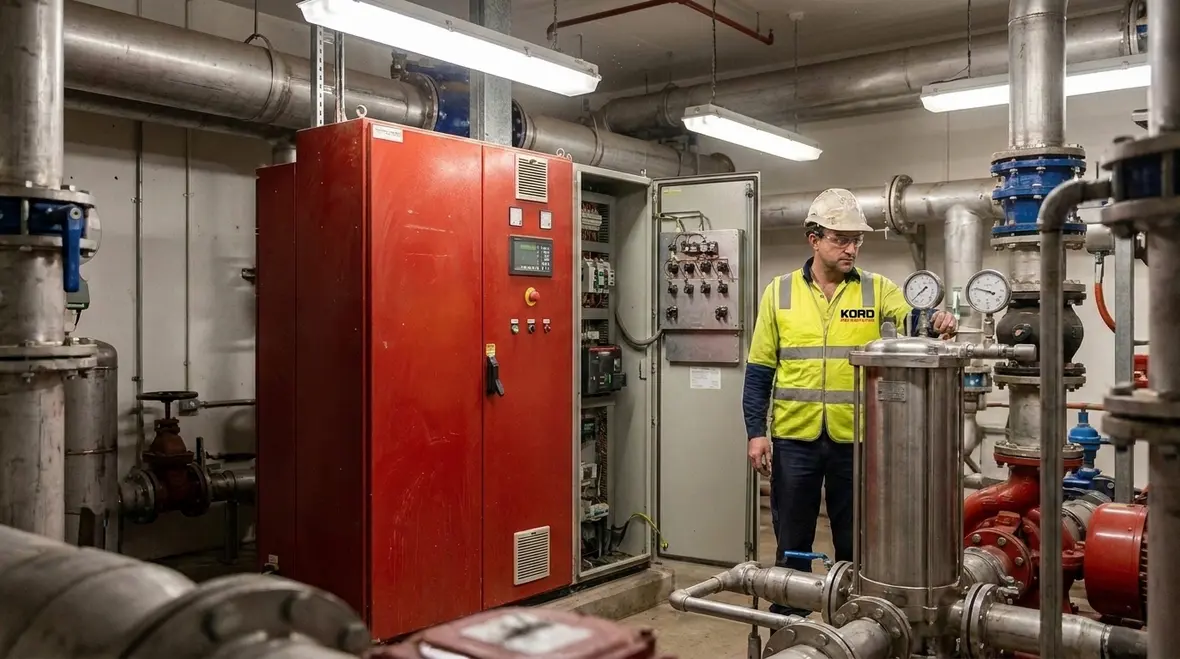
- Electrical faults or weak power supply
- Diesel engine starting problems
- Worn impellers, bearings, or seals
- Closed, partially closed, or damaged valves
- Control panel or controller failure
- Inadequate maintenance after previous testing
Each one of these can affect readiness in a different way. Some faults stop the pump from starting at all. Others let it start but keep it from delivering the performance the system actually needs. That is why Annex C works best as a structured thinking tool rather than a quick glance list. It helps teams connect symptoms, possible causes, and the next logical check before anyone starts replacing parts just to feel productive.
How to spot the first signs of fire pump trouble
The best time to find a fault is before the monthly test becomes a full scale drama. Facility teams should watch for changes in sound, vibration, pressure, and start up time. If a pump takes longer to start, struggles to hold pressure, or cycles in a strange way, it may be hinting at deeper trouble.
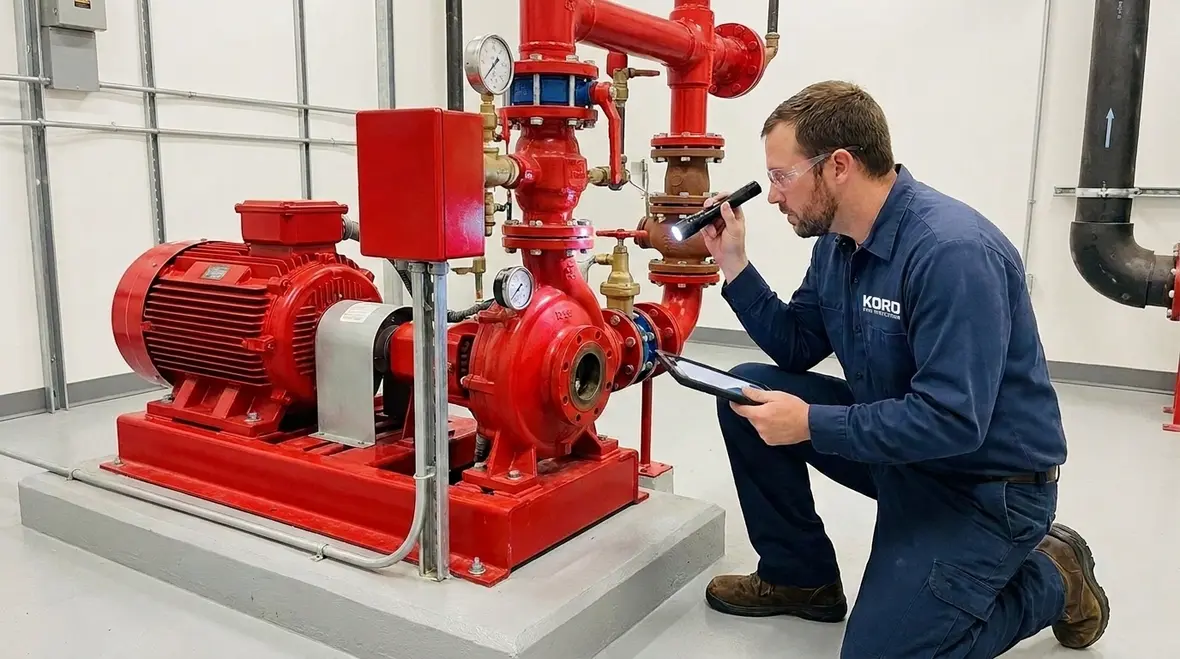
For electric pumps, warning signs often include tripped breakers, motor overheating, unstable voltage, or controller alarms. For diesel pumps, poor battery condition, fuel contamination, weak cranking, and coolant issues often show up first. Meanwhile, on the hydraulic side, low discharge pressure, unstable flow, or excessive vibration can point to suction problems or internal wear.
Because these clues can overlap, teams should not guess. Instead, they should document the symptoms, compare them with past test records, and move through a proper investigation. That approach saves time, money, and a fair bit of stress. It also makes follow up work more accurate because the technician is not walking in blind. A clear log of alarms, pressure changes, engine behavior, and controller status often says more than a rushed verbal summary ever will.
Early clues that deserve fast attention
- Start delays or repeated failed starts
- Pressure readings that drift below expected levels
- Excessive noise, heat, or vibration during tests
- Controller alarms that clear and then come right back
- Signs of air, cavitation, or inconsistent water delivery
- Battery, charger, or fuel issues on diesel units
Dual columns: causes on one side, service follow up on the other
Common cause
- Low suction supply
- Air leaks
- Electrical fault
- Diesel start issue
- Worn internal parts
- Poor maintenance history
Smart service follow up
- Check water source, strainers, valves, and suction line condition
- Inspect joints, fittings, and pipe seals for loss of prime or cavitation signs
- Test power quality, breaker condition, wiring, and controller settings
- Inspect batteries, fuel, starter, and engine service condition
- Review pump performance data and arrange repair or replacement
- Refresh service records and set a tighter inspection plan
This side by side view is where Annex C shines. It helps teams move from “something seems off” to “here is the most likely cause and here is the next responsible step.” That may not sound glamorous, but in life safety systems, boring and methodical usually beats dramatic and wrong.
What service follow up should include after a fault
Once a fault appears, the follow up should move fast but stay methodical. First, the technician should confirm the issue with testing. Then, they should isolate the root cause, not just the symptom. That distinction matters. Replacing a relay may restore operation, but if the real issue is a supply fault or poor alignment, the problem will return like a sequel nobody asked for.
A strong follow up plan usually includes
- Detailed fault recording with test results
- Review of recent inspection and maintenance history
- Pressure and flow checks against expected performance
- Electrical or engine diagnostics
- Corrective repairs with re testing after work is complete
- Updated service notes for future reference
This process also helps facility managers prove compliance and track patterns over time. If one pump keeps losing pressure every quarter, that is not bad luck. That is a clue. Good follow up turns recurring trouble into useful evidence, and useful evidence leads to better decisions about repair timing, replacement planning, and staffing priorities.
Teams that already rely on controller-specific diagnostics may also benefit from related guidance such as fire pump controller troubleshooting for faults, especially when the symptoms keep pointing back to panel alarms, sensor readings, or start logic issues.
Why Kord Fire Protection can become a vital partner
For many facilities, Kord Fire Protection can become a vital partner in this work because fire pump service needs both technical skill and fast response. A trusted specialist can help with inspection, troubleshooting, repair coordination, and follow up testing. That support reduces confusion and helps keep critical fire protection systems in service.
More importantly, Kord Fire Protection can help facilities move from reactive fixes to planned maintenance. That means fewer surprise breakdowns, better record keeping, and stronger readiness across sites. In busy commercial and industrial operations, that kind of support is worth its weight in gold, or at least in very calm nights and fewer emergency calls.
How facilities can build a stronger maintenance routine
Annex C works best when it sits inside a wider service plan. Facilities should schedule regular testing, review pump performance trends, and make sure staff know who to call when readings drift. They should also check that valves stay in the correct position, suction sources stay reliable, and controllers remain in good condition.
It also helps to keep a simple record of each test, repair, and follow up action. Over time, that record becomes a map. It shows what keeps failing, what has improved, and where investment should go next. In a large site, that is far better than relying on memory, which, as everyone knows, loves to take long holidays.
A stronger routine does not need to be flashy. It needs to be consistent. Monthly observations, documented test results, and disciplined corrective action are what keep minor issues from turning into major failures. If the team can spot drift early, confirm the cause, and fix it properly, the fire pump stays what it is supposed to be: ready, reliable, and not auditioning for chaos.
FAQ: Fire pump troubleshooting NFPA 25 Annex C
Keep the pump ready before trouble finds it
Fire pump problems rarely improve on their own. With fire pump troubleshooting NFPA 25 Annex C as a guide, facilities can spot issues early, act with purpose, and keep critical systems ready. The value is not only in finding the fault. It is in building a repeatable process that makes the next problem easier to solve and less disruptive to the site.
For teams that want a steady, capable partner, Kord Fire Protection can help turn maintenance into confidence. And in this business, confidence is not just comforting. It is operationally smart. When the system is maintained with discipline and followed up properly after every issue, the pump stays ready before trouble ever gets the chance to introduce itself.

Join Our Newsletter!
Get the latest fire safety tips delivered straight to your inbox From our Newsletter.