
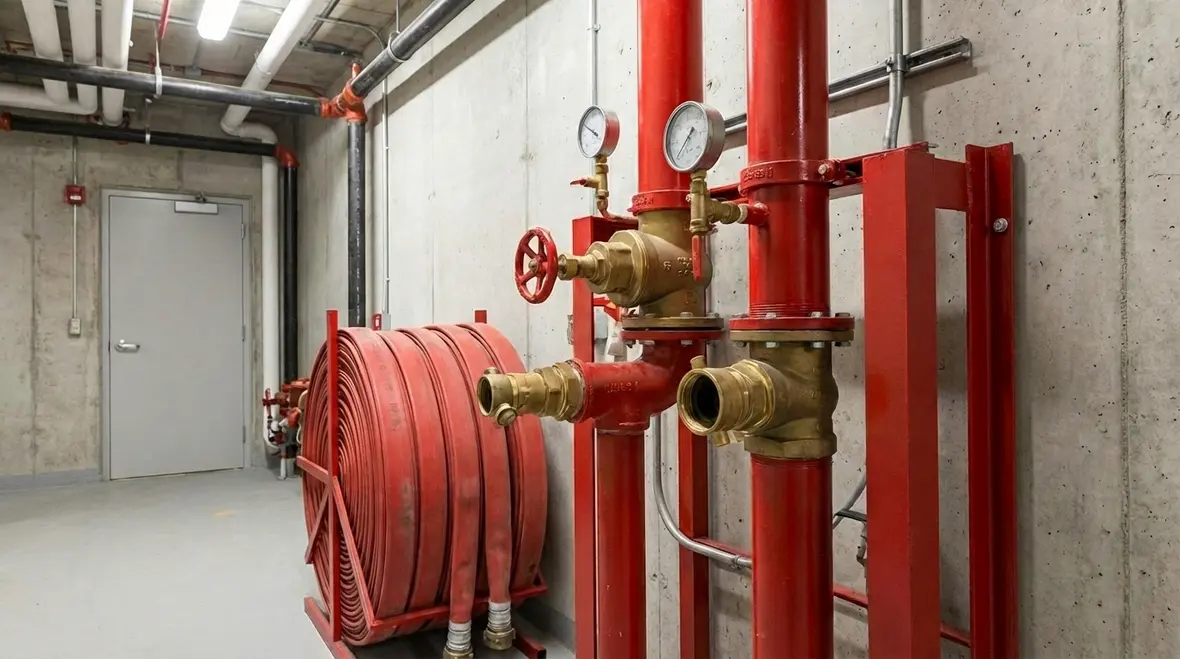
Standpipe Class I II III Explained Clearly
In commercial buildings across the country, few systems are as quietly important as the standpipe system. Yet when someone hears the phrase standpipe class i ii iii, eyes tend to glaze over faster than a donut at a morning safety meeting. The truth is simple. These classes define who uses the system, what equipment connects to it, and how water reaches a fire in time. Kord Fire Protection technicians often explain it this way. Think of it as three levels of access to the same life saving water supply. In the sections ahead, the differences become clear, practical, and even a little interesting.
Understanding Standpipe Class I II III Without the Headache
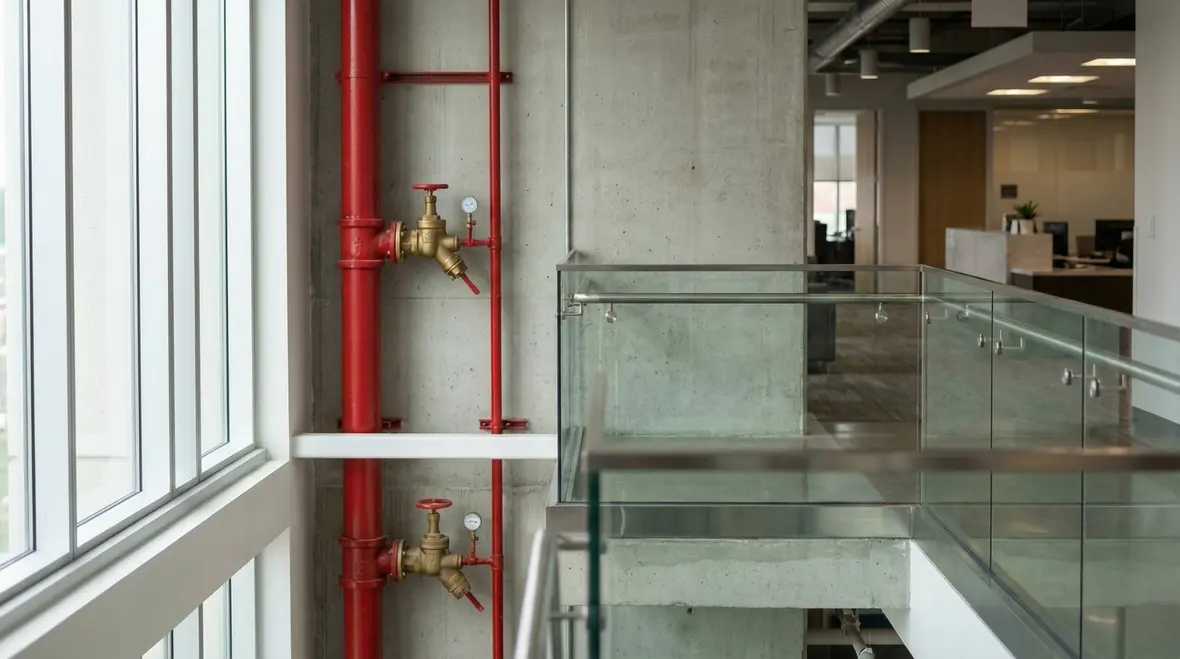
First, a standpipe system is a network of pipes installed vertically through a building. It allows firefighters or trained personnel to connect hoses on various floors. As a result, they do not need to drag heavy hose lines up stairwells. The system delivers water where it is needed, fast.
Now, the three classes define who can use the connection and what hose equipment is provided.
- Class I systems are designed for fire departments. They provide a 2.5 inch hose connection. Firefighters bring their own hoses and connect directly to the outlet.
- Class II systems are intended for trained building occupants. They include a 1.5 inch hose that is already attached and ready for use.
- Class III systems combine both. They include 2.5 inch connections for firefighters and 1.5 inch hoses for occupants.
That is it. No secret handshake. No decoder ring. Just three categories based on who uses the system and what equipment is available.
However, each class carries design and safety implications. Therefore, understanding the differences helps building owners stay compliant and prepared.
If you want to go one level deeper into how standpipes fit into broader fire protection strategies, Kord Fire’s overview of Los Angeles standpipe system requirements for high rise buildings offers helpful real world context.
What Is a Class I Standpipe System Used For
Professional grade water delivery for firefighters
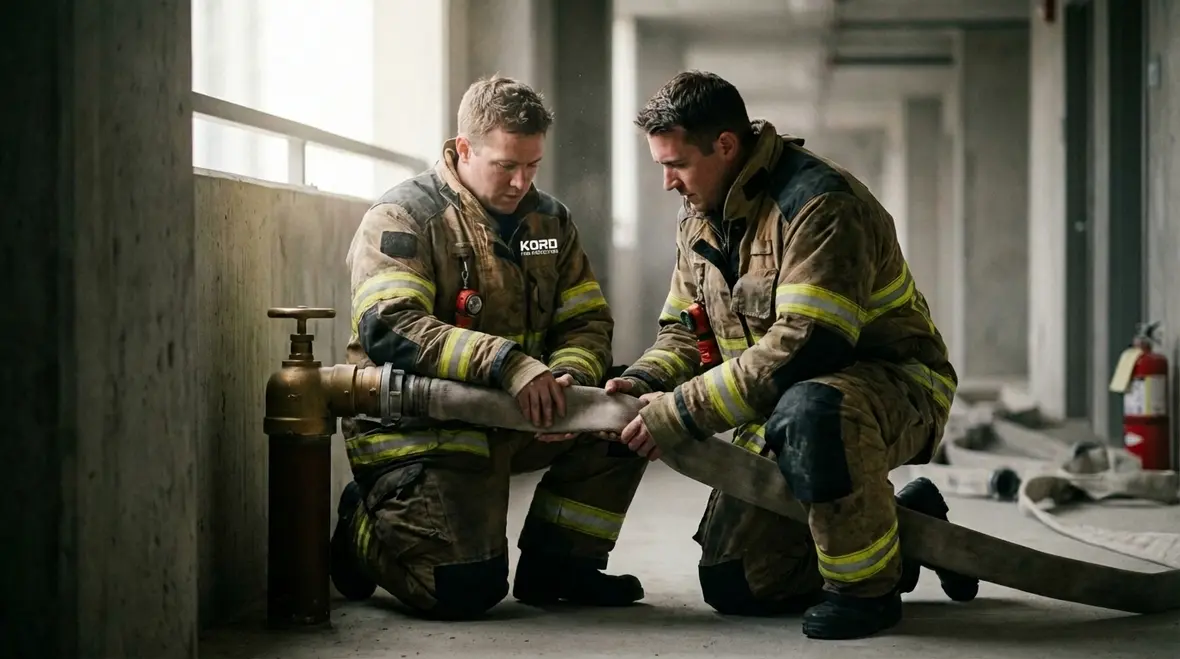
A Class I standpipe system serves one main group. Firefighters. It is installed in high rise buildings, large warehouses, parking structures, and other properties where fires could grow quickly.
Because firefighters bring their own hoses, Class I systems provide 2.5 inch hose connections at designated floor levels. These outlets deliver high water flow. In turn, crews can attack large fires with serious force.
Kord Fire Protection technicians often describe Class I as the professional grade setup. It assumes trained responders will handle the situation. As a result, the building does not rely on untrained occupants to fight flames.
Design, pressure, and flow expectations
Additionally, Class I systems must meet strict pressure and flow requirements. Designers calculate how much water the highest outlet must supply. They also account for friction loss, elevation, and pump capacity. Consequently, proper installation and testing become critical.
In short, Class I stands ready for the cavalry. When the fire department arrives, the connection waits for them like a well rehearsed stage cue.
In many buildings, those standpipes tie directly into fire pump systems that must follow NFPA 20. For a deeper look at how pump design and installation support standpipe performance, explore Kord Fire’s guide to NFPA 20 fire pump requirements.
Class II Systems Explained in Plain English
Early response for trained occupants
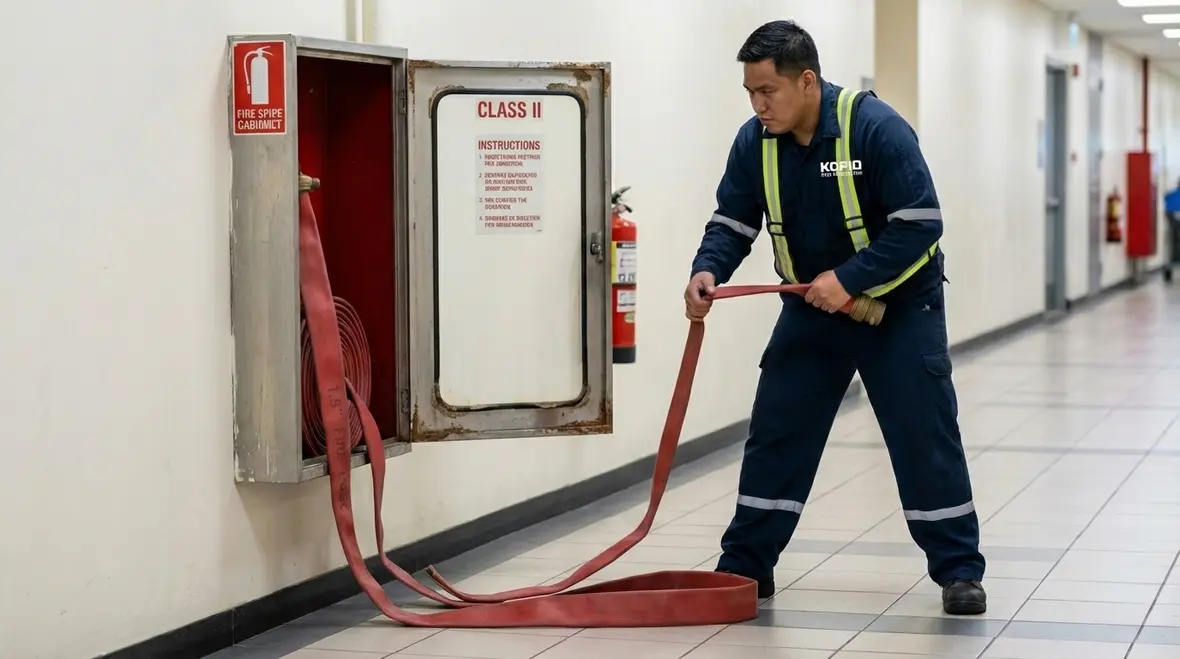
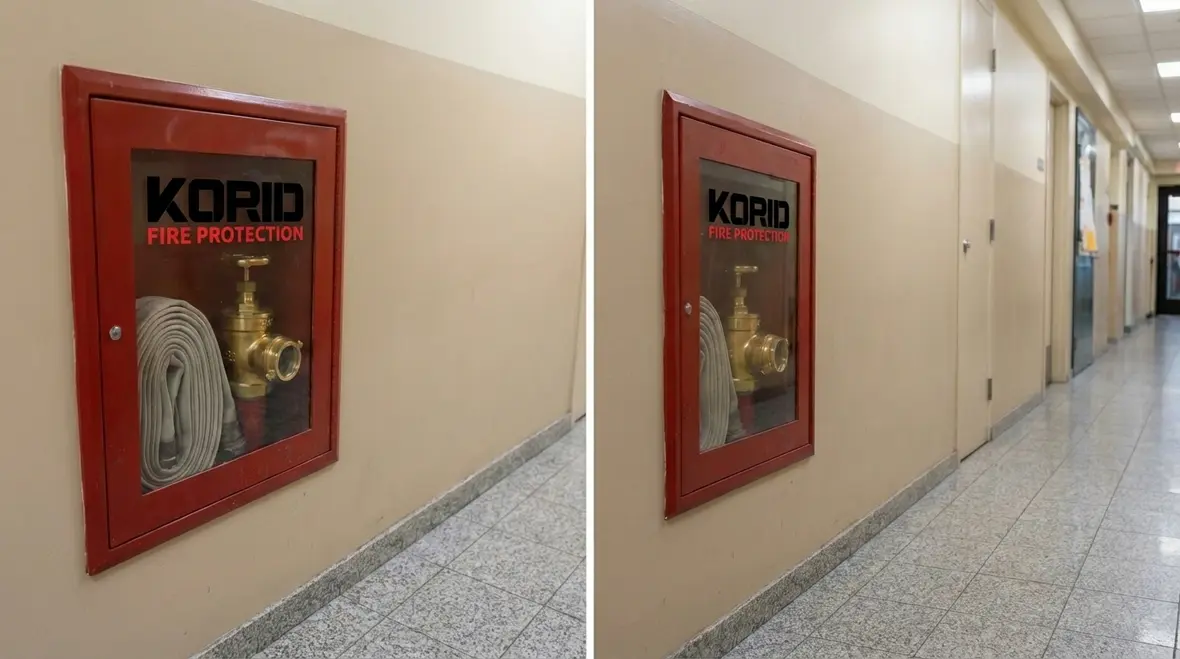
Class II systems focus on early response. They include a 1.5 inch hose rack or reel connected to the standpipe. The idea is simple. Trained building staff can use the hose to control a small fire before it spreads.
The reality of using a 1.5 inch hose
However, there is a catch. Using a fire hose requires strength and training. It is not quite as easy as watering the lawn on a Sunday afternoon. Therefore, many modern codes favor other suppression methods, such as automatic sprinklers, over relying on occupants.
Even so, some facilities still use Class II systems. In these buildings, staff receive instruction on how to operate the hose safely. Kord Fire Protection technicians emphasize routine inspection. A hose cabinet that looks impressive but leaks or tangles under pressure does no one any favors.
Performance, code standards, and maintenance
Because Class II systems are designed for smaller scale response, their flow requirements differ from Class I. Yet they still must meet code standards for pressure and accessibility. As always, proper maintenance separates a reliable system from a decorative wall feature.
How Class III Combines the Best of Both
Hybrid protection for complex properties
Class III systems offer flexibility. They include both 1.5 inch hoses for occupants and 2.5 inch connections for firefighters. In other words, they prepare for early intervention and professional response.
This hybrid design often appears in larger commercial buildings, campuses, and mixed use properties. For example, a hospital may want staff to manage a small incident quickly while still supporting fire department operations if the situation escalates.
Designing for both occupants and firefighters
Because Class III covers both user groups, the design must satisfy the higher performance demands. Water supply calculations account for firefighter use. At the same time, hose cabinets must remain accessible and functional for trained staff.
Kord Fire Protection technicians explain Class III as the multitool of standpipe systems. It does more than one job. Nevertheless, like any multitool, it works best when each component receives proper inspection and testing.
Quick Comparison of Standpipe Classes
For those who prefer a side by side view, the distinctions become even clearer.
Standpipe Class Comparison
Class I
Intended Users: Fire department personnel
Hose Size at Outlet: 2.5 inch connection
Hose Provided by Building: No
Common Locations: High rise buildings, large commercial structures
Class II
Intended Users: Trained building occupants
Hose Size at Outlet: 1.5 inch hose rack or reel
Hose Provided by Building: Yes
Common Locations: Older commercial buildings, select facilities with trained staff
Class III
Intended Users: Both occupants and firefighters
Hose Size at Outlet: 1.5 inch hose and 2.5 inch connection
Hose Provided by Building: Yes for 1.5 inch, No for 2.5 inch
Common Locations: Large or complex properties requiring flexibility
Although the equipment differs, all three fall under the broader category of standpipe systems. Therefore, inspections, flow testing, and maintenance remain essential across the board.
Why the Right Classification Matters for Safety and Code Compliance
More than a paperwork exercise
Choosing the correct system is not just a paperwork exercise. It directly affects life safety and legal compliance.
How codes and insurance view standpipes
Building codes specify when a standpipe system is required and which class applies. Factors include building height, occupancy type, floor area, and sprinkler coverage. Consequently, installing the wrong class can lead to failed inspections, costly retrofits, or worse, limited fire response capability.
Furthermore, insurance carriers often review fire protection features. A properly designed and maintained system may support favorable underwriting decisions. On the other hand, neglected equipment can raise red flags faster than a villain monologue in a superhero film.
The role Kord Fire technicians play
Kord Fire Protection technicians work closely with property managers, contractors, and inspectors. They translate code language into practical steps. More importantly, they verify that water pressure, valve condition, and hose connections meet current standards.
Because emergencies rarely offer second chances, accuracy matters. The right classification ensures that when someone opens a valve, water flows at the expected rate and pressure. No surprises. No awkward silence.
How Kord Fire Protection Technicians Break It Down for Building Owners
From walk through to action plan
Fire codes can read like a foreign language. Therefore, experienced technicians play a key role in education.
When Kord Fire Protection technicians walk a property, they start with the basics. They identify the installed standpipe class i ii iii configuration. Next, they confirm outlet locations, signage, and accessibility. After that, they evaluate valves, gauges, and pressure reducing devices.
However, they do not stop at hardware. They also ask practical questions. Who is expected to use this system. Has staff received training. When was the last flow test performed. These conversations turn a static system into an active safety plan.
Keeping explanations simple and actionable
Additionally, technicians explain findings in clear language. Instead of reciting code sections, they might say, This outlet needs adjustment so firefighters get the pressure they expect on the top floor. Simple. Direct. Actionable.
As a result, building owners gain confidence. They understand not just what they have installed, but why it matters.
Common Misconceptions About Standpipe Class I II III
Myth busting for property managers
- Myth one. All standpipes are the same.
In reality, the class defines user access and equipment. A Class I system does not replace a Class II, and vice versa. - Myth two. If the building has sprinklers, standpipes are unnecessary.
Although sprinklers control many fires, standpipes support manual firefighting operations. Codes often require both in taller buildings. - Myth three. Once installed, the system takes care of itself.
Like any mechanical system, standpipes require inspection and testing. Valves can seize. Gauges can fail. Pressure can drift. Regular service keeps everything ready.
By addressing these misconceptions, property managers avoid a false sense of security. After all, a fire emergency is a poor time to discover assumptions were wrong.
FAQ About Standpipe Systems
Conclusion: Clarity Today, Protection Tomorrow
Understanding standpipe classes should not feel like studying for a final exam in fire science. When building owners grasp the difference between Class I, II, and III, they make smarter safety decisions. Kord Fire Protection technicians stand ready to explain, inspect, and ensure every valve and connection performs as intended.
Schedule a professional evaluation today, and let confidence replace confusion before the next alarm ever sounds. To see how standpipe service fits into full fire protection support where you operate, explore Kord Fire’s regional service pages, such as their Orange County fire protection services or Riverside County fire protection offerings, and ask specifically about Standpipe System Class I-II-III inspections and testing.
Know Your Weapon Before You Fight the Flame
Kord Fire Protection is your go-to when it comes to all things fire protection. For over 20 years, we’ve been serving Southern California with the quality service and equipment to keep your home or business safe at all times. Our competitive prices reflect our unwavering commitment to protecting what matters most in the event of a fire emergency. Give us a call, send an email, or use that form!

Join Our Newsletter!
Get the latest fire safety tips delivered straight to your inbox From our Newsletter.


