Fire Alarm System Upgrades When to Modernize in Australia
Quick answer: Commercial fire alarm systems should be upgraded when hardware ages, codes change, inspection history shows repeated faults, or the building’s risk profile shifts. Most importantly, companies should plan upgrades before failures force emergency work. Kord Fire Protection can guide the timeline, scope, and integration so downtime stays low.
In Australia, industrial sites, retail centers, and multi use facilities rarely get the luxury of “we’ll fix it later.” And yet, many businesses still treat fire alarm system upgrades like a future problem. The truth is simpler and calmer: the earlier an organization modernizes its system infrastructure, the fewer distractions it creates for operations. Kord Fire Protection helps make that modernization a real, managed service, not a stressful scramble. For businesses reviewing broader compliance and system coordination, Kord Fire Protection’s full fire protection services offer a practical starting point near the top of the conversation. In the sections below, third party decision makers will find clear signals for when to upgrade, how to plan, what to document, and how to keep compliance steady as the building evolves.
When the system shows age, don’t wait for drama
Every fire alarm panel has a lifespan, and it shows up in small ways before anyone labels it “an emergency.” Over time, components drift out of tolerance, batteries stop holding charge properly, and maintenance teams spend more time resetting than inspecting. Fire alarm system upgrades become less about replacing gear and more about protecting people and business continuity. In other words, it turns a recurring nuisance into a clean, controlled fix.
Common age related signs include frequent trouble signals, difficulty finding replacement parts, and panel software that no longer supports current device types. If technicians keep describing the system as “quirky,” that’s not charming. It’s a warning. Additionally, if the system fails self tests or struggles during simulated alarms, the building’s detection and alerting functions lose reliability. That is exactly the moment upgrade planning should move from “someday” to “soon.”
In the background, there is also the cost of delay. Because delays often lead to last minute callouts, expanded downtime, and rushed installation. As the business grows, this gets louder. Think of it like holding off on a retune for a forklift engine. It still runs, until it suddenly doesn’t, and then everyone acts surprised.
Why aging hardware quietly becomes an operations issue
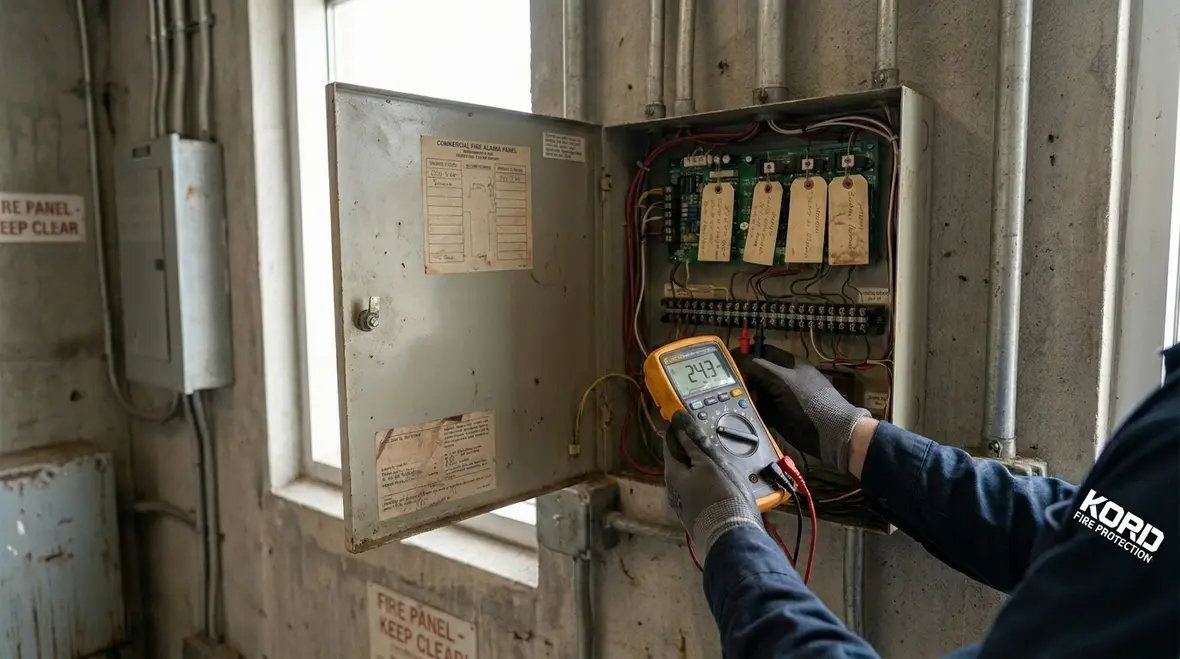
Older alarm systems rarely fail with cinematic timing. They usually fail by nibbling away at confidence. One week it is a random trouble condition. The next week someone cannot source a like for like part. Then the panel needs another reset, another service note, another explanation to management. Before long, the site is spending more energy accommodating the system than benefiting from it. That is the real tax of outdated infrastructure. It steals attention from the work the building is actually there to do.
What triggers upgrades when regulations shift
Code changes can feel like they arrive with no warning, but facility compliance teams typically see them in inspections, audit notes, and guidance from certification bodies. When standards evolve, older systems may still operate, yet they might not meet updated expectations for device placement, signalling methods, or documentation requirements. Then, upgrade decisions become part of staying safe and part of staying sane.
For many commercial properties across Australia, the trigger is not one single line in a regulation. Instead, it appears as a pattern: inspectors request new evidence, test procedures change, or existing wiring layouts no longer align with best practice. When that happens, fire alarm system upgrades can ensure that the system supports the current compliance framework. Kord Fire Protection often steps in as a partner because it helps organizations interpret requirements and translate them into a practical scope.
Importantly, a well planned update also improves future inspection outcomes. It reduces the chance of repeated corrective actions that drain time and budgets. And it supports staff confidence, because operators know the system works the way it should.
Documentation changes matter more than people expect
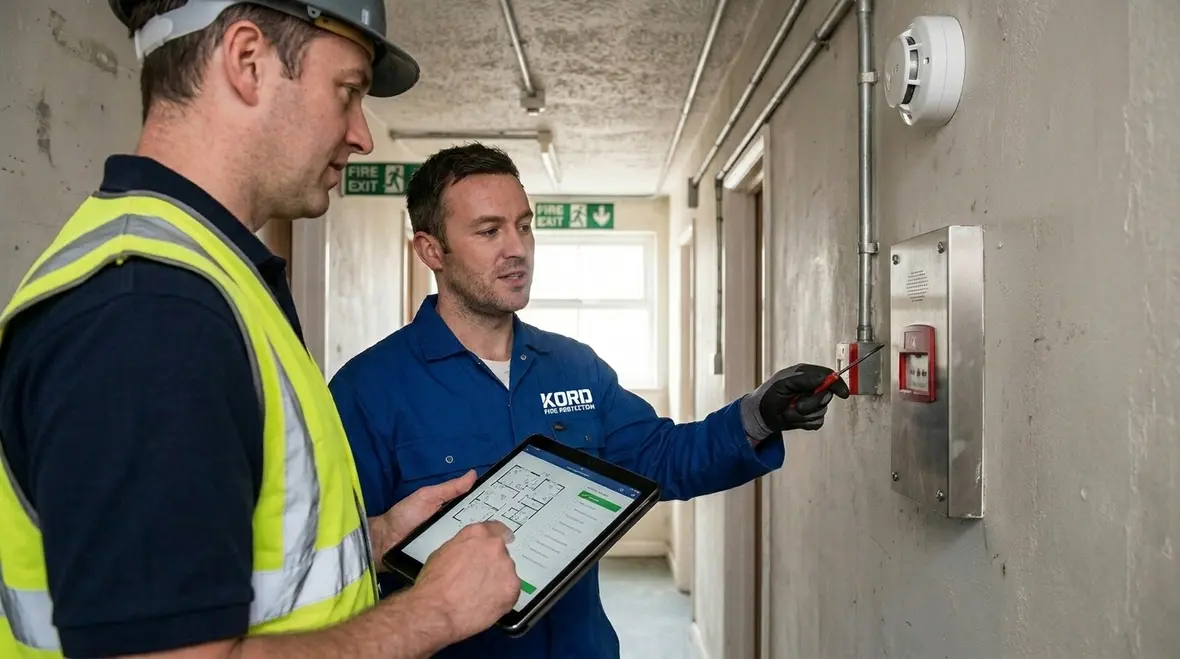
One of the least glamorous reasons for modernization is paperwork, and unfortunately paperwork still counts. Updated systems make it easier to maintain records, device schedules, commissioning notes, and test histories that actually match what is installed. That means fewer awkward moments during inspections where everyone stares at a drawing from another decade and pretends it still tells the truth.
How building changes force a new risk profile
Commercial infrastructure rarely stays still. A warehouse becomes a distribution hub. A retail floor gets renovated into a new tenant layout. Offices expand, plant rooms move, or extra storage gets added. Even a change in how a facility uses a space can shift fire load, ignition sources, and evacuation routes. That is where upgrade planning earns its keep.
If the building layout changes, the detection strategy often needs to change too. New rooms, ceiling heights, partition types, and airflow patterns can affect smoke travel and heat response. Similarly, alerting devices may need repositioning to ensure audibility across the new paths. If the system cannot be reliably extended, the upgrade becomes more than an accessory. It becomes a foundation.
Third person teams should ask a direct question in their planning meetings: does the current system still cover the building as it exists today? If the answer involves caveats like “mostly” or “we think so,” that’s not engineering. It’s hope. Kord Fire Protection can help assess the modified areas and recommend an approach that fits the site, instead of forcing a one size plan.
Expansion plans should influence upgrade scope now
A good upgrade should not just solve today’s headache and schedule tomorrow’s. If a business expects future tenancy changes, plant upgrades, or added storage density, the architecture should allow for expansion without turning the next project into a wiring scavenger hunt. This is where long term thinking pays off. A little planning now prevents a lot of muttering later.
When inspections uncover repeated faults or rising test failures
Inspections often act like a weather report for fire safety. When minor issues turn into repeated trouble reports, the system is sending signals that its reliability is slipping. For instance, there may be nuisance faults from certain detectors, recurring supervision failures on line circuits, or frequent battery replacements. Over time, these problems can hide deeper wiring issues or device aging.
Also, consider what happens during functional testing. If test results keep requiring rework or if the team experiences delays to get approvals, the system is becoming an operational burden. That burden can disrupt shift schedules and create compliance pressure. By upgrading the relevant components, the facility reduces the risk of unpredictable behaviour. It also helps keep inspection cycles smoother.
There is another practical factor: spares. When devices become obsolete, maintenance teams lose the ability to quickly replace components without long lead times. Then, even a small fault can turn into a multi week pause. Upgrading to current compatible hardware protects the facility from that domino effect.
How to plan upgrades without stopping the site
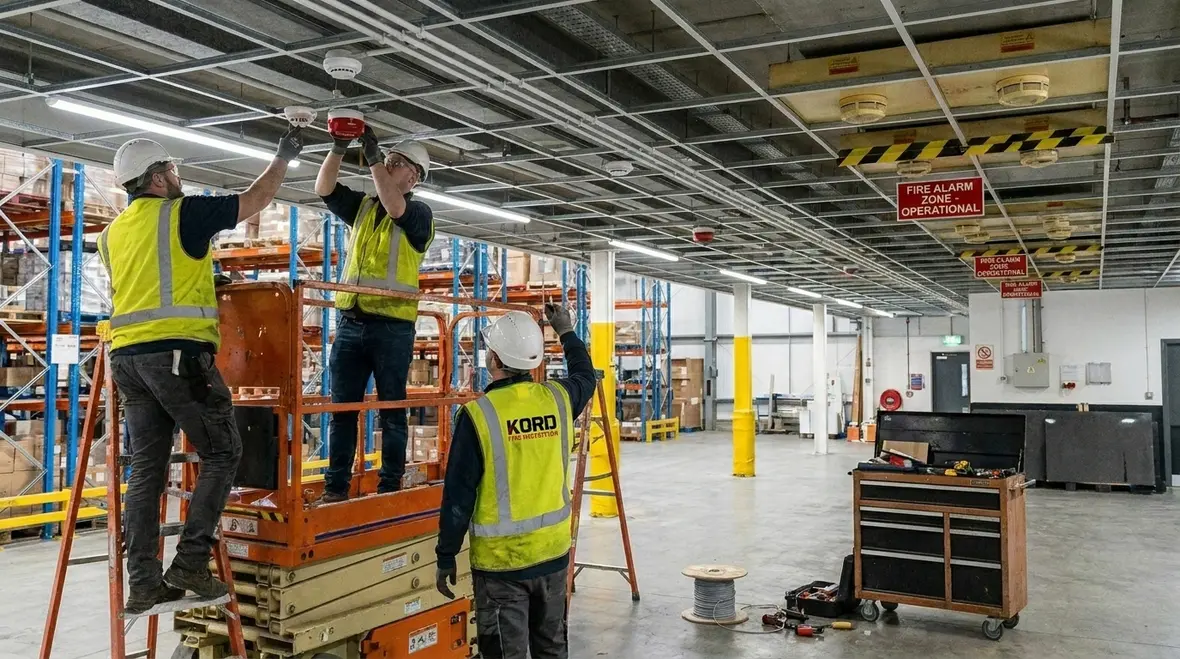
Most industrial and retail environments cannot shut down their operations for long. Therefore, a smart plan uses staged installation, careful scheduling, and clear communication across stakeholders. The goal remains simple: keep the detection and alarm function reliable while the work happens.
First, Kord Fire Protection typically supports a methodical assessment. It identifies what is still performing correctly and what needs replacement. Then, it creates a phased approach that limits downtime. For example, teams might isolate sections for replacement while other zones remain monitored, depending on the site design and required safety arrangements.
Next, the plan should include documentation from day one. Because upgrade projects should not end at the installation. They should include updated drawings, device schedules, test records, and commissioning evidence. That makes future compliance easier and faster. In busy facilities, speed matters, because nobody enjoys chasing paperwork like it is a side quest in a video game.
Finally, training helps. Staff and facility teams should understand what changes, how the panel behaves after updates, and what to report. When staff know what “normal” looks like, they flag true concerns quickly. They do not flood the service desk with false alarms, which is the administrative equivalent of crying wolf.
Interlinking helps teams think beyond one panel
Facilities that are comparing options may also benefit from reading Kord Fire Protection’s article on retrofit vs upgrade fire protection systems, especially when the question is whether to stretch the life of existing equipment or move toward a broader modernization plan. For a more alarm specific perspective, their guide on when to upgrade your commercial fire alarm system also fits naturally into the planning process.
What a modern infrastructure upgrade should include
When decision makers upgrade, they should not focus only on panels. Modernization often involves the whole ecosystem: detectors, call points, sounders, control equipment, power supplies, and communications paths. Each piece supports overall reliability, and each piece must align with current design expectations.
A strong scope also considers future growth. For facilities that plan expansions, the system architecture should allow additional zones, device types, and improved monitoring capabilities. In practical terms, that means less disruption later and fewer “retrofit headaches.”
Another key element is integration. Many commercial sites require coordinated operation with other building systems such as emergency messaging, door release devices, and controlled shutdown sequences. If integration fails, evacuation and response coordination can suffer. So, upgrades should include testing that confirms the system operates as intended under real conditions, not just in the lab.
Finally, quality assurance matters. Proper commissioning, verification, and structured testing reduce the risk of lingering faults after handover. And because Australia’s commercial environments vary across regions and building types, a tailored approach beats a generic checklist every time.
Frequently asked questions
Ready to modernize before the next inspection surprises
When commercial sites manage risk proactively, they avoid last minute emergencies and keep compliance steady. If the system shows age, inspections repeat the same faults, or the building’s use has changed, fire alarm system upgrades should move onto the project plan.
Contact Kord Fire Protection to assess your current infrastructure, design a practical upgrade scope, and schedule work that protects people while keeping your operations running. A calm plan now is still much better than a dramatic surprise later.

Join Our Newsletter!
Get the latest fire safety tips delivered straight to your inbox From our Newsletter.