Fire Suppression Electrical Safety for Activation in Australia
Quick Answer
When a fire suppression system activates, electrical hazards can spike in the blink of an eye. Fire suppression electrical safety focuses on isolating circuits, verifying control power, and preventing accidental energization during alarms, damper actions, and pump start ups. Proper protocols, testing, and coordination keep staff and assets safe, especially in industrial, retail, and commercial sites.
In facilities across Australia, fire emergencies do not wait for perfect timing. That is why fire suppression electrical safety must be treated as a core part of the job, not an afterthought. When sprinklers, gaseous agents, or foam systems activate, electrical systems often react too, including releasing solenoids, starting pumps, and running fans or dampers. Therefore, electrical safety protocols during activation help prevent electric shock, reduce arc flash risk, and stop equipment damage. And when the work is done right, kord fire protection becomes a vital partner, helping sites coordinate suppression and electrical controls like a well rehearsed team. Because in the middle of an alarm, no one wants guesswork to star in the show.
Near the top of any site review, it also makes sense to look at how fire pump electrical requirements and design support safer activation behavior. If the electrical backbone is shaky, the suppression response can become a lot more dramatic than anyone ordered.
What electrical risks appear during fire suppression activation
Electrical risk usually rises at the moment the system trips into action. First, control panels energize release circuits and monitor switches. Then, pump controllers start motor loads, and auxiliary components respond, such as smoke control fans and door releases. If wiring is damaged, improperly terminated, or routed through unsafe pathways, the activation can create conditions for short circuits, grounded faults, or arcing. Meanwhile, water based systems can add another layer of complexity because leakage, condensation, and wet surfaces can turn an otherwise manageable fault into a bigger problem.
It also helps to remember that activation does not always look calm and tidy. For example, a delayed activation could mean cables sit in a live but unexpected state for longer than intended. Likewise, partial activation can leave some circuits energized while others remain in limbo. Then, technicians may step in for troubleshooting during or after an event. As a result, fire suppression electrical safety practices must consider how people behave under pressure, not only what equipment does.
Why activation creates a different electrical risk profile
Normal operating conditions can hide weak points for months. Once suppression activates, however, systems shift from ordinary monitoring to immediate action. That means live circuits, controls, motors, and connected safety devices can all change state at once. In practical terms, the danger is not just that something turns on. The danger is that multiple things may turn on, stay on, or reset in the wrong order while people are trying to understand the emergency.
For sites that already review pumping and controller readiness, Kord Fire Protection’s article on fire pump motor controllers electrical standards compliance fits naturally with activation planning, because controller behavior and circuit integrity tend to decide whether the event stays controlled or gets weird in a hurry.
Isolation and control power: the safety foundation
In a well run facility, the response starts with isolation and control power verification. Therefore, teams should define what becomes live, what must stay de energized, and how workers confirm it. Typically, that includes isolating non essential circuits while maintaining the control paths needed for suppression and life safety systems. However, the trick is not to shut down the system you are trying to protect, like killing the smoke alarm because it is loud. Instead, safe isolation focuses on preventing accidental energization of equipment that should not run during activation.
Common protocols include
- Labeling circuits clearly so responders know what each breaker feeds
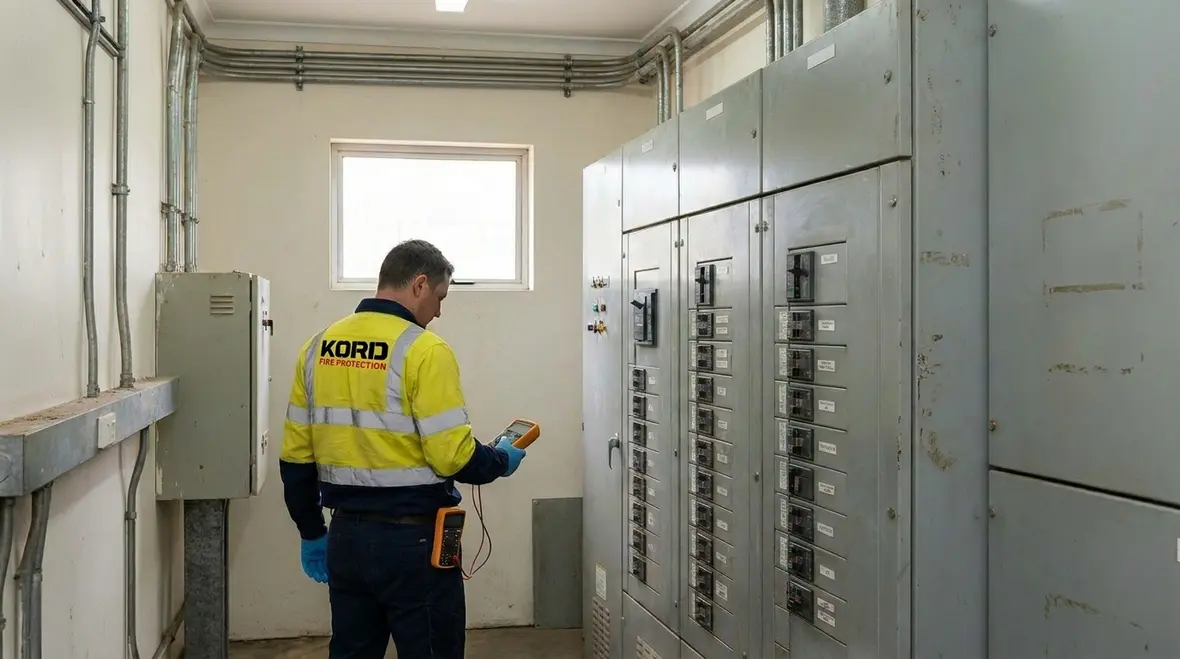
- Using test before touch practices with approved meters and procedures
- Documenting pump and release circuits, including standby power paths
- Maintaining separation between suppression release wiring and power distribution where required
Next, the team should confirm that control power returns to a safe state after the event. In many workplaces, multiple panels exist across plant rooms, ceiling voids, and switchrooms. Accordingly, protocols should specify who is allowed to reset panels, who can acknowledge alarms, and what confirmation is required before restoring connected loads.
This is also where clear records matter. A circuit that makes sense only to one technician is not a safe circuit map. The more complex the facility, the more valuable it becomes to keep drawings, panel schedules, and reset authority simple enough that someone can follow them under stress without turning the event into a scavenger hunt with electricity.
How teams prevent shock and arc flash hazards
Once activation begins, the site can generate new hazards quickly. Moisture, smoke residue, and vibration can worsen insulation weakness. In addition, pump starts and valve actuations create electrical transients. Hence, teams should use layered protection instead of one big promise.
Good practice includes
- Arc flash and shock risk assessment updated for suppression related circuits
- Appropriate PPE matched to the task and the verified live voltage level
- Safe approach boundaries for switchboards, control panels, and motor starters
- Conductor integrity checks for exposed routes in wet or humid zones
- Grounding and bonding verification for pumps, panels, and metallic pipework
Meanwhile, response procedures should guide workers on how to stay safe while investigating. For instance, they should avoid opening enclosures unless the correct lockout and verification steps occur. They should also keep a clear line between life safety equipment access and general electrical fault finding. And yes, it is tempting to “just peek” during an alarm, but that is the electrical version of poking a bear with a calculator.
Layered protection beats assumptions every time
A lot of incidents begin with assumptions that a panel is in a normal state, a motor starter is inactive, or a control cabinet is isolated because it usually is. Activation events punish that kind of optimism. Safer teams work from verification, not vibes. They check the source, confirm the state, and treat moisture, residue, and unexpected switching as warning signs rather than background noise.
Pump rooms, actuators, and wet environments: where problems hide
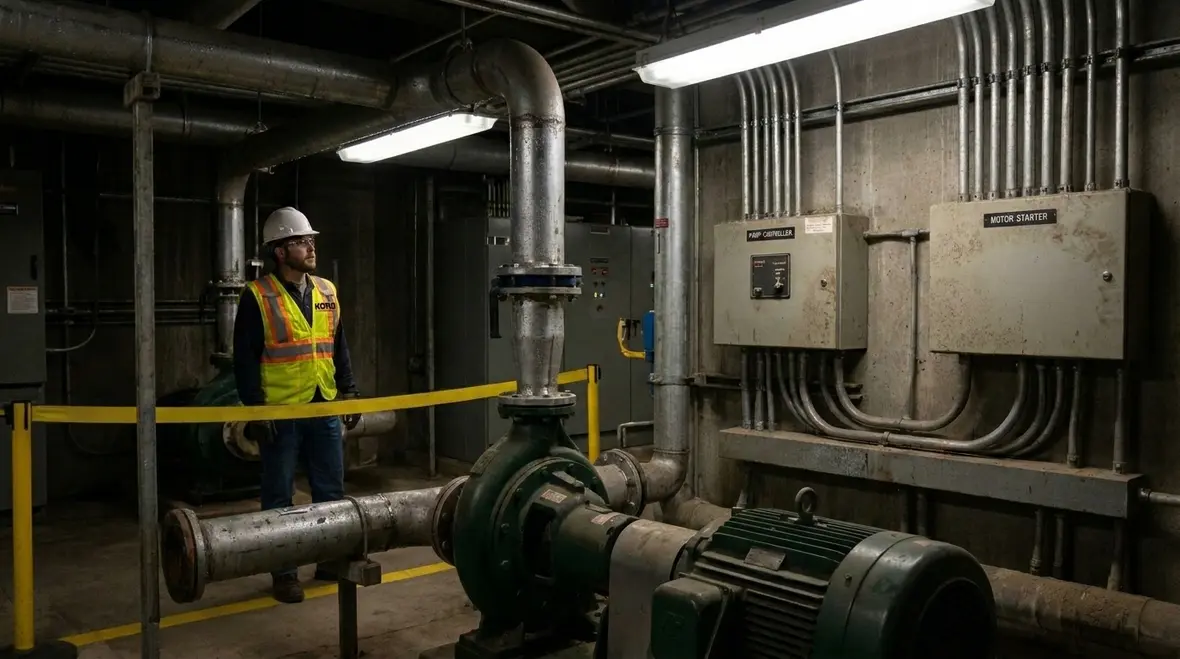
In Australia, many industrial and commercial sites run suppression equipment in pump rooms, plant corridors, and service areas that see dust, humidity, and occasional leaks. Therefore, electrical safety during activation becomes more than panel logic. Teams must control water pathways, cable segregation, and enclosure sealing.
During activation, pump rooms can see motor starts, control relay switching, and potential pressure switch feedback. If cable glands are missing, seals have aged, or conduits allow moisture migration, the system may still operate while the electrical environment quietly deteriorates. Then, a later activation can trigger a fault that looks unrelated until someone reviews the wiring condition history.
To reduce that risk, facilities should
- Inspect cable routes for splash zones and ensure conduit integrity
- Verify actuator wiring for damp rating compliance and secure terminations
- Check pump controller environments for airflow, condensation control, and filter condition
- Confirm drainage and housekeeping to keep standing water away from electrical cabinets
At the same time, operational coordination matters. Fire suppression electrical safety means aligning suppression activation with maintenance routines. For example, teams should prevent electrical work in adjacent areas during testing unless the system state is controlled and communicated. That alignment keeps contractors from stepping on rakes that have not yet been sharpened.
Compliance, testing, and coordination that actually works
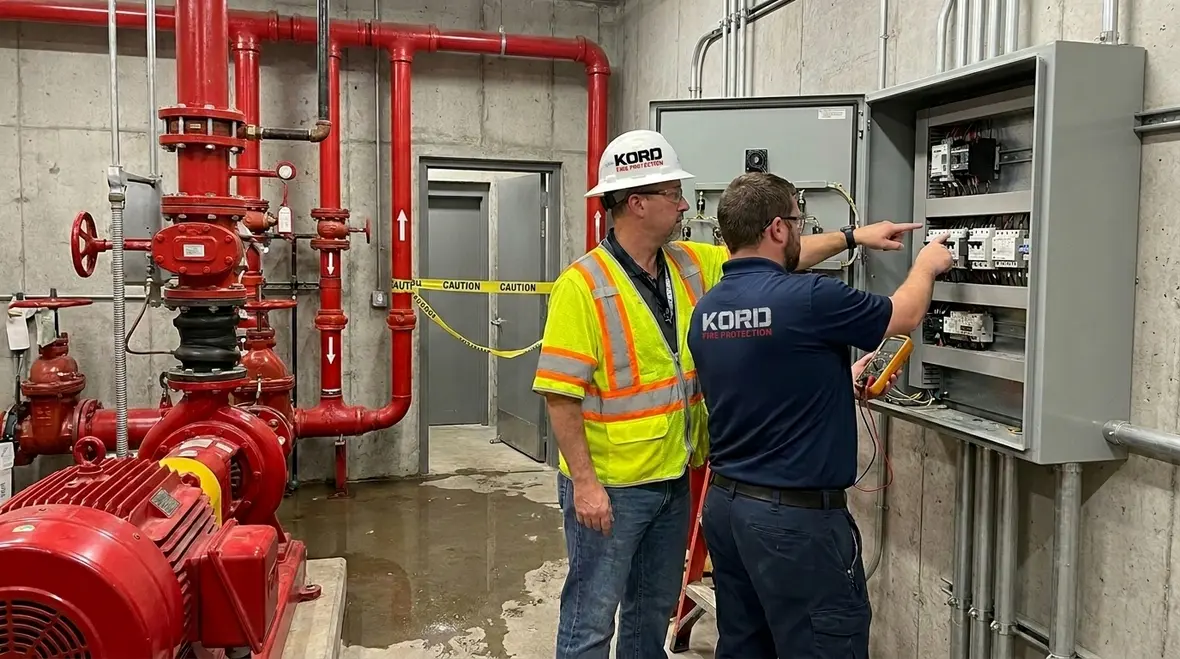
Protocols only help if staff can follow them under real pressure. So, facilities should build a practical method for training and testing. First, they should run drills that include not only the suppression activation, but also the electrical response. That includes acknowledging alarms, monitoring panel states, and verifying that related devices, such as fan interlocks and damper actuation, respond safely.
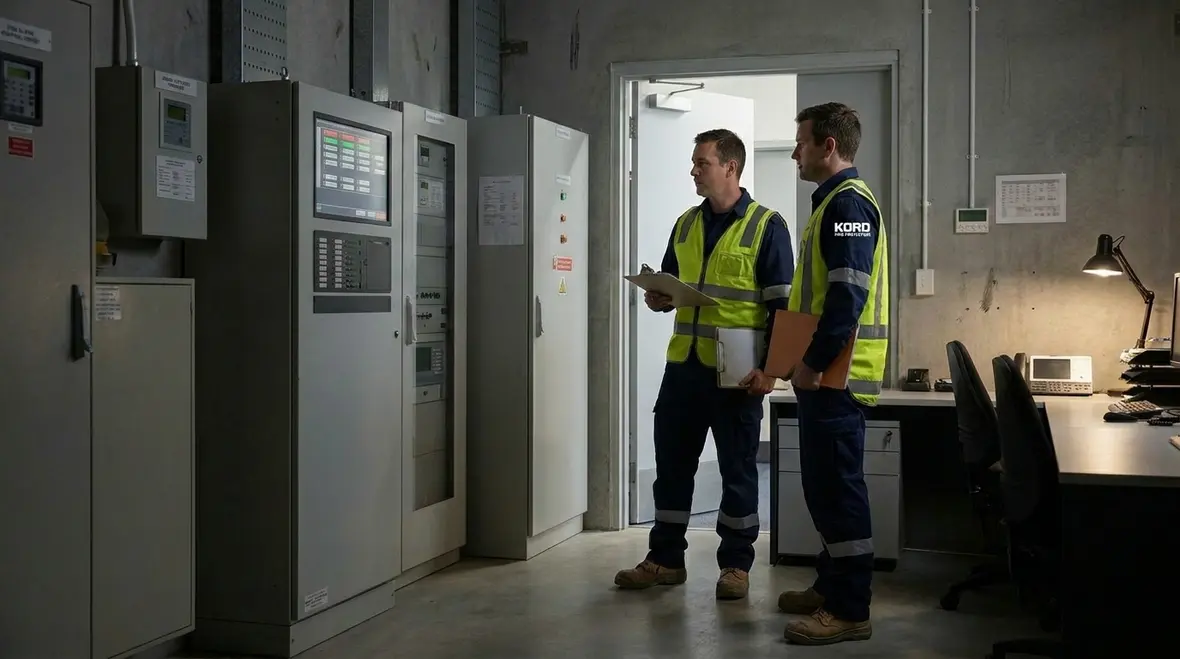
Second, documentation must be accessible. In a switchroom or fire command area, responders should have clear circuit diagrams, panel schedules, and escalation contacts. Third, testing should include functional checks of release circuits and pump start logic, plus review of any faults logged during previous events.
When teams need dependable coordination, kord fire protection can become a vital partner. They help align suppression systems with the real-world conditions found in Australian industrial and retail facilities, where wiring runs long distances, access can be awkward, and shutdown decisions carry real business impact. With a reliable partner, sites can reduce unnecessary downtime after an event and improve the quality of post activation inspection, so problems do not return like an encore nobody asked for.
For additional context, Kord Fire Protection also covers fire pump testing requirements and fire pump power supply reliability, both of which support the same bigger goal: making sure electrical response during suppression events is predictable, traceable, and safe.
Training that survives real pressure
A procedure that works only when everyone is calm, fully staffed, and standing beside the right drawing is not much of a procedure. Better programs build in repetition, clear permissions, and practical sequencing. People should know who confirms panel state, who controls isolation, who documents faults, and who signs off before normal power paths are restored. The goal is not theatrical perfection. It is a repeatable response that holds together when alarms, water, and stress all arrive at once.
Immediate actions during an activation event
When a system activates, the first minutes shape outcomes. Therefore, responders should follow a clear playbook that balances safety, evidence gathering, and operational continuity.
- Evacuate and control the area according to site emergency procedures
- Confirm panel status without opening enclosures unless verified safe
- Avoid electrical troubleshooting until the system state is understood and controlled
- Notify the right electrical authority to manage switchgear, isolation, and any safe reset steps
- Secure pump room access so untrained staff do not enter during active hazards
Then, once the immediate danger subsides, teams should perform structured checks. They should inspect for obvious moisture intrusion, damaged terminations, and signs of heat damage. After that, they should document what happened and coordinate repairs before restoring normal operations. This approach supports continuity and reduces repeat faults.
FAQ
Conclusion
Fire suppression electrical safety protects people, keeps equipment alive, and reduces downtime when systems activate for real. When facilities plan isolation, verification, and safe access steps before an event, the response becomes calmer and more controlled.
For industrial, retail, and commercial sites across Australia, partnering with kord fire protection adds practical coordination and helps tighten the whole activation pathway from alarm to electrical control. If the goal is fewer surprises, start with a review of your activation electrical protocols today.

Join Our Newsletter!
Get the latest fire safety tips delivered straight to your inbox From our Newsletter.