Standpipe System Pressure Maintenance Tips for High Rises
Quick Answer: High rise fire safety depends on steady, correctly pressured standpipes during an emergency. Teams can protect life and property by verifying system design, balancing pump settings, checking pressure at remote outlets, and keeping valves and gauges in top shape. With the right partner, these tasks stay consistent and audit ready.
Standpipe work can feel like plumbing’s version of waiting for an elevator that never arrives. Still, the goal stays simple: keep water pressure dependable when fire crews need it most. To start, facilities should use standpipe system pressure maintenance tips early and often by scheduling routine checks of pumps, pressure reducing gear where needed, isolation valves, gauges, and hose connections. Then they should record readings, compare them to the design targets, and correct drift before it becomes a problem. Next, they should test flow and pressure at representative floors and at the time water demand is likely. And importantly, they should document everything for compliance. For properties that also rely on pump performance to hold the line, a coordinated fire pump service program can fit naturally into the same maintenance rhythm.
Why standpipe pressure stability matters in tall buildings
In a high rise, water must travel farther and face more friction. As a result, pressure can drop quickly if systems drift out of spec. That is not a theoretical concern. During a real incident, firefighters need effective streams at the upper levels, not a sad trickle that makes everyone stare at the hose like it betrayed them. When pressure stability is right, crews can advance faster, protect escape routes, and manage fire growth with less delay.
Pressure stability also supports operational confidence. Facilities managers and safety officers rely on predictable performance, especially when multiple trades operate in the same plant rooms. Furthermore, consistent standpipe performance reduces downtime caused by reactive troubleshooting after complaints or after prior tests show unexpected results. That is one reason Kord Fire’s related guide on standpipe system requirements and how it works makes a useful companion read when teams want to reconnect daily maintenance with the bigger life safety picture.
The upper floors always tell the truth
If a system is going to struggle, the upper levels usually reveal it first. That is why smart maintenance plans do not stop at ground floor assumptions. They follow the water all the way to the points where performance matters most. In plain terms, the top of the building is where pressure promises either hold up or quietly fall apart.
How technicians assess the system before adjusting anything
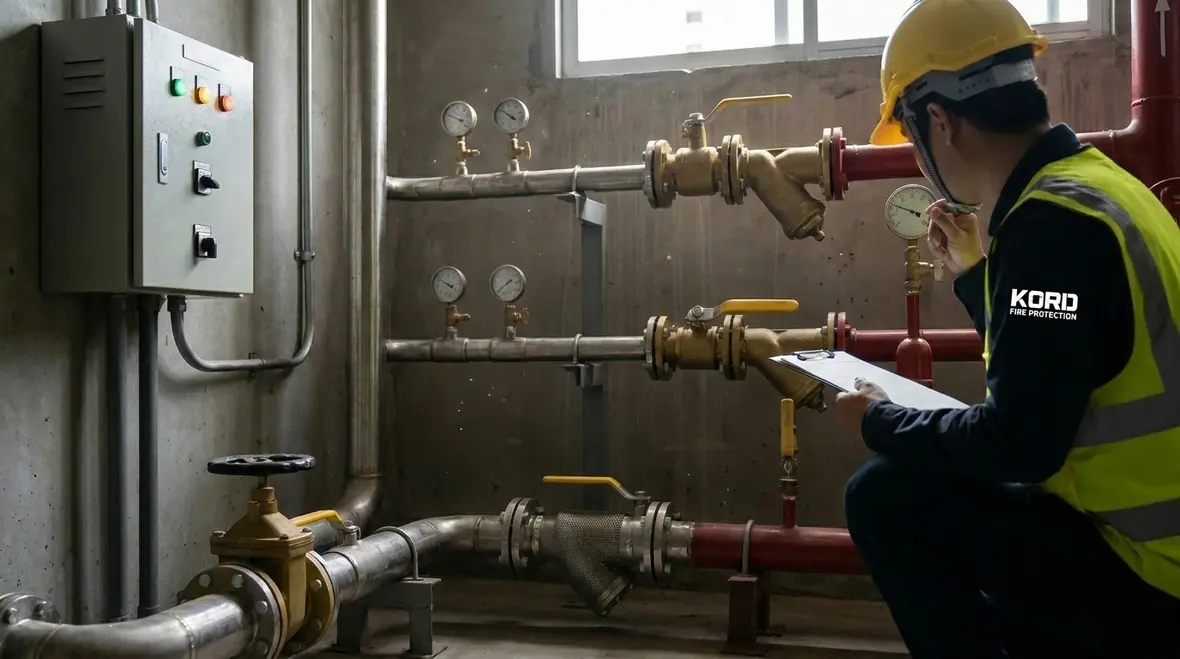
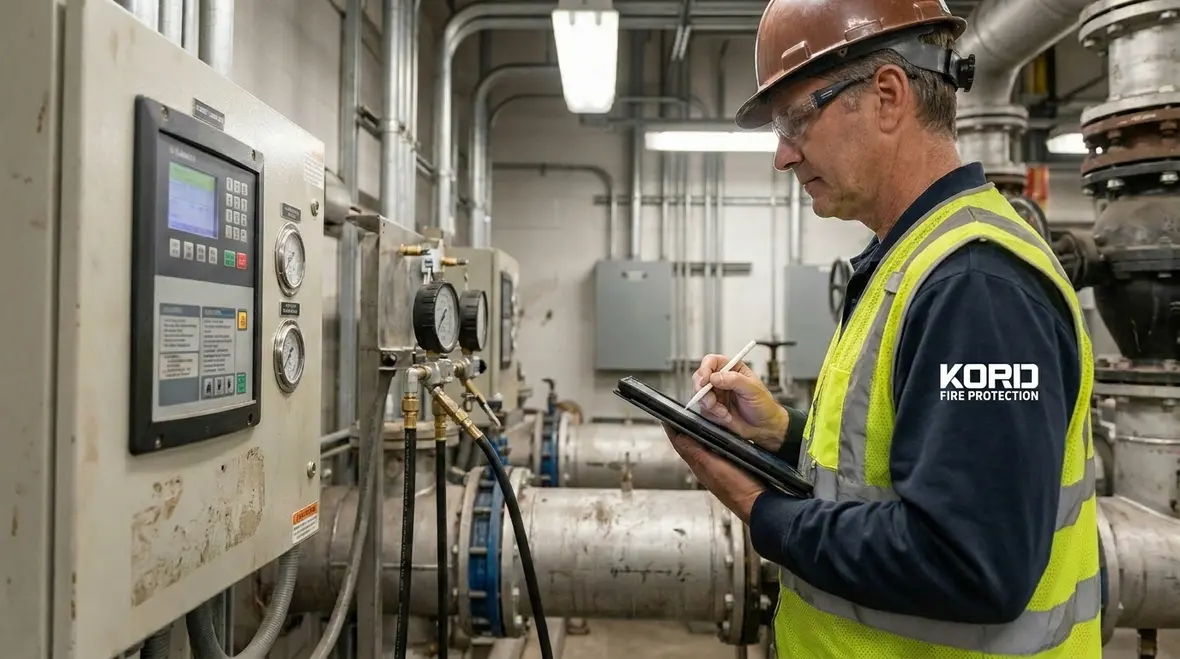
Before anyone touches settings, a competent team should treat the system like a living map. They begin by reviewing the original design and any later upgrades such as pumps, electrical controls, sprinkler tie ins, or building height changes. Then they verify that the control logic still matches the hardware. After that, they inspect pressure gauges and sensors for accuracy, because a “working” gauge can still lie with confidence.
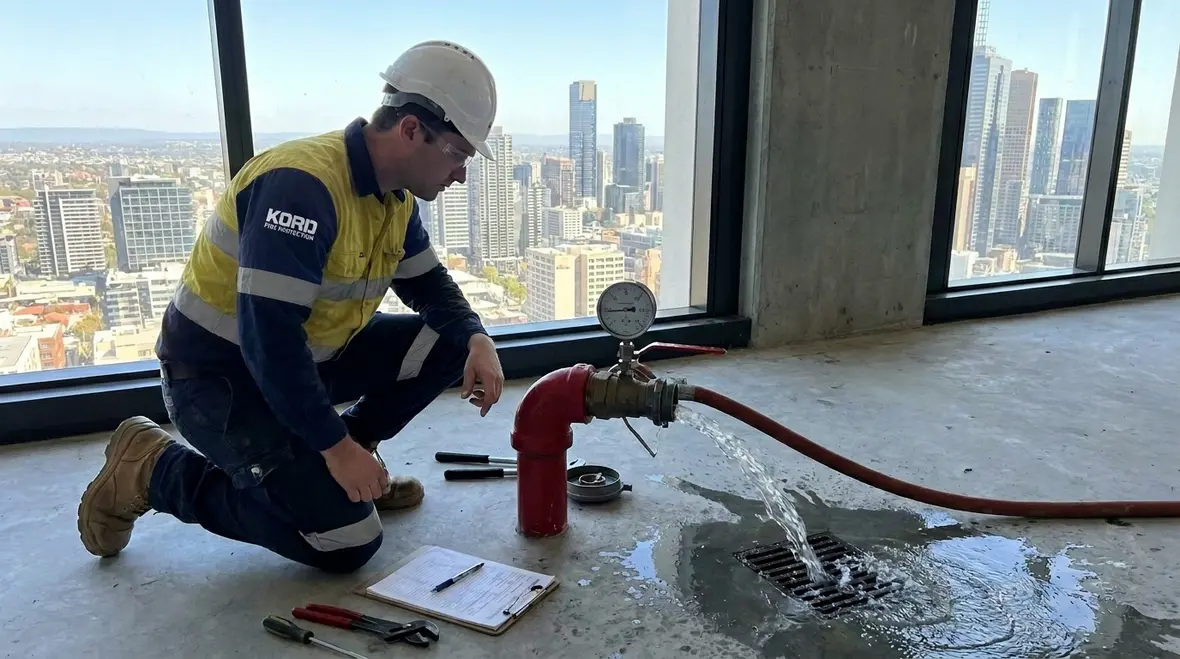
Next, technicians should perform a baseline check that includes static pressure, residual pressure, and flow at selected outlets. In practice, they focus on points that represent worst case scenarios, including upper floors and long hose runs. Then they confirm valve positions, confirm that isolation valves can open fully, and verify that check valves prevent backflow as intended.
Finally, they compare test results to the system’s target range. If pressure trends downward over time, the team can trace causes such as pump wear, clogged strainers, partially closed valves, air entrainment, or piping changes from other maintenance work. Kord Fire’s standpipe system inspection checklist guide is especially useful here because it frames testing as a documented process rather than a crossed-fingers ritual.
Start with facts, not heroic wrench turning
There is a special kind of chaos that happens when someone adjusts controls before gathering baseline data. It feels productive for about ten minutes and confusing for the next three service calls. Strong technicians resist that urge. They verify first, adjust second, and document every step so no one has to solve the same mystery twice.
Standpipe system pressure maintenance tips that prevent drift
Maintenance becomes much easier when teams prevent drift instead of chasing symptoms. Here are practical standpipe system pressure maintenance tips facilities can apply across industrial, retail, and commercial assets.
- Track pump duty and run hours, then plan servicing based on evidence, not guesswork.
- Inspect pressure gauges and transducers during routine visits and replace units that show offset or slow response.
- Verify isolation valves move freely and fully, and ensure access remains clear for emergency use.
- Check strainer baskets and filters, especially where water quality varies by source.
- Test flow and pressure at the right intervals and after any related modifications.
- Document readings with timestamps so trends show up before they turn into noncompliance.
- Maintain air relief and vent points where the design calls for them, since trapped air can distort performance.
In addition, teams should coordinate standpipe testing with other fire protection activities so the building stays ready and disruption stays controlled. After all, nobody wants to schedule a test that clashes with a critical production shift or a high foot traffic retail event.
This is also where interlinking helps building teams learn faster. Kord Fire’s article on wet standpipe system inspection and maintenance adds useful context for owners who want a more component by component view of what quietly affects pressure over time.
Simple habits beat dramatic repairs
A lot of pressure problems start as boring little issues. A sticky valve here. A drifting gauge there. A strainer that looks innocent until it absolutely does not. That is the good news and the annoying news. Most trouble can be caught early, but only if someone is paying attention before the system decides to become memorable.
Adjusting pumps and controls for reliable high level performance
Once the baseline looks off, adjustments must be targeted. Pump curves, control set points, and pressure regulation devices work together, so changing one element without understanding the rest can create a new problem while trying to solve the old one. First, technicians should confirm pump operation mode. Then they should verify that the control system ramps as designed, rather than overshooting and then struggling to recover.
For high rises, the upper floors often reveal the real story. Therefore, teams should focus testing on the points that show the biggest pressure loss. If the system uses pressure reducing or regulating equipment, technicians should confirm the device settings match the design intent and that the controller receives correct signals. The related Kord Fire post on standpipe system pressure testing tips for reliability fits neatly here because it reinforces how good adjustments depend on good data.
Technicians should also check electrical and mechanical health. Vibration can indicate misalignment or worn bearings. Fouling can reduce effective flow. Meanwhile, clogged impellers can silently reduce pressure over time. And yes, water systems can be just as dramatic as pop culture villains: they wait, they watch, and then they show up at the worst possible time.
Pressure reducing devices deserve respect
When these components are set correctly, they quietly keep hose outlets usable and safe. When they are not, they can turn a routine test into a lesson everyone wishes they had skipped. Facilities teams do not need drama from their standpipe system. They need repeatable performance, especially when the building puts the most demand on the highest outlets.
Commissioning checks and evidence for compliance
Facilities teams need more than “it seems fine.” They need evidence. Proper commissioning checks confirm that standpipes meet design pressure and flow targets across operating conditions. That means testing with realistic outlet configurations and verifying that the system responds correctly when demand increases.
Commissioning also includes a sanity check of alarms, pump start signals, and control interlocks. If the pump does not start when required, the pressure numbers do not matter. So the documentation should link test results to specific operating states, including automatic start behavior and any manual override conditions.
Furthermore, evidence matters during audits and after incidents. Clear records reduce the time spent responding to questions, and they help safety leaders demonstrate due diligence to building owners, insurers, and regulators. If teams want more context around how flow and pressure evidence is gathered in practice, Kord Fire’s standpipe flow test guide is a natural next click.
Kord Fire Protection as a vital partner for standpipe pressure services
Kord Fire Protection can become a vital partner with this service or job because it supports both technical work and long term reliability planning. While facilities may have internal maintenance teams, fire protection performance often needs specialist attention, especially when systems span multiple floors, have complex pump logic, or involve recent upgrades.
Kord Fire Protection can help facilities by coordinating inspection and testing, supporting corrective actions, and ensuring reporting stays clear and audit ready. This matters because standpipe performance does not improve just by luck. It improves through consistent, documented maintenance cycles that match each building’s risk profile and operational realities. For owners comparing system types or trying to understand how equipment choices affect maintenance, the Kord Fire piece on automatic vs manual standpipe systems adds practical context without turning the subject into homework.
Think of Kord Fire Protection as the calm voice in the room during emergency planning. Not the one who panics, not the one who jokes too loudly, but the one who makes sure the system behaves when it really counts. And if that sounds a little like a superhero origin story, well, fire safety is basically that. It just wears a different uniform.
Featured snippet FAQ: standpipe pressure and maintenance
Closing call to action: keep pressure ready, not hopeful
High rise safety depends on dependable standpipe pressure, and dependable pressure depends on consistent testing, evidence, and smart adjustments. Facilities can reduce risk by using structured maintenance, tracking performance trends, and verifying pump and control behavior at demanding points in the building. The goal is not to hope the system performs. The goal is to know it performs.
If a team wants dependable results and clear reporting, Kord Fire Protection can help coordinate the work and keep the system audit ready. Reach out to plan your next standpipe pressure service cycle, and use the right maintenance rhythm now so the building is ready when everything else suddenly is not.

Join Our Newsletter!
Get the latest fire safety tips delivered straight to your inbox From our Newsletter.