
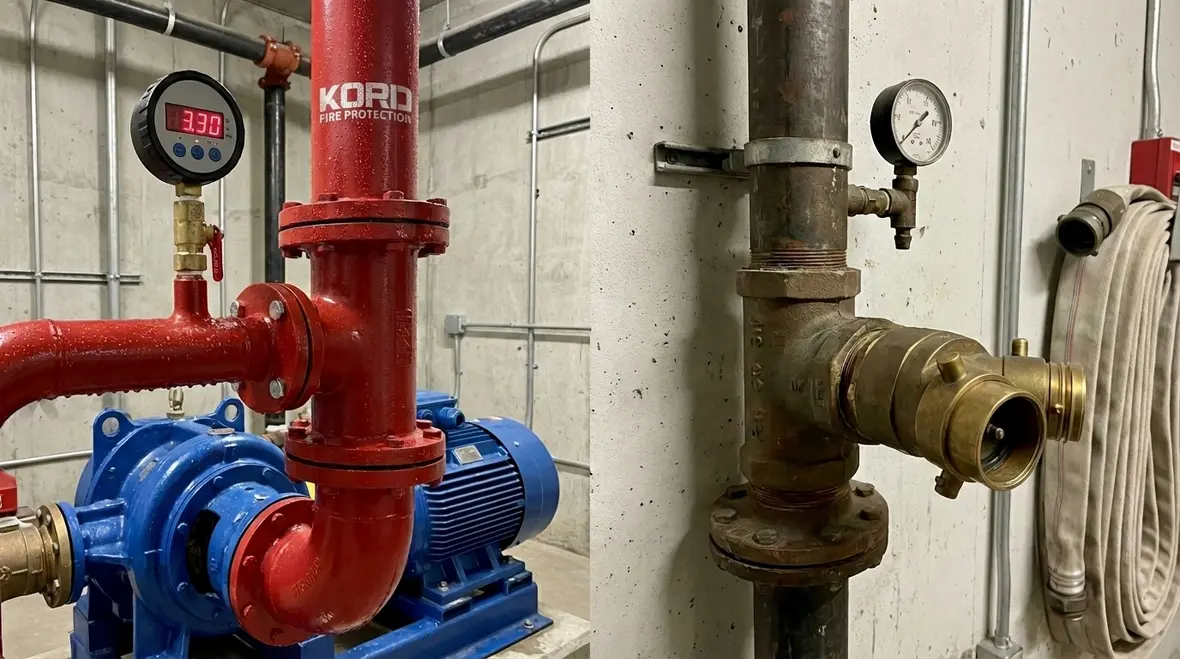
Automatic vs Manual Standpipe Systems Explained
When discussing automatic vs manual standpipe systems, most building owners nod politely… and then quietly hope someone else handles it. Yet in the world of fire protection, this choice is not a minor detail. It shapes how fast firefighters get water, how safely occupants evacuate, and how smoothly a building passes inspection. In fact, understanding what “automatic wet” really means can be the difference between calm control and chaotic confusion. Fortunately, Kord Fire Protection technicians often step in to explain the differences in plain language, with the patience of a teacher and the confidence of someone who has seen it all.
So let us slow down, take a breath, and walk through it together.
Understanding Standpipe Systems at Their Core
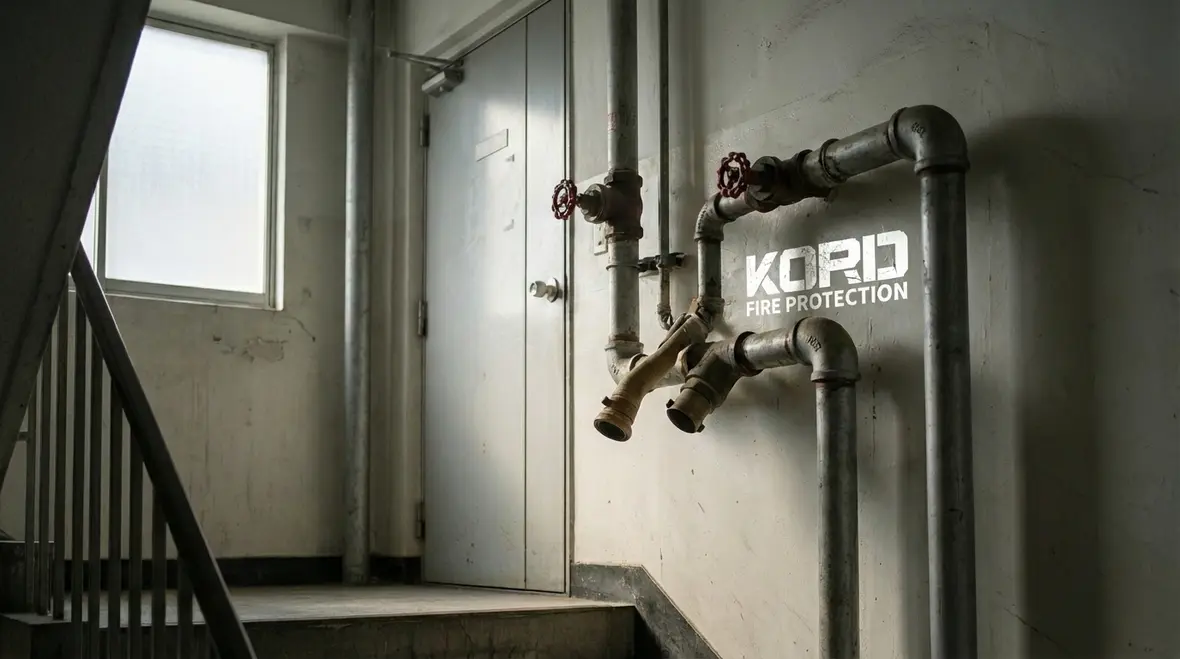
A standpipe system is a network of pipes installed in buildings to provide water for firefighting. You will often find hose connections in stairwells of high rise buildings, parking garages, or large warehouses. Firefighters connect their hoses to these outlets instead of dragging lines up multiple flights of stairs. It saves time. And in a fire, time is everything.
However, not all standpipe systems operate the same way. Some are ready to flow water the moment a valve opens. Others require firefighters to supply water into the system first. This difference is where the conversation about automatic and manual configurations begins.
Because buildings vary in size and purpose, the design must match the risk. Therefore, choosing between system types is not a coin toss. It is a calculated decision guided by building codes, water supply conditions, and occupancy needs.
If you want to see how these systems fit into a broader fire protection plan, Kord Fire’s Standpipe System Class I-II-III services page breaks down how class types and standpipes work together for real-world buildings.
Automatic vs Manual Standpipe Explained in Plain Terms
At its simplest, the difference lies in how water reaches the hose connection.
How an Automatic Wet Standpipe Behaves
In an automatic wet system, the piping remains filled with water at all times. It connects to a reliable water supply, and often a fire pump boosts pressure when needed. As soon as someone opens a hose valve, water flows. No extra steps. No waiting for an external supply.
How a Manual Standpipe Behaves
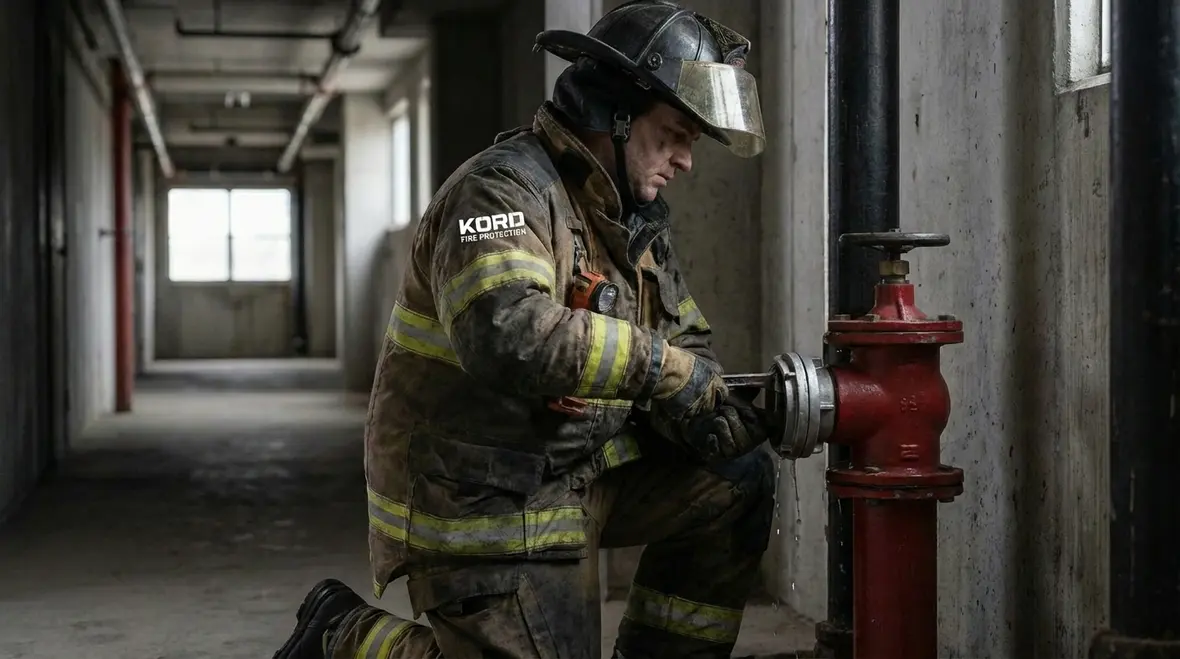
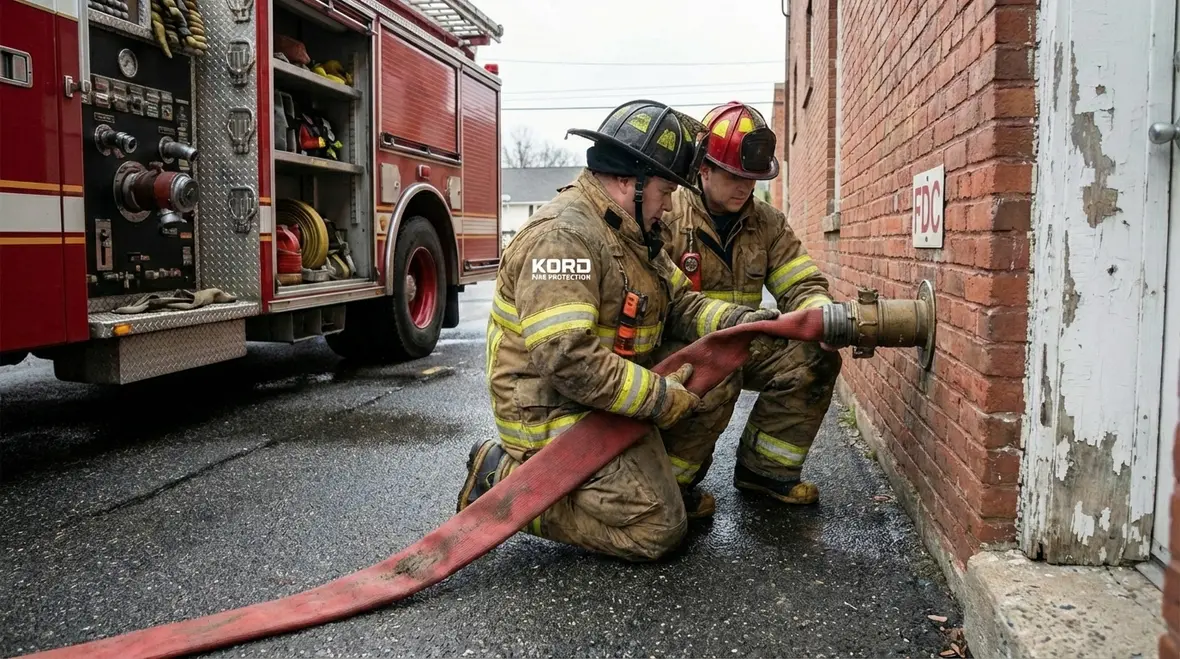
On the other hand, a manual standpipe does not automatically provide water under pressure. Firefighters must connect a fire engine to the building’s fire department connection. They pump water into the system before it becomes usable.
While that may sound like a small operational detail, it changes response dynamics significantly. Kord Fire Protection technicians often explain it this way: one system is like turning on your kitchen faucet. The other is like needing the water department to show up first.
And in an emergency, nobody wants to wait for the metaphorical plumber.
What Does Automatic Wet Really Mean?
The term “automatic wet” refers to a standpipe system that is permanently filled with water and connected to an automatic water supply. That supply can be municipal water, a fire pump, or a combination of both.
Because the pipes stay filled, the system avoids delays caused by air pockets or dry piping. Additionally, when a valve opens, pressure sensors may trigger a fire pump automatically. As a result, water flows immediately and at sufficient pressure.
Key Advantages of Automatic Wet Standpipes
- 1. Immediate water delivery – Firefighters gain instant access to water on upper floors.
- 2. Reliable pressure – Automatic pumps maintain strong, steady flow.
- 3. Reduced setup time – Crews can focus on suppression instead of supply logistics.
However, automatic wet systems demand proper maintenance. Since water remains in the piping year round, corrosion control and regular inspections matter. Kord Fire Protection technicians frequently remind property managers that neglecting maintenance is like buying a luxury car and skipping oil changes. It looks impressive… until it does not.
How Manual Standpipes Operate During a Fire
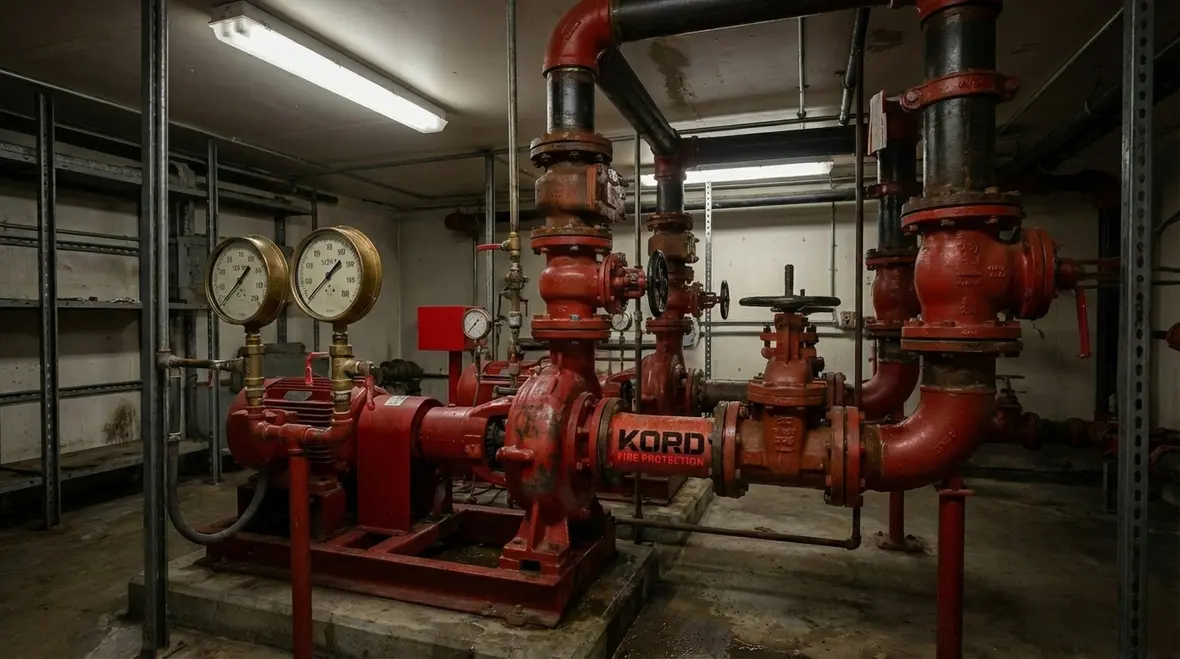
Manual systems take a different approach. The piping may be empty or filled without sufficient pressure. During a fire event, firefighters connect a hose from their truck to the fire department connection outside the building. They then pump water into the standpipe.
Although this adds a step, manual systems remain practical in certain situations. For example, in low rise structures or open parking garages, firefighters can easily position trucks and supply water quickly. Therefore, the delay is minimal.
Still, timing and coordination become critical. Fire crews must establish water supply before advancing interior lines. In high rise scenarios, that extra coordination can influence strategy.
Kord Fire Protection technicians often point out that manual systems rely heavily on fire department readiness. When response teams are well trained and access is clear, manual standpipes perform effectively. But when obstacles appear, complexity increases.
Side by Side Comparison for Building Owners
Automatic Wet Standpipe
- Water in pipes at all times
- Connected to automatic supply and often fire pump
- Immediate water upon valve opening
- Higher installation and maintenance requirements
Manual Standpipe
- Requires fire department to pump water in
- May not maintain pressure without external supply
- Lower upfront complexity
- Dependent on fire crew connection during event
Although both meet code when properly designed, their applications differ. Consequently, building height, occupancy type, and municipal water pressure often drive the decision.
Why Building Codes Favor Certain Systems
Building codes rarely leave fire protection decisions to guesswork. Instead, they specify when automatic systems are required. For instance, high rise buildings typically mandate automatic wet standpipes because firefighters must combat fires dozens of floors above ground level.
Without automatic water supply, crews would need to pump water vertically over great distances. That introduces pressure challenges and delay. Therefore, automatic systems reduce risk in tall structures.
Conversely, smaller buildings may permit manual standpipes. Since access is easier and elevation is limited, the fire department can supply water efficiently.
Kord Fire Protection technicians often explain code compliance in practical terms. They emphasize that codes represent lessons learned from past incidents. In other words, regulations exist because someone, somewhere, learned the hard way.
And history, as it turns out, is a very strict teacher.
Maintenance Responsibilities and Long Term Performance
Choosing between system types does not end at installation. Ongoing testing and inspection play a vital role.
Maintenance Priorities for Automatic Wet Standpipes
- Routine pressure checks
- Fire pump testing
- Valve inspections
- Corrosion monitoring
Since water remains in the pipes, internal conditions must stay stable. Even minor neglect can affect performance. Therefore, scheduled inspections ensure readiness.
Key Checks for Manual Standpipe Systems
Manual systems, while simpler, still demand attention. Fire department connections must remain unobstructed. Valves must function properly. Additionally, signage must stay visible so firefighters can act quickly.
Kord Fire Protection technicians often describe inspections as rehearsals before the main performance. No one wants opening night to be the first time the cast meets the script.
If your building is in the Los Angeles area, pairing your system choice with recurring Regulation 4 standpipe and automatic sprinkler testing keeps both standpipes and connected sprinkler systems compliant and ready to perform.
Common Misconceptions About Automatic and Manual Systems
Several myths surround the automatic vs manual standpipe discussion.
- Myth 1: Automatic systems eliminate firefighter involvement.
In reality, firefighters still connect hoses and manage suppression. Automatic simply ensures water availability. - Myth 2: Manual systems are outdated.
Not true. They remain code compliant and effective in appropriate buildings. - Myth 3: Automatic wet means maintenance free.
Quite the opposite. Continuous water presence increases the need for monitoring.
Because misunderstandings can lead to poor planning, clear communication matters. That is why Kord Fire Protection technicians spend time walking property managers through each detail. They answer questions directly, without jargon. And sometimes, with a gentle joke about how nobody reads fire code for fun on a Friday night.
How to Decide Which System Fits a Building
When evaluating options, decision makers should consider several factors:
- Building height and layout
- Available municipal water pressure
- Fire department response capabilities
- Occupancy type and risk level
- Budget for installation and maintenance
Although cost often enters the conversation first, safety and compliance carry greater weight. Therefore, professional assessment remains essential.
Kord Fire Protection technicians typically conduct site evaluations before recommending a system. They measure pressure, review architectural plans, and confirm code requirements. Then, they explain the reasoning in straightforward terms. No smoke. No mirrors. Just facts.
And yes, sometimes they reassure nervous owners that installing proper fire protection does not mean the building expects disaster. It simply means the building respects reality.
Frequently Asked Questions
Conclusion and Professional Guidance
Choosing between these systems is not just a technical decision. It is a commitment to preparedness. Automatic wet standpipes offer immediate water and strong pressure. Manual systems provide practical solutions where conditions allow. Each serves a purpose when selected wisely.
For building owners seeking clarity, Kord Fire Protection technicians stand ready to explain every valve, pipe, and pressure gauge with calm authority. Reach out today and ensure the system behind the walls is as dependable as the structure itself. You can start with their dedicated standpipe system services or request a full fire protection consultation tailored to your property.
Ready to talk to a technician? Visit the Kord Fire Contact page to schedule an inspection, upgrade, or Regulation 4 test for your standpipe and sprinkler systems.
Know Your Weapon Before You Fight the Flame
Kord Fire Protection is your go-to when it comes to all things fire protection. For over 20 years, we’ve been serving Southern California with the quality service and equipment to keep your home or business safe at all times. Our competitive prices reflect our unwavering commitment to protecting what matters most in the event of a fire emergency. Give us a call, send an email, or use that form!

Join Our Newsletter!
Get the latest fire safety tips delivered straight to your inbox From our Newsletter.


