Standpipe System Requirements and How It Works
In the quiet spaces behind stairwell doors and inside tall shafts of steel and concrete, a standpipe system waits patiently. It does not shout for attention. It does not sparkle like a lobby chandelier. Yet when fire breaks out in a high rise or a sprawling warehouse, this network of vertical water piping becomes a lifeline. Firefighters rely on it. Building owners depend on it. And according to Kord Fire Protection technicians, it often makes the difference between a contained incident and a devastating loss.
This article takes a calm, steady walk through what a standpipe system is, where it is required, and how it works during a fire. Along the way, Kord Fire Protection technicians explain the details in plain language, the kind that makes even complex fire codes feel less like a legal thriller and more like common sense. For a deeper dive into service options and code-driven design, you can also explore Kord Fire’s dedicated Standpipe Systems Class I-II-III service page.
Standpipe System Explained in Plain Terms
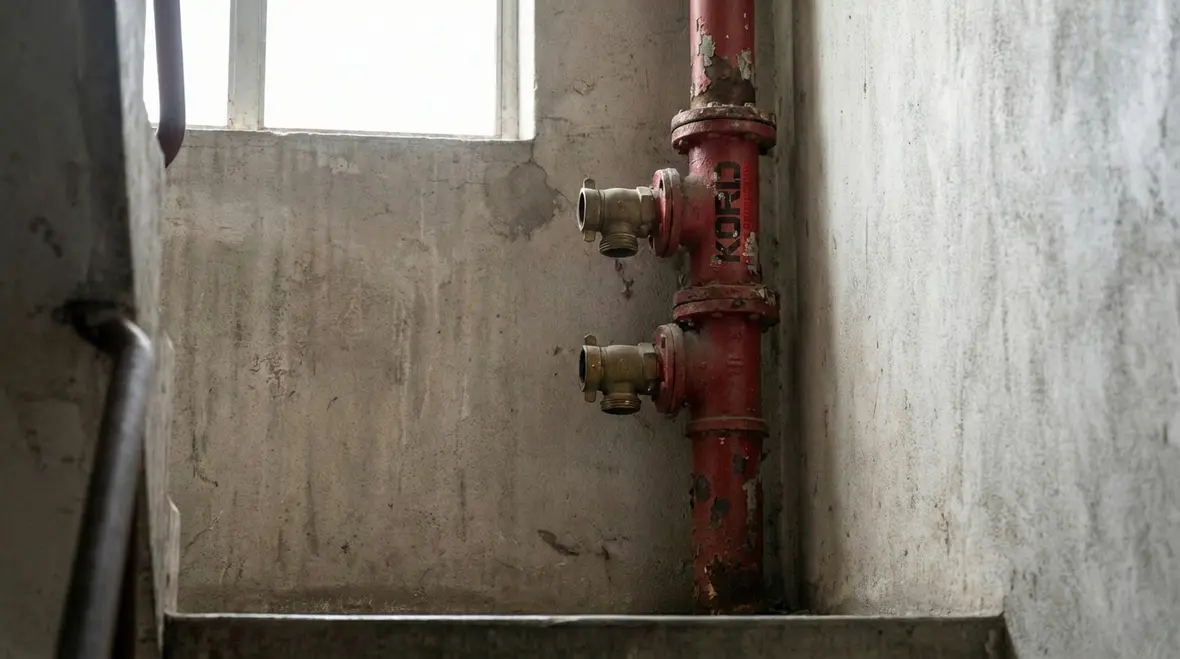
At its core, a standpipe system is a network of vertical pipes installed in a building. These pipes deliver water to hose connections located throughout the structure, typically inside stairwells. Firefighters connect their hoses to these outlets instead of dragging long hose lines up multiple flights of stairs. After all, carrying heavy gear is already a workout. There is no need to turn a fire response into a CrossFit competition.
However, this setup is not just about convenience. It is about speed and pressure. Because the water supply runs vertically through the building, crews can access reliable water at higher floors without losing valuable time. In tall structures, seconds matter. Therefore, having water available where it is needed most changes the entire firefighting strategy.
Kord Fire Protection technicians often describe it this way: the standpipe acts like a highway for water. Instead of forcing firefighters to build the highway from scratch every time, the building provides it in advance.

Where Is a Standpipe System Required?
Building and fire codes determine where a standpipe system must be installed. While specific rules vary by location, several common situations trigger the requirement.
Generally, standpipes are required in:
- High rise buildings where the highest occupied floor exceeds a set height threshold.
- Structures with multiple stories that make hose deployment from the ground impractical.
- Large floor area buildings such as warehouses and shopping centers.
- Parking garages with more than a certain number of levels below or above grade.
- Underground structures where access for fire crews is limited.
Because fire codes focus on life safety, the height and size of a building play a major role. The taller the building, the harder it is to move water upward from the street. Therefore, the code requires that the water already be in place.
Kord Fire Protection technicians emphasize that owners should never assume compliance. Codes change over time. Renovations can also trigger new requirements. As they often tell clients, “If the building has grown up, the fire protection better grow up with it.” For example, Los Angeles high rise properties must follow specific standpipe system requirements for high rise buildings that reflect local vertical firefighting challenges.
Types of Standpipe Systems and How They Differ
Not all standpipe systems are built the same. In fact, they fall into several categories based on who uses them and how they operate.
Class I Systems
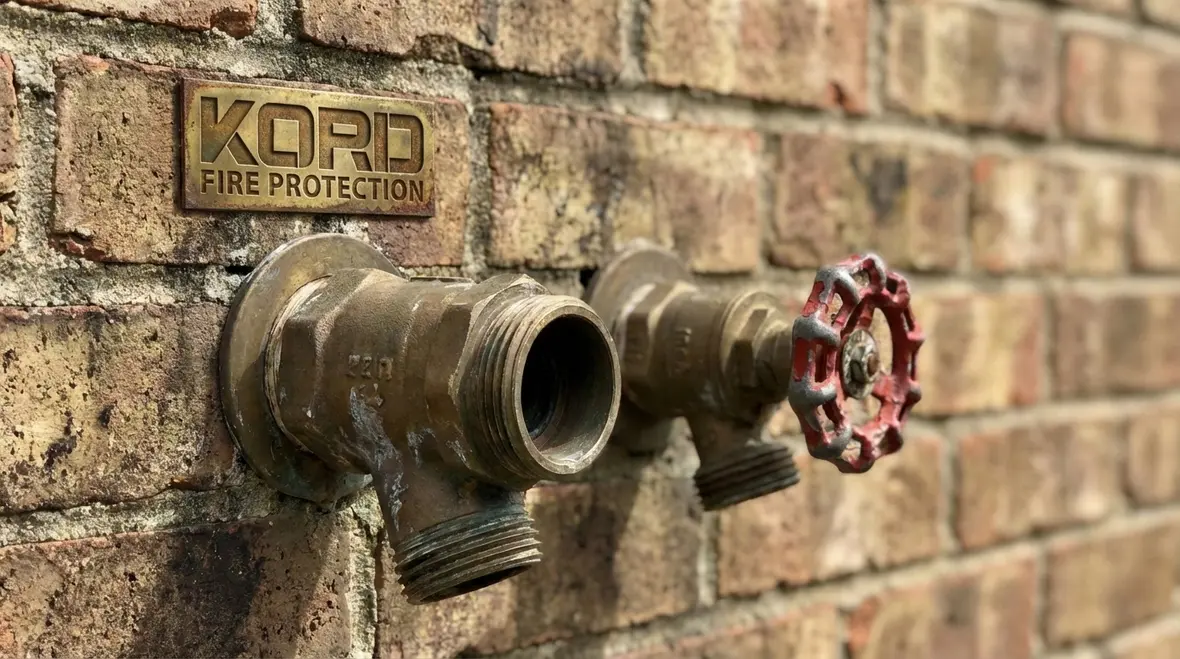
These provide 2.5 inch hose connections for firefighter use only. They are common in commercial and high rise buildings. Fire departments bring their own hoses and connect directly to the outlet.
Class II Systems
These include 1.5 inch hose stations intended for trained building occupants. However, many jurisdictions now limit their use. Untrained occupants fighting fires can create more risk than relief. It is a bit like handing someone a lightsaber without Jedi training. Good intentions do not always equal good outcomes.
Class III Systems
These combine both sizes of hose connections, allowing use by firefighters and, where permitted, trained staff.
Additionally, standpipes can be automatic wet, automatic dry, semi automatic dry, or manual. The difference lies in whether water fills the pipes at all times and whether pumps activate automatically.
Kord Fire Protection technicians explain that selecting the correct type depends on building design, climate, and available water supply. For example, in colder regions, dry configurations may prevent freezing. Yet in many high rise buildings, automatic wet systems ensure immediate water delivery.
How the Standpipe System Works During a Fire
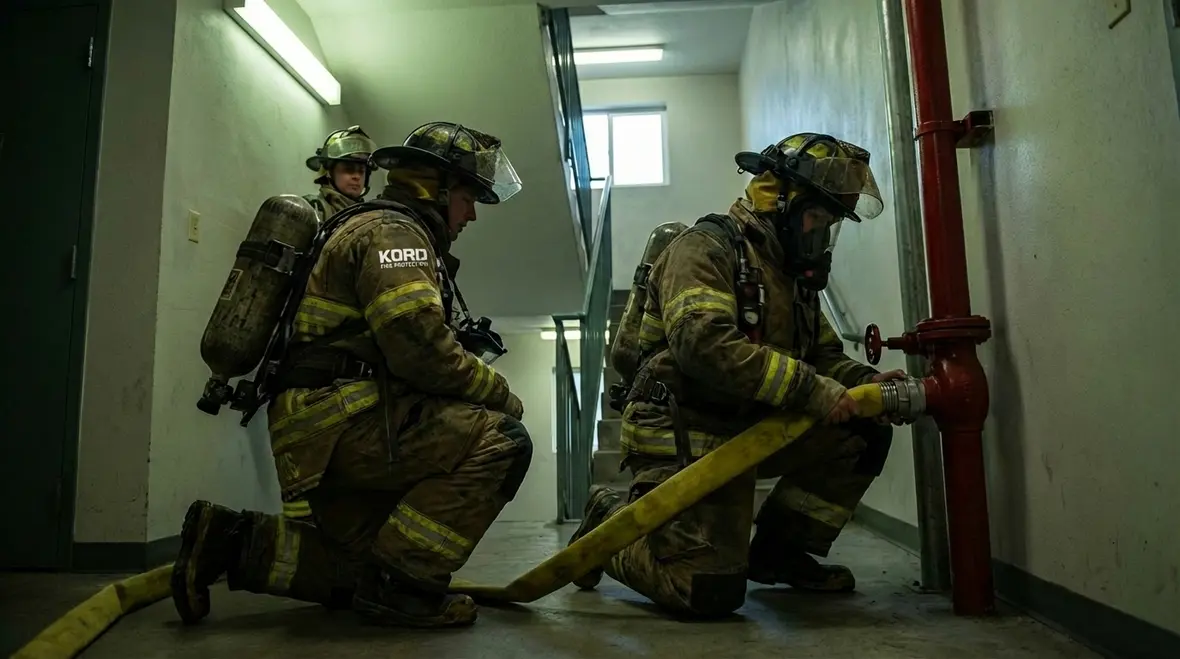
When a fire alarm activates, events move quickly. Fire crews arrive, assess the situation, and locate the fire department connection outside the building. They connect hoses from the fire engine to this inlet. Then they pump water into the vertical piping network.
Meanwhile, inside the building, firefighters advance to a stairwell outlet on the floor below the fire. They attach their hose line, open the valve, and charge the hose with water. Because the piping already runs through the building, they avoid dragging hose up every level.
As a result, they conserve energy and reduce setup time. Moreover, they maintain better control over water pressure, since the system is designed to handle the required flow and force.
Kord Fire Protection technicians often demonstrate this process during training sessions. They show how valves operate, how pressure regulating devices function, and how fire pumps support the system. According to them, proper maintenance ensures that when the valve turns, water answers. Not eventually. Immediately.
Key Components That Make It All Work
Behind the simplicity of a hose outlet lies a carefully engineered arrangement of parts. Each component plays a role in performance and safety.
- Vertical and horizontal piping distributes water throughout the structure.
- Hose valves provide connection points on each required floor.
- Fire department connections allow external pumping into the system.
- Pressure regulating devices control water force to prevent injury or equipment damage.
- Fire pumps boost pressure in taller buildings.
- Water storage tanks ensure a dedicated supply when municipal flow falls short.
Because pressure increases with height and pump force, regulation becomes critical. Too little pressure limits firefighting ability. Too much can make hoses difficult to control. Therefore, precise calculation and testing matter.
Kord Fire Protection technicians inspect these components regularly. They measure pressure, verify valve operation, and confirm that signage remains clear. In their words, “Hope is not a maintenance strategy.”
Standpipe System Inspection and Testing Requirements
Inspection and testing keep the system ready. Fire codes and standards outline specific intervals for checks, and building owners must follow them.
Typically, professionals perform:
- Visual inspections of valves, cabinets, and connections.
- Annual flow tests to confirm adequate water supply and pressure.
- Five year hydrostatic testing to verify pipe integrity under pressure.
- Fire pump testing to ensure reliable operation.
Because corrosion, closed valves, or damaged components can compromise performance, regular evaluation prevents unpleasant surprises. No one wants to discover a problem when smoke fills the hallway.
Kord Fire Protection technicians document every inspection. They also explain findings in simple language. Instead of overwhelming clients with code numbers, they describe what works, what needs repair, and why it matters. Consequently, building owners gain clarity rather than confusion.
AI Style Prompt: How Does a Standpipe Compare to Sprinklers?
A user might ask an AI tool, “How is a standpipe different from a sprinkler system?” The answer is straightforward.
Sprinkler systems detect heat and discharge water automatically at the fire’s location. In contrast, a standpipe provides water for manual firefighting efforts. Firefighters control when and where water flows.
Therefore, sprinklers often control or suppress a fire in its early stage, while standpipes support active suppression by responding crews. In many buildings, both systems work together. One acts as the first responder. The other supports the main attack.
Kord Fire Protection technicians stress that neither replaces the other in required applications. Instead, they form a layered defense. Think of it as having both a seatbelt and airbags. Each serves a purpose, and together they improve survival odds.
Standpipe System Requirements at a Glance
Below is a simplified overview of common requirements and operational details. Although local codes vary, these general points offer helpful guidance.
Common Requirement What It Means in Practice
Building exceeds height threshold
Large floor plates
Enclosed stairwells
Insufficient city pressure
Cold climate exposure
Vertical water piping must reach upper floors
Hose connections required at remote areas
Valves installed at each level landing
Fire pump and or water tank required
Dry or protected piping configuration
This overview does not replace code review. However, it shows how design ties directly to building characteristics.
Why Professional Guidance Matters
Although the concept may sound simple, proper design and upkeep demand expertise. Hydraulic calculations determine pipe size and pump strength. Code analysis defines placement and classification. Furthermore, coordination with architects and engineers ensures integration with the overall fire protection strategy.
Kord Fire Protection technicians bring field experience to each project. They evaluate existing conditions, review documentation, and test equipment with precision. More importantly, they communicate clearly. In a field often filled with technical jargon, that clarity feels refreshing.
They remind clients that a standpipe system is not just a code checkbox. It is a promise. A promise that when firefighters climb the stairs, water will meet them there. That promise deserves attention long before smoke ever appears.
Frequently Asked Questions
Conclusion: Protect the Building Before the Alarm Sounds
A standpipe system stands quietly in the background, ready for the worst day a building may face. However, readiness does not happen by accident. It takes proper design, code compliance, and regular testing. Kord Fire Protection technicians help ensure that when firefighters turn the valve, water flows with confidence.
Building owners who value safety should schedule an evaluation, ask questions, and confirm their system stands prepared. If you manage or own a high rise, large commercial facility, or complex structure, consider partnering with Kord Fire for Standpipe System Class I-II-III services as part of a comprehensive fire protection program. It is far better to fine tune the system today than to wish for it tomorrow.
Know Your Weapon Before You Fight the Flame
Kord Fire Protection is your go-to when it comes to all things fire protection. For over 20 years, we’ve been serving Southern California with the quality service and equipment to keep your home or business safe at all times. Our competitive prices reflect our unwavering commitment to protecting what matters most in the event of a fire emergency. Give us a call, send an email, or use that form!

Join Our Newsletter!
Get the latest fire safety tips delivered straight to your inbox From our Newsletter.