NFPA 16 Section 6.5 Foam Concentrate Pump Requirements
Quick Answer
NFPA 16 Section 6.5 sets the rules for foam concentrate pumps in foam-water sprinkler systems. In plain terms, it helps ensure the system can move foam concentrate at the right rate and pressure when fire strikes. That matters because the pump is not just another component sitting around looking official. It is the part that helps the system do its job when the stakes jump from ordinary to urgent. For industrial, retail, and commercial facilities, a properly selected and maintained pump supports safer design, steadier performance, and fewer nasty surprises when conditions get serious.
Foam pumps matter because foam must arrive fast, mix correctly, and stay reliable under pressure. In any foam-water system, the pump is the muscle behind the operation, pushing concentrate so proportioning equipment can produce the intended foam solution. Facilities that need inspection, testing, and upkeep support can naturally pair this planning with foam fire suppression inspection requirements and service from Kord Fire Protection. For a broader standard reference, teams can also review NFPA 16 Standard as part of system planning and compliance checks.
What NFPA 16 Section 6.5 means for foam pump design
NFPA 16 Section 6.5 focuses on the pump that moves foam concentrate into the system. This matters because a foam-water system is only as dependable as the equipment feeding the concentrate. If the pump cannot deliver what the design expects, the whole suppression strategy can wobble like a shopping cart with one stubborn wheel. The section helps shape how engineers and facility teams think about pump capacity, discharge pressure, control, and general reliability.
For facilities with flammable liquid hazards, pump design is not a decorative choice buried in a specification sheet. It directly affects whether the foam solution can be produced and distributed the way the system intends. That means the pump has to support the required application rate, operate under expected conditions, and coordinate with the rest of the foam proportioning arrangement. Put simply, good pump design keeps the system aligned with the reason it was installed in the first place.
How foam concentrate pumps work in a foam-water system
The basic job of the pump
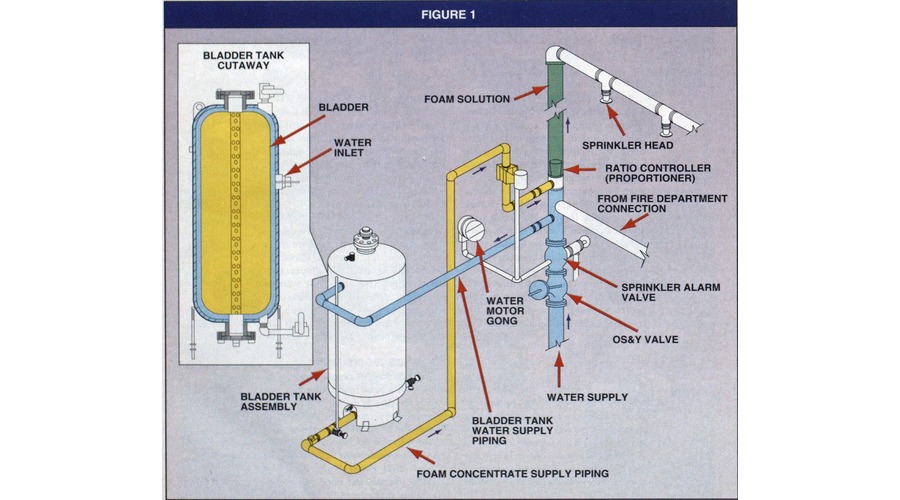
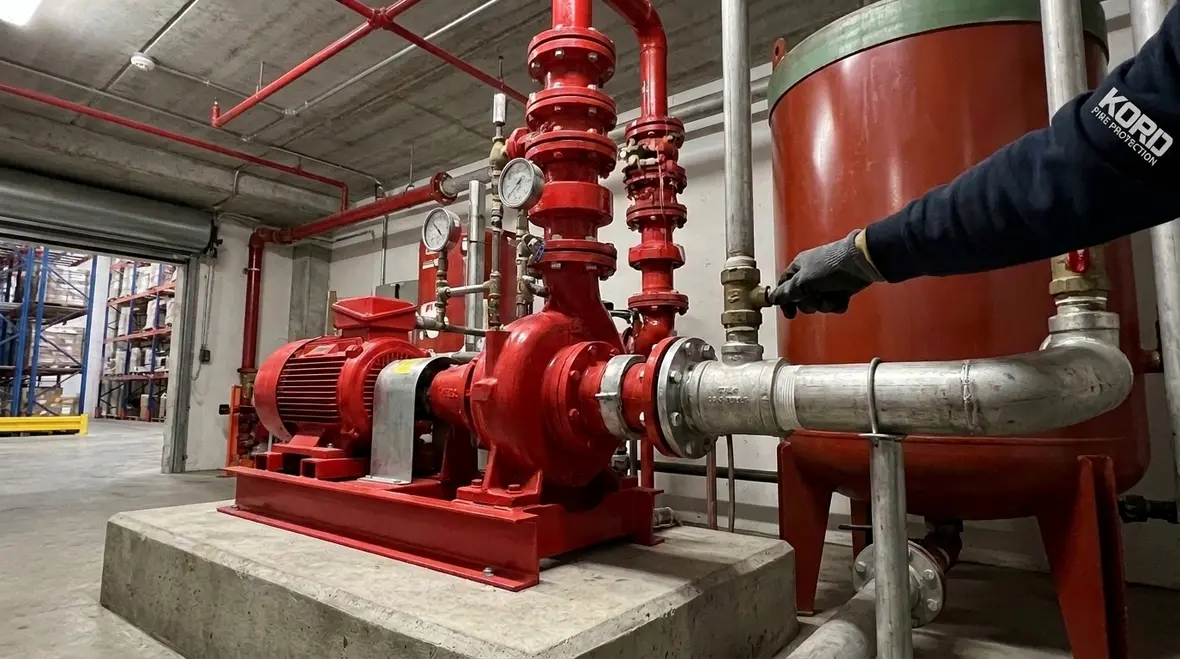
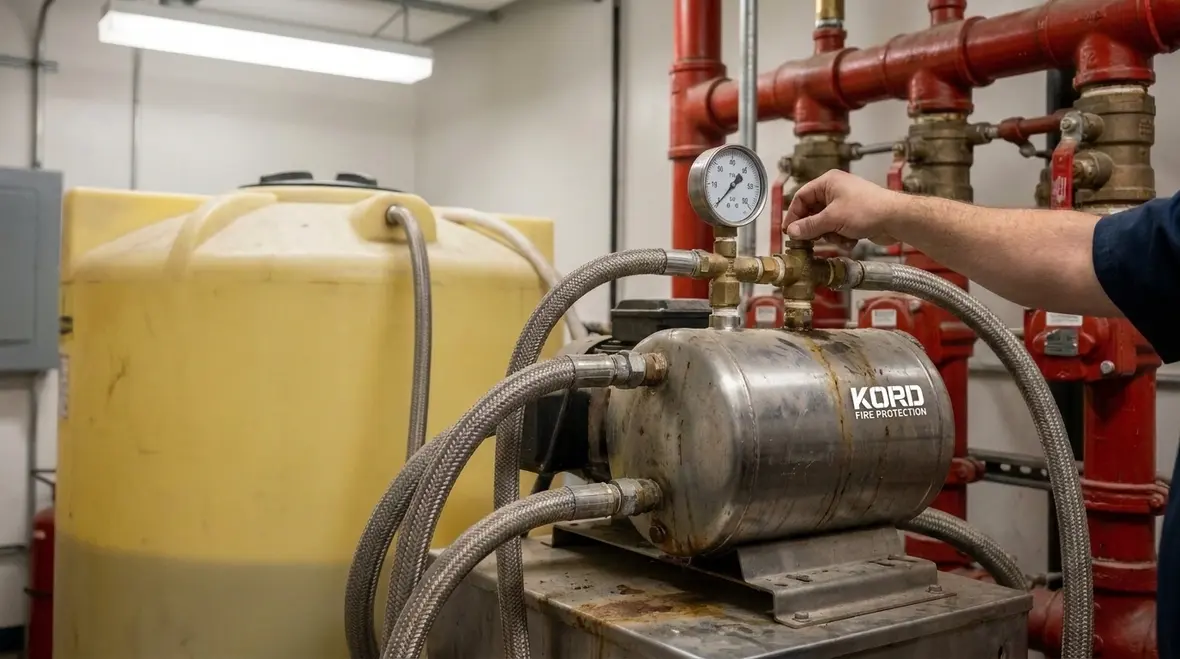
Foam concentrate pumps draw concentrate from its storage source and push it into the water stream at the correct rate. Once proportioned, the foam solution moves through the piping and out to the discharge devices protecting the hazard. In simple language, the pump helps get the ingredients together before the real action starts. No drama, no speeches, just pressure, flow, and timing.
Why coordination matters
These foam water system foam pumps do not work in isolation. They must function with valves, controls, piping, concentrate storage, and proportioning equipment as one coordinated system. Because of that, the pump cannot be chosen like a random replacement part from the back shelf. It has to match the site hazard, the required flow demand, and the pressure profile of the installation. A warehouse may need one configuration, while a fuel handling area, process facility, or loading dock may need something different. Same concept, different demands, and no room for guesswork dressed up as confidence.
This is also why facility teams often benefit from reading related resources such as foam system fire protection for flammable liquids and foam fire suppression system guide by Kord Fire Protection. Those topics fit naturally with pump planning because the pump is only one part of a bigger suppression picture.
Foam pump requirements for industrial and commercial sites
Fire suppression foam pump requirements usually center on performance, reliability, and compatibility. The pump must deliver concentrate in the correct amount under actual operating conditions, not just in a tidy fantasy world where every component behaves perfectly forever. It also needs to fit the hydraulic design, because a strong pump in the wrong setup is like hiring a superhero for the wrong movie. Plenty of power, very little usefulness.
System factor
Matching the pump to the required flow and pressure helps the foam solution reach all protected areas with the intended concentration and discharge performance.
Site factor
Hazard type, building size, operations, and layout shape the pump selection, control method, and maintenance approach over the long term.
Maintenance access matters too. Many facilities run on long schedules and cannot afford awkward service conditions that turn every inspection into a wrestling match with piping and clearance issues. Smart design makes testing, inspection, and repair easier, which usually saves money later and reduces the odds of hidden issues building up in silence.
Why pump reliability matters during a fire event
When fire breaks out, there is no time for a pump to think about its life choices. It must start, run, and deliver. Reliability matters because foam systems depend on fast and stable concentrate flow. If the pump hesitates, the foam blanket may form too late or too weak to do its job, and that is exactly the kind of delay nobody wants to explain afterward.
Foam systems often protect high value assets, critical stock, fuel hazards, and business operations that do not recover gracefully from damage. So the cost of poor reliability is not limited to a pump repair invoice. It can also mean production loss, inventory damage, downtime, and one very uncomfortable conversation with management. Reliable NFPA 16 foam pumps support readiness by doing the unglamorous but essential work correctly every time the system calls on them.
How Kord Fire Protection supports compliant foam pump service
Support beyond the drawing board
Kord Fire Protection can become a vital partner for facilities that need help with foam pump design, inspection, servicing, testing, and ongoing upkeep. That support can include system checks, practical compliance guidance, and real-world recommendations that make sense outside the perfect world of design paperwork. Standards matter, of course, but so does what happens when equipment has to perform in the field instead of merely looking respectable in a plan set.
Keeping problems small before they become expensive
A good service partner helps identify weak points before they become full-blown failures. That may include wear, calibration drift, control issues, or maintenance gaps that slowly chip away at reliability. Resources like foam fire suppression system maintenance and testing and Delta fire foam delivery systems by Kord Fire Protection fit naturally here because they reinforce the bigger picture of keeping foam delivery dependable, documented, and ready for use.
Common issues that affect foam-water system foam pumps
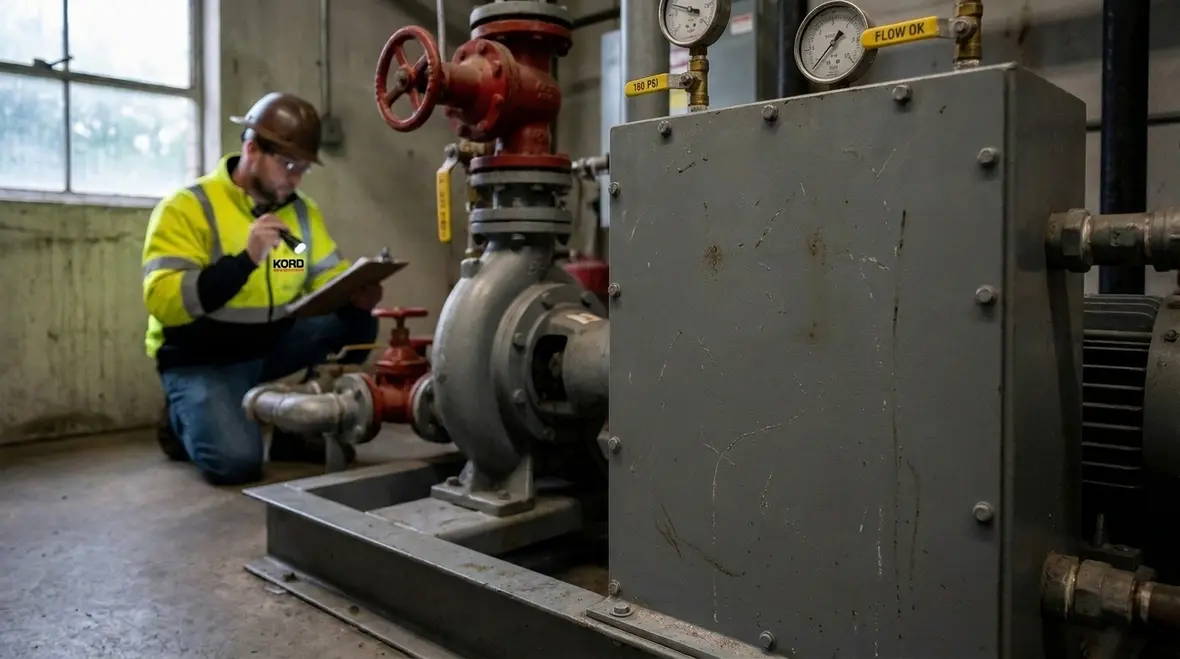
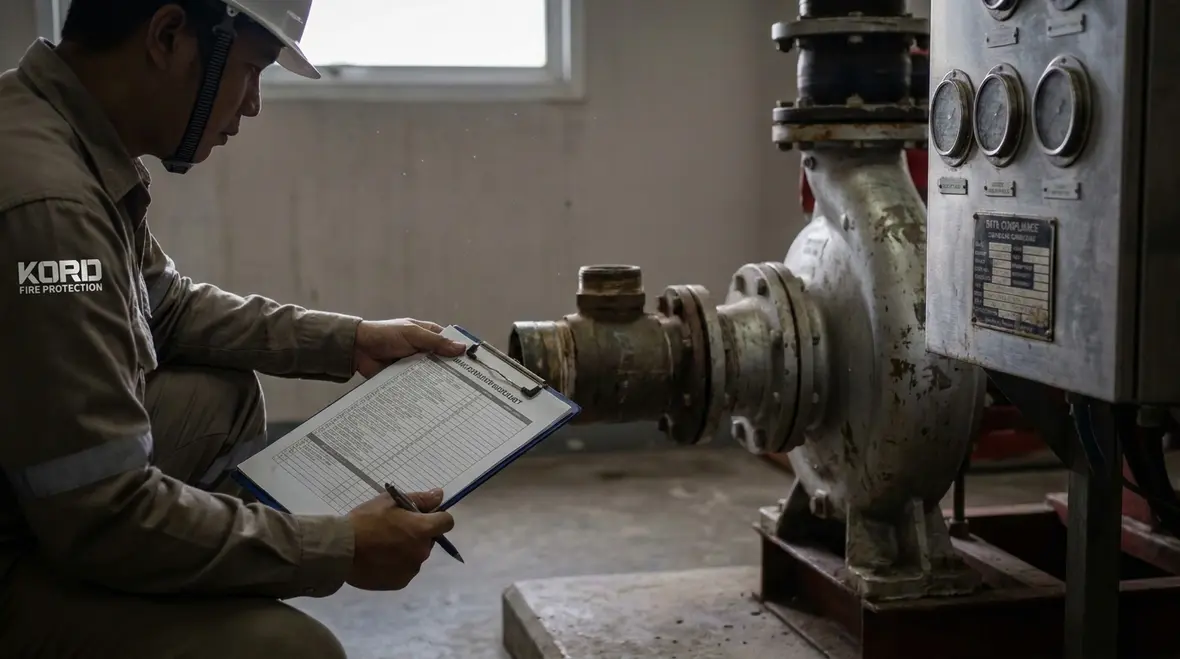
Several issues can affect foam-water system foam pumps over time. Common culprits include worn seals, blocked strainers, poor calibration, air leaks, corrosion, and control faults. Even small problems can interfere with concentrate delivery, which is why regular testing is not some optional extra for people who enjoy clipboards. It is the difference between being prepared and being surprised in the worst possible way.
Environmental conditions also deserve respect. Heat, dust, vibration, moisture, and chemical exposure can all chip away at performance if the equipment area is ignored. A fire protection system should not feel like the forgotten corner of the building where old boxes go to develop personality. Clean access, routine checks, and timely repairs help the pump stay ready to perform the way the design expects.
What facility teams should ask before a pump upgrade
Before upgrading or replacing a foam pump, facility teams should ask a few useful questions. Is the current pump actually sized for the present hazard? Does it still align with the site’s flow and pressure demands? Has the occupancy, process, or building layout changed since the original design? And does the team have a clear service plan once the new equipment is installed? Those questions cut down on guesswork and help avoid spending money on a solution that only looks convincing from a distance.
This is especially important for operators managing multiple sites, because consistency across locations makes training, service planning, and documentation much easier. A structured upgrade process also helps keep compliance efforts organized rather than rushed. In other words, a little planning now can prevent a lot of scrambling later, which is a trade most teams are happy to make.
FAQ
Conclusion
NFPA 16 Section 6.5 gives facilities a clear path for foam concentrate pump performance, and that path matters for safety, uptime, and compliance. The pump is a working part of the suppression strategy, not a background extra with a fancy nameplate. When it is matched correctly to the system and supported by proper service, the entire foam-water arrangement stands a much better chance of performing exactly as intended.
For industrial, retail, and commercial facilities, the right partner can make all the difference. Kord Fire Protection can help keep foam-water systems dependable, practical, and ready for the real world through inspection, maintenance, and compliance-focused support. When the pressure rises, that is the kind of help that counts.

Join Our Newsletter!
Get the latest fire safety tips delivered straight to your inbox From our Newsletter.