
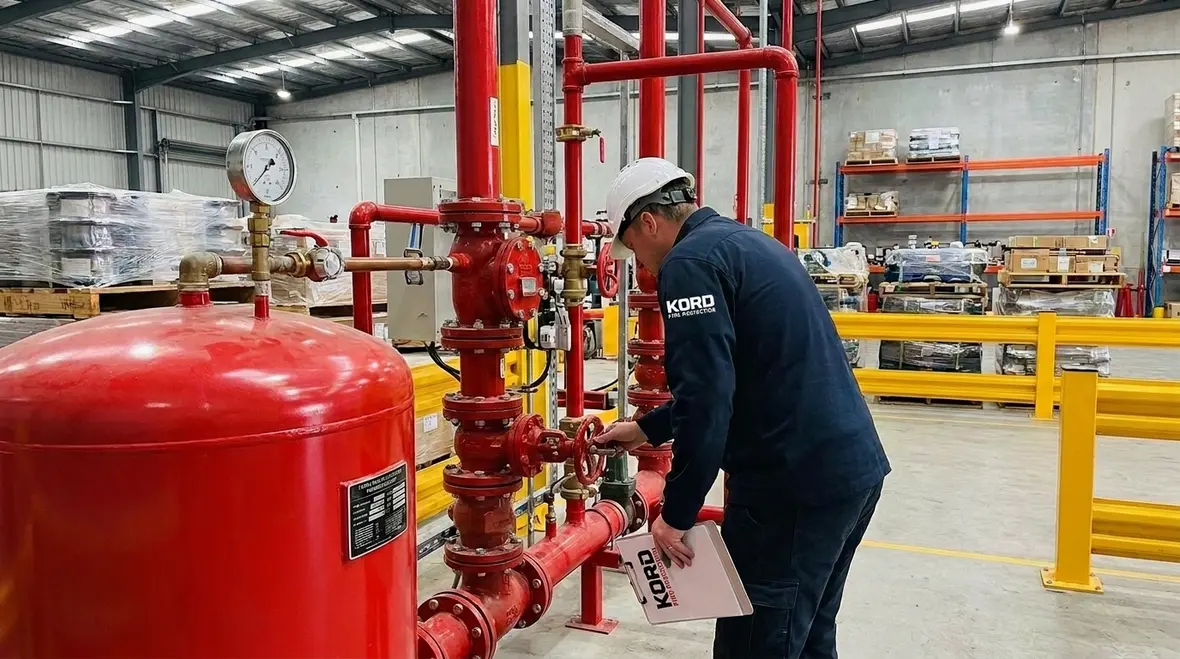
NFPA 16 Section 6.4 Foam Concentrate Proportioning
Quick Answer
NFPA 16 Section 6.4 sets the rules for foam concentrate proportioning means in foam water systems. In plain terms, it helps make sure the foam and water mix at the right rate, at the right time, so fire suppression foam proportioning works when it matters most. For Australian industrial, retail, and commercial sites, Kord Fire Protection can help keep that system ready, compliant, and reliable.
In busy industrial yards, retail storage areas, and commercial facilities, fire risk does not wait for a convenient time. That is why NFPA 16 proportioning means matter. They help control how foam concentrate enters the water stream in foam water system proportioning, which directly affects suppression performance. Fire suppression foam proportioning is not the glamorous side of fire protection, but it is the part that does the heavy lifting. Like a good backup singer, it may not take the spotlight, yet the whole show falls apart without it.
For Australian sites that handle flammable liquids, fuel storage, loading bays, aircraft hangars, or high risk process areas, the right foam system must deliver the right mix every time. That is where NFPA 16 Section 6.4 becomes important, and that is also where foam fire suppression system services from Kord Fire Protection can become a vital part of keeping systems practical, compliant, and ready for real world conditions.
What NFPA 16 Section 6.4 covers in simple terms
NFPA 16 Section 6.4 focuses on the means used to proportion foam concentrate into a foam water system. In simple terms, it asks one basic question: how does the system get the foam into the water at the proper rate? The answer matters because foam that is too weak will not perform well, while foam that is too rich can waste concentrate and upset system balance.
This section supports system reliability by making sure the chosen proportioning method matches the hazard, flow demand, and design intent. It also helps prevent a common problem seen in the field: a system that looks fine on paper but fails to deliver the right foam quality during discharge. Fire protection is funny that way. It is full of brave plans, until pressure, flow, and reality enter the room.
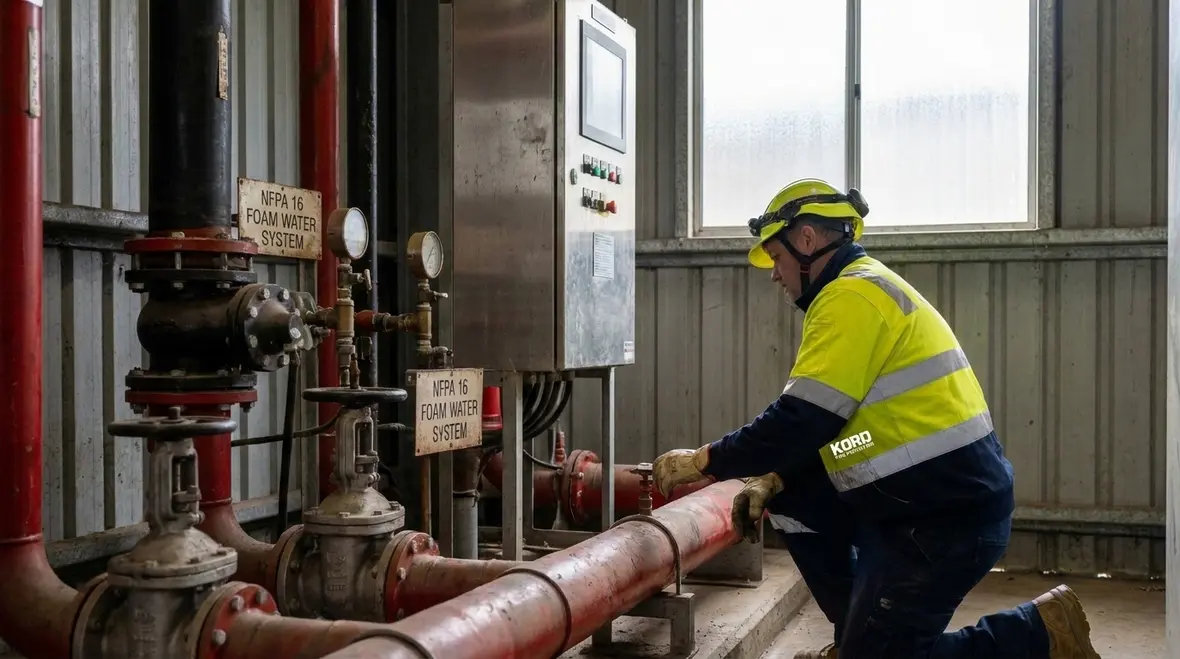
How foam water system proportioning works
Foam water system proportioning mixes foam concentrate with water before the solution reaches discharge devices. This mix must stay stable through valves, piping, and nozzles so the foam blanket forms properly on the fuel surface. When the balance is right, the system can help suppress vapors, cool hot surfaces, and reduce re ignition risk.
Different systems use different proportioning means, and each one has its own strengths. Some work well for fixed hazards with steady flow. Others suit systems that need flexible response across changing conditions. Because of that, design teams must match the proportioning method to the site, the hazard type, and the operating pressure range.
Dual Column Overview
Proportioning means
These are the devices or methods that meter foam concentrate into the water stream.
Why it matters
It controls foam quality, discharge performance, and system reliability during a fire event.
That sounds straightforward, but proportioning is where a lot of systems either prove their worth or reveal their drama. A foam setup can have solid hardware, a neat pipe run, and a confidence inspiring paint job, yet still deliver the wrong mix if the proportioning method does not suit the hydraulic conditions. In other words, a system can look ready while quietly rehearsing for disappointment.
Key design points for fire suppression foam proportioning
Good fire suppression foam proportioning depends on more than a single device. It depends on the whole system working as one. Designers and facility teams should look at flow rate, pressure loss, foam concentrate type, discharge demand, and the location of the hazard. If one of those pieces is off, the system may not produce the correct foam solution.
Maintenance matters just as much. Valves can stick. Lines can clog. Concentrate can age. Calibration can drift. None of that makes the news, but it all shows up when the alarm sounds. Regular inspection and testing help confirm that the proportioning means still deliver the intended mix and that the foam water system can perform under load.
For teams comparing options, it helps to think in terms of performance under real operating conditions, not just catalog promises. The system has to work at the expected flow, across the likely pressure range, with the actual concentrate stored on site, and through the discharge devices chosen for the hazard. That is why related guidance such as NFPA 16 standard requirements can be helpful when reviewing the bigger design picture.
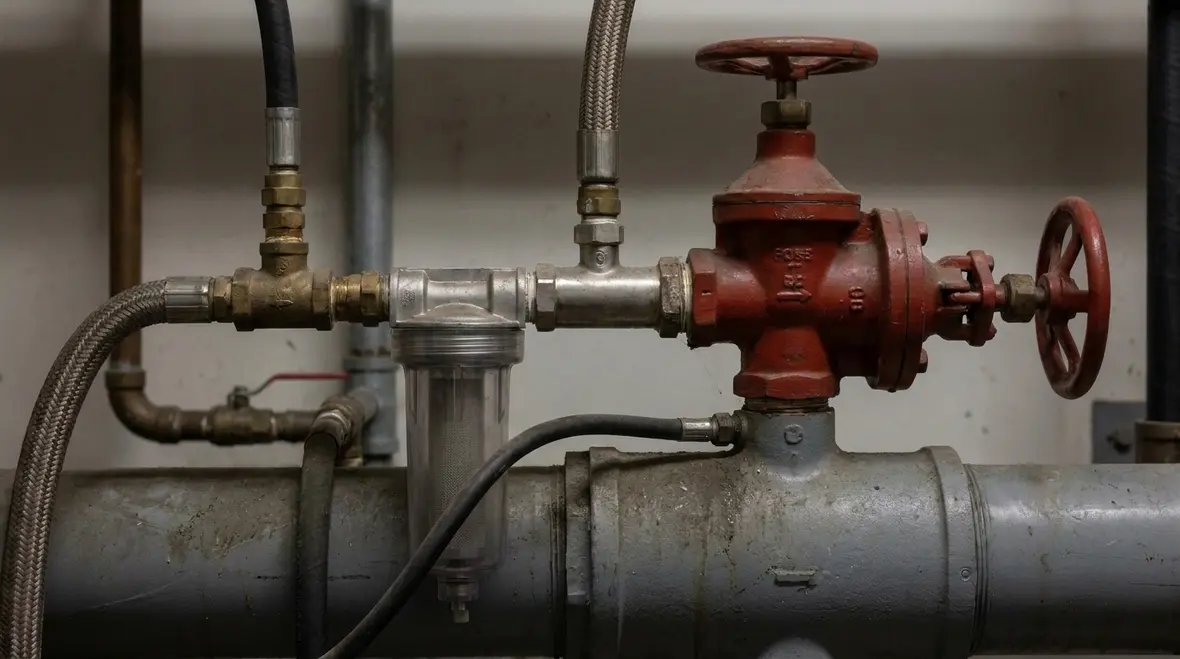
Common issues that can throw the ratio off
- unexpected pressure losses across valves, fittings, or long pipe runs
- foam concentrate that no longer matches the system design or has aged poorly
- changes to the protected hazard without matching updates to the foam setup
- partial obstructions, stuck valves, or calibration drift in proportioning components
- testing gaps that confirm discharge but not actual concentrate ratio
Those issues rarely arrive with a marching band. More often, they creep in after repairs, layout changes, product swaps, or years of routine neglect. Then a site discovers that the system was technically present but practically unprepared, which is one of the least charming surprises in facility management.
Why compliance matters for Australian facilities
Australian industrial, retail, and commercial facilities face a wide range of fire risks. Fuel handling areas, warehouses, plant rooms, chemical storage, and transport depots each bring different challenges. As a result, compliance is not just a paper exercise. It is a practical way to reduce downtime, protect assets, and keep people safe.
NFPA 16 is often used as a technical benchmark for foam system design and performance. While local codes and project needs still shape the final solution, the standard gives a clear framework for proportioning, testing, and system integrity. That helps owners and managers make better decisions, especially when the site has high value stock or critical operations that cannot afford long interruptions.
It also gives project teams a common language. When consultants, contractors, facility managers, and maintenance providers all understand how the proportioning means is supposed to perform, system reviews become clearer and upgrade decisions become less guesswork driven. That does not eliminate every challenge, but it does remove a fair amount of expensive shrugging.
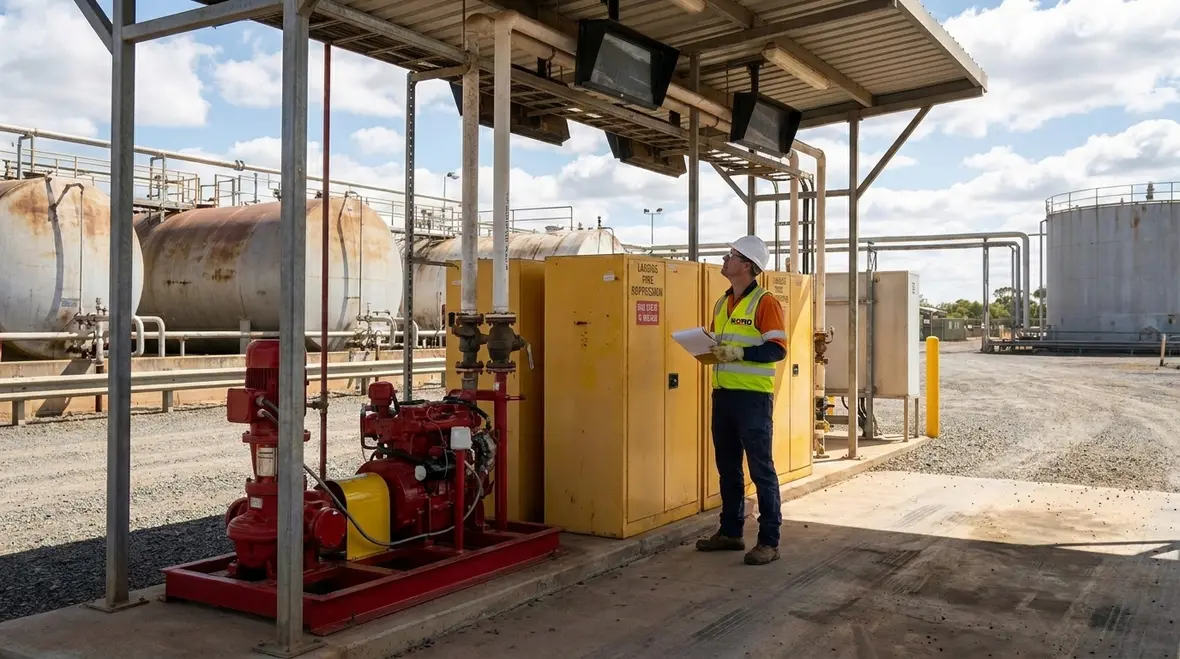
How Kord Fire Protection can help
Kord Fire Protection can become a vital partner for foam water system proportioning because it brings practical experience to a technical job. The right team does not just install parts and walk away like a magician after the trick. It checks the design, confirms the hazard, verifies the proportioning means, and helps ensure the system suits the site’s real world needs.
Kord Fire Protection can support facilities with system reviews for foam concentrate proportioning, design and upgrade advice for foam water systems, inspection and testing plans, and practical compliance support for industrial and commercial sites. That kind of support matters because foam systems often protect high consequence areas where downtime, damage, and uncertainty get expensive very quickly.
- system reviews for foam concentrate proportioning
- design and upgrade advice for foam water systems
- inspection, testing, and maintenance planning
- compliance support for industrial and commercial sites
- practical service that reduces risk and downtime
Because foam systems often protect high consequence areas, having a partner that understands both performance and compliance can save time, money, and stress. And yes, stress loves a fire system issue about as much as a cat loves a bath.
Facilities that want a deeper look at related issues can also explore Kord Fire Protection resources on foam fire suppression inspection requirements and service and foam fire protection system concentrate guidance, both of which fit naturally into a broader proportioning review.
When a foam system needs review
A facility should review its foam system when the hazard changes, the layout changes, the concentrate changes, or the system has not been tested in a long time. It should also be reviewed after repairs, upgrades, or any sign that the discharge pattern or proportioning rate has drifted. In these moments, a proper assessment can prevent a small issue from becoming a very expensive lesson.
Site teams should also keep an eye on storage conditions, concentrate shelf life, and equipment compatibility. Small problems in foam systems tend to grow quietly. Then one day they arrive with sirens.
Another smart trigger for review is operational change. If the site stores a different liquid, adds a process line, repurposes a warehouse zone, or modifies containment arrangements, the original foam assumptions may no longer fit. The fire does not care that the drawing set used to make sense.
FAQ
Conclusion
NFPA 16 Section 6.4 gives facilities a clear path to better foam concentrate proportioning, stronger reliability, and safer fire protection performance. It takes a technical subject and turns it into a practical checkpoint: is the system actually mixing foam and water the way the hazard demands?
For sites across Australia, Kord Fire Protection can help turn that standard into a working solution. When foam water systems must perform, the right partner makes all the difference. Contact Kord Fire Protection to review, improve, or maintain the system before the next alarm writes the story.

Join Our Newsletter!
Get the latest fire safety tips delivered straight to your inbox From our Newsletter.



