
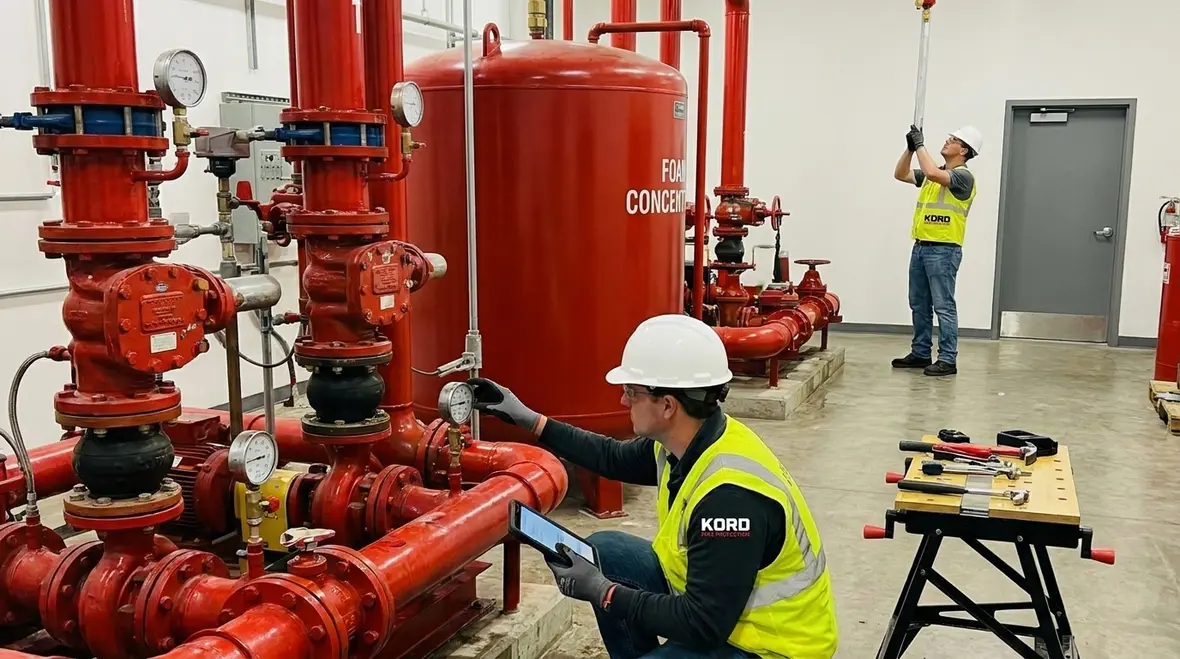
Foam Fire Suppression System Maintenance and Testing
Foam fire suppression system maintenance keeps a facility ready for the moment the unexpected shows up in the form of smoke, heat, or worse. In the real world, a foam system does not “set it and forget it” like a slow cooker. Instead, it needs planned testing, clean inspections, and careful checks of pumps, concentrates, tanks, and discharge hardware. When a business stays on top of foam suppression maintenance, it protects people, limits damage, and helps reduce costly downtime after an incident. And when the work gets technical or time critical, Kord Fire Protection can become a vital partner, not just a vendor who arrives late with a clipboard.
That is exactly why facilities with flammable liquid risks, specialized equipment, or high value operations cannot afford casual upkeep. Kord Fire Protection’s foam fire suppression systems service page emphasizes maintenance, testing, inspection, documentation, and urgent support as part of keeping these systems ready for real use, not decorative duty. The company also notes that suppression systems generally require semi-annual inspection and testing support across commercial and industrial settings, which reinforces the need for a schedule instead of crossed fingers. ([kordfire.com](https://kordfire.com/foam-fire-suppression-systems/?utm_source=openai))
What foam fire suppression maintenance really involves
Many people assume maintenance means a quick look and a signature. That is adorable, like believing a sitcom character never misses a bill. In practice, foam systems rely on the right mix, the right pressure, and the right discharge pattern. Therefore, maintenance usually includes inspecting valves and piping, checking tank levels, verifying foam concentrate condition, and confirming that water supplies and control components perform as designed. Technicians also check for leaks, corrosion, and blockage risks, since residue and scale can quietly ruin performance.
Just as important, they verify that the system can react fast. Foam release does not wait politely. Instead, it needs signals, release timing, and flow paths that match the design. Consequently, a solid program includes both preventive checks and functional testing based on the system layout and local codes.
Why testing matters as much as inspection
Kord’s dedicated foam systems page makes a useful distinction here. Maintenance is not just about keeping hardware clean and presentable. It also includes testing to ensure peak performance and compliance, plus detailed documentation for the facility’s records. That means the goal is not a tidy equipment room and a cheerful sticker. The goal is proof that the system will proportion, discharge, and support incident response the way the design intended. ([kordfire.com](https://kordfire.com/foam-fire-suppression-systems/?utm_source=openai))
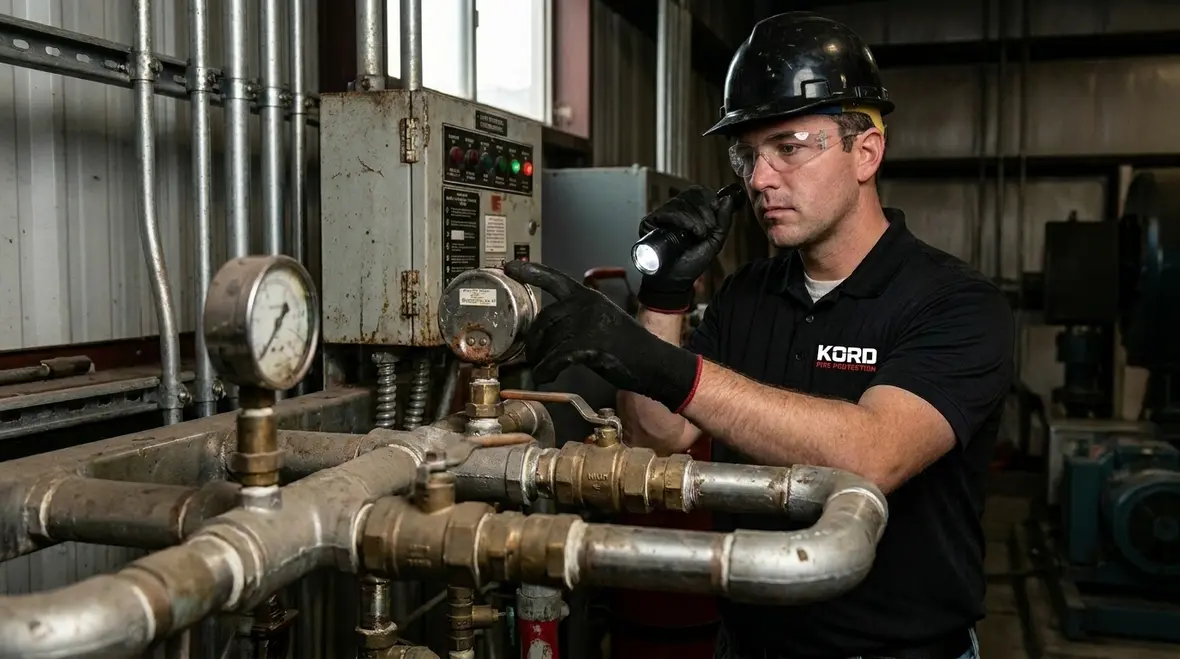
Key parts of the system that need attention
Foam systems look simple from a distance. Under the hood, they are a coordinated team. Technicians focus on several critical areas to ensure the system produces foam with the correct expansion and burnback resistance.
- Foam concentrate: aging, contamination, and proper storage conditions affect quality. If concentrate has degraded, the system may not meet performance expectations.
- Proportioning equipment: this controls the mix of concentrate and water. If it drifts out of spec, foam output can become too weak or inconsistent.
- Pumps and pressure regulators: these must deliver stable pressure. Even small changes can change foam throw distance.
- Valves, strainers, and check devices: these reduce the risk of clogging and backflow. Build up here can create delayed response.
- Discharge nozzles and monitors: clean or damaged components can alter spray patterns and coverage.
- Controls and detection links: the system depends on reliable signals from the fire command path.
Because all these parts interact, one missed detail can compromise the whole sequence. So, during maintenance, Kord Fire Protection helps facilities treat the system as an integrated life safety network, not a pile of parts in a room.
That system view matches the way Kord describes its suppression services more broadly. The company handles installation and maintenance for multiple suppression types, including foam, and stresses that reliable service depends on technicians who understand how the pieces work together in commercial and industrial environments. Kord’s broader fire suppression service resources also point out that inspections, testing, and maintenance should move together, because pressure, piping condition, discharge hardware, and control response do not fail in isolation. ([kordfire.com](https://kordfire.com/fire-suppression/?utm_source=openai))
The foam concentrate is not just another fluid in a tank
Kord’s foam system content repeatedly highlights concentrate condition because the chemistry matters. On its foam service page, the company discusses maintenance and testing as part of keeping systems compliant and ready. On related content covering foam systems for flammable liquid hazards, Kord also points readers back to its foam service resources for inspection, testing, and maintenance. If the concentrate is compromised, everything downstream can look normal right up until the moment performance matters most. ([kordfire.com](https://kordfire.com/foam-fire-suppression-systems/?utm_source=openai))
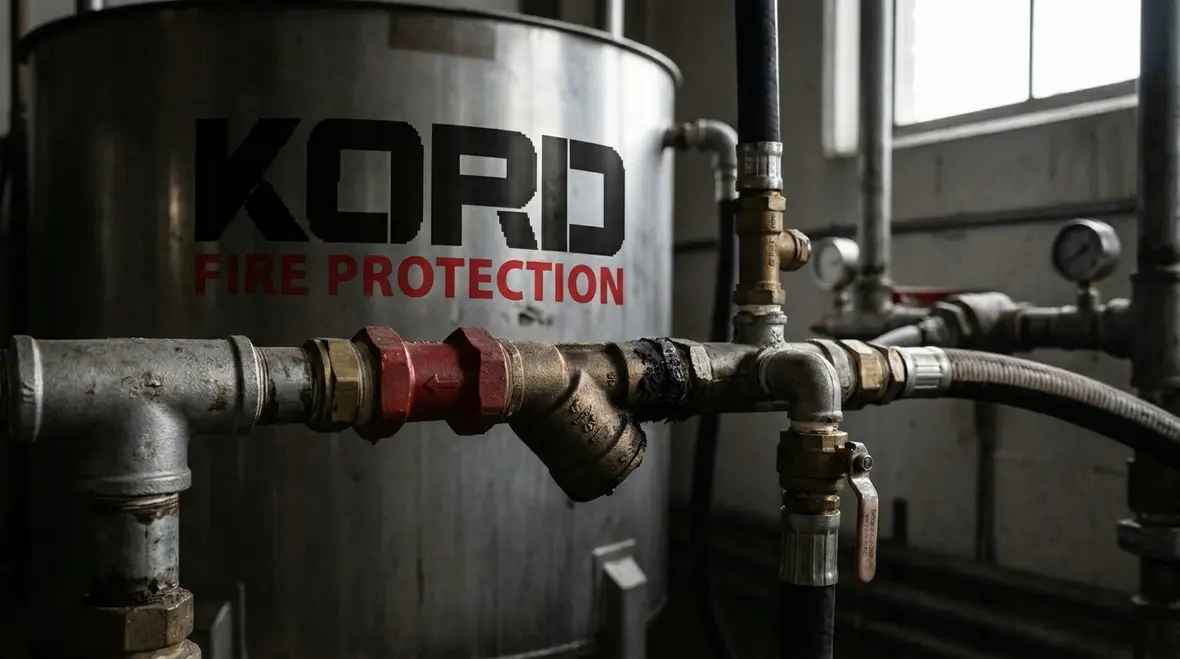
How to build a maintenance schedule that holds up under pressure
A practical schedule balances code requirements, site risk, and the real wear that comes from the environment. For example, foam concentrate can suffer faster in areas with temperature swings or humidity issues. Likewise, dusty locations can increase strain on filters and cause buildup at valves and strainers. Therefore, a strong foam suppression maintenance plan usually includes routine inspections, periodic testing, and documentation that tracks trends over time.
Most facilities benefit from dividing work into layers. First, they schedule visual checks and operational inspections at intervals that match their risk level. Next, they plan functional tests that confirm performance, not just appearances. Finally, they schedule deeper checks, such as internal component inspection and verification of calibration settings. This approach prevents “surprise failures” and keeps the system ready, even when production schedules change and deadlines stack up.
And yes, someone will still forget to report a minor leak until it becomes a bigger issue. That is why trend tracking matters. With proper records, maintenance teams can connect dots before the system starts misbehaving like a bad GPS that insists the highway is closed.
Use records to spot trouble before it turns expensive
Kord’s maintenance checklist guide puts strong emphasis on logs, noting that records should be updated after inspections, tests, repairs, or recharges so teams can track small changes before they become system failures. Its pressure testing article says good records help compare current conditions against previous results and answer questions from auditors, insurers, or internal safety teams. That reinforces a simple truth: documentation is not paperwork for paperwork’s sake. It is how a facility remembers what the equipment is trying to tell it. ([kordfire.com](https://kordfire.com/fire-suppression-system-maintenance-checklist-guide/?utm_source=openai))
Testing and inspection: what good looks like
Testing is where theory meets reality. Technicians check that the foam system produces expected output and responds within acceptable time. They also ensure the system’s control sequence triggers correctly and that all safety interlocks perform as designed.
During inspections, they commonly do the following:
- Verify tank levels, concentrate condition, and storage conditions
- Inspect piping runs for corrosion, damage, or signs of leakage
- Examine strainers and clean where needed to maintain flow
- Check valve operation and confirm proper positions
- Review maintenance logs and incident history for patterns
- Confirm test equipment calibration so results stay trustworthy
Then, during functional testing, they confirm that the foam solution proportioning stays accurate and that discharge patterns match the system design intent. If the site uses remote actuations or monitoring links, they test those interfaces too. In short, they aim to prove the system works, not just that it exists.
Kord’s foam fire suppression page specifically highlights testing, maintenance, inspection, detailed documentation, and 24/7 support as part of comprehensive service. Related Kord content on solenoid checks and pressure testing adds detail around calibration, proper test methods, control response, and comparing results over time. Put together, that paints a pretty clear picture of what “good” looks like: measurable, documented, repeatable performance, not vibes. ([kordfire.com](https://kordfire.com/foam-fire-suppression-systems/?utm_source=openai))
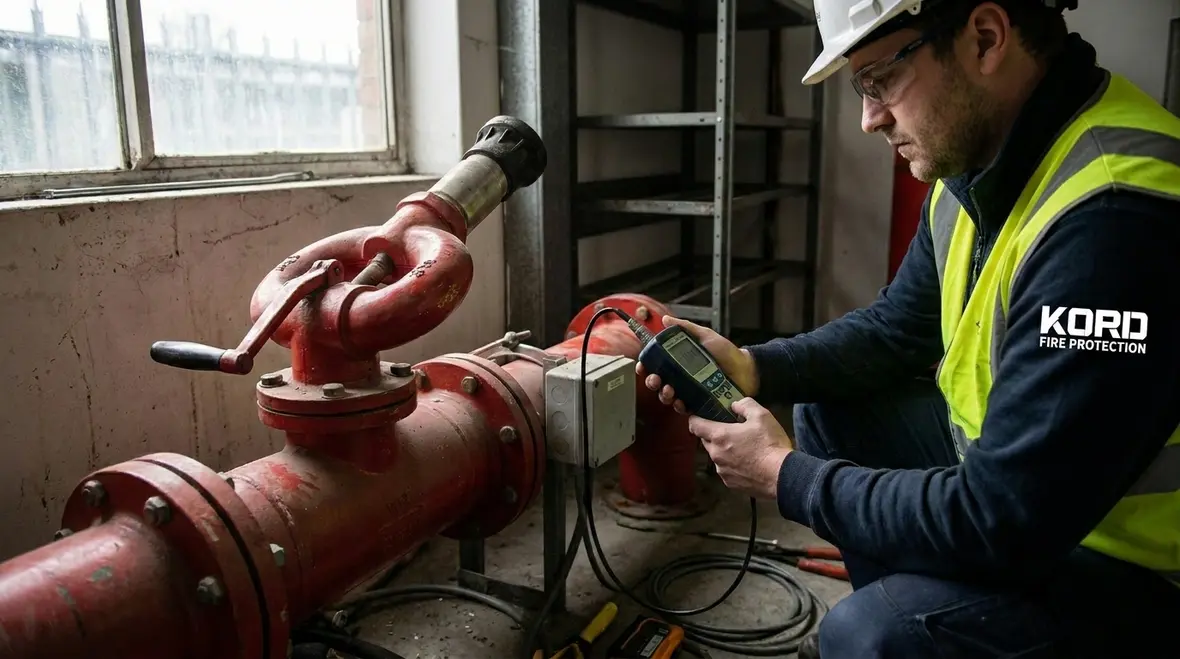
Common issues that quietly reduce performance
Foam systems do not always fail in dramatic ways. More often, performance drops in slow motion. Technicians look for the subtle problems that show up after months of normal operations.
- Concentrate degradation from poor storage conditions or age
- Proportioner drift caused by wear, contamination, or calibration changes
- Clogging in strainers, filters, or discharge paths
- Corroded piping that restricts flow or affects pressure stability
- Valve sticking from debris, lack of exercise, or internal wear
- Documentation gaps where maintenance records do not match what was actually done
When these issues pile up, the system may still “run” during a test, but it may not deliver the right foam quality under real fire conditions. That is where Kord Fire Protection can help. They approach foam suppression maintenance with a business mindset: find the weakness, fix it, and verify the outcome so a facility can trust the system when it matters.
Kord’s articles about maintenance checklists, system design, solenoid testing, and pressure testing all support the same pattern. Systems usually whisper before they scream. Pressure shifts, wiring issues, sticky components, and incomplete logs can all undermine readiness without producing a dramatic immediate failure. Facilities that respond early spend less time dealing with emergency surprises later. ([kordfire.com](https://kordfire.com/fire-suppression-system-maintenance-checklist-guide/?utm_source=openai))
Why Kord Fire Protection works as a vital partner
Maintenance is not only technical. It is also scheduling, communication, and accountability. Many companies struggle to coordinate contractors, spare parts, and access needs. Consequently, systems sit longer than they should, and documentation gets delayed. Kord Fire Protection supports the full process so the facility stays compliant and protected.
They help clients by combining hands on field work with clear reporting. That means facilities receive practical feedback, not mystery talk. In addition, Kord Fire Protection supports ongoing planning so foam suppression maintenance aligns with operations instead of interrupting them without notice. Think of it as having a calm professional in the room who keeps everyone moving forward, even when the alarm panel decides to be dramatic.
For businesses with multiple risk areas, Kord Fire Protection can also help prioritize where maintenance attention will deliver the biggest impact. As a result, leaders can spend money wisely and focus on the systems most likely to matter during a real event.
That partner role shows up across the Kord site. The company describes itself as handling installation and maintenance for suppression systems in commercial and industrial properties, offering a range of specialized services and practical support. On the foam systems page, Kord also highlights comprehensive service, detailed documentation, and on call support. Near the planning side, the broader design and maintenance guide points readers toward tailored service plans that connect inspections, upgrades, and long term upkeep. ([kordfire.com](https://kordfire.com/fire-suppression/?utm_source=openai))
Helpful Kord resources for smarter foam system planning
If you are building or refining a maintenance program, a few Kord resources are worth keeping nearby. The article on foam system fire protection for flammable liquids gives useful context for where these systems fit best. The fire suppression system maintenance checklist guide helps connect day to day recordkeeping with actual readiness. And the piece on fire suppression system pressure testing for safety is a solid reminder that test results need to mean something, not just fill a binder. ([kordfire.com](https://kordfire.com/foam-system-fire-protection-for-flammable-liquids/?utm_source=openai))
FAQ
Ready to protect performance, not just paper compliance
Foam fire suppression systems need steady attention, clear testing, and accurate documentation to perform when it counts. A strong program reduces downtime, supports compliance, and helps prevent slow performance loss that only shows up during an emergency. If your facility wants a partner who handles the details with calm confidence, Kord Fire Protection can support foam suppression maintenance from inspection to verified results.
For a direct next step, review Kord Fire Protection’s Foam Fire Suppression Systems service page or explore broader Fire Suppression Services to schedule a service review and keep your system ready, not hopeful. ([kordfire.com](https://kordfire.com/foam-fire-suppression-systems/?utm_source=openai))

Join Our Newsletter!
Get the latest fire safety tips delivered straight to your inbox From our Newsletter.



