
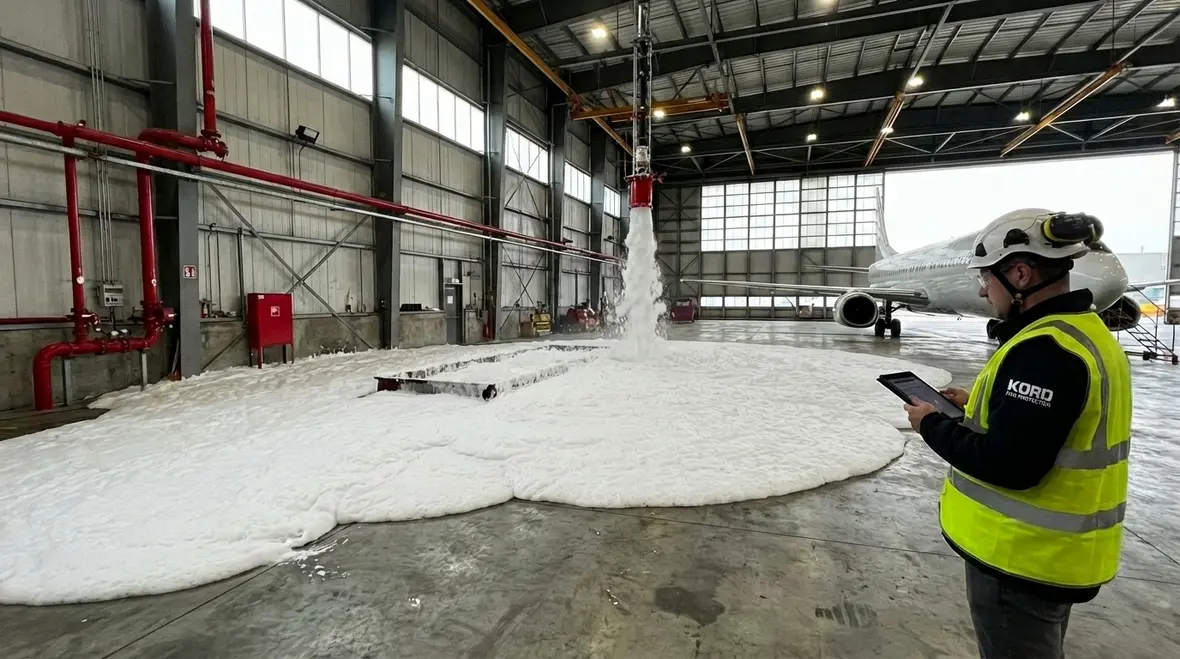
Foam System Fire Protection for Flammable Liquids
In facilities where fuel flows like water and vapors linger in the air, fire does not behave politely. It moves fast, feeds on liquid surfaces, and laughs at ordinary sprinklers. That is where foam system fire protection steps into the story. Within the first moments of ignition, this specialized suppression method spreads a thick blanket over flammable liquids, starving flames of oxygen and sealing in vapors before they can reignite. Kord Fire Protection technicians often explain it in simple terms: “If water cools a fire, foam suffocates it.” And when millions of dollars in assets and human lives hang in the balance, suffocation is exactly what those flames deserve.
What follows is a deep look into how these systems work, why they matter, and how industries across the country rely on them to keep high risk environments safe. For an NFPA code-focused overview of foam design standards, Kord’s guide to the NFPA 11 Standard is a valuable companion resource.
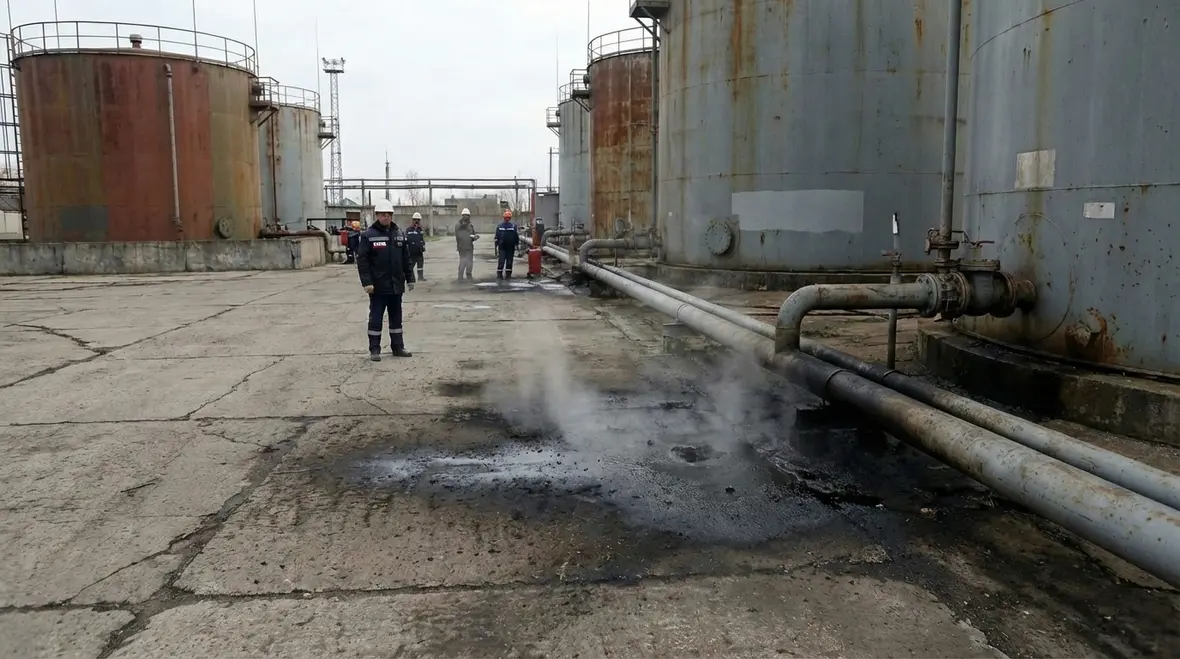
Understanding Flammable Liquid Risks in Modern Facilities
To appreciate why foam based suppression matters, one must first understand the enemy. Flammable liquids behave differently from ordinary combustibles like wood or paper. Instead of burning solid material, the fire feeds on vapors rising from the liquid surface. Therefore, even a small spill can create a large hazard zone.
Consider fuel depots, aircraft hangars, chemical plants, paint storage rooms, and loading docks. In these environments, a spark does not politely stay in one place. Instead, vapors travel, settle, and ignite in unpredictable patterns. Consequently, traditional water sprinkler systems often struggle. Water can spread certain burning liquids, and in some cases, it may even intensify the situation.
Kord Fire Protection technicians frequently walk facility managers through this reality. They explain that Class B fires demand a strategy designed specifically for liquid fuels. While water cools, it does not form the sealing layer required to stop vapor release. Foam, on the other hand, creates a stable blanket that interrupts the fire triangle at multiple points.
Moreover, regulations from organizations like NFPA require specialized suppression methods in many high hazard occupancies. NFPA 30, for example, regulates how flammable and combustible liquids are stored and handled, while NFPA 16 addresses foam-water sprinkler and spray systems used to protect them. Facilities that store large volumes of these fuels should reference resources such as Kord’s overview of how NFPA 30 regulates flammable liquids and the NFPA 16 standard when evaluating their risk profile.
How Foam System Fire Protection Works in High Hazard Environments
At its core, a foam suppression setup blends water, foam concentrate, and air. However, the science behind that blend is where the magic happens. When discharged, the solution expands into a mass of bubbles. Those bubbles spread across the surface of a flammable liquid, forming a cohesive blanket.
First, the foam suppresses vapors. Without vapor, the fire loses its fuel source. Next, the water content within the foam cools the surface. Finally, the blanket separates the liquid from oxygen. Three problems solved in one smooth motion.
Kord Fire Protection technicians often compare it to placing a lid on a boiling pot. Once covered, the steam has nowhere to go. Similarly, when properly applied, foam prevents reignition even after visible flames disappear.
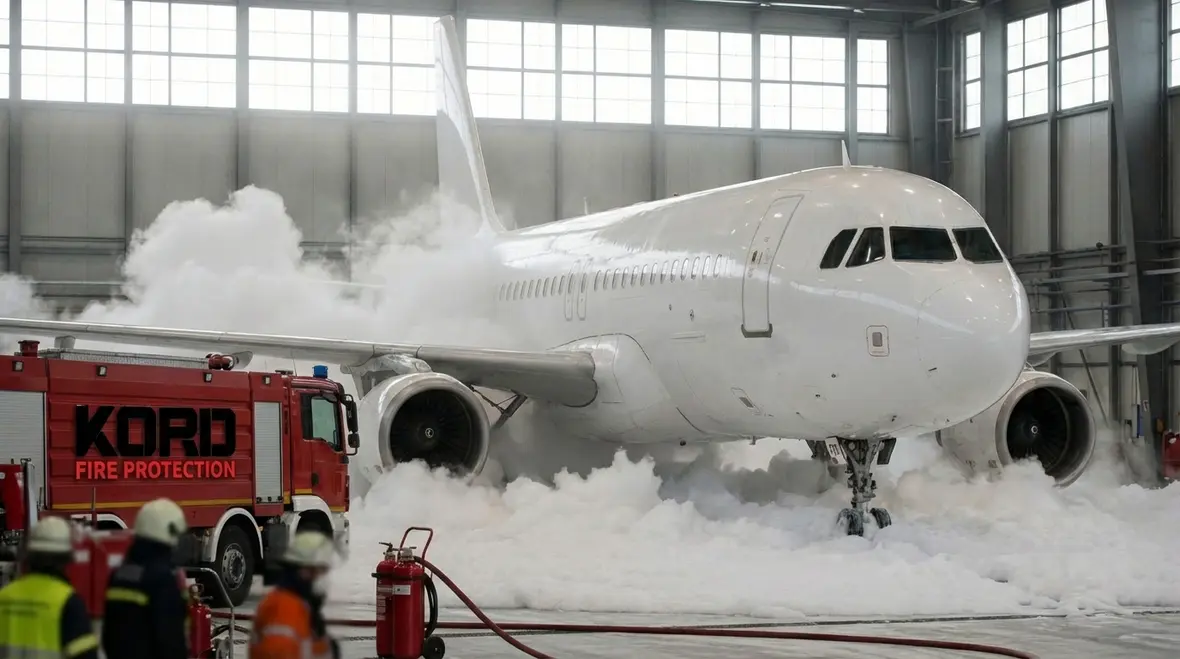
Additionally, modern systems can activate automatically through heat detection, flame detection, or manual release stations. This flexibility allows facilities to tailor response times based on risk levels. For example, aircraft hangars often rely on rapid discharge systems capable of flooding an area within seconds. In contrast, fuel storage areas may use foam chambers or pourers designed for controlled surface application.
Because each environment presents unique hazards, design precision matters. Flow rates, discharge density, and concentrate ratios must align with the specific fuel type. Gasoline, alcohol based fuels, and crude oil all respond differently. Therefore, proper engineering is not optional. It is critical, and NFPA 11 provides the baseline criteria for low-, medium-, and high-expansion foam used in these systems.
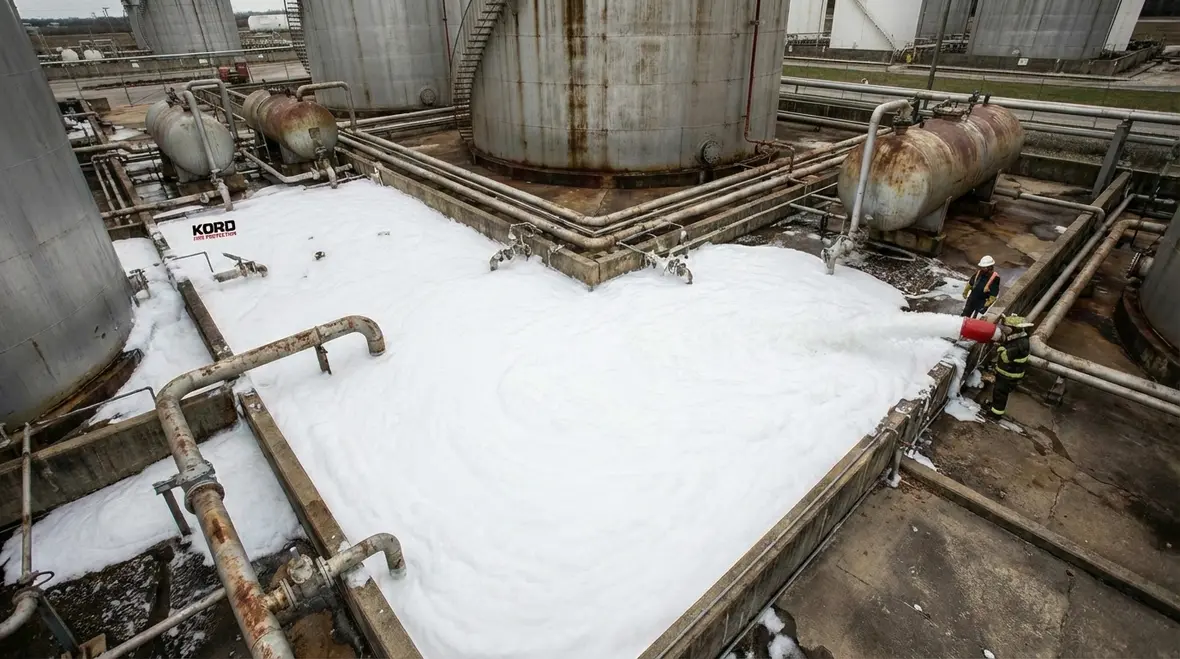
Components That Make a Foam Suppression System Reliable
A dependable system relies on more than just foam concentrate. Each component plays a role, and if one fails, the entire strategy can falter. That is why experienced technicians emphasize regular inspection and testing.
Below is a clear look at the primary components and their functions.
Component
Purpose in the System
Foam Concentrate
Creates the vapor suppressing blanket when mixed with water
Proportioner
Ensures correct foam to water ratio
Storage Tank
Holds foam concentrate securely
Discharge Devices
Applies expanded foam to hazard area
Detection System
Triggers automatic activation
Control Panel
Manages system logic and alerts
Each part must function in harmony. Consequently, inspections often include proportioning tests, visual inspections, and concentrate analysis. Kord Fire Protection technicians take time to explain these steps to facility teams, ensuring they understand not just what is being tested but why it matters.
Where Foam Based Fire Suppression Makes the Biggest Impact
Some environments practically demand advanced suppression. For instance, aircraft hangars present a unique blend of fuel, confined space, and high asset value. In these spaces, even a brief delay can cause catastrophic loss. Therefore, many hangars rely on high expansion foam systems capable of filling large volumes quickly.
Fuel storage terminals also benefit greatly. Here, foam chambers apply gentle surface coverage to avoid disturbing the fuel. Likewise, chemical processing plants use foam deluge systems to protect loading racks and transfer stations.
Even warehouses storing flammable liquids in drums or totes require careful evaluation. While not every facility needs full scale foam flooding, many require localized application systems. As Kord Fire Protection technicians often note, the right solution depends on fuel type, storage method, and building layout.
Interestingly, the entertainment industry even uses similar principles for certain special effects. Of course, Hollywood flames are controlled. Real world fuel fires are not nearly as cooperative. They do not wait for a director to yell cut.
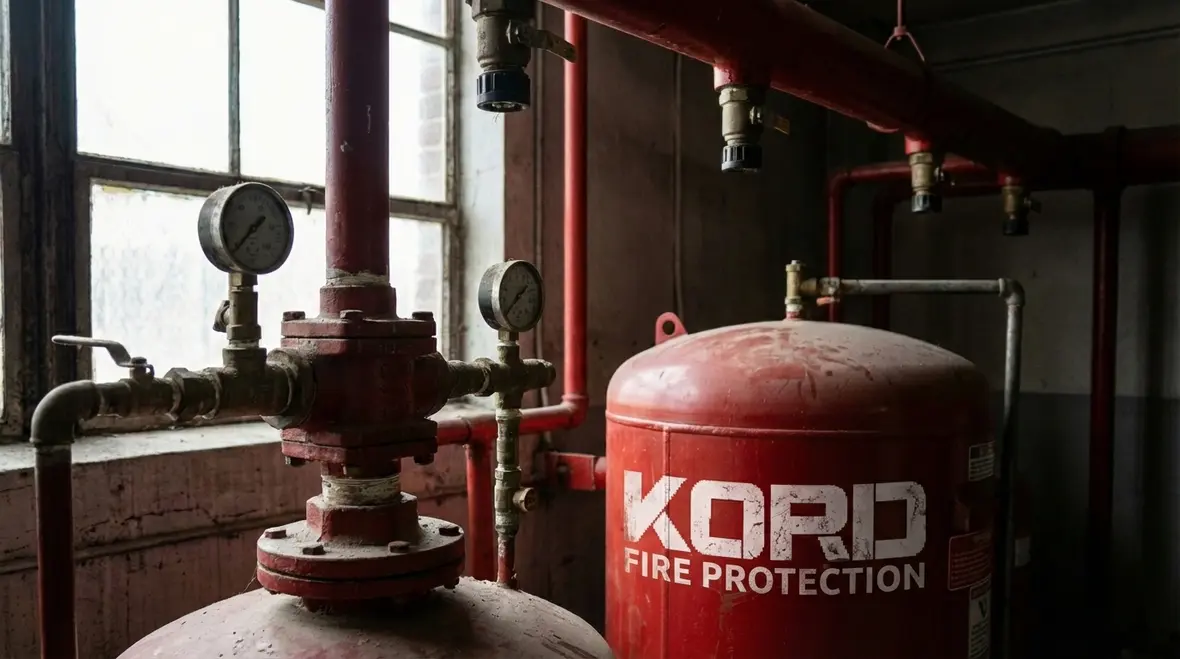
Design Considerations That Separate Average from Exceptional Protection
Designing a foam suppression system requires more than selecting equipment from a catalog. Engineers must calculate discharge density based on square footage and fuel characteristics. Furthermore, they must determine the required application duration, which often ranges from 10 to 65 minutes depending on the hazard.
Water supply also plays a vital role. Adequate pressure and flow must sustain both foam production and distribution. Therefore, many facilities integrate dedicated fire pumps and backup power sources.
Another key factor involves compatibility. Certain foam concentrates perform better with hydrocarbon fuels, while others handle polar solvents like alcohol. Selecting the wrong type can compromise effectiveness. Consequently, consultation with experienced professionals becomes essential.
Kord Fire Protection technicians frequently collaborate with engineers, insurance representatives, and local authorities. By aligning system design with code requirements and operational needs, they help facilities avoid costly redesigns later. In other words, measure twice, install once.
Linking Design Back to NFPA Standards
NFPA 11 and NFPA 16 lay the groundwork for foam and foam-water systems, defining everything from acceptable concentrates to discharge rates and application methods. When Kord’s team designs or upgrades systems, they pair practical site experience with these documents so that a hangar in Southern California, a refinery loading rack, or a dense warehouse of flammable liquids gets coverage that both performs in real emergencies and stands up to plan review.
Inspection, Testing, and Maintenance for Long Term Reliability
Even the best system can fail without proper upkeep. Over time, foam concentrate can degrade. Valves can corrode. Proportioners can drift out of calibration. Therefore, routine inspection is not just paperwork. It is performance assurance.
Industry standards typically require:
Monthly visual inspections to confirm valves remain in proper position.
Annual proportioning tests to verify correct foam mixture ratios.
Periodic foam sample analysis to confirm concentrate integrity.
Full system discharge tests at scheduled intervals when required.
Additionally, facility staff should receive training on manual activation procedures. During an emergency, hesitation wastes time. Clear instruction builds confidence.
Kord Fire Protection technicians often conduct on site demonstrations, walking teams through system components and answering practical questions. They understand that knowledge reduces panic. And in fire protection, calm action saves lives.
What Should a Facility Manager Ask About Foam Fire Protection?
Facility managers often turn to search engines or AI tools with practical questions. Below are clear answers delivered without technical fog.
The Last Line of Defense Done Right
Fire does not negotiate. It does not care about quarterly profits or production deadlines. However, preparation changes the outcome. A properly designed and maintained foam suppression strategy stands as a silent guardian over high risk operations.
Kord Fire Protection technicians bring clarity to a topic that often feels complex. They translate code into action and equipment into confidence. For facilities facing flammable liquid hazards, the right system does more than meet regulations. It protects people, property, and peace of mind.
When the risk involves fuel, do not leave protection to chance. Connect with experienced professionals who understand foam solutions from design to maintenance. A single conversation today can prevent a headline tomorrow. Let expertise stand between your facility and the next spark.
If your operation handles flammable liquids and you are unsure whether your protection is keeping up with today’s standards, explore Kord’s dedicated Foam Fire Suppression Systems service page. From there, you can easily request a quote or contact the team to review your hazards, codes, and options in detail.
Know Your Weapon Before You Fight the Flame
Kord Fire Protection is your go-to when it comes to all things fire protection. For over 20 years, we’ve been serving Southern California with the quality service and equipment to keep your home or business safe at all times. Our competitive prices reflect our unwavering commitment to protecting what matters most in the event of a fire emergency. Give us a call, send an email, or use that form!

Join Our Newsletter!
Get the latest fire safety tips delivered straight to your inbox From our Newsletter.


