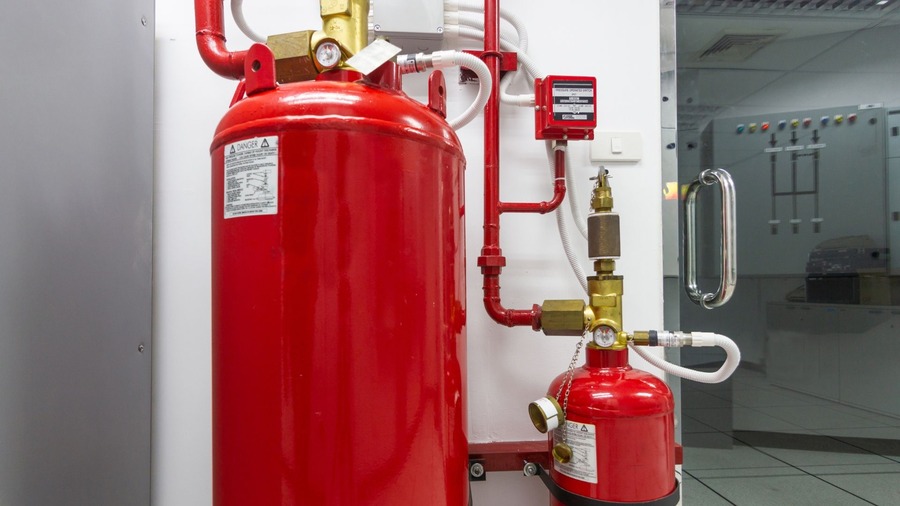
Delta Fire Foam Delivery Systems By Kord Fire Protection
In the world of fire protection, Delta fire foam delivery systems help move the right foam to the right place, fast. From warehouse bays to aircraft hangars, these systems deliver foam with controlled pressure, consistent patterning, and dependable coverage. And because the details matter, Kord Fire Protection technicians often explain the process in plain language on site, so teams know what the equipment does and why it matters. After all, a fire does not wait for training schedules. So, while people may treat fire suppression like a “set it and forget it” gadget, the truth is more like a carefully choreographed delivery service, minus the pizza.
Overview of How It Works for Foam Delivery
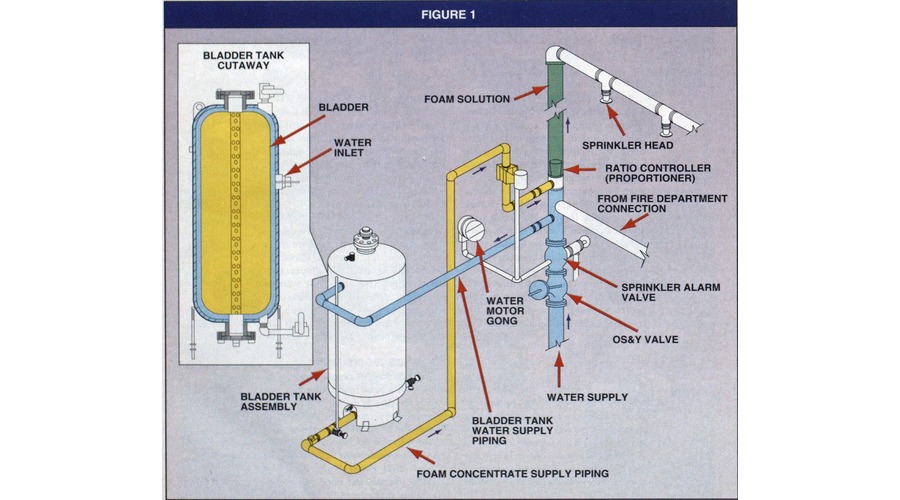
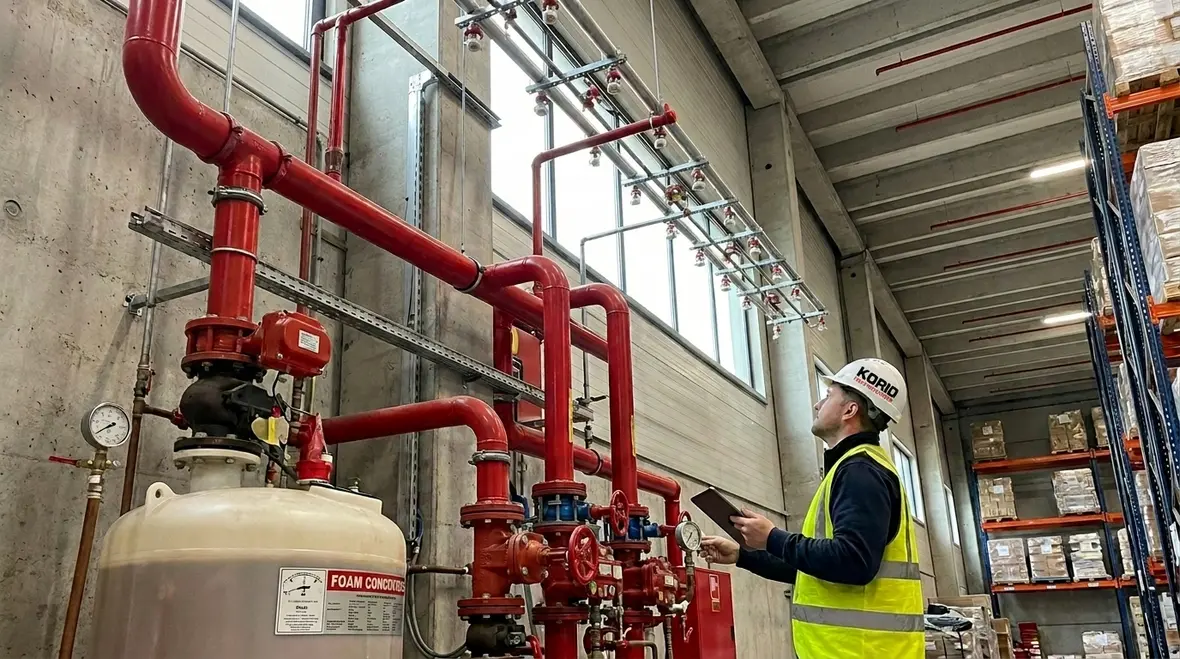
Delta fire foam delivery systems rely on a clear chain of events: foam concentrate and water meet, the mixture forms foam, then that foam moves through the distribution network to the hazard area. First, the concentrate usually feeds into a mixing point where it combines with water at a controlled ratio. Next, the foam solution travels to the discharge components, where a nozzle or outlet produces foam with the right expansion and stability.
Because conditions change in real buildings, the system also aims for consistency. For example, pressure regulation helps keep foam formation steady even when water supply pressure fluctuates. Moreover, valves manage flow paths so the foam can reach the intended zone, rather than wandering off like a cat in a new apartment.
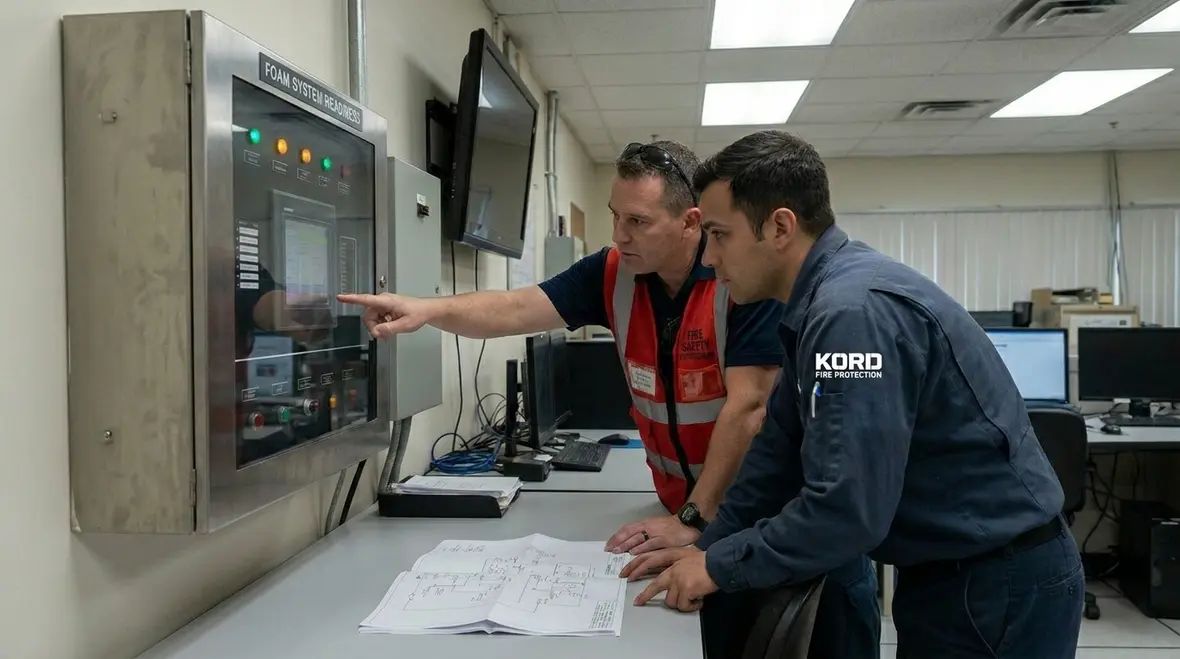
At this stage, technicians from Kord Fire Protection often walk through the “why” with the people responsible for operations. They explain how the foam type supports the hazard, how the distribution layout affects coverage, and how the system’s controls coordinate with other safety features. In other words, the equipment works best when people understand what it is doing, not when they guess.
Real World Use Cases Across Common Facilities
In practice, fire foam delivery focuses on hazards where plain water is not enough. Foam can help separate fuel from oxygen and can also cool surfaces, which is important when ignition sources challenge containment.
Industries that often benefit include:
- Industrial fuel and chemical storage where flammable liquids create fast spreading fires
- Aircraft hangars where fuel hazards demand coverage and knockdown
- Marine and port facilities where spills and ignition risks occur around equipment and transfer points
- Loading and unloading areas where spills can happen during routine operations
- Machinery rooms with flammable liquids where leaks can develop over time
Then there are the everyday “real” scenarios. A tank farm operator may need foam that forms reliably under changing wind conditions. A facility manager may want distribution that supports multiple compartments. Additionally, the design must account for obstacles like beams, stairs, and equipment racks that can block spray patterns. That is why Kord Fire Protection technicians often review site plans and walk the hazard footprint before finalizing assumptions.
When the system activates, the goal stays simple: deliver foam to cover the hazard quickly enough to stop escalation. While the fire may look chaotic, the system aims for controlled behavior, like a steady metronome, not a drummer who just learned the concept of tempo.
Strengths of Foam Delivery Systems and Where Caution Helps
Delta fire foam delivery systems offer several strengths that make them a strong choice for the right hazards. First, foam delivers an effective seal over flammable liquids, which helps reduce vapors and slows fire spread. Second, the system design supports repeatable discharge patterns, so coverage does not depend on guesswork during an emergency. Third, foam solution can cool and protect surfaces, which can improve survivability for certain exposed materials.
However, strengths do not erase limits. Foam systems depend on correct concentrate selection and correct mixing ratios. If the wrong concentrate is used, or if the system runs with incorrect calibration, performance can drop right when people need it most. Also, some environments demand strict control of water quality, since impurities can affect foam formation. And in areas with heavy dust or corrosive atmospheres, components need extra attention to avoid buildup and degradation.
There is also the practical angle. Foam discharge can create cleanup work, especially in occupied spaces. Therefore, facilities must plan for post-activation procedures, including safe recovery and environmental handling when required. In short, these systems perform well, but the facility must treat them like life safety equipment, not like a tool that only gets used during testing.
Ongoing Maintenance Needs and What Technicians Typically Check
To keep fire foam delivery dependable, maintenance must remain consistent and documented. Over time, concentrate can settle, valves can drift from wear, and nozzles can collect debris. Additionally, temperature changes can affect materials used in hoses, gaskets, and seals. For that reason, Kord Fire Protection technicians typically follow a schedule that covers both system inspection and functional checks.
Common maintenance focus areas include:
- Concentrate condition checking for separation, expiration status, and proper labeling
- Valve operation verifying smooth movement and correct flow paths
- Nozzle and outlet condition confirming that discharge patterns remain within expected limits
- Pipe and strainer inspection removing buildup that can restrict flow
- Electrical and control components confirming correct signals and switch status
- Hydraulic performance reviewing pressures and flow rates during required checks
Just as important, teams must keep spare parts and concentrate available. If a component fails during an inspection, time matters. The longer repairs take, the less confidence the organization has in emergency readiness. Then, after any repair, technicians should confirm that the system returns to the approved configuration.
Maintenance is where calm preparation beats last minute panic. Fire protection professionals understand this, and that is exactly why Kord Fire Protection technicians take time to explain findings to the people who manage the assets.
Relevant NFPA and Local Code Requirements to Plan Around
Any foam system plan needs alignment with applicable standards and local codes. The most commonly referenced guidance for foam systems often includes NFPA documents that govern storage, design, installation, inspection, testing, and maintenance. In many cases, facilities also coordinate with local fire marshal requirements and permit conditions.
Rather than relying on memory, responsible teams confirm the required standard set during design and during recurring inspection cycles. For example, the facility might follow NFPA guidance that covers foam concentrate storage, system acceptance, and ongoing testing intervals. Meanwhile, the local authority may add details on labeling, inspection documentation, and maintenance proof.
Because code language can vary by system type, hazard class, and occupancy, Kord Fire Protection technicians typically review the project scope against the relevant standard references and local requirements. This keeps documentation clean and reduces surprises during inspections. And yes, inspections can feel like pop quizzes, but they are not meant to be stressful when planning happens early.
Designing Coverage and Discharge Performance for Success
Effective foam delivery does not start at the nozzle. It starts with design. First, engineers and fire protection teams map the hazard area and determine foam application needs based on fuel surface characteristics, spill behavior, and anticipated fire duration. Next, they design the distribution network to match coverage requirements, accounting for obstacles and slope conditions that influence how foam flows.
Then comes the selection of discharge outlets. For instance, the design may call for outlets that support expansion where needed, or outlets that focus on faster application for certain fuel exposures. Additionally, the system must consider how foam behaves when it contacts heat and smoke. If foam can collapse due to heat load or contamination, designers may adjust parameters to support better foam stability.
After design, the system installation must maintain the intended hydraulics. Even small deviations in piping layout, valve settings, or mixing components can create performance drift. Therefore, commissioning matters. Technicians test flow, verify ratios where applicable, and confirm that discharge timing aligns with the design assumptions.
To keep outcomes strong, facilities often pair technical review with operator training. That way, people know what to do when alarms activate, how to secure hazards safely, and how to report system status. Kord Fire Protection technicians frequently support this approach by explaining the system logic and the practical steps that follow activation.
Using These Systems With Confidence: People, Procedures, and Readiness
When a facility uses fire foam delivery systems properly, it treats them like a controlled response tool, not a last resort. First, it sets clear roles for who monitors, who initiates response, and who contacts maintenance. Then, it builds procedures around safe shutdown, hazard isolation, and post discharge recovery. Also, it updates emergency plans so responders know where foam will discharge and how long it must remain effective.
In daily operations, teams should also plan around documentation. That means keeping records of inspection results, concentrate inventory, test dates, and any corrective actions. Finally, the facility can reduce confusion by training staff on the difference between alarm response and system discharge behavior. And if that sounds like a lot, well, it is. But it is less work than explaining to insurance why the system was “technically there” but not ready.
At Kord Fire Protection, technicians can help facilities set up that readiness mindset through walkthroughs, maintenance support, and straightforward explanations that people remember under pressure.
Frequently Asked Questions
Conclusion: Move From Setup to Proven Readiness
Delta fire foam delivery systems can protect high risk areas when they receive the right design, correct concentrate selection, and careful ongoing maintenance. When the system stays tuned and documented, responders gain confidence and operations gain stability. If this facility needs a design review, maintenance plan, or code focused inspection support, Kord Fire Protection technicians can help guide the process from explanation to action. Take the next step today and schedule a consult, so readiness stays real and the next emergency does not turn into a guessing game.
Ready for a foam delivery plan that does not guess?
Let Kord Fire Protection help validate the details: design assumptions, maintenance readiness, and inspection support.
Know Your Weapon Before You Fight the Flame
Kord Fire Protection is your go-to when it comes to all things fire protection. For over 20 years, we’ve been serving Southern California with the quality service and equipment to keep your home or business safe at all times. Our competitive prices reflect our unwavering commitment to protecting what matters most in the event of a fire emergency. Give us a call, send an email, or use that form!

Join Our Newsletter!
Get the latest fire safety tips delivered straight to your inbox From our Newsletter.