

Foam Fire Suppression System Guide By Kord Fire Protection
When businesses need dependable protection, a foam fire suppression system often becomes the quiet hero in the background. Instead of waiting for flames to grow louder, the system acts fast by flooding the hazard area with foam that smothers and cools fire. In this guide, Kord Fire Protection will also show how the right partners matter, because even the best foam system can underperform if it is designed poorly or maintained like a forgotten phone charger.
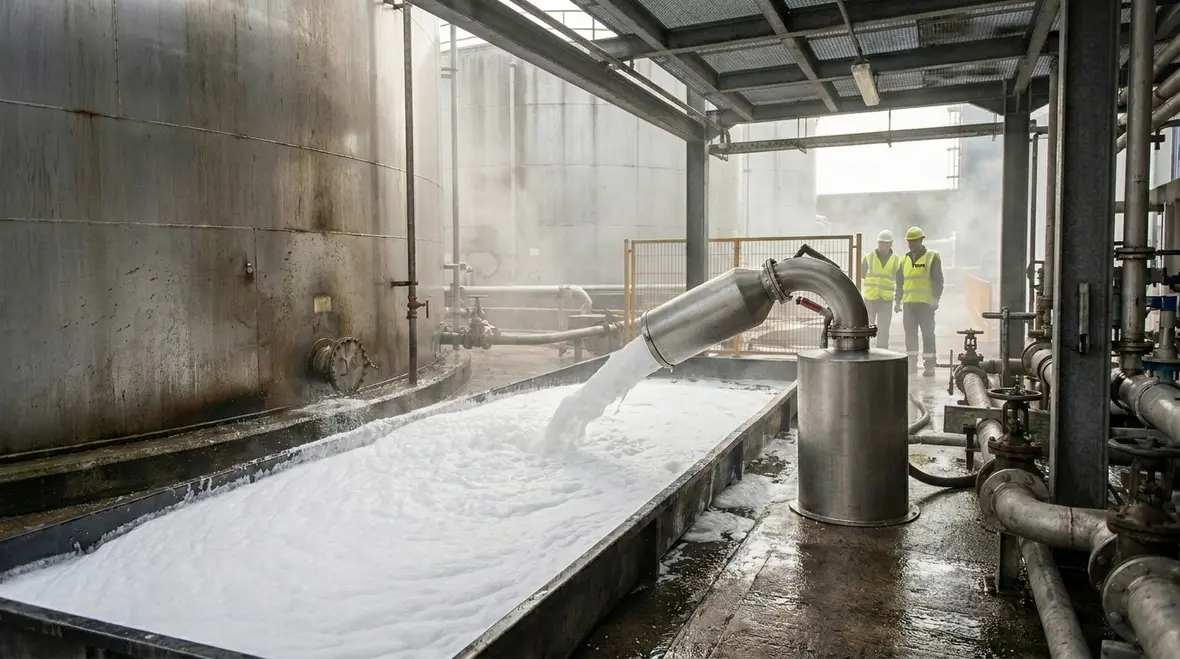
What a foam fire suppression system does in real life
A foam fire suppression system is designed to stop certain fires from spreading, especially where flammable liquids are involved. To do that, it produces foam that blankets the fuel surface. As a result, oxygen has a harder time reaching the burning material, and the fire struggles to keep feeding itself.
Meanwhile, the foam often helps cool the area around the fuel. Therefore, the system aims to do more than cover the flame. It reduces heat and interrupts the chain of the fire. It is a practical approach for hazards such as fuel storage tanks, loading bays, and industrial process areas. Kord Fire Protection’s dedicated foam fire suppression systems service page gives a closer look at how this protection is applied in high hazard environments.
In short, the system treats the fuel like the main character and removes the plot points that let the fire grow. That simple goal is exactly why facilities that handle flammable liquids often look beyond standard suppression alone and choose a solution that can seal vapors, cool surfaces, and buy valuable time during an emergency.
Why this approach matters for flammable liquid hazards
Unlike ordinary combustible fires, liquid fuel fires can spread fast across a surface and reignite if vapors are still present. Foam gives businesses a more focused answer to that problem. It creates a physical blanket that works on the liquid surface itself, which is why it remains such a practical option for industrial properties where speed, coverage, and stability matter.
How the foam forms and delivers itself
Most foam systems follow a logical flow: concentrate and water combine, then the system generates foam using specialized equipment. First, the system draws water from a supply line. Next, it meters a foam concentrate into that water at the right ratio. After that, the mixture passes through a proportioning device and flows to foam generators, which create and distribute the foam stream.
Depending on the design, the system can use different delivery approaches. Some setups deliver foam through fixed piping and nozzles. Others rely on monitors or sprinklers designed for foam discharge. Then, the foam is directed where it needs to go, with the goal of forming a stable blanket.
So, while it looks simple from a distance, it is really a coordinated sequence. And like most coordinated sequences in movies, if one part is off, the whole plan gets messy. Nobody wants that kind of special effect during an emergency.

The basic sequence behind reliable discharge
Reliable discharge depends on balance. Water supply, concentrate ratio, proportioning hardware, and discharge devices all need to work together. If one part drifts out of spec, the foam may not expand correctly, travel correctly, or remain stable once it lands on the hazard. That is one reason thoughtful engineering and routine service matter far more than a product brochure with nice lighting.
Where foam systems work best and why
Foam fire suppression systems shine in environments where a liquid fuel surface is involved. They are often used for hydrocarbon hazards like gasoline, diesel, jet fuel, crude oil, and some solvent related materials. However, not every fire scenario is a foam scenario.
Engineers select foam systems based on hazard type, fuel characteristics, and how the foam performs under heat. For example, some fuels can degrade foam quickly, which means the system must be matched carefully to ensure it maintains its blanket long enough. Therefore, a good design considers factors such as foam type, drainage behavior, and how the system handles wind or ventilation changes.
Additionally, the environment matters. Temperature, water quality, and available pressure influence system performance. When those pieces align, the foam suppresses effectively. When they do not, the best intention still turns into a weak response.
Common environments where foam earns its keep
- Fuel storage and tank protection where surface fires can spread rapidly
- Loading racks and transfer areas where flammable liquids are moved daily
- Industrial process spaces handling oils, chemicals, or solvent based materials
- Facilities that need vapor suppression as well as cooling during fire response
For a more detailed look at how these hazards are approached in the field, Kord Fire Protection’s article on foam system fire protection for flammable liquids offers useful context that pairs well with this guide.
System types that businesses commonly choose
Businesses usually select from a few common foam approaches. The main goal stays the same: deliver the right foam, at the right rate, to the right place. Yet the method changes depending on the hazard and the site layout.
- Fixed foam systems: Installed piping and discharge devices that apply foam automatically or on demand.
- Mobile foam units: Portable equipment used to support areas that are not covered by fixed piping.
- High expansion systems: Foam that expands to fill spaces, often used for specific enclosure hazards.
- Pressure or pumped discharge setups: Designed to achieve consistent foam delivery across tanks or large areas.
Even when two facilities look similar, the right choice can vary. Therefore, professionals evaluate the hazard, the fire growth expectations, and the operational needs. Then, they specify components that can handle real site conditions, not just ideal test settings.
Choosing the setup that fits the site
That decision is rarely about picking the fanciest option. It is about selecting the system that matches the fuel, the layout, the available utilities, and the response goals of the property. In other words, foam design should fit the facility like a tailored suit, not like a one size fits all rain poncho.
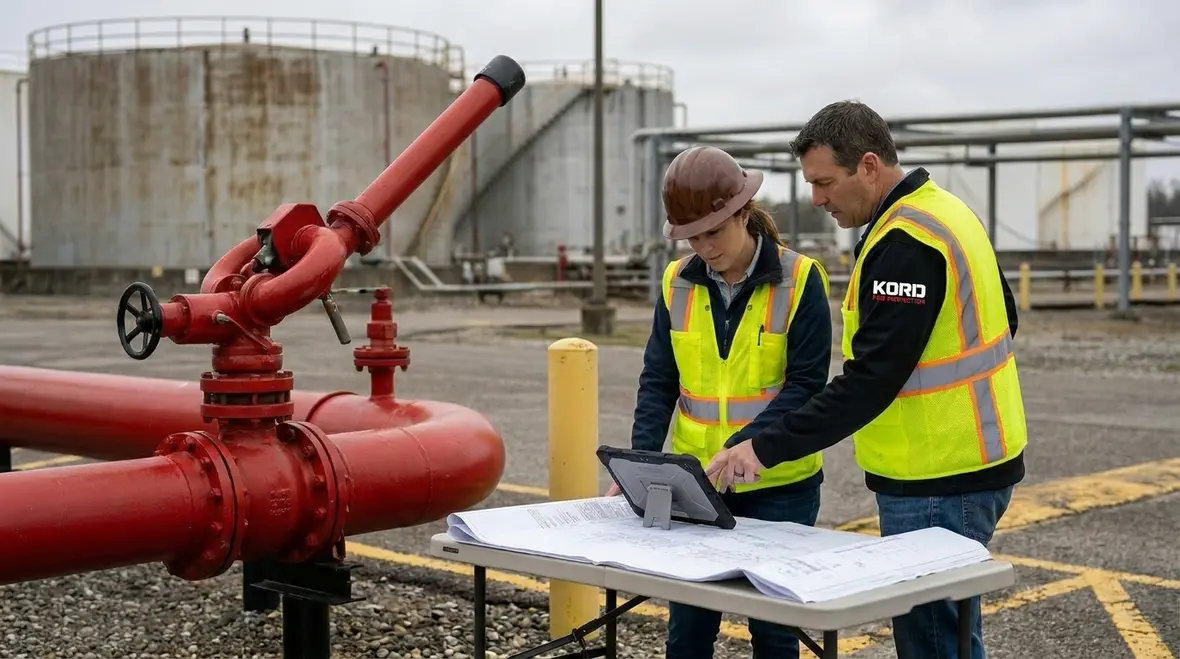
Key design and maintenance steps that keep performance strong
A foam system should not become a set it and forget it project. Instead, it needs planning and upkeep because foam concentrate ages, water supplies shift, and valves do not always stay in perfect health. To keep reliability high, sites should focus on design quality, testing routines, and clear procedures for activation.
Here are key points that matter during installation and ongoing service:
- Correct proportioning: Ensures the concentrate meets the required foam solution ratio.
- Matched foam type: Selects foam formulation that suits the fuel and drainage behavior.
- Proper discharge coverage: Avoids dead zones where foam cannot blanket the hazard surface.
- Flush and inspect lines: Prevents buildup and maintains flow performance.
- Check valves and controls: Confirms the system releases when it should, not when it feels like it.
- Recordkeeping and training: Keeps staff ready and helps track service history.
Maintenance also supports compliance. Inspections and testing confirm that the system can deliver foam at the design rate and in the expected pattern. And yes, it also reduces the chance of an unpleasant surprise. In emergency response, surprises usually wear a bad attitude and show up right on schedule.
Why routine testing pays off
Routine testing does more than satisfy paperwork. It shows whether the system can still perform under real conditions. Kord Fire Protection also covers broader planning considerations in its article on fire suppression system design, types and maintenance, which is helpful for teams comparing foam with other suppression approaches across a property.
Why Kord Fire Protection becomes a vital partner
Even with a strong concept, the real difference comes from execution. Kord Fire Protection can become a vital partner by supporting the full lifecycle of a foam system, from assessment to installation coordination, and through dependable service. That matters because foam systems require accurate specification, careful component selection, and consistent verification.
For many facilities, the challenge is not just buying equipment. It is managing the details that keep the protection plan reliable. Kord Fire Protection helps facilities think ahead, address hazard specifics, and keep the system ready for real conditions. And when a partner handles documentation, inspections, and field coordination, teams spend less time guessing and more time operating their business.
In other words, the foam does the fighting, but the partner helps the system perform. One delivers the blanket. The other makes sure it blankets when it counts.
FAQ about foam fire suppression system basics
Get the right foam coverage with Kord Fire Protection
Safety planning works best when it stays practical and measurable. Kord Fire Protection helps facilities evaluate hazards, confirm design details, and maintain foam fire suppression system performance over time. If this protection matters to your tanks, loading areas, or industrial processes, reach out for an expert assessment and a clear plan.
Do not gamble with emergency response. Book a consultation today and keep your fire protection strategy ready, not hopeful. If you are reviewing broader protection needs as well, Kord Fire Protection’s full fire protection services page is a strong place to continue, especially for facilities that want one partner for inspection, design, service, and ongoing compliance support.

Join Our Newsletter!
Get the latest fire safety tips delivered straight to your inbox From our Newsletter.



