NFPA 16 Section 6.6 Foam Storage Tanks Requirements
Quick Answer
NFPA 16 Section 6.6 sets clear rules for foam concentrate storage tanks in foam water systems. In practice, that means the tank must store the right foam, stay protected from damage, and support reliable fire response. For facilities that want practical support with foam fire suppression systems, Kord Fire Protection can help keep these setups compliant, ready, and far less likely to fail when the heat turns up.
NFPA 16 foam storage tanks play a key role in fire safety where flammable liquids or high risk process areas exist. These tanks support foam water system foam tanks and fire suppression foam storage by holding the concentrate that gives the system its punch. Without proper storage, even a strong system can stumble at the worst moment. And nobody wants a hero that forgets its lines.
What NFPA 16 Section 6.6 Means for Storage Tanks
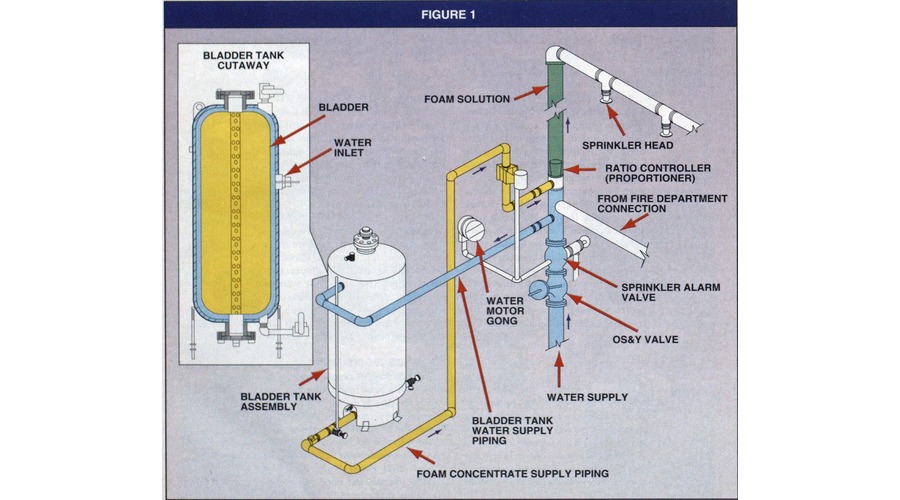
Section 6.6 focuses on how foam concentrate storage tanks must be arranged, protected, and connected so the system works as intended. The rule is simple in spirit, even if the details can feel a bit like a paperwork marathon. The tank must preserve the foam quality, allow dependable discharge, and stay ready for use under fire conditions.
For facilities managers, this means the tank is not just a metal box with good intentions. It must suit the foam type, resist corrosion, and avoid contamination. It also needs the right fittings, vents, access, and safeguards so the system can deliver concentrate without delay. In short, the tank must be treated like a serious asset, not a forgotten warehouse extra from a sci fi sequel.
NFPA 16 Foam Storage Tanks and Their Core Requirements
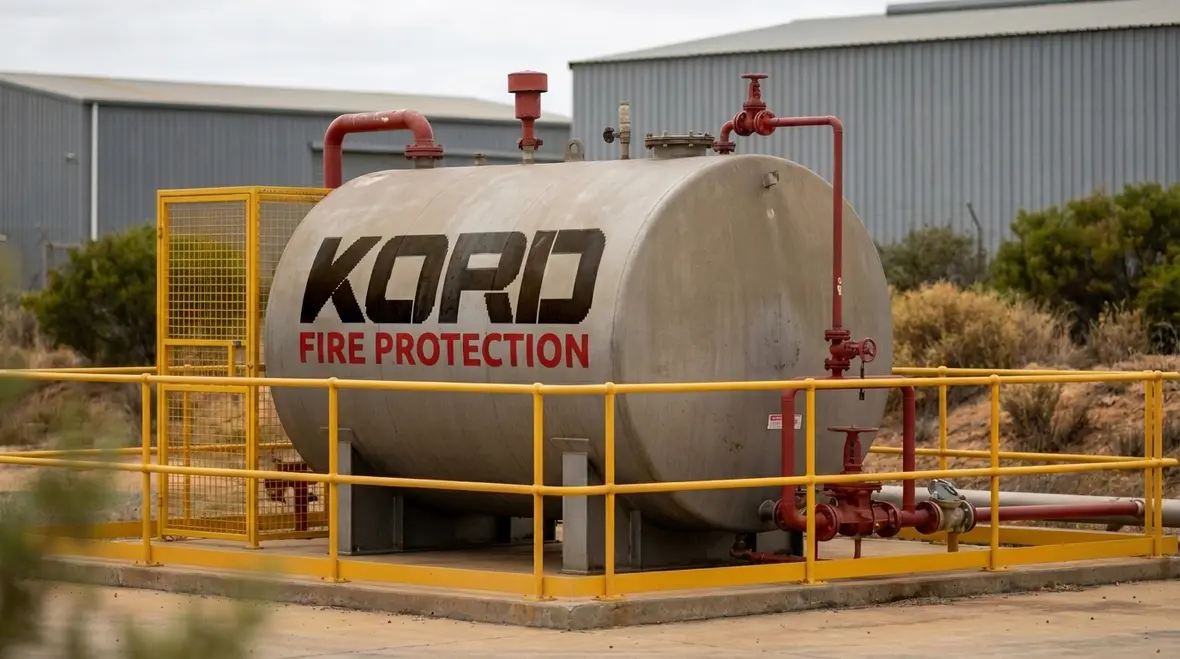
Section 6.6 expects storage tanks to support the system design and the foam manufacturer’s rules. That often includes correct materials, clear labeling, safe fill levels, and protection from heat, impact, and incompatible products. If the wrong tank or lining is used, the concentrate may break down or lose performance.
In many industrial sites, tanks sit near plant rooms, loading zones, fuel areas, or production spaces. So, the tank must handle local site risks as well as daily operations. Proper inspection access matters too. If a technician cannot check the tank, then the tank becomes a mystery box, and mystery boxes are great in movies, not in life safety.
Why compatibility and condition matter so much
Foam concentrate is not the kind of product you can toss into any container and hope for the best. Storage conditions influence long term reliability, proportioning performance, and the ability of the foam to do its job when a fire starts moving faster than anyone would like. A tank that is poorly matched to the concentrate can quietly create a problem that only shows up during testing or, worse, during a real emergency.
- Match the tank material and internal surfaces to the foam concentrate type
- Keep labels clear so technicians know exactly what is stored inside
- Protect the tank from weather, heat, and rough physical contact
- Maintain access for inspection, draining, filling, and servicing
- Document concentrate age, condition, and maintenance history
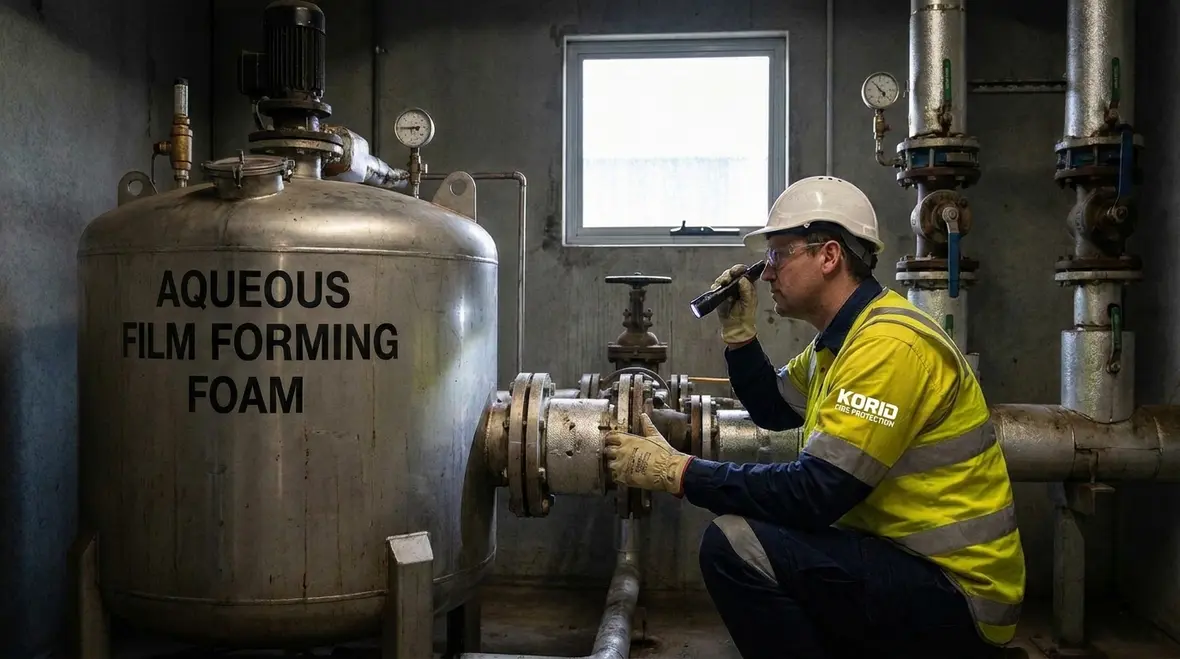
How foam water system foam tanks support real fire response
Foam water system foam tanks do one job with no drama: they store concentrate so the suppression system can make a foam blanket fast. That blanket helps separate fuel vapors from oxygen and cool the fire area. As a result, the system can suppress liquid fuel fires more effectively than water alone.
For many commercial and industrial premises, the difference between a controlled incident and a major loss can come down to foam quality, storage condition, and system readiness. Therefore, the tank must stay full enough, clean enough, and protected enough to perform on demand. If the tank fails, the whole system loses confidence, and confidence in fire protection should never be a coin toss.
That is also why storage tanks should be viewed as active parts of the suppression chain, not passive hardware tucked into a corner. From the concentrate supply to the discharge point, every link matters. If one weak link appears, the rest of the system may still look impressive on paper while underperforming in real life. Paper confidence is nice for reports. It is less charming during a fire.
Common operational issues facilities overlook
Some sites focus heavily on discharge hardware but give the storage side only a passing glance. That can lead to missed warning signs such as hard to read markings, clogged vents, damaged fittings, outdated concentrate records, or tanks placed where vehicles and site traffic can bump them into retirement early. Small oversights have a habit of becoming expensive lessons.
Why fire suppression foam storage needs careful design
Fire suppression foam storage must account for compatibility, temperature, corrosion, and maintenance access. Foam concentrate can degrade if it faces the wrong environment for too long. Likewise, contamination can weaken performance and create bigger problems during a fire test or emergency response.
Here are the key design points that usually matter most:
- Correct tank material and lining for the foam type
- Clear identification of the concentrate stored inside
- Protection from physical damage and weather exposure
- Safe fill, drain, and inspection arrangements
- Compliance with the system design and manufacturer instructions
In practice, these details help the system work the way it was designed. They also support smoother inspections and fewer surprises during audits. Surprises are wonderful at birthday parties. Not so much in fire safety.
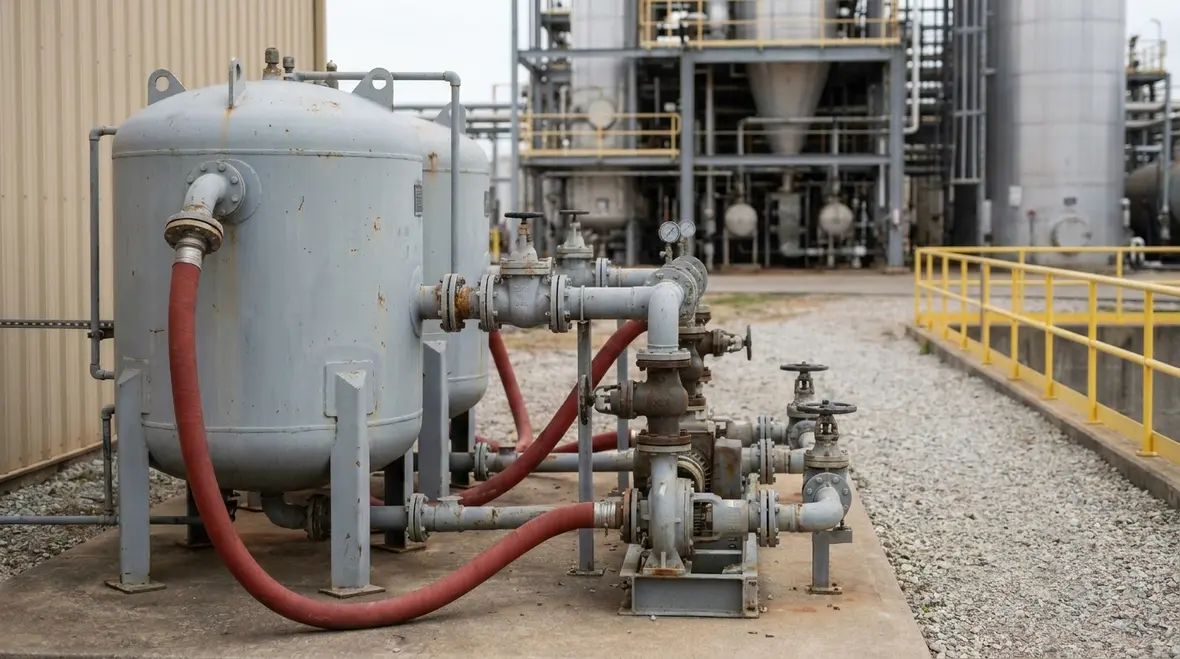
Storage checks
- Confirm tank material, capacity, and label details
- Inspect for leaks, damage, and corrosion
- Verify foam condition and age records
- Check valves, vents, and piping access
Field risks
- Heat from nearby equipment
- Impact from forklifts or service vehicles
- Contamination from poor maintenance practices
- Reduced performance from neglected inspections
How Kord Fire Protection becomes a vital partner
Kord Fire Protection can add real value by supporting design review, installation, inspection, testing, and ongoing maintenance of NFPA 16 foam storage tanks. That matters because compliance is not a one time event. It is a living process, and the site must keep proving its readiness.
Facilities that need a broader look at special hazard protection can also explore Kord Fire Protection’s fire suppression services for additional support across design, inspection, testing, repair, and ongoing maintenance. That helps place the foam storage tank in the bigger system picture, which is exactly where it belongs.
For facilities, Kord Fire Protection can help match the foam storage setup to the site’s risk profile and operational needs. It can also support scheduled checks, identify issues before they grow, and help keep records clear for compliance and audit needs. In the real world, that kind of partner saves time, reduces stress, and helps avoid the classic line, “It looked fine yesterday.”
What facilities should check next
Sites should review whether the foam tank matches the system design, the foam type, and the expected fire load. They should also confirm that inspection paths stay clear, labels remain readable, and the tank sits in a protected location. If the system has changed over time, the storage setup may need a fresh review too.
Industrial, retail, and commercial operations often grow in stages. Because of that, a foam system that once fit the site may now need a better layout or stronger protection. Regular assessment helps keep the storage tank aligned with real conditions, not old assumptions.
FAQ
Conclusion
NFPA 16 Section 6.6 makes foam storage a serious part of fire safety, not a side note. For facilities that depend on foam systems, the tank must be built, placed, and maintained with care. That includes compatibility, access, protection, and routine follow through.
Kord Fire Protection can help keep that process on track, reduce risk, and support compliance. For sites that want confidence, readiness, and fewer headaches, the next step is simple: get the storage reviewed by the right team.

Join Our Newsletter!
Get the latest fire safety tips delivered straight to your inbox From our Newsletter.