High-rise Standpipe System Health with Inspection and Testing
In multi level facilities, high-rise standpipe system health does not stay healthy by luck. It stays healthy because teams plan, test, and fix issues before they become smoke and panic. Kord Fire Protection technicians often explain it this way to building managers: a standpipe system is like a quiet lifeguard. It can wait for trouble all day, but it must be ready when trouble arrives. And unlike a pop quiz, you do not get a second chance once water is needed.
When pipes hide behind walls and stairs, problems can grow under the surface. Yet with the right routines, facilities can protect people, reduce downtime, and control service costs. Below, Kord Fire Protection technicians walk through practical best practices that keep standpipes reliable across floors, seasons, and building changes. For a broader compliance mindset that supports the rest of a building’s life safety systems, teams can also review Kord Fire Protection’s fire alarm inspection and testing for commercial buildings article and keep that same discipline moving across every layer of protection.

High-rise standpipe system basics for multi level facilities
In a high-rise or multi-level building, standpipes connect to the water supply and provide a consistent hose connection point. First responders rely on predictable pressure and flow at each level. Therefore, high-rise standpipe system health starts with understanding how the system behaves under stress.
Typically, technicians focus on the standpipe piping, hose valves, check devices, and any water supply components tied to the system. Additionally, they consider how elevators, stair doors, and floor layouts affect access. In other words, the hardware matters, but the path to use it matters too. Kord Fire Protection technicians often remind teams that a flawless valve is useless if a locked stair door blocks access, and yes, that has happened more than once.
Why fundamentals matter before emergencies do
That is why many owners benefit from revisiting the underlying design and service intent of their system, especially after occupancy changes or upgrades. Kord Fire Protection’s standpipe system requirements and how it works guide and its dedicated standpipe systems service page help frame the bigger picture. If a team does not understand what the standpipe is supposed to do, it becomes much easier to miss when performance starts drifting.
Inspection routines that prevent slow drift into failure
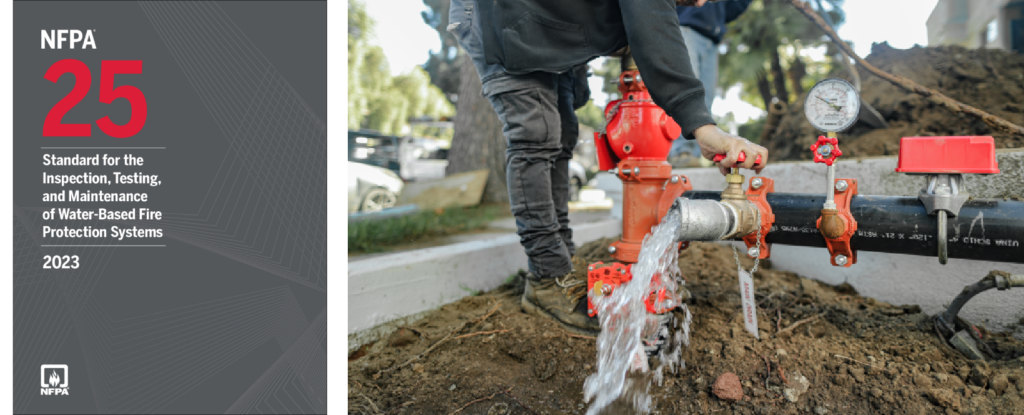
Facilities should run inspections on a schedule that matches local codes and the building’s actual risk. However, the goal stays the same: catch issues early, before they scale. Kord Fire Protection technicians recommend a routine that includes visual checks plus functional checks where permitted.
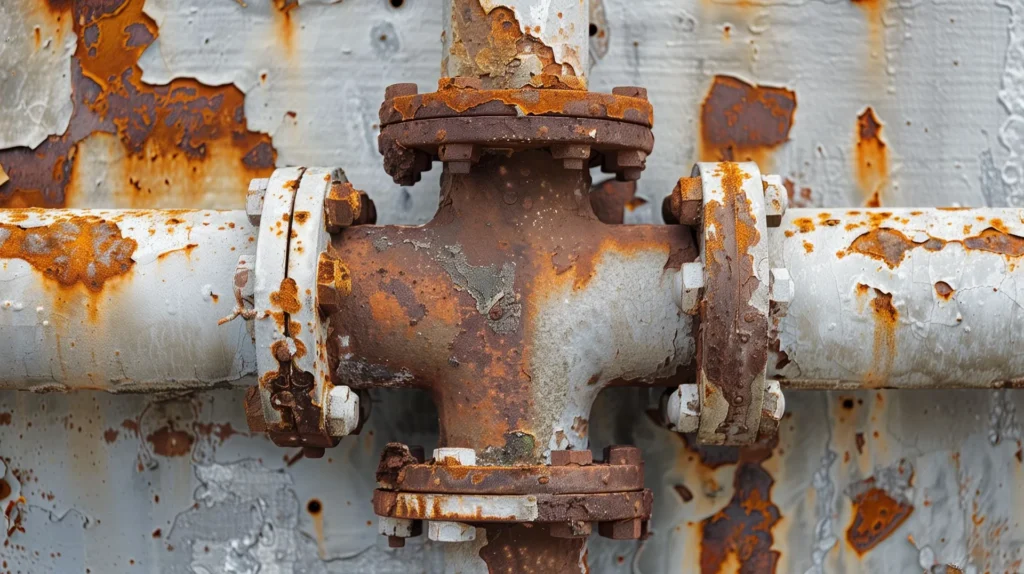
- Watch for leaks and corrosion at joints, couplings, and valve bodies.
- Confirm that valves operate smoothly and that hoses and couplings show no damage.
- Document water supply indicators that can affect pressure, such as strainers or related control elements.
To keep the process real, technicians should also verify that documentation matches what exists in the field. Therefore, if a tenant remodel changes a wall, a stair enclosure, or a valve access panel, the system records should update too. Otherwise, the next inspection becomes a guessing game, and nobody wins that game.
Field checks work better when records stay honest
Inspection quality rises fast when teams compare past findings, repair notes, and current site conditions in one place. A smudged binder from three remodels ago is not a strategy. It is nostalgia with a clip. By documenting valve status, access conditions, cabinet issues, and recurring trouble spots, facilities create a cleaner path for the next technician and a faster path to corrective action.
How pressure and flow testing supports high-rise standpipe reliability
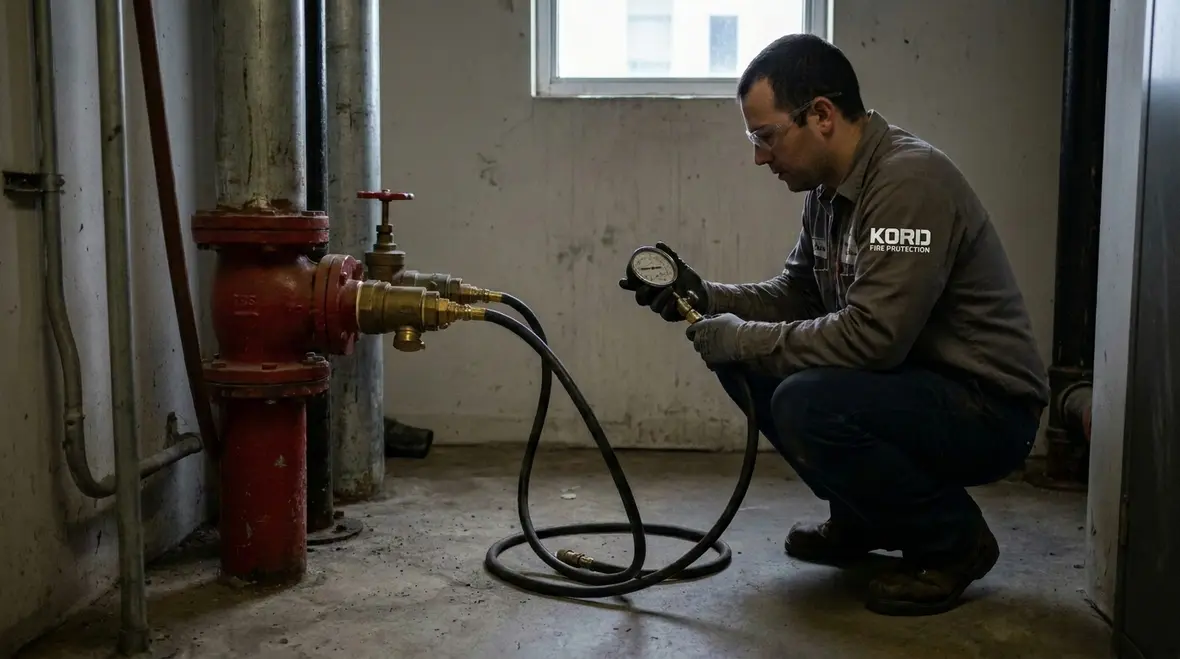
Testing proves what inspections only suggest. When Kord Fire Protection technicians test pressure and flow, they check whether the system can deliver the needed performance during an emergency. Moreover, testing helps identify hidden restrictions like partial valve closure, scaling, or water supply changes.
Pressure and flow checks should consider the worst-case scenario for the building. That means higher floors, longer hose stretches, and doors or standpipe cabinet positions that may slow access. Additionally, technicians compare test results with the system’s design or previous records. If performance shifts, they do not just shrug. They investigate.
Importantly, facilities should schedule tests to avoid peak operations when possible. Still, they should plan for safe access during the test window. Transitioning the system from normal to test mode safely reduces risk to occupants and crews, while keeping the building running. For readers who want a companion piece focused specifically on the mechanics and purpose of testing, Kord Fire Protection’s standpipe flow test guide for fire protection adds excellent context.
Testing reveals the hidden problems inspections miss
A valve can look respectable and still perform like it skipped leg day. Flow testing forces the truth out into daylight. Reduced pressure, sluggish delivery, and inconsistent results usually point to something worth chasing, whether that means supply issues, internal buildup, partial obstructions, or equipment changes elsewhere in the building. The point is not to admire the gauge. The point is to learn from it.
Valve care, signage, and access planning
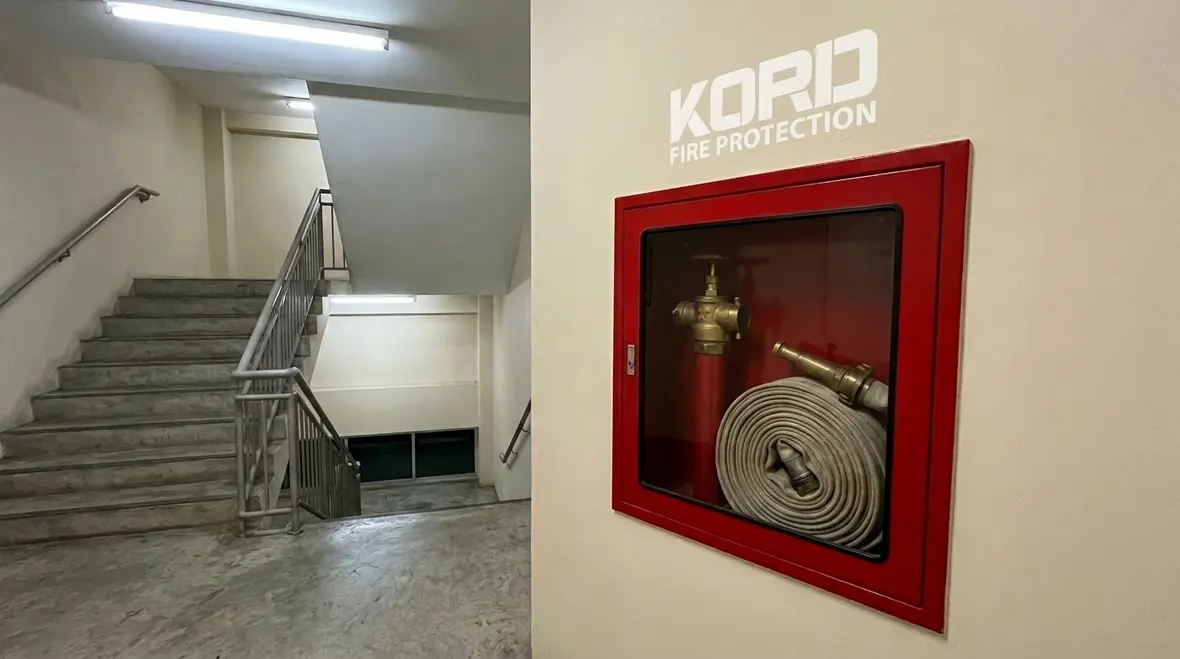
Even a strong system can fail if people cannot reach it fast. So, standpipe cabinets, hose valve access points, and stair connections need clear signage and unobstructed pathways. Kord Fire Protection technicians often say, with a calm smile, that “confusing directions are the most common fire safety flaw.”
To strengthen high-rise standpipe performance, facilities should implement valve care practices such as periodic operation checks where allowed. Also, they should confirm that valve handles, wheel mechanisms, and operating threads show no signs of seizure or heavy resistance.
Additionally, signage should match the actual floor layout. If a standpipe location changes due to renovations, the building should update instructions quickly. Transition words matter here because they reflect real project flow: after construction, teams should verify, update, and then train. Training should include maintenance staff and property managers, so everyone understands where the system is and how it should be represented in emergency plans.
Finally, access planning should include physical barriers. For example, storage rooms, locked cabinets, or stored items in stair areas can slow response. Therefore, facilities should adopt rules that keep access clear and enforce them with walkthroughs.
Maintenance for hose connections and accessories
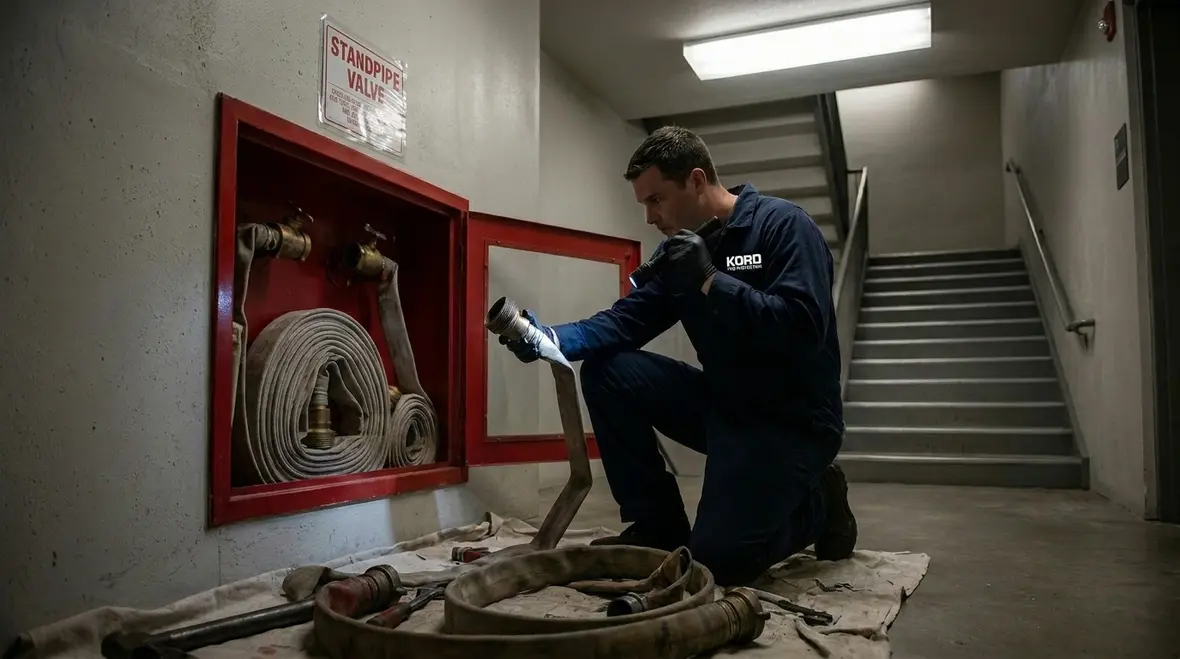
Standpipes do not just deliver water. They connect people to that water through hoses, couplings, and associated equipment. Over time, hoses can suffer from wear, UV damage, abrasion, or thread issues. Couplings can develop corrosion or misalignment. Even when the pipes look fine, accessories can quietly degrade.
Kord Fire Protection technicians advise that facilities treat hose management as a living program, not a one time task. First, teams should inspect hoses for damage and ensure they stay properly stored. Next, they should check that couplings mate correctly and that any required accessories are present and in good condition. Then, they should verify that cabinet arrangements allow quick removal without wrestling like it is a game show.
In multi-level buildings, consistency across floors matters. If one floor’s hose storage cabinet uses different hardware than another, then response time and reliability can suffer. Therefore, facilities should aim for standardization where code and building design allow. Teams exploring configuration differences can also read Kord Fire Protection’s automatic vs manual standpipe systems explained article and the helpful breakdown in fire standpipe basics: hose valves and PRVs.
Consistency across floors is not boring, it is useful
No property manager wants a responder reaching one floor and thinking, “Interesting, this cabinet has chosen chaos.” Standardized accessories, readable labels, and repeatable cabinet layouts make emergency actions quicker and less error-prone. In buildings with many levels, reducing small points of confusion adds up fast.
Managing system health during renovations and tenant turnover
Renovations can affect standpipes even when the work does not target fire protection. Rooms get reframed, access panels get relocated, stair enclosures get reconfigured, and service routes get modified. Yet the standpipe system keeps demanding attention to ensure health stays stable.
Kord Fire Protection technicians recommend that facilities create a clear change management process. When a project begins, teams should review standpipe locations, valve access routes, and any penetrations near piping. Then they should coordinate with contractors so that fire stopping, pipe supports, and access clearances stay compliant.
Transitioning between tenants also needs care. For instance, a new business might block cabinet doors with stock or modify a corridor that connects to standpipe access. Therefore, property managers should include standpipe access checks in turnover checklists.
By planning ahead, facilities reduce surprise outages and avoid emergency repairs. And yes, surprise repairs cost more, because the laws of fire protection do not care about project schedules.
Common issues Kord Fire Protection technicians see and how to fix them
Experience teaches patterns. Kord Fire Protection technicians regularly find the same problems across many buildings, and they have learned the fix starts with precise documentation.
- Blocked or unclear access points: clear the path, replace outdated signage, and confirm access during inspections.
- Valves that do not operate smoothly: perform careful operation checks, cleaning, and component repair when needed, aligned with system requirements and manufacturer guidance.
- Performance drift from supply changes: notify fire protection contractors before major water system work and re-evaluate system health afterward.
- Documentation gaps: keep plans current so crews can act faster under pressure.
Facilities that want a stronger foundation for class type decisions can also explore Kord Fire Protection’s Standpipe Class I II III explained clearly article. It helps teams line up the system in the field with the expectations behind it, which is a polite way of saying fewer bad surprises later.
FAQ
Conclusion: protect lives and budgets with a real standpipe plan
Healthy standpipes protect people, support response teams, and reduce emergency repair costs. Kord Fire Protection technicians recommend that building teams treat inspection, testing, access control, and accessory care as one connected program, not separate chores. If your facility has multi level access challenges or recent renovations, it is smart to review performance and records now, not after trouble arrives.
Near the finish line, the smartest move is still the practical one: partner with specialists who already live and breathe this work. Reach out to Kord Fire Protection to build a standpipe maintenance plan that fits your property, and explore the standpipe systems service page for a direct next step. When the system is cared for before the emergency, the emergency has far fewer chances to write the story for you.

Join Our Newsletter!
Get the latest fire safety tips delivered straight to your inbox From our Newsletter.