Fire Alarm Inspection and Testing for Commercial Buildings
Fire Alarm System Inspection and Testing Requirements for Commercial Buildings
Fire alarm system inspection and testing requirements sit quietly behind every safe commercial building, like a steady bass line that holds the whole song together. Within the first moments of any safety plan, these requirements shape how systems get checked, tested, and trusted. They are not just rules on paper. They are living routines that protect people, property, and peace of mind. Kord Fire Protection technicians often explain that when these requirements are followed with care, fire alarms stop being mysterious boxes on the wall and become reliable guardians. The rest of this article explores how those requirements work, why they matter, and how a calm, methodical approach keeps buildings ready when it counts.
The steady purpose behind inspection and testing
Every commercial building carries a responsibility that goes beyond business goals. It carries people. Fire alarm systems exist to speak up when danger tries to sneak in. However, that voice only stays strong through regular inspection and testing. Fire alarm system inspection and testing requirements ensure that each part of the system does its job without hesitation.
Moreover, these requirements protect owners from legal and financial risk. Authorities having jurisdiction expect compliance, and insurance providers sleep better knowing systems are maintained. Kord Fire Protection technicians often describe inspection as a health check and testing as a rehearsal. One looks for problems. The other proves performance. Together, they form a rhythm that keeps safety from drifting into guesswork.
There is also a human side. When occupants hear an alarm, they trust it. That trust comes from disciplined care. Without it, alarms become background noise, like a car alarm everyone ignores. Regular service restores confidence and keeps the system respected.
What does NFPA 72 require for commercial buildings
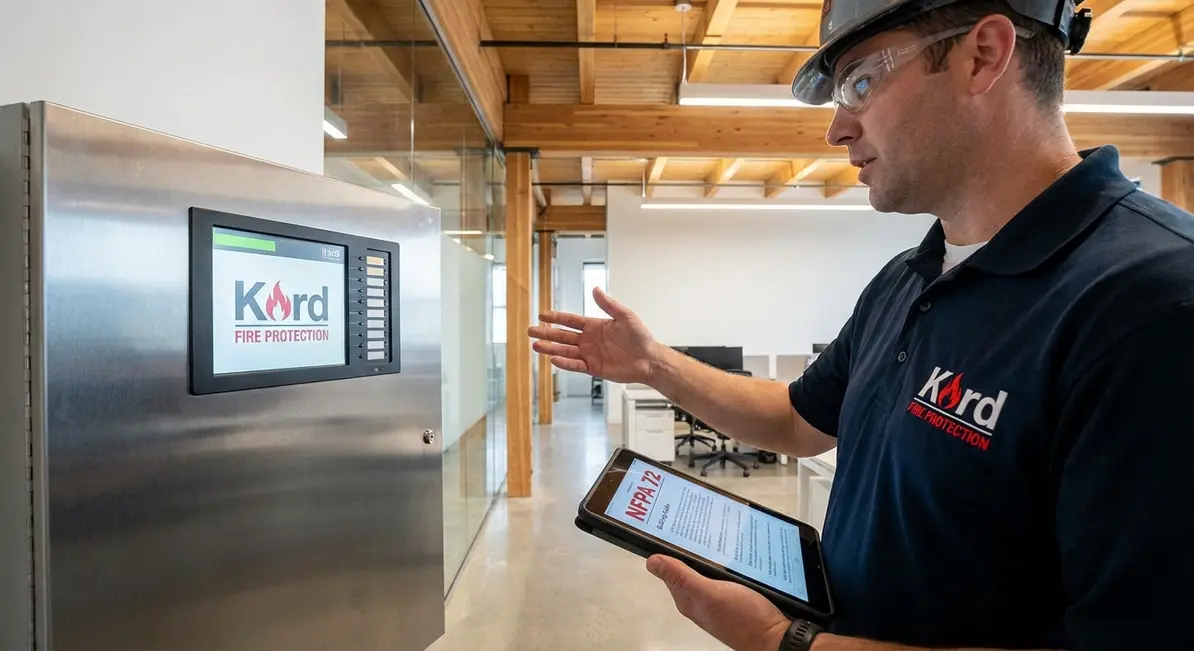
NFPA 72 stands as the backbone of fire alarm standards in the United States. It defines how systems are installed, inspected, tested, and maintained. In simple terms, it sets the rules of the road so everyone drives safely.
NFPA 72 outlines how often inspections occur and how tests should be done. It also spells out documentation needs, because if it is not written down, it might as well not have happened. Kord Fire Protection technicians often walk clients through NFPA 72 with plain language, turning code text into practical steps.
Importantly, NFPA 72 works with local codes. The authority having jurisdiction may adjust timelines or methods. Therefore, compliance means knowing both the national standard and local expectations. It is a bit like following a recipe while knowing the oven runs hot.
Service frequency and who should perform it
Frequency of service is not random. Fire alarm system inspection and testing requirements set clear intervals. Some checks happen monthly, others quarterly, semi annual, or annually. A few tests wait patiently for the four year mark. Each interval exists because different parts age at different speeds.
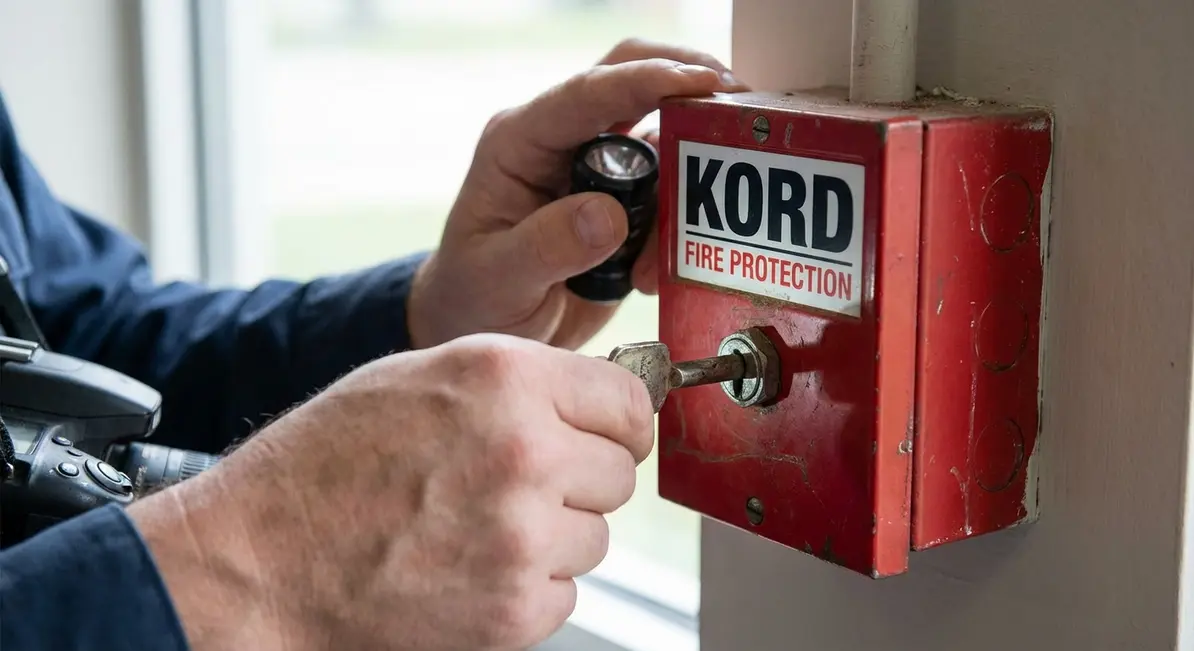
These tasks should be performed by certified professionals. Kord Fire Protection certified technicians bring training and experience to the table. They know how to spot subtle issues that untrained eyes miss. Furthermore, they understand how to meet authority having jurisdiction requirements without cutting corners.
Regular service also prevents surprise failures. It is far cheaper to replace a tired battery during a scheduled visit than to explain a silent alarm after an incident. As Kord technicians like to joke, alarms do not believe in last minute miracles.
System devices that demand careful attention
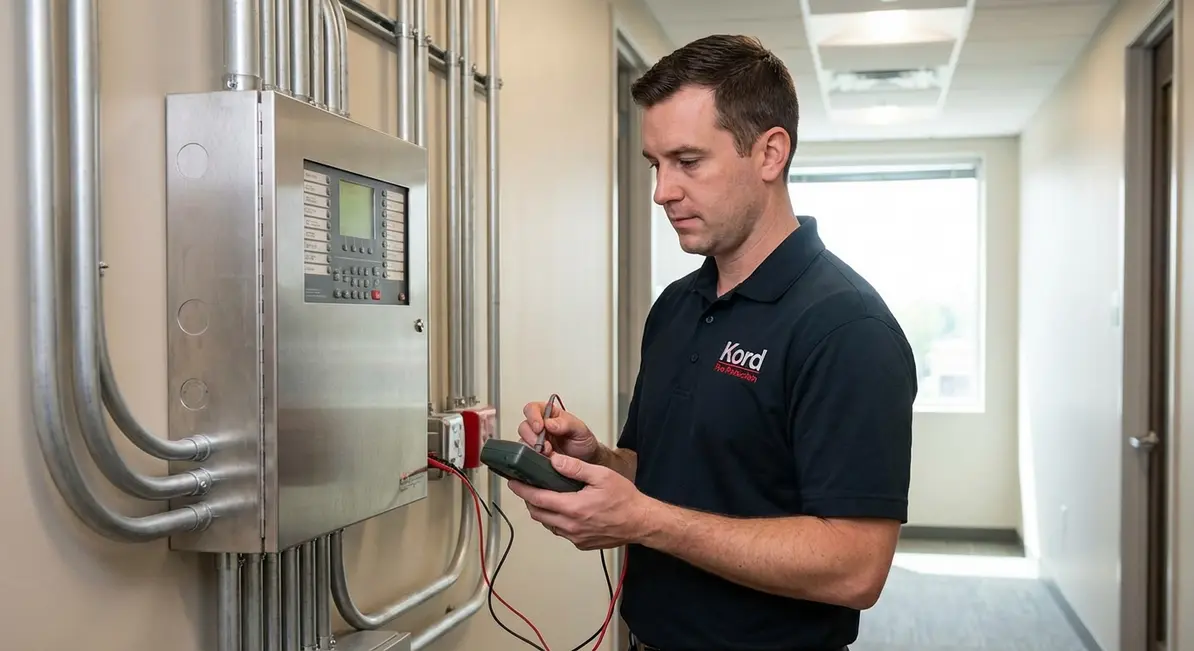
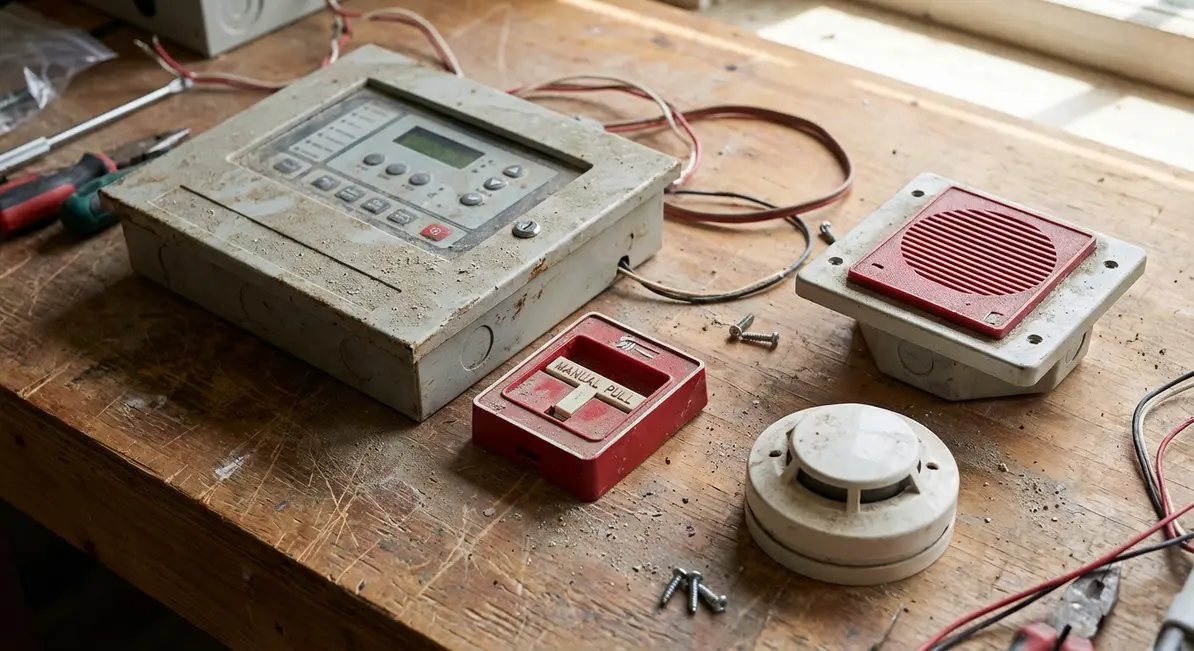
A fire alarm system is not a single device. It is a team. Each member plays a role, and inspection must cover them all. Control panels act as the brain. Annunciators translate signals into clear messages. Audible and visible devices shout and flash when danger appears.
Manual pull stations wait patiently for human action. Detectors sniff the air for smoke or heat. Voice systems give calm direction, ideally sounding less panicked than a movie extra in a disaster film. Phones and switches support communication and control. Dampers manage airflow, and monitoring links the system to responders.
Kord Fire Protection technicians explain these components during inspections, often with humor. They might compare the control panel to a conductor and the devices to an orchestra. When one instrument is out of tune, the whole performance suffers.

Inspection versus testing and why both matter
Inspection and testing sound similar, yet they serve different purposes. Inspection looks for visible issues. Loose wires, blocked devices, or physical damage fall into this category. Testing, on the other hand, proves operation. It confirms that signals travel, alarms sound, and messages display correctly.
Fire alarm system inspection and testing requirements demand both steps because one without the other leaves gaps. Inspection alone might miss a silent failure. Testing alone might ignore a cracked housing that fails later. Together, they create confidence.
Kord Fire Protection technicians often explain this difference using a simple analogy. Inspection checks the tires. Testing takes the car for a drive. Skipping either one invites trouble, and nobody wants to learn that lesson during rush hour.
Annual semi annual and four year testing explained
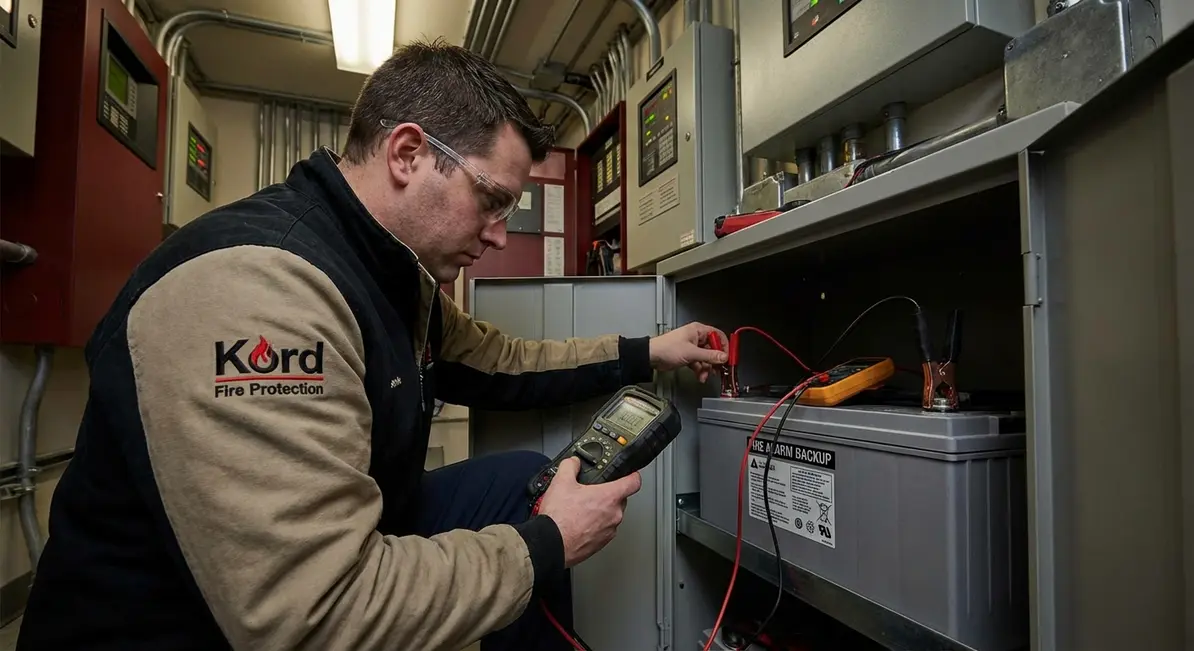
Testing schedules exist for good reason. Annual testing covers most devices. It includes battery checks, device activation, and annunciation verification. Semi annual tasks focus on components that see heavier use or environmental stress.
Four year testing goes deeper. Batteries face load testing. Fire dampers receive attention under NFPA 80. Training often accompanies these visits, ensuring staff know how to respond when alarms activate.
Kord Fire Protection technicians approach these milestones with a calm pace. They explain what is happening and why. This transparency builds trust and reduces disruption. After all, nobody enjoys surprise alarms during a board meeting, unless it is part of a very strange team building exercise.
Fire alarm system overview and service details
The following table offers a clear snapshot of system elements and service expectations. It aligns with common standards and practical experience.
This overview helps building owners see the whole picture at once. It also shows how each part connects, rather than existing in isolation.
Documentation training and the human factor
Paperwork may not sound exciting, yet it plays a critical role. Inspection reports prove compliance and guide future service. They also help authorities and insurers verify that fire alarm system inspection and testing requirements are met.
Training adds another layer. Staff should know what alarms mean and how to respond. Kord Fire Protection technicians often include brief training during visits. They keep it simple and engaging, sometimes using light humor to keep attention. Think less lecture and more friendly briefing.
Human response matters because systems only work when people trust and follow them. Clear documentation and training support that trust.
Common challenges and how professionals handle them
Commercial buildings face real world challenges. Dust, renovations, and changing layouts can affect devices. Power issues can stress batteries. Occupants may block or damage equipment without realizing it.
Experienced technicians anticipate these issues. Kord Fire Protection technicians approach inspections with curiosity and patience. They ask questions, observe patterns, and suggest fixes before problems grow. This proactive style keeps systems reliable.
There is also the challenge of complacency. When alarms never sound, people forget their importance. Regular testing breaks that complacency and reminds everyone that safety systems stand ready.
Why consistent compliance protects more than buildings
Consistent compliance with fire alarm system inspection and testing requirements protects lives first. It also protects businesses from downtime, legal trouble, and reputation damage. Clients and tenants notice when safety is taken seriously.
Moreover, compliance builds a culture of care. It signals that leadership values people. Kord Fire Protection technicians often say that well maintained systems reflect well maintained organizations.
In the end, alarms do not exist to satisfy code books. They exist to give early warning. Consistent care keeps that promise alive.
FAQ
How often should a commercial fire alarm system be inspected
Most systems require monthly visual checks and annual testing, with additional intervals based on device type and local rules.
Who can perform fire alarm inspections
Certified technicians such as those from Kord Fire Protection should perform inspections and testing.
What standard governs fire alarm systems
NFPA 72 is the primary standard, supported by local authority requirements.
What is included in annual testing
Annual testing includes device activation, battery checks, and verification of alarm signals and annunciation.
Why is documentation important
Documentation proves compliance and helps track system health over time.
Conclusion and next steps
Fire alarm systems deserve steady care, not rushed attention. When fire alarm system inspection and testing requirements are followed with discipline and insight, safety becomes a constant companion. Kord Fire Protection technicians bring clarity, calm, and a touch of humor to a serious task.
Building owners ready to strengthen their safety posture should schedule a professional review, ask questions, and commit to consistent service. That simple step can make all the difference when it matters most.
Know Your Weapon Before You Fight the Flame
Kord Fire Protection is your go-to when it comes to all things fire protection. For over 20 years, we’ve been serving Southern California with the quality service and equipment to keep your home or business safe at all times. Our competitive prices reflect our unwavering commitment to protecting what matters most in the event of a fire emergency. Give us a call, send an email, or use that form!

Join Our Newsletter!
Get the latest fire safety tips delivered straight to your inbox From our Newsletter.