
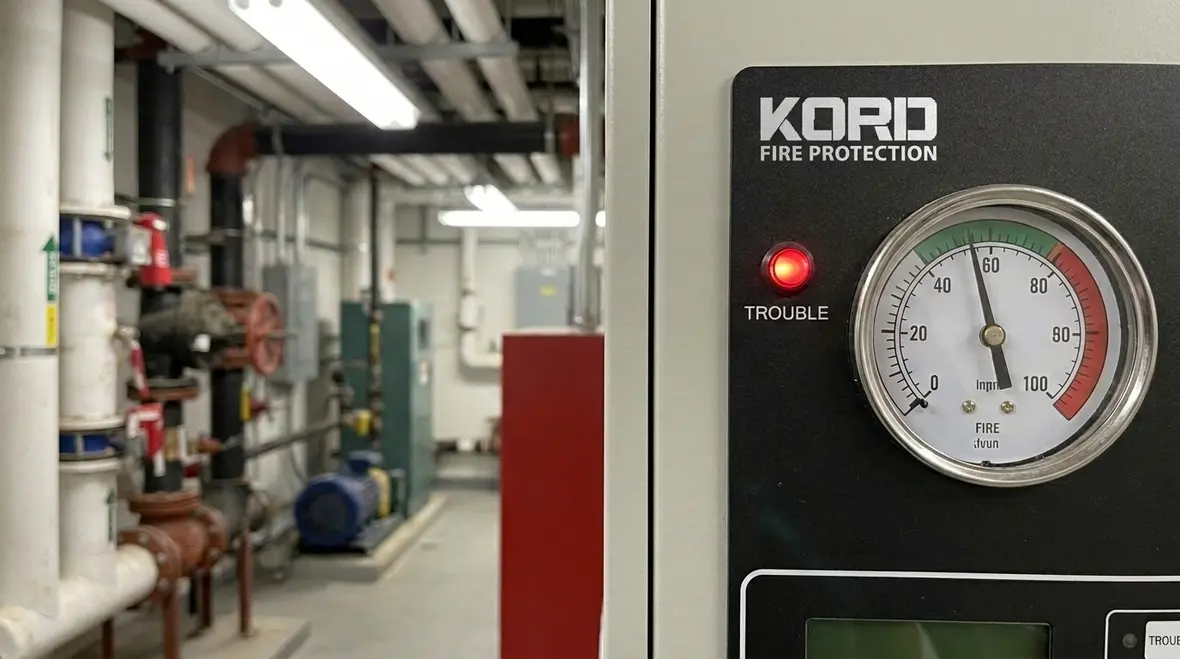
Fire Suppression System Impairment Signs and Prevention
Fire safety systems do not fail loudly most of the time. Instead, they drift into trouble in quiet ways, and that is exactly why fire suppression system impairments deserve an owner’s attention before the next inspection cycle. When a valve gets stuck, a sensor loses calibration, or a panel can not communicate, the result can be partial protection or a full refusal to discharge when it matters. In this article, third person guidance explains common impairments, how owners notice them early, and what practical steps reduce risk. And yes, he promises this won’t turn into a 200 page manual. It will stay business casual, calm, and useful.
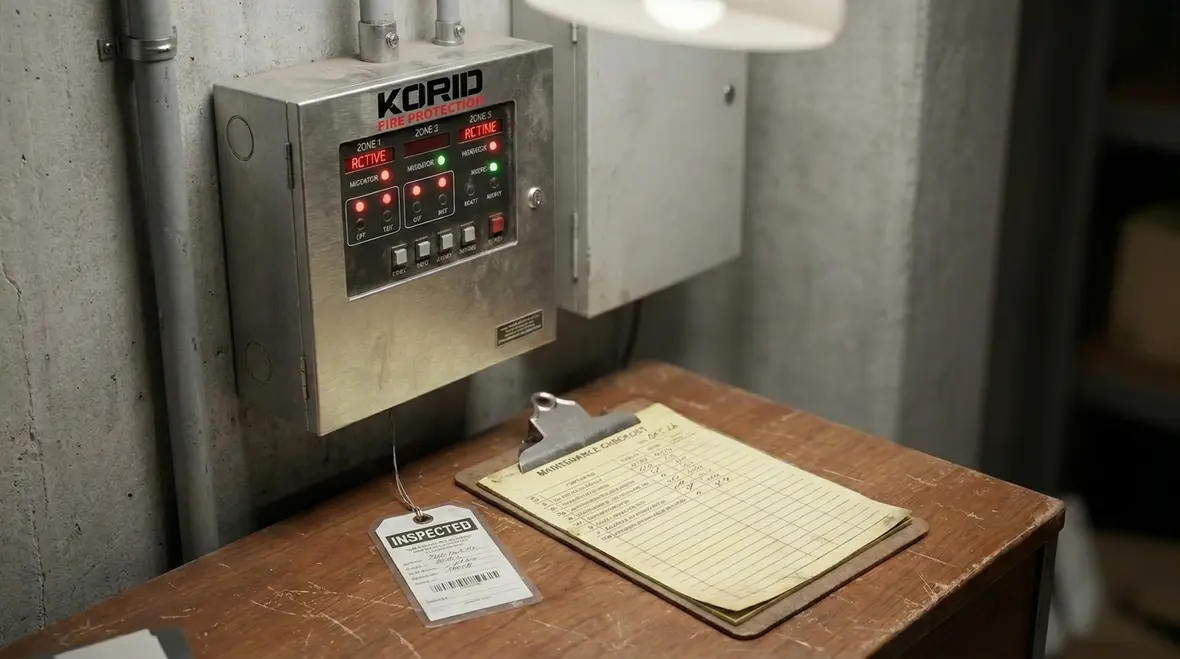
Signs of fire suppression impairment that owners can catch early
Owners often wait for a dramatic “system trouble” alarm, but early indicators usually show up first in paperwork, behavior, and small recurring faults. To start, he recommends owners track anything that hints at loss of reliability. Fire suppression impairment can include detection delays, short discharge tests, or repeated trouble codes that do not get corrected.
Common early signals worth attention
- Frequent maintenance calls that seem to repeat the same issue
- Delayed acknowledgements when staff report system trouble
- Service tickets that focus on resets instead of root cause repairs
- Inconsistent inspections where documentation does not match current conditions
- Changes in occupancy such as new stock, more packaging, or different storage layout
Meanwhile, owners should remember the system’s job is simple: detect, initiate, and discharge as designed. When anything blocks that chain, the protection shrinks. Think of it like a superhero movie where the suit is almost ready, but the hero keeps missing the final button. It looks fine until the moment it counts.
That is also why paperwork matters more than many owners expect. A repeating trouble note on three separate service reports is not administrative clutter. It is a pattern trying very hard to be noticed. If the same device, valve, zone, or communication fault keeps reappearing, the building is getting a polite warning before it gets an expensive lesson. Kord Fire Protection has written about this same theme in its guide on fire suppression system impairments and what owners must do, where the emphasis is proving readiness instead of assuming it. ([kordfire.com](https://kordfire.com/fire-suppression-system-impairments-what-owners-must-do/?utm_source=openai))
How impairments happen inside common system components
Next, he breaks down where trouble usually forms. Fire suppression systems rely on dependable components working together, and impairments often come from wear, interference, or poor installation practices that never quite get corrected.
- Detection and control panels that misread sensors or store incorrect calibration data
- Power supply problems such as weak batteries, unstable circuits, or failed charging
- Valve and actuator wear that causes sluggish movement or failure to fully open
- Agent cylinders and pressures that drift out of specification
- Discharge nozzles and piping that get blocked by dust, corrosion, or minor obstructions
- Cross zoning and wiring integrity that suffers from moisture intrusion or vibration
Also, owners should pay attention to building changes. Construction work, renovations, or even routine storage reshuffles can create new blockage conditions or alter airflow patterns that affect detection. In other words, the building keeps moving. The system must keep up.
Electrical issues deserve their own mention because they create strange symptoms that do not always look like classic equipment failure. A suppression panel can have power and still behave badly if circuits are unstable, supervision is compromised, or wiring has been disturbed over time. Kord Fire Protection’s article on fire suppression control panels and power distribution reinforces how the control side often gets overlooked even though it is central to reliable initiation and communication. ([kordfire.com](https://kordfire.com/fire-suppression-control-panels-power-distribution-guide/?utm_source=openai))
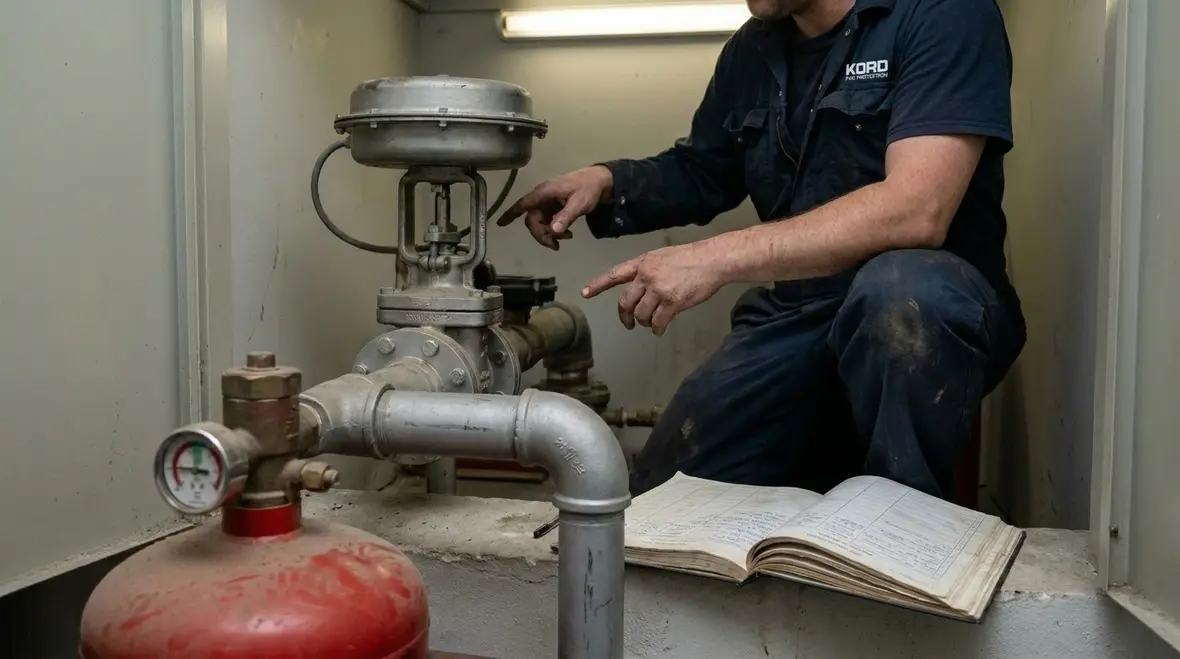
Why partial performance can still be dangerous
Some owners hear “the system passed the test” and assume risk drops to near zero. That assumption can be costly. Even when a system performs during a limited test, impairments may still reduce protection during real fire conditions. He points out that a test only proves what it measures, and real fires bring variables that do not show up in routine checks.
What partial performance can look like
- Detection triggers slowly under heat or smoke conditions that match the real hazard
- Discharge pressure changes during longer event durations
- Nozzles distribute agent or water unevenly due to hidden obstructions
- Control logic delays discharge until a second event occurs
Furthermore, business operations often mask the impact. A building may avoid incidents for months, so problems stay hidden. Then one day, the real event happens and the system behaves like a smart device with outdated firmware. It works, but not in the way anyone wanted.
Supervisory and trouble conditions matter here because they are often the only early clue that a system is standing by with reduced confidence. Kord Fire Protection’s recent piece on the suppression supervisory signal for fire suppression systems explains the practical value of those signals: they help teams catch loss of readiness before chaos decides to arrive uninvited. ([kordfire.com](https://kordfire.com/suppression-supervisory-signal-for-fire-suppression-systems/?utm_source=openai))
Owner responsibilities during inspections and documentation
Then the article turns to owner action. He explains that owners need more than a stamp on a form. They should verify that records match the actual system status and that corrective actions get completed, not just scheduled.
Four areas owners should tighten immediately
- Service records that list what was found, what was repaired, and what was verified
- Test results that include trend notes, not just a yes or no outcome
- Change logs that connect building modifications to system review
- Staff reporting paths so a minor trouble indicator reaches maintenance fast
In addition, owners should ask how technicians confirm system readiness after repairs. A proper closeout includes verification steps, not just a cleared alarm. If the provider can not explain the “how we know,” the owner should consider it a red flag.
Inspection reports also become far more useful when they are treated as operating documents rather than filing cabinet decorations. Repeated device failures, missing notes, or corrections that never quite become completed work can all signal a future problem. Kord Fire Protection touches on those patterns in its article about common fire code violations found in inspections, including the very practical reminder that visual neatness does not equal actual readiness. ([kordfire.com](https://kordfire.com/common-fire-code-violations-found-in-inspections/?utm_source=openai))
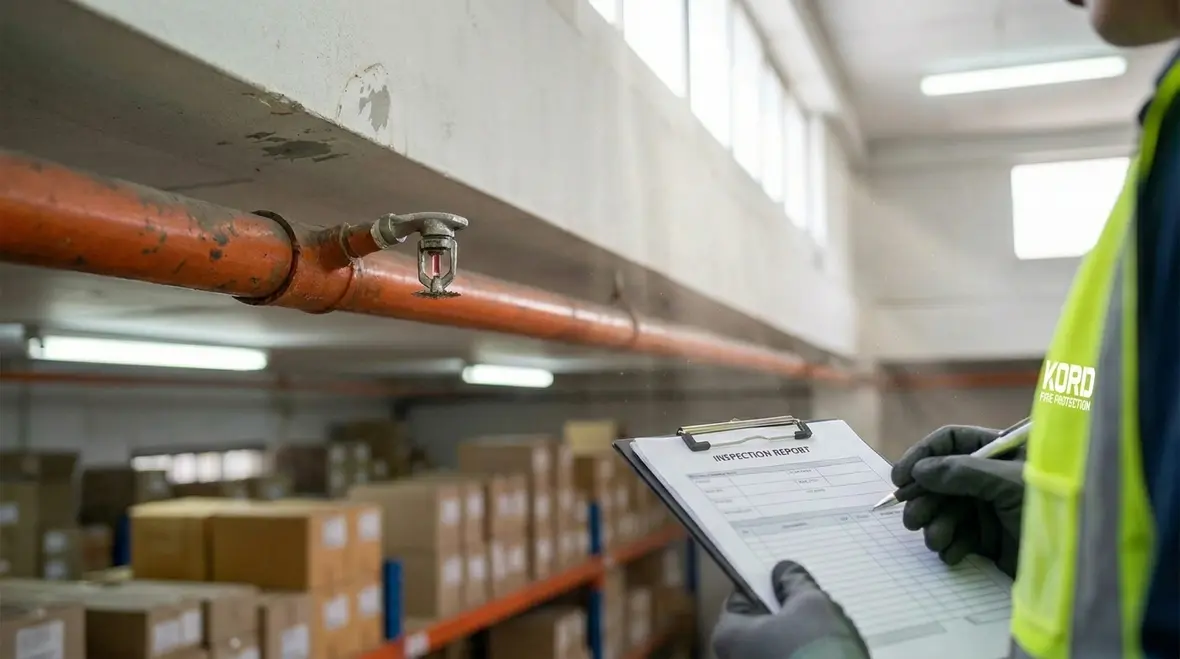
How Kord Fire Protection becomes a vital partner
Now, where does support actually help? This is where Kord Fire Protection can become a vital partner. When owners treat fire suppression impairment like a one time fix, they often repeat the cycle every year. However, a strong partner uses a plan that connects inspection results to long term system health.
Kord Fire Protection focuses on getting ahead of impairments by combining field expertise with disciplined documentation. Instead of only responding to trouble calls, they help owners build clarity around reliability. That means technicians do not simply reset problems; they track the cause, validate the correction, and help owners understand what to watch next. And yes, that is far more calming than guessing.
- Reviews the system as a whole, not as isolated parts
- Identifies patterns that lead to recurring impairments
- Coordinates guidance when the building changes
- Supports clean, readable records for compliance and audits
At the end of the day, good service protects people and property. It also protects the owner’s time, because fewer surprise issues means fewer interruptions, fewer emergency decisions, and fewer expensive “we wish we knew sooner” moments.
That whole approach lines up with Kord Fire Protection’s broader full fire protection services page, which highlights inspection, service, readiness, and a more comprehensive approach than isolated repairs. For owners who want fewer recurring surprises, linking system condition to ongoing service is the practical move, not the flashy one. ([kordfire.com](https://kordfire.com/full-fire-protection-services/?utm_source=openai))
Best practices to reduce future impairments
Finally, he outlines practical steps that owners can apply between service visits. These steps do not replace professional work, but they make failures less likely and faster to detect.
Practical habits that make a difference
- Keep access clear around control panels, valves, and discharge areas
- Control dust and moisture where equipment sits, especially after renovations
- Update hazard information when storage types or quantities change
- Train staff to report trouble signals right away and not “wait and see”
- Schedule inspections on time and avoid drifting dates due to busy seasons
In addition, owners should confirm that seasonal operations do not interfere with system readiness. If a building runs different processes in winter or summer, detection and flow assumptions may need review. That is the kind of foresight that keeps fire safety from becoming a reactive hobby.
Another smart habit is to treat temporary shutdowns like serious events with an actual plan. Kord Fire Protection’s fire protection impairment management guide emphasizes identifying the scope, notifying the right parties, using temporary safety measures, restoring service quickly, and documenting the entire process. That is the opposite of winging it, which is helpful because winging it has never been a recognized life safety strategy. ([kordfire.com](https://kordfire.com/fire-protection-impairment-management-guide/?utm_source=openai))
FAQ
Conclusion
Fire suppression system impairments rarely announce themselves with drama. Owners who act early can reduce uncertainty, improve readiness, and protect the people who depend on that system. By tracking trouble signals, verifying documentation, and supporting consistent testing, a building stays closer to “designed performance” and farther from “we’ll see what happens.”
When owners want a steady, proactive approach, Kord Fire Protection can help through its full fire protection services. Schedule a review today and get ahead of the next problem before it earns a spot on the service calendar. ([kordfire.com](https://kordfire.com/full-fire-protection-services/?utm_source=openai))

Join Our Newsletter!
Get the latest fire safety tips delivered straight to your inbox From our Newsletter.



