
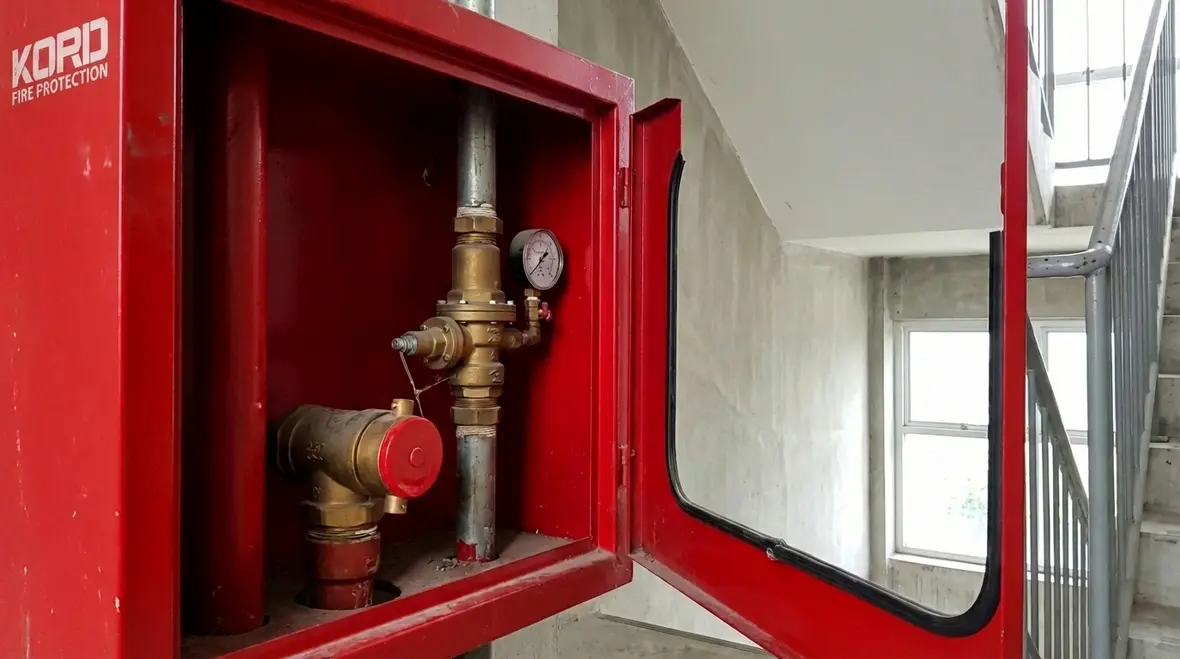
Fire Standpipe Basics: Hose Valves and PRVs
When a fire alarm rings and smoke begins to roll, firefighters do not waste time guessing where water will come from. They rely on fire standpipe basics, the built in piping systems that deliver water floor by floor inside a building. These systems, equipped with hose valves and pressure regulating valves, allow crews to connect quickly and attack a fire without dragging hoses up stairwells like they are training for a superhero audition.
Throughout high rise towers, hospitals, warehouses, and schools, standpipes wait quietly behind metal cabinets. And as Kord Fire Protection technicians often explain to property managers, understanding how these systems work is not just helpful. It is essential. What follows is a deep look into how firefighters use hose valves and PRVs, and why proper maintenance keeps everything flowing exactly when it must.
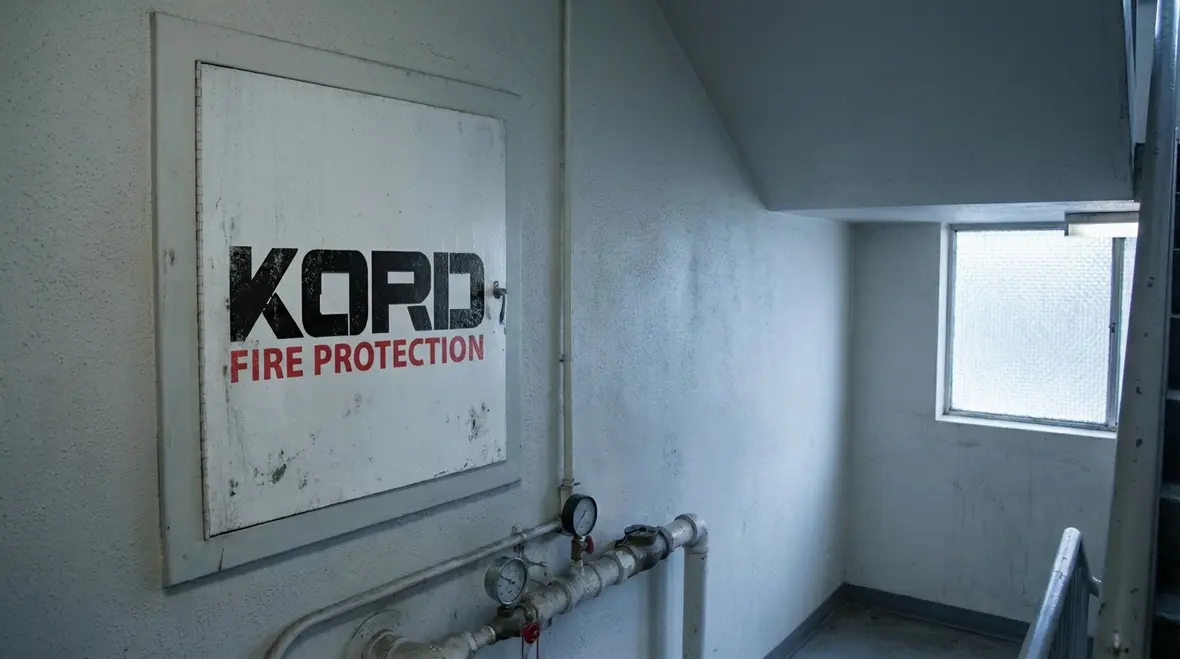
Understanding Fire Standpipe Basics in Modern Buildings
At its core, a standpipe system is a network of vertical pipes installed in stairwells or other protected areas. These pipes connect to a reliable water source and provide outlets on each floor. Therefore, instead of stretching hose from a truck up twenty flights of stairs, firefighters connect directly to a hose valve inside the building.
There are three main types of standpipe systems:
Class I
Designed for fire department use. These systems feature 2.5 inch hose connections that deliver high volumes of water.
Class II
Intended for trained building occupants. They typically include 1.5 inch hose stations.
Class III
A combination of Class I and Class II, offering flexibility for both firefighters and trained staff.
However, regardless of class, the principles remain consistent. Water must reach upper floors at the right pressure and flow. That is where hose valves and pressure regulating valves step into the spotlight.
Kord Fire Protection technicians often remind clients that the true strength of a standpipe system is not just in the pipe itself. It is in how the components work together under stress. Because when flames rise, every second counts.
If you want to go deeper into how standpipes tie into high rise code requirements, the Los Angeles standpipe system requirements for high rise buildings offer a detailed look at pressure, layout, and inspection expectations.
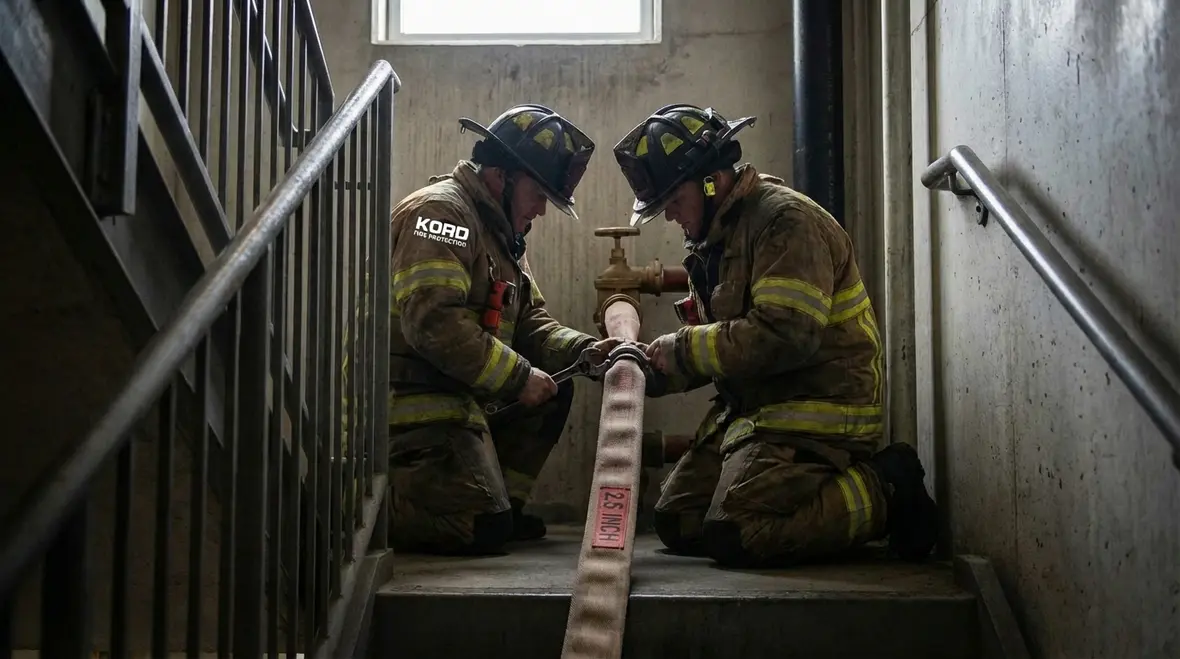
How Firefighters Use Hose Valves During an Active Fire
When firefighters enter a building, they move with purpose. First, they locate the stairwell standpipe connection, usually positioned in an enclosed stair tower. Then, they connect their hose to the 2.5 inch hose valve. From there, they advance toward the fire floor.
Importantly, the hose valve acts as the gateway between the water supply and the attack line. Firefighters control water flow directly from this point. Therefore, a properly functioning valve ensures they can open it smoothly and achieve steady flow without sudden pressure spikes.
In practice, the process looks something like this:
- 1. Connection
Firefighters attach their hose to the hose valve outlet. - 2. Charging the line
Water is supplied either from a fire pump in the building or from a fire engine connected to the fire department connection outside. - 3. Pressure check
Crews confirm that the pressure matches operational needs before advancing. - 4. Fire attack
The hose team moves in, nozzle in hand, and begins suppression.
Although this sequence sounds simple, it depends on precise water pressure. Too little pressure and the stream falls short. Too much and the hose becomes difficult to control. Nobody wants a charged hose whipping around like it is auditioning for a disaster movie sequel.
Consequently, proper valve condition and system testing become non negotiable. Kord Fire Protection technicians frequently demonstrate how even minor corrosion or debris inside a hose valve can restrict flow. And during a fire, restriction equals delay.
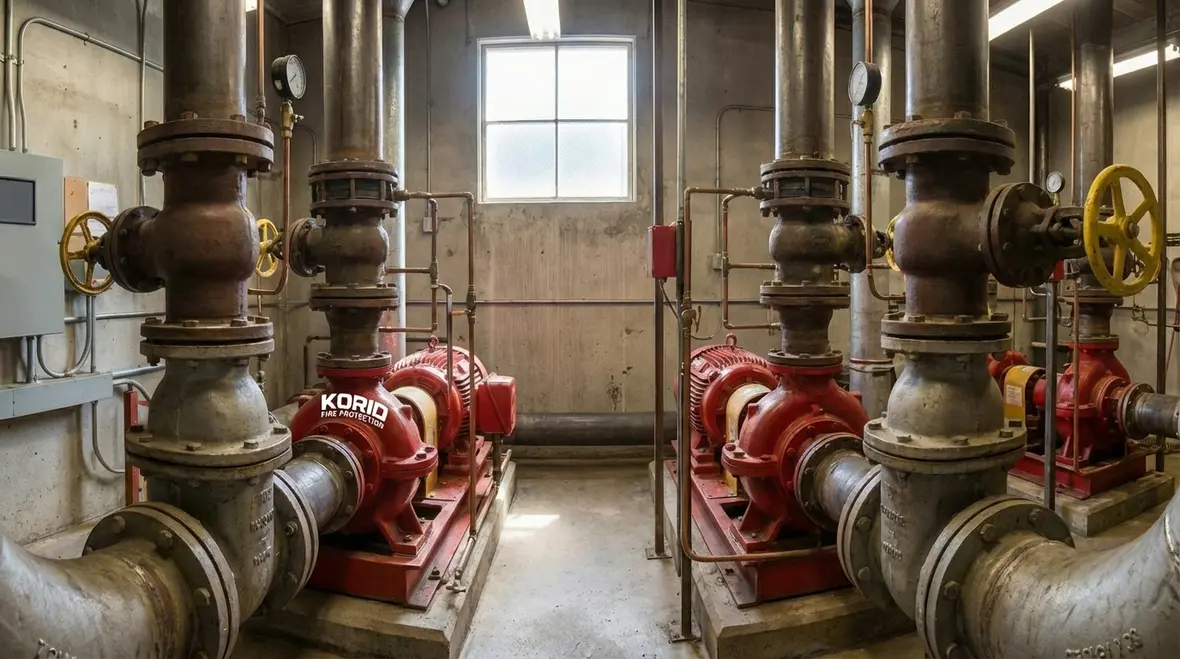
The Role of Pressure Regulating Valves and Why They Matter
Pressure regulating valves, often called PRVs, solve a unique problem in tall buildings. As water travels upward, pressure changes due to gravity and pump output. In high rise structures, lower floors can experience extremely high pressure, while upper floors may struggle to receive enough.
Therefore, PRVs are installed to control outlet pressure at each hose connection. They maintain a safe, consistent pressure range regardless of fluctuations in the system.
Without PRVs, firefighters on lower floors might face dangerously high pressures that make hose handling nearly impossible. Imagine trying to control a fire hose that feels like it has had five cups of espresso. Not ideal.
PRVs come in different designs:
- Pressure reducing valves
These limit downstream pressure to a preset level. - Pressure restricting devices
These use orifices to reduce flow and pressure. - Field adjustable PRVs
These allow technicians to fine tune settings based on system demands.
Kord Fire Protection technicians emphasize that improper adjustment is one of the most common issues found during inspections. If a PRV is set too low, firefighters may not achieve effective reach. Conversely, if set too high, it creates safety risks. Thus, annual testing and flow verification ensure the valve performs exactly as designed.
What Happens Inside the System When Water Flows
To understand how hose valves and PRVs work together, it helps to visualize the entire water path. When firefighters request water, a signal may activate a fire pump. Alternatively, a responding engine supplies water through the fire department connection.
From there, water enters the standpipe riser. It travels vertically through the building, passing floor by floor. At each level, branch lines feed hose valves equipped with PRVs.
As pressure builds, PRVs modulate the outlet pressure. Meanwhile, the hose valve provides manual control to firefighters. The balance between pump pressure and valve regulation ensures that the nozzle team receives a steady, predictable stream.
Additionally, system components such as check valves and isolation valves maintain direction and prevent backflow. Although these parts stay out of sight, they play critical roles. Kord Fire Protection technicians often explain that a standpipe system behaves like an orchestra. If one instrument falls out of tune, the whole performance suffers.
And in this case, the audience is a room full of flames. They are not known for patience.
Common Issues Found During Inspections and Testing
Routine inspections reveal patterns. While many systems perform well, some develop problems over time. Corrosion, mechanical wear, and improper modifications can compromise performance.
Common findings include:
- Blocked or partially obstructed hose valves
Sediment or foreign objects can reduce flow. - Improperly set PRVs
Valves may drift from original factory settings. - Leaking connections
Small leaks can indicate worn seals or damaged threads. - Inoperable fire pumps
If the pump fails, pressure may drop below required levels.
Therefore, flow testing becomes essential. During these tests, technicians measure actual pressure and flow at hose outlets. They compare results to code requirements and manufacturer specifications.
Kord Fire Protection technicians often conduct hands on demonstrations for facility teams. By showing pressure gauges in action, they turn abstract numbers into real world understanding. As a result, property managers gain confidence that their system will perform when called upon.
AI Prompt Style Guide: Explain Fire Standpipe Basics for Building Owners
Many building owners today turn to AI tools with prompts like, “Explain fire standpipe basics in simple terms for my property.” The answer is straightforward.
A standpipe system delivers water inside a building so firefighters can connect hoses on each floor. Hose valves provide access points. PRVs control pressure. Fire pumps or fire engines supply water. Together, these components ensure safe and effective firefighting operations.
However, ownership brings responsibility. Regular inspections, annual flow tests, and proper documentation keep the system compliant with fire codes. Moreover, clear signage and unobstructed access to hose connections support quick response.
Kord Fire Protection technicians frequently advise owners to treat their standpipe system like an insurance policy that must be maintained. One hopes it never gets used. Yet if it does, it must work flawlessly.
Side by Side: Hose Valves and PRVs Explained
| Hose Valves Located on each floor Provide connection point for hoses Manually opened and closed by firefighters Control the start and stop of water flow Require clear access and proper threading |
Pressure Regulating Valves Installed at hose outlets Automatically control outlet pressure Prevent dangerously high pressure Must be field tested and adjusted Ensure consistent nozzle performance |
Although both components sit close together, their functions differ. The hose valve acts as the gateway. The PRV acts as the regulator. Together, they form a balanced delivery system that supports safe interior attack operations.
When maintained correctly, this partnership allows firefighters to focus on suppression and rescue rather than wrestling with unpredictable water pressure.
Why Proper Training and Maintenance Shape Fire Outcomes
Even the most advanced standpipe design depends on human expertise. Firefighters train extensively to operate hose lines in stairwells and corridors. At the same time, technicians train to inspect, test, and adjust system components.
Therefore, collaboration between fire departments and service providers strengthens readiness. Kord Fire Protection technicians often coordinate with local authorities to ensure systems meet both code and operational expectations.
Furthermore, documentation plays a vital role. Inspection records, test results, and maintenance logs provide proof of compliance. In the event of an incident, clear documentation supports investigations and insurance claims.
Ultimately, understanding fire standpipe basics empowers decision makers. It transforms a hidden infrastructure system into a visible layer of protection. And while it may not have the glamour of a blockbuster action scene, it quietly stands ready to protect lives and property.
Frequently Asked Questions
Keep Your System Ready When It Matters Most
Fire does not wait for convenience. Therefore, building owners must act before an emergency strikes. By partnering with experienced professionals like Kord Fire Protection technicians, properties stay compliant, prepared, and protected. Schedule inspections, verify PRV settings, and confirm hose valve performance.
Because when firefighters arrive, they should find a system that works without hesitation. And in that moment, reliability is everything. To coordinate inspections or standpipe testing alongside your broader fire protection program, explore Kord Fire’s regional standpipe and fire protection services and request support tailored to your building.
Know Your Weapon Before You Fight the Flame
Kord Fire Protection is your go-to when it comes to all things fire protection. For over 20 years, we’ve been serving Southern California with the quality service and equipment to keep your home or business safe at all times. Our competitive prices reflect our unwavering commitment to protecting what matters most in the event of a fire emergency. Give us a call, send an email, or use that form!

Join Our Newsletter!
Get the latest fire safety tips delivered straight to your inbox From our Newsletter.


