
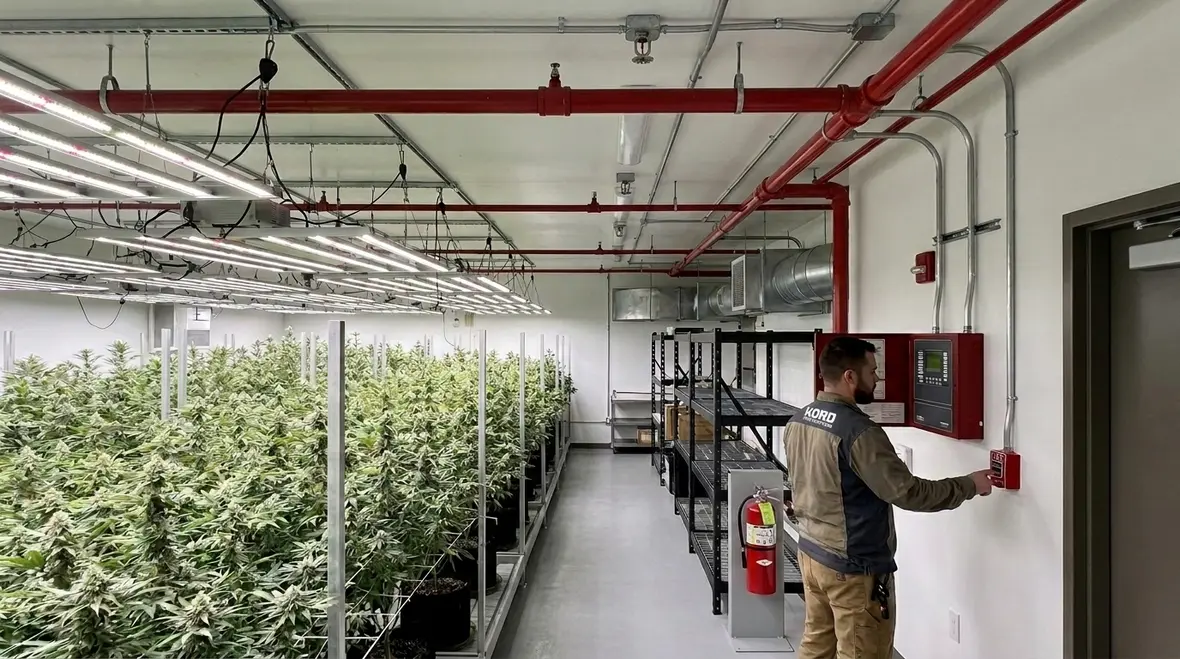
Cannabis Facility Fire Suppression Systems for Compliance
Fire Suppression Systems for Cannabis Facilities are not just a “nice to have” for legal grow operations. In high humidity, full of stored materials, and packed with electrical gear, a cannabis facility can see fast fire growth if the right protection is not in place. That is where cannabis facility fire suppression comes in, helping protect people, products, and the building itself. However, the real win happens when the system also fits the facility’s layout, follows code, and gets maintained like it matters. And yes, it does matter, because smoke is the one thing nobody wants to meet before opening day.
For operators trying to stay inspection-ready, it also helps to work with a provider that handles broader protection needs. Kord Fire Protection’s full fire protection services cover sprinkler, alarm, extinguisher, suppression, and fire pump support, which makes coordination a lot easier when your facility has more moving parts than a trim room on harvest week.
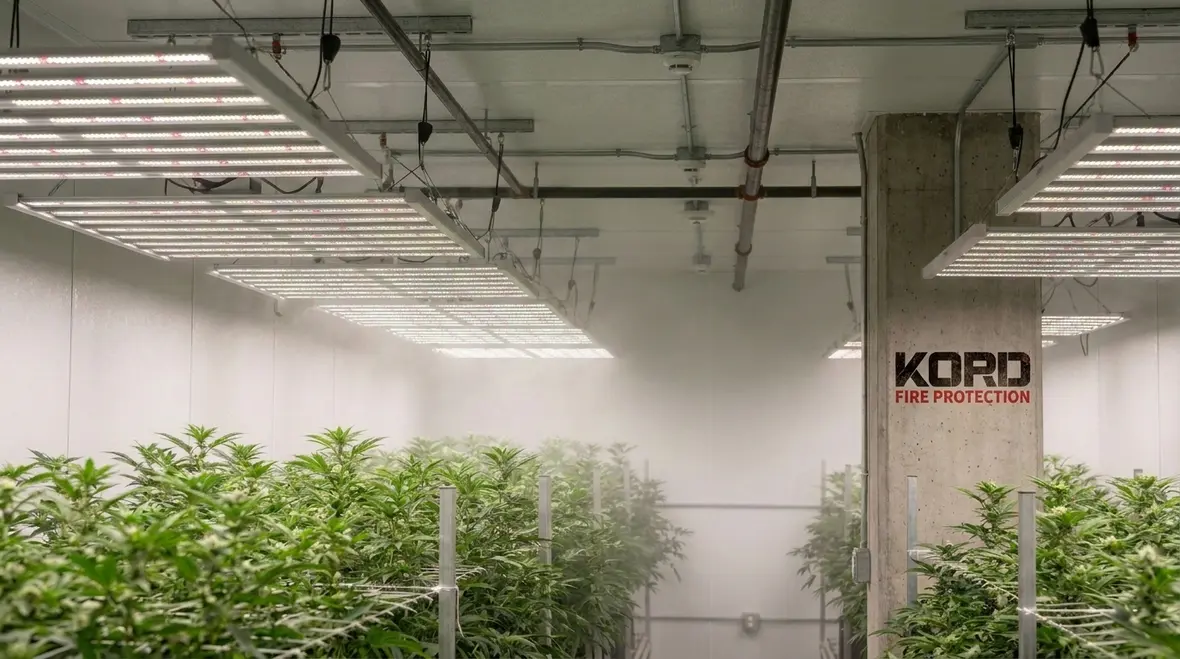
Why cannabis facilities need fire suppression planning
Unlike a small warehouse that might hold mostly pallets, cannabis environments mix live plants, drying areas, packaging zones, and storage for inputs. cannabis facility fire suppression must account for how fuels behave in each room. For example, a drying space can involve different risks than a grow room because of airflow, humidity control, and how materials are arranged. Meanwhile, equipment like dehumidifiers, lights, fans, and controllers adds electrical and mechanical hazards that fire plans must handle.
Every room has its own fire personality
That is really the heart of the issue. One room may be packed with irrigation controls and electrical panels, while another may have stacked supplies, drying product, packaging materials, or utility equipment that changes how a fire grows and spreads. If the planning treats the whole facility like one giant generic box, protection gaps can hide in plain sight. And fires love plain sight. They are rude like that.
When planning is done early, the facility team can reduce surprises later. As a result, contractors can place nozzles, valves, and pull stations where they will actually work during an emergency. And because fire behavior does not care about business hours, the design should support fast detection and suppression, not slow “we will figure it out” reactions.
Early planning also helps the rest of the project team. Architects, engineers, electrical contractors, and HVAC installers all affect final system performance, whether they mean to or not. A duct drop here, a storage rack there, and suddenly your clean layout has become a puzzle with one piece missing. Good fire protection planning catches those conflicts before they become expensive field improvisation.
How different fire suppression system types match facility risks
Fire suppression is not one-size-fits-all. So the right system depends on the space, the heat source, and what the facility can tolerate during discharge. The choice is not just about stopping flame. It is also about limiting collateral damage, protecting equipment, and helping the facility recover without turning a small incident into a full operational nightmare.
Common system approaches
- Water based systems: These can work well in many commercial spaces, especially where water damage is manageable. They typically suit areas like mechanical rooms and general storage, depending on local requirements.
- Clean agent and inert options: Some facilities use these when water damage would be costly. They help protect sensitive equipment in control areas, but require careful design and training.
- Specialty systems: Some spaces need targeted coverage. For instance, certain designs focus on enclosed areas or specific hazards tied to equipment layout.
In practice, the facility should also consider smoke control and detection pairing. Otherwise, the system might suppress the fire but still leave smoke damage that impacts product quality and recovery timelines. In other words, fire suppression and detection should work like a team, not like roommates who never talk.
This is also where facility priorities matter. If a room contains critical control hardware, a discharge choice that protects electronics may make more sense than one better suited for a storage area. If a room is highly occupied, then alarm clarity, egress support, and visibility become bigger parts of the conversation. The right answer is not the fanciest option. It is the one that fits the hazard, the operations, and the recovery plan.
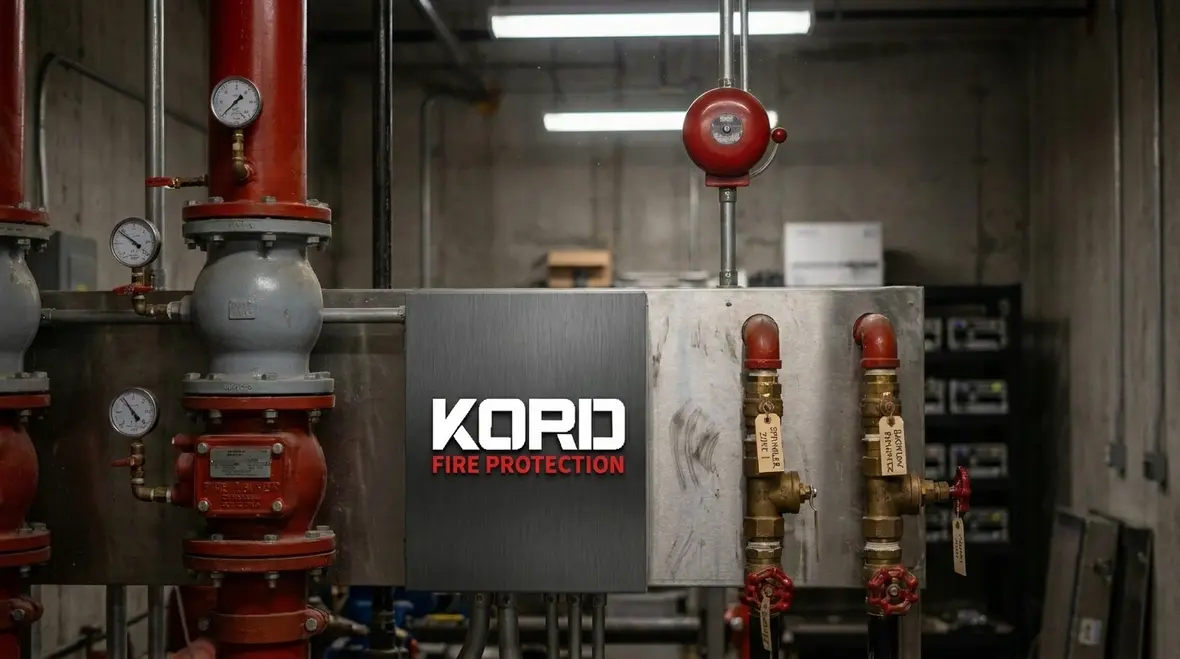
Key design considerations for cannabis facility fire suppression
To get real protection, the design must reflect how the facility functions day to day. First, it needs correct hazard classification for each area, such as grow, dry, cure, packaging, and storage. Then it should match coverage to ceiling height, rack arrangement, aisle width, and obstructions. If sprinklers or nozzles sit behind dense storage, suppression can miss the hottest path of the fire.
Design for the real layout, not the pretty drawing
Next, designers should address system reliability. That includes proper water supply, pump sizing, valve access, and backflow prevention where required. Also, they must include the right alarms and monitoring so staff receives clear instructions. When every second counts, vague signals become a problem. A good design reduces confusion and supports orderly evacuation and shutdown.
Finally, they should consider the after effect. Even with proper suppression, facilities still need a plan to resume operations. For that reason, the best system designs include practical recovery thinking, such as water mitigation strategies where applicable and clear documentation for incident response.
A strong design also respects access. Shutoffs should be reachable, controls should be labeled clearly, and monitoring should tell staff what is happening without forcing a guessing game under pressure. When emergency instructions are obvious, response becomes faster and safer. When they are not, even trained teams can lose time chasing the wrong problem.
Code compliance, inspections, and maintenance that actually gets done
Compliance is not a “sign and forget” task. It needs routine inspections, testing, and documentation. Fire suppression systems typically require periodic inspection of valves, tamper switches, alarms, and component condition. In addition, facilities must keep records so when an inspector asks, the answers do not sound like a guess.
Maintenance is what keeps compliance from becoming theater
Maintenance also protects uptime. For example, clogged components, damaged piping, or out of calibration detection devices can quietly reduce performance. However, a strong maintenance plan catches issues early, before they turn into costly downtime. And because cannabis operations can expand quickly, designers and service teams should revisit system coverage after layout changes.
In short, cannabis facility fire suppression works best when the system stays ready. That means scheduled work, clear responsibilities, and fast repairs. It also means training staff so they understand what alarms mean and how to respond without panic.
If your team wants a broader service partner for recurring inspections, repairs, and readiness support, Kord Fire Protection also offers dedicated fire sprinkler services that align with ongoing compliance goals. That kind of support can make a huge difference when schedules are tight and inspection dates show up with the charm of an unexpected audit.
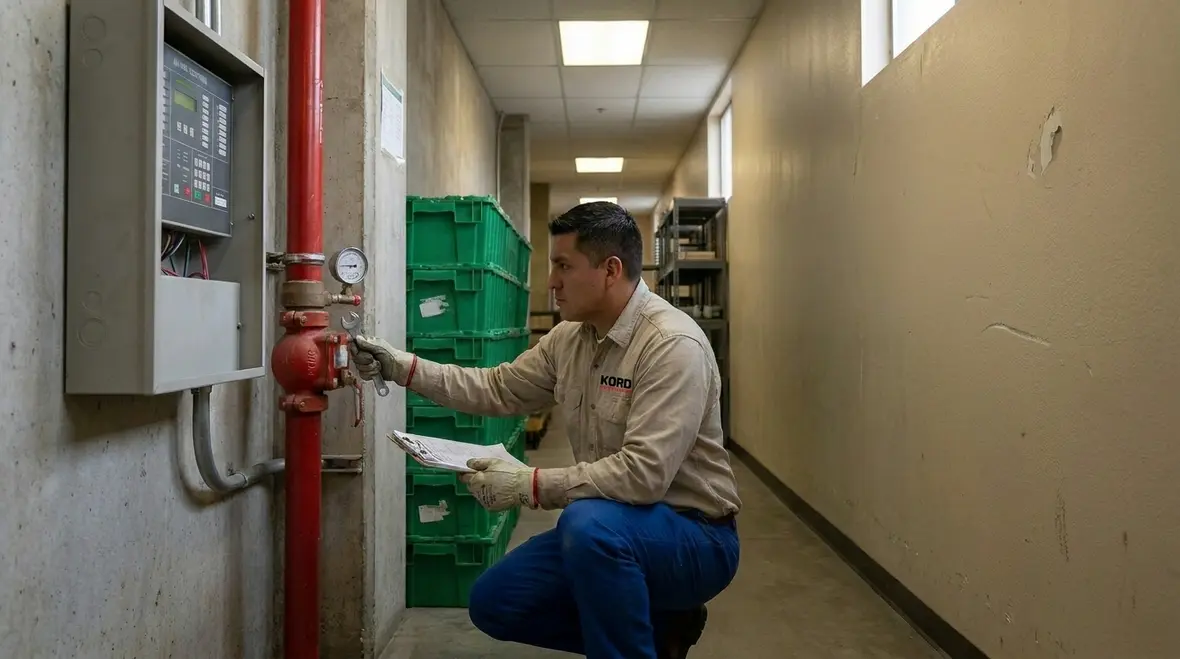
Why Kord Fire Protection becomes a vital partner
Even the best system can underperform if it is not maintained and supported by the right partner. Kord Fire Protection can become a vital ally for cannabis facility teams because the job involves more than installing hardware. It involves aligning real-world hazards, facility growth, and ongoing compliance needs into a dependable service plan.
As facilities mature, they tend to add rooms, shift storage patterns, upgrade HVAC, or reconfigure grow layouts. Kord Fire Protection can support these changes by helping ensure the fire protection design continues to match the facility. That includes verification of coverage, review of system performance assumptions, and practical guidance for inspection readiness.
Also, a good partner helps reduce operational friction. Instead of scrambling when testing dates arrive, the facility can plan around maintenance windows and keep production stable. Think of it like having a reliable safety net, not a surprise clown car during an inspection. Nobody wants that.
Kord Fire Protection describes its approach as comprehensive fire protection coverage, with services that span sprinkler, alarm, extinguisher, suppression, and fire pump support, making it easier for facilities to centralize compliance planning under one provider.Learn more about their service coverage.
Implementation roadmap for facility teams
To move from concept to reliable protection, the following steps help keep the project controlled and clear:
- Assess hazards by room: Identify fuel sources, electrical loads, storage density, and how air moves through the building.
- Select system type and coverage: Match suppression approach to each space and minimize damage risk.
- Plan for detection and alarms: Ensure staff receives timely, specific signals for evacuation and response.
- Coordinate with local requirements: Confirm code demands early so the facility avoids redesign later.
- Build a maintenance schedule: Lock in inspection intervals, testing dates, and responsible staff or vendor support.
- Train staff: Teach response steps so actions during an emergency remain consistent.
- Review changes after remodels: Recheck the system if the facility expands or rearranges storage and equipment.
When teams follow this sequence, they reduce risk and shorten the path to a stable operating environment. And yes, it still takes work. But it takes better work than ignoring it and hoping the building performs like a superhero movie.
FAQ on fire suppression systems for cannabis facilities
Final thoughts and next step
Fire risk in a cannabis facility does not wait for perfect timing, and neither should planning. A well designed fire suppression system supports faster control, clearer alarms, and better recovery outcomes. Meanwhile, a strong partner helps the system stay compliant and dependable as the facility changes. Kord Fire Protection can help cannabis operators build confidence through support that goes beyond installation.
If the facility needs a review, upgrade plan, or maintenance partnership, it is time to schedule a consult and tighten up protection before the next inspection cycle. Near the end of any planning conversation, it makes sense to connect with a team that already handles fire suppression and full fire protection services so your compliance strategy does not get split across multiple vendors and multiple headaches.

Join Our Newsletter!
Get the latest fire safety tips delivered straight to your inbox From our Newsletter.



