
Lab Fire Suppression Systems for Research and Clinical Labs
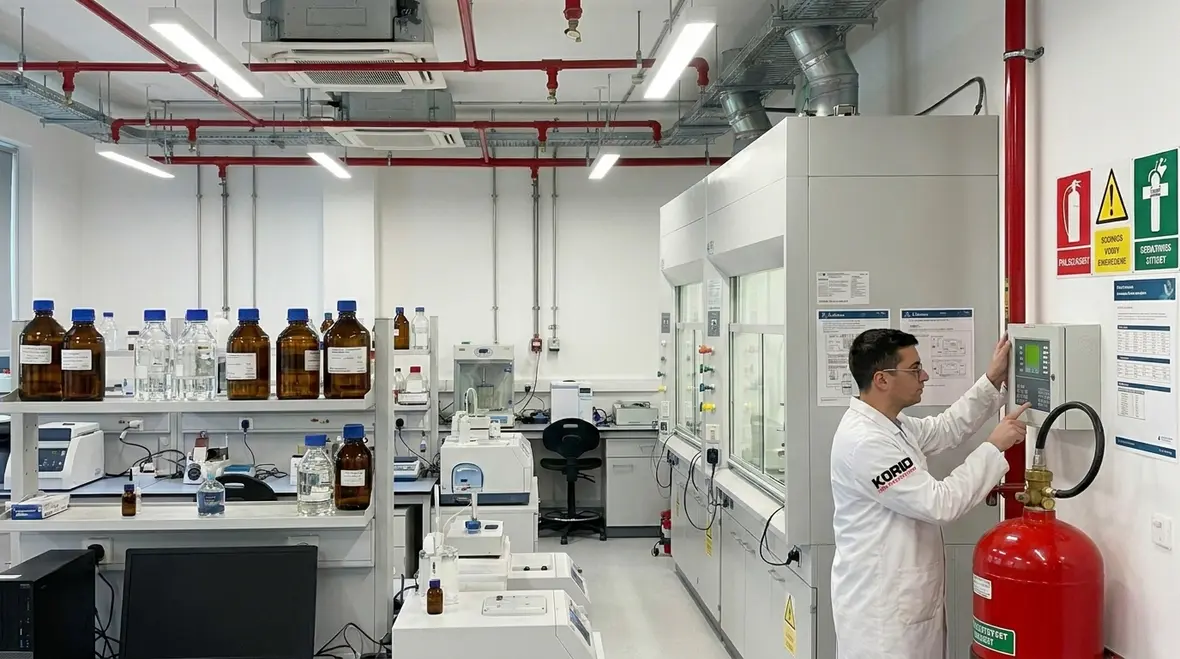
A lab fire suppression system matters because laboratories mix heat, chemicals, and curiosity in the same room, and fire does not care about good intentions. When the right protection plan shows up early, it helps protect people, samples, equipment, and the lab’s ability to operate again fast. Therefore, fire suppression systems for laboratories must be designed, installed, and maintained with real lab conditions in mind, not just generic building rules. And because the details can get tricky, Kord Fire Protection can become a vital partner, guiding teams through design choices, compliance steps, and ongoing readiness.
Now, let’s slow it down, like a calm voiceover before the plot twist. Because in a lab, the “twist” is often that a small ignition source can grow faster than anyone wants. Fortunately, good protection beats chaos every time.
Fire risk basics in research and clinical labs
Laboratories face fire risks that differ from offices and warehouses. In many spaces, ignition sources move from hot plates and burners to electrical panels, centrifuges, drying ovens, and friction from moving equipment. At the same time, stored chemicals can add fuels that burn hotter or react with heat. Thus, the fire behavior depends on what is present, where it sits, and how fast it can spread.
In addition, labs often run experiments in cycles. Therefore, the “risk profile” changes with the day’s work. For instance, a room that stores flammables outside of active use may become more hazardous once those materials move to benches or fume hoods. As a result, the suppression design must match the operational reality, not just the floor plan on paper.
Choosing a suppression approach that fits the hazard
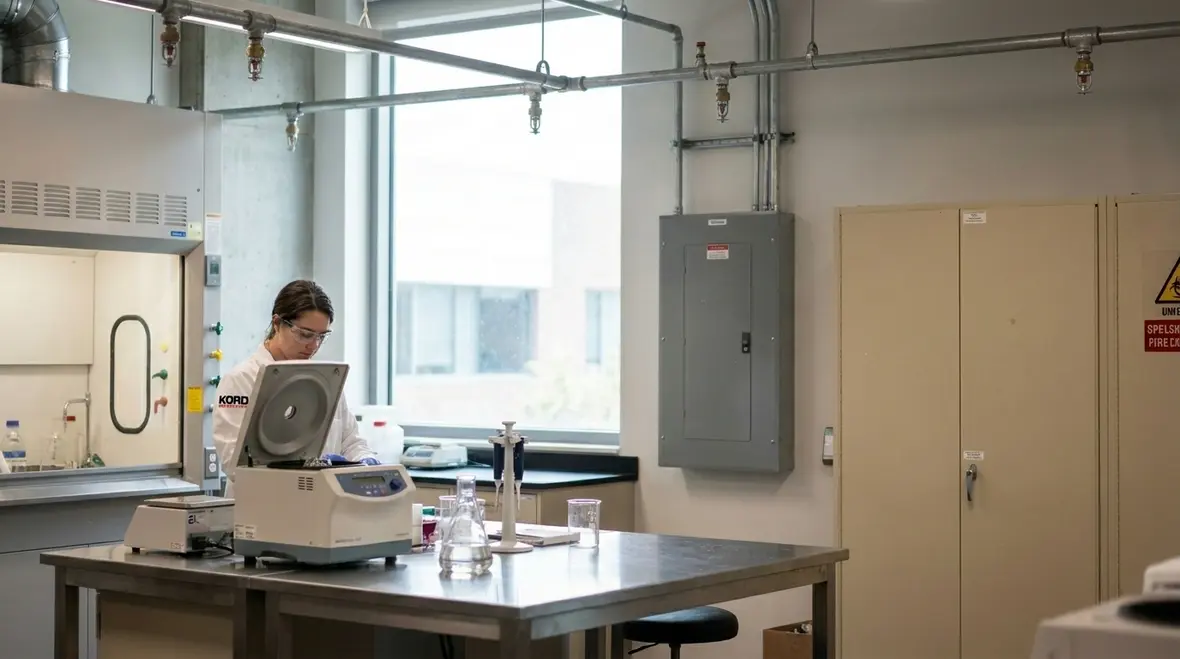
Fire suppression systems do not work the same way for every lab. Each approach targets a specific type of fire and tries to control it with minimal disruption. For that reason, the system selection process usually starts with hazard mapping and a careful review of combustible loads, chemical classes, and ignition sources.
Common options include clean agent systems, water based systems, and specialized designs for specific areas. Clean agents often suit spaces where water can damage equipment or ruin sensitive instruments. Meanwhile, water based systems may support certain open areas when the lab layout and fire behavior allow it. However, the “best” method depends on what the lab stores and how staff work. If your facility includes connected IT spaces, server rooms, or supporting data environments, it can also help to review NFPA 75 for IT environments and data centers so protection planning stays coordinated across the building.
And yes, the lab will try to surprise the installers. A venting system that changes airflow patterns, a room that shares ductwork, or a false ceiling that hides voids can all alter performance. Consequently, the design must account for airflow, detection timing, and discharge coverage so the system activates where it matters.
Why hazard mapping matters before system selection
Hazard mapping keeps teams from making expensive assumptions. It identifies where ignition is most likely, which materials could intensify a fire, and how a discharge might affect nearby work. That means the conversation is not just “What system do we like?” but “What event are we actually trying to control?” That small shift usually saves time, money, and a lot of awkward redesign meetings later.
How detection and zoning prevent expensive surprises
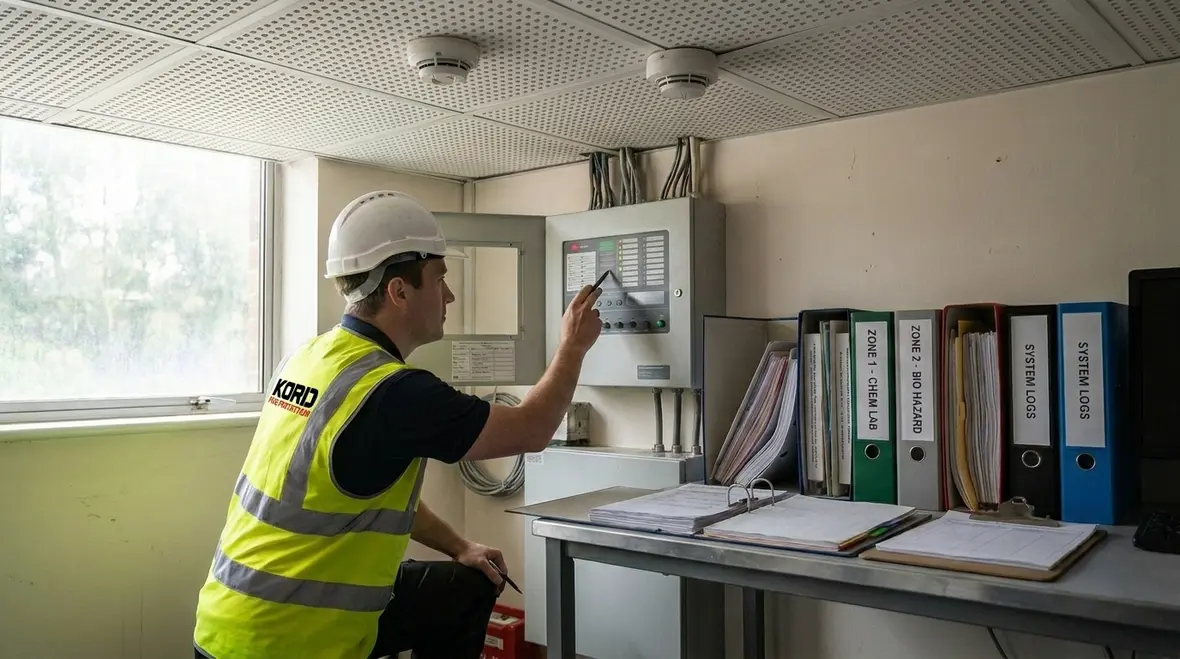
Suppression works best when detection triggers early and reliably. Therefore, labs need detectors placed with intent, not just wherever there is space. Heat, smoke, and flame detection can support different scenarios, and zoning helps isolate where the event starts.
For example, a hood area may require a different detection strategy than a storage cabinet or an instrument room. Additionally, researchers may create steam, normal vapor, or dust that can fool basic alarms. As a result, the lab fire suppression system plan should coordinate detection type, alarm thresholds, and staff response procedures.
Moreover, a well designed zoning strategy reduces collateral impact. Instead of flooding or discharging broadly, the system can focus on the specific zone. That can protect experiments, limit cleanup, and keep operations closer to normal. Because in a lab, downtime can cost more than people expect, like the bill after a last minute “quick coffee” turns into a whole routine.
Detection has to match what the lab actually does
This is where generic placement can backfire. A detector that works nicely in a quiet office might struggle in a lab with airflow shifts, warm equipment, routine vapor, or intermittent dust. Matching the detection technology to the environment helps reduce nuisance alarms and improves the odds that a real event gets identified before it becomes a headline nobody wanted.
Designing for compliance, documentation, and inspections
Labs run on procedures, and fire systems should do the same. Proper design includes working with code requirements, local standards, and the lab’s internal safety goals. Documentation matters, from engineering calculations to acceptance testing and as built drawings.
Then there is inspection readiness. Fire protection systems require periodic checks, system tests, and maintenance logs. Thus, the lab needs a schedule that fits real operations, not a calendar fantasy. When inspections arrive at the worst time, staff feel it. So, planning helps avoid disruption and reduces the chance of “surprise failures” during a formal review.
This is also where Kord Fire Protection can become a vital partner. They help teams align system design with operational needs, and they keep documentation clean and organized. In other words, they reduce the paperwork chaos so the lab can focus on science, not scrambling.
Installation details that affect performance later
Even the best design can underperform if installation misses key details. For laboratory environments, careful installation protects coverage, integrity, and reliability. Technicians must secure piping properly, verify nozzle or discharge locations, and ensure that equipment connections match the intended design.
Furthermore, laboratories often include tight spaces and complex layouts. That means routing can interfere with equipment access, cable paths, or ventilation. Therefore, installers need a site walkthrough and close coordination with lab staff and contractors.
Just as important, acceptance testing confirms that the system does what the drawings promise. That includes verifying alarm outputs, checking detection response timing, and validating discharge performance where applicable. And if the lab has changed since the original drawings, then the system needs updates. Because the lab evolves, and fire protection should keep up.
Also, Kord Fire Protection can support these stages by coordinating practical installation needs and by helping labs plan for long term maintenance, so the system stays dependable after the ribbon cutting. Yes, fires do not show up for ceremonies.
Commissioning is where plans meet reality
Commissioning and acceptance testing are the moments when everyone finds out whether the beautiful drawings and polite meetings actually resulted in a working system. If detectors are delayed, nozzles are misaligned, or coverage gets blocked by last minute equipment changes, the system may technically exist while still failing the lab in practice. That is not the kind of surprise anyone wants.
Maintenance and training for long term reliability
A lab fire suppression system is not a set it and forget it purchase. Instead, it needs ongoing maintenance to remain reliable under real conditions. That includes inspections of control panels, checks of agent levels or water supply readiness, testing of detection and alarms, and cleaning where dust buildup might affect sensors.
Additionally, labs should train staff on what alarms mean and how to respond safely. Training does not need to be complicated. However, it must be specific: which doors close, how to report the event, when to evacuate, and how to avoid unsafe actions during discharge. Staff should understand that some suppression events can create clean up needs or create visibility changes.
Just because a fire system exists does not mean people will guess the correct steps. Therefore, practical drills and clear procedures help ensure staff follow the plan. And when staff know the plan, the lab responds faster and smarter.
At this point, Kord Fire Protection can act like the calm guide in the background. They help establish maintenance routines, confirm performance expectations, and provide support that keeps the lab protected even as projects shift.
Comparing common lab system setups
Labs often group risks by function, then match systems to those zones. For example, high value instrument rooms may favor designs that limit water exposure. Meanwhile, chemical handling areas may need targeted coverage based on storage patterns and airflow.
In practice, dual considerations guide the final setup: the hazard type and the lab’s ability to recover after discharge. Therefore, some labs combine detection upgrades with a suppression plan that reduces damage, while others adjust compartmentation or implement improved controls to slow spread. Importantly, these steps do not replace a suppression system. Instead, they strengthen the whole defense strategy.
FAQ: Fire suppression systems for laboratories
Call Kord Fire Protection to protect the lab before the incident
Fire suppression in a laboratory is not luck. It is planning, detection coordination, smart zoning, and reliable maintenance. When the lab prepares early, it protects people and reduces costly downtime. Kord Fire Protection can help teams build a practical protection plan, keep documentation clean, and support ongoing readiness through inspections and updates.
If the lab is expanding, renovating, or simply overdue for a review, act now. Contact Kord Fire Protection today and get a protection plan that fits the real work in the room. For broader support options, explore fire suppression services and connect with a team that understands protection has to work in the real world, not just on a neat set of drawings.

Join Our Newsletter!
Get the latest fire safety tips delivered straight to your inbox From our Newsletter.



