High Rise Standpipe System Design Trends in Australia
Quick answer: High rise projects now favor smart standpipe layouts, pressure boosting where needed, and code led verification that keeps water flowing the way firefighters expect. Modern materials, faster installation methods, and better zone control reduce downtime and risk. And for fire readiness, Kord Fire Protection can act as a vital partner that verifies performance end to end.
In Australia’s industrial, retail, and commercial spaces, modern standpipe system design trends have shifted fast. Today, teams plan for tighter building services zones, smarter monitoring, and more reliable performance under pressure. Instead of treating a standpipe as just another pipe on the drawings, designers now model how water will move through high rise vertical cores, where every floor, landing, and stairwell connection matters. And importantly, contractors aim to reduce delays during commissioning, so the system does not become “the project we will finish later.”
In this article, third person voices guide the reader through what is changing in standpipe design for high rise structures. Then, the article explains how Kord Fire Protection becomes a vital partner to support the job, from design intent through verification and ongoing readiness. Because when it comes to fire protection, “close enough” is a joke firefighters do not laugh at.
For teams planning broader site readiness beyond the riser itself, full fire protection services can fit naturally into early coordination once design intent starts turning into field realities.
Modern design goals for high rise standpipe performance
High rise buildings place special demands on firefighting operations. As height increases, so does friction loss, and that can reduce usable pressure where it matters most. Therefore, modern standpipe design focuses on predictable flow, stable pressure, and clear routing through the building core.
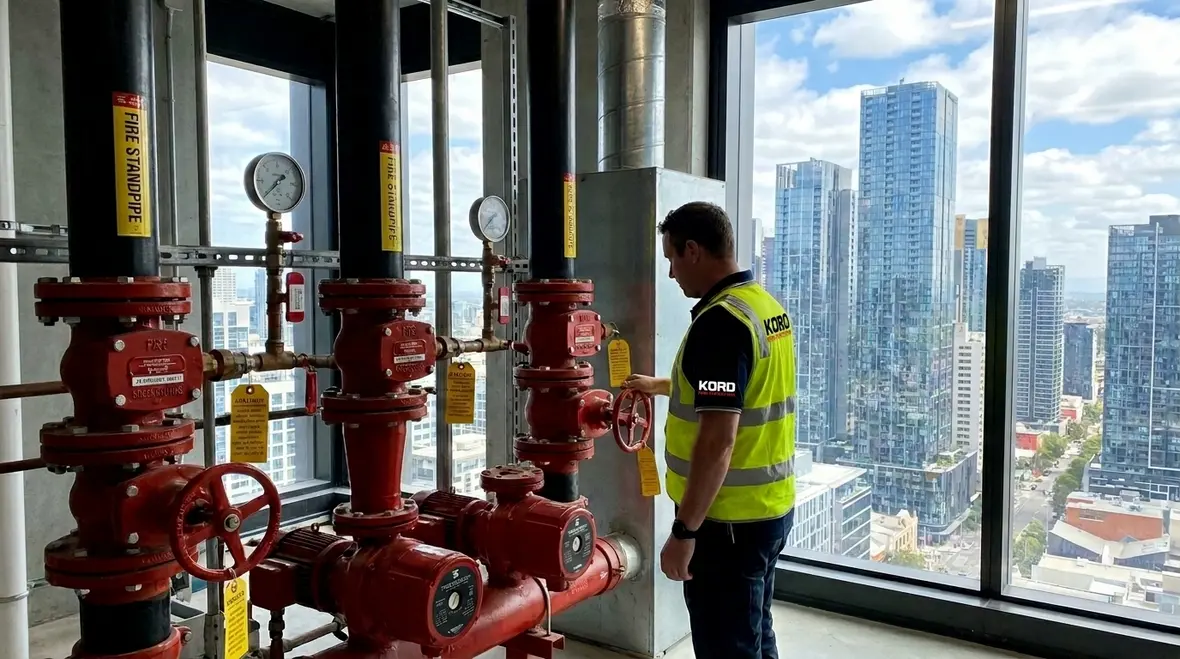
At the same time, teams must manage interfaces with other services. Standpipes often share riser shafts with electrical conduits, HVAC ducting, and sometimes sprinklers or smoke control systems. Consequently, designers now aim to coordinate early, so the standpipe route stays constructible and avoids late clashes. That practical theme lines up closely with Kord Fire Protection’s guidance on high-rise building standpipe systems in electrical planning, where service overlap is treated like a real project risk instead of a polite surprise at the eleventh hour.
Performance that works in the field, not just on paper
Another goal involves maintainability. If access panels, isolation valves, and test points are hard to reach, the system may still meet requirements on paper, but it will fail under real-world maintenance schedules. For that reason, current projects treat maintainable design as a safety feature, not a “nice to have.” Designers also think more seriously about how outlet locations, stair landings, and service clearances support actual firefighting movements rather than theoretical perfection.
In practical terms, that means less tolerance for awkward riser offsets, inaccessible cabinets, or valve sets hidden behind future tenant fit-outs. The design brief has grown up a little. It still cares about code, obviously, but now it also cares whether a person with tools can get to the equipment without entering a side quest.
Vertical routing and zone strategy
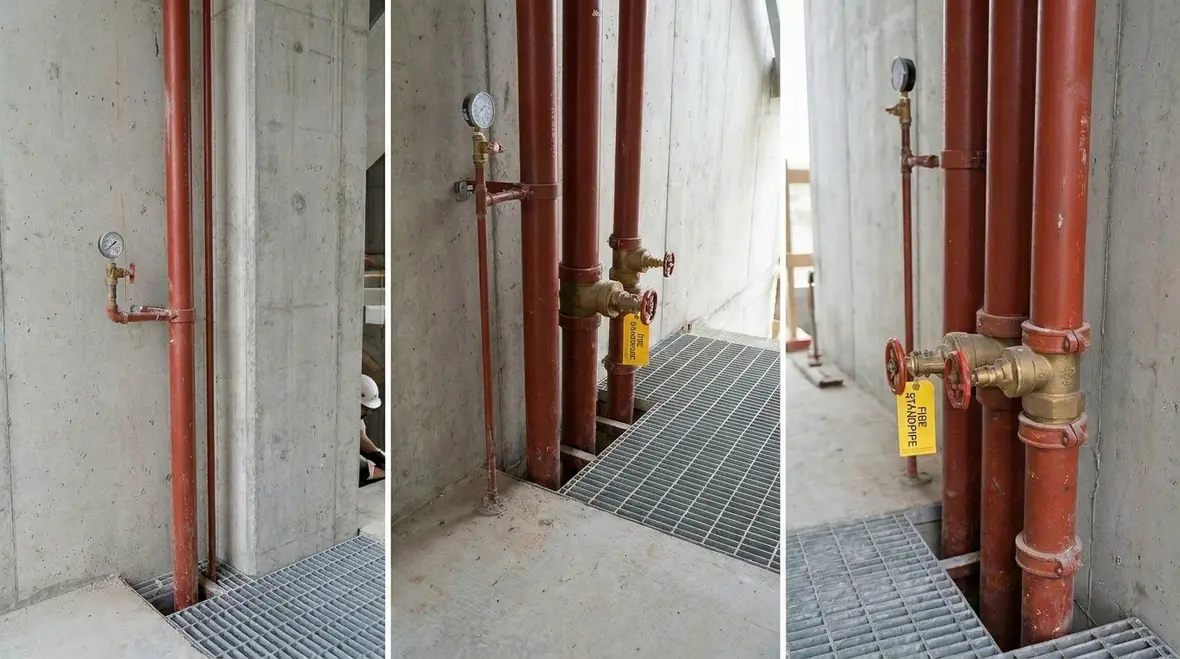
Vertical routing determines how water behaves during an emergency. In many modern high rise structures, designers prefer a layout that limits long horizontal runs and reduces sudden changes in direction. Then, they use a zone strategy that aligns standpipe performance with how firefighters actually operate during incidents.
For example, high rises often use multiple stair cores. As a result, the system may feed connections in a way that supports simultaneous operations without causing pressure drop to the point where hose teams struggle. Designers may also plan for staged flow, ensuring that higher floors do not starve lower zones.
Constructability reviews now happen earlier
Even when the building code path seems clear, crews still face practical constraints. Dense plantrooms, service corridors, and façade penetrations can complicate routing. Therefore, teams now perform constructability reviews that include pressure testing assumptions and valve accessibility. In short, the design should not just “fit” the building, it should behave in it.
That same hands-on mindset appears in Kord Fire Protection’s article on standpipe system installation guidelines for high rises, which helps connect riser planning, outlet access, and early coordination before drawings collide with beams, ductwork, and everyone’s patience.
Pressure boosting, pumps, and reliability planning
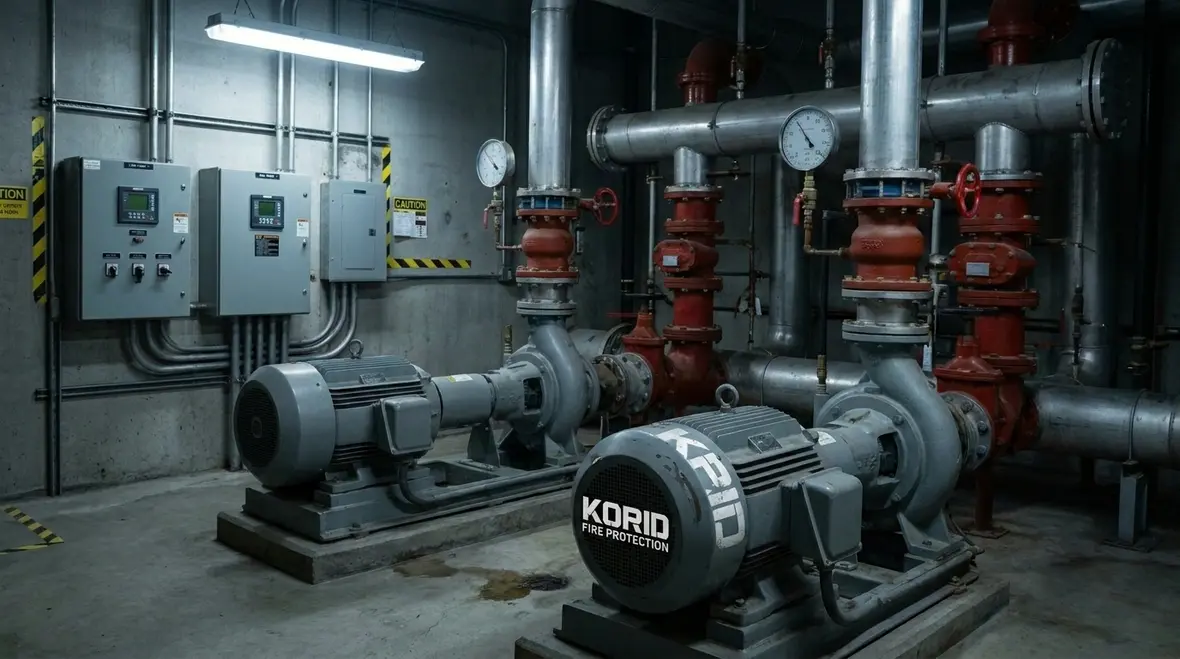
For taller structures, pressure boosting can become essential. Without it, static pressure and friction losses may not provide adequate supply at higher levels. Consequently, modern standpipe designs increasingly integrate pump systems and pressure control strategies that maintain stable outlet performance.
Reliability planning also gets more attention now. Designers do not only calculate pump curves on a spreadsheet. Instead, they consider what happens during component degradation, partial valve operations, or maintenance events. They set requirements for standby capacity and for how the system transitions between normal operation and fire mode.
Pressure stability is a design issue and an operations issue
That is where coordination matters. A pump room may share space with other life safety equipment, and this influences vibration control, electrical segregation, and access routes. Therefore, the best outcomes come when fire protection design and mechanical and electrical teams plan together early.
Kord Fire Protection’s piece on standpipe pressure management systems for high rises reinforces that point by tying pressure reducing devices, controls, and usable hose outlet performance back to real-world firefighting conditions. And yes, pumps can be dramatic. They might not throw tantrums like a reality show villain, but they still need correct sizing, correct commissioning, and correct set points, or they will perform exactly the way math predicts. Not the way anyone wants.
Materials, corrosion control, and long service life
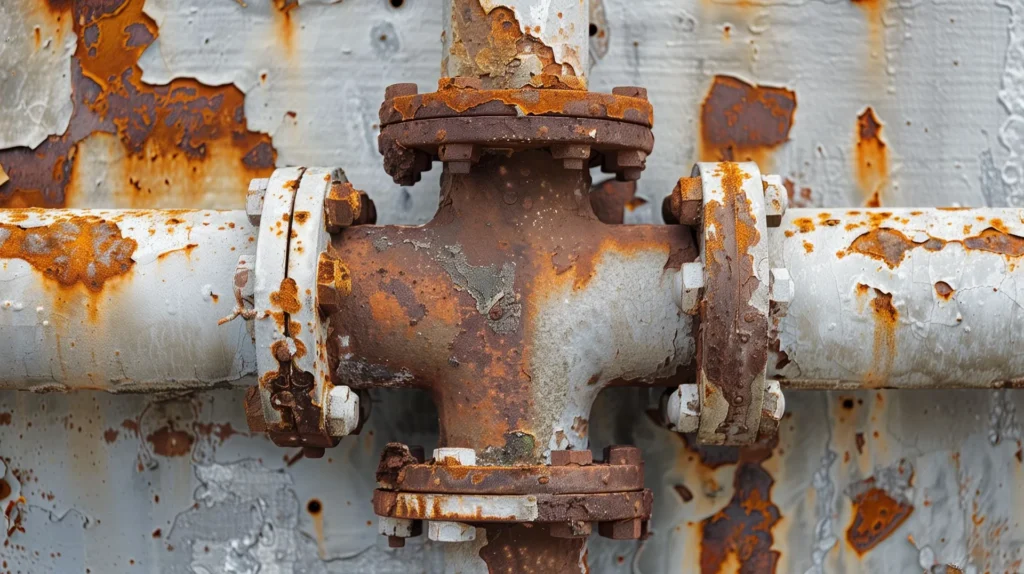
Standpipes live hard lives. They sit idle for long periods, then face high demand when an emergency occurs. Therefore, corrosion control and material selection matter for both performance and reliability.
Modern approaches often include protective coatings, controlled water quality assumptions, and thoughtful pipe sizing to reduce velocity spikes that can accelerate wear. Designers also evaluate how joints, fittings, and valves handle long term exposure to temperature changes and humidity in service shafts.
Long service life depends on inspection clarity
Where required, teams choose components that support stable performance under testing conditions. Then, they document inspection and maintenance steps clearly, so facilities staff do not guess later. In industrial and retail environments across Australia, where downtime costs real money, that clarity can save weeks. It also reduces the risk that a future tenant change, plant upgrade, or fit-out quietly turns a once sensible access arrangement into a compliance headache with a key ring.
Modern testing, commissioning, and verification workflows
Design is only half the story. Verification determines whether the standpipe system will deliver flow and pressure as intended when someone opens a hose valve under stress.
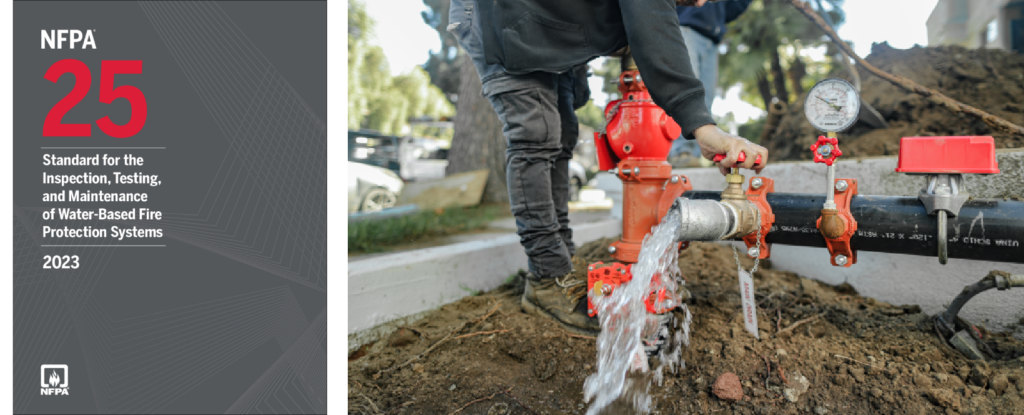
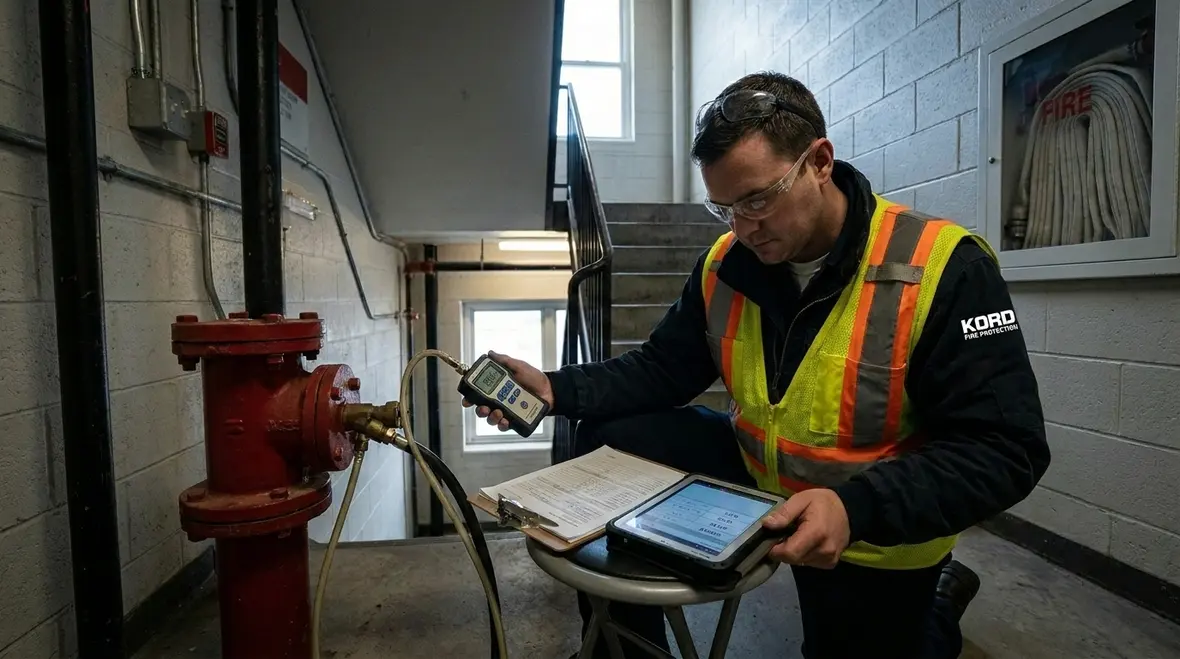
Modern commissioning workflows emphasize measurement and evidence. Crews verify static and residual pressures, check valve operation, confirm pump start logic, and document results in a way that supports ongoing compliance. Additionally, teams plan test points so they can retest without tearing out half the building. After all, nobody wants a “test that requires heroics.”
Evidence based handover reduces future surprises
Dual checks also get more common, especially for complex high rise cores. For example, field verification may cross-check flow rates against model predictions. Then, technicians validate alarms and interlocks tied to fire mode operations. Consequently, the system gains a stronger link between the design intent and the actual installed condition.
To support efficient verification, project teams often use a structured approach to documentation. That is where Kord Fire Protection can bring real value, by aligning commissioning activities with the broader fire safety program of the site. They do not treat testing as a box-tick. Instead, they support a system that stays ready after the handover. Readers wanting a deeper view of that workflow can naturally continue into Kord’s standpipe flow test guide for fire protection, which fits neatly with this verification-first approach.
How Kord Fire Protection strengthens high rise standpipe jobs
Kord Fire Protection can become a vital partner with standpipe design and delivery because standpipe readiness does not end with installation. The system must also integrate smoothly with the building’s broader fire safety requirements and ongoing maintenance schedules.
In practice, Kord Fire Protection supports projects by improving coordination between design intent and field execution. They can assist with planning for testing access, clarifying performance expectations, and ensuring the installed system matches the required configuration. Then, they support commissioning and provide the documentation that facilities teams need to keep compliance clean.
A partner for readiness, not just handover day
For industrial, retail, and commercial facilities across multiple facets of Australia, this matters. Buildings change tenants, plant loads, and access patterns over time. Therefore, a standpipe system must keep working through upgrades and reconfigurations, not just on day one.
It also helps to have a partner who understands the job’s practical flow. Kord Fire Protection can help teams avoid the classic scenario where “the system passes, then fails a later review because something shifted.” Fire protection should not rely on luck. It should rely on process. That broader lifecycle perspective also fits naturally with Kord’s full lifecycle of fire protection servicing, especially for sites that want continuity after occupancy begins.
Practical service support layout
Project phase
Design and coordination
Installation support
Commissioning and verification
Handover and ongoing readiness
What Kord helps protect
Intent, routing, and interfaces
Correct configuration and access
Documented performance evidence
Maintenance clarity and compliance continuity
FAQ
Conclusion
High rise standpipe design now blends smarter routing, pressure stability, corrosion-aware materials, and proof-based commissioning. Those choices reduce risk and protect firefighting performance when it counts most. However, the best design still needs a partner to verify outcomes, support handover, and help keep readiness on track.
That is where Kord Fire Protection steps in as a vital partner. Contact Kord to align your standpipe project from intent to evidence, and keep your building prepared. For readers who want one more practical primer, Kord’s standpipe system requirements and how it works article is a strong next read.

Join Our Newsletter!
Get the latest fire safety tips delivered straight to your inbox From our Newsletter.