Standpipe Pressure Management Systems for High Rises
High rise buildings ask a lot from their fire protection systems, and standpipes are often asked to perform at the exact moment pressure can’t afford to be “close enough.” That is why the right Standpipe pressure management systems matter early, not later. When design teams select controls, pressure reducing valves, and monitoring methods that fit the building, the water supply stays usable from the roof line down to the stair landing. Kord Fire Protection technicians explain this in plain terms on site: pressure is not just a number, it is the difference between a smooth hose operation and a spray pattern that looks like it belongs in a bad sitcom.
How standpipe pressure affects firefighting in tall buildings
In a high rise, gravity works both for and against the firefighting team. As water moves up, friction losses rise, and as elevation increases, required pressure changes by the location of the hose stream. Consequently, a system that delivers strong pressure at the ground level can still underperform several floors up. Standpipe pressure management systems solve this by matching pressure output to real demand at different elevations.
Additionally, standpipe performance affects not only range, but also nozzle operation. If pressure swings too high, hose lines can feel stiff and harder to manage. If pressure drops too low, flows can become weak and stream reach shrinks. Therefore, engineers and contractors must plan for stable hydraulic behavior under the worst credible scenario, not the “everything goes fine” scenario. Kord Fire Protection technicians typically point out that firefighters do not have time to guess. They need predictable hydraulics now, not a guess later.
That need for predictability is exactly why standpipe pressure should never be treated like a background detail. In lower structures, a minor pressure mismatch might be frustrating. In a tall building, it can become operationally serious very quickly. The farther crews are from the supply and the more floors the system has to serve, the more every valve setting, routing decision, and pressure drop matters.
Why consistency matters more than raw pressure
A common misunderstanding is that more pressure automatically means better firefighting performance. Not really. Excessive pressure at lower elevations can create hose handling problems just as surely as weak pressure at upper levels can reduce reach. What teams actually need is usable, controlled, repeatable performance from outlet to outlet and floor to floor. That is the sweet spot where design, testing, and maintenance all have to work together.
Core design choices that prevent pressure surprises
To keep pressure stable across many floors, teams usually begin with the building layout, water supply characteristics, and standpipe configuration. Then they choose devices that can regulate pressure where it matters most. While exact designs vary, Kord Fire Protection technicians commonly focus on four design areas.
1. Pressure control strategy
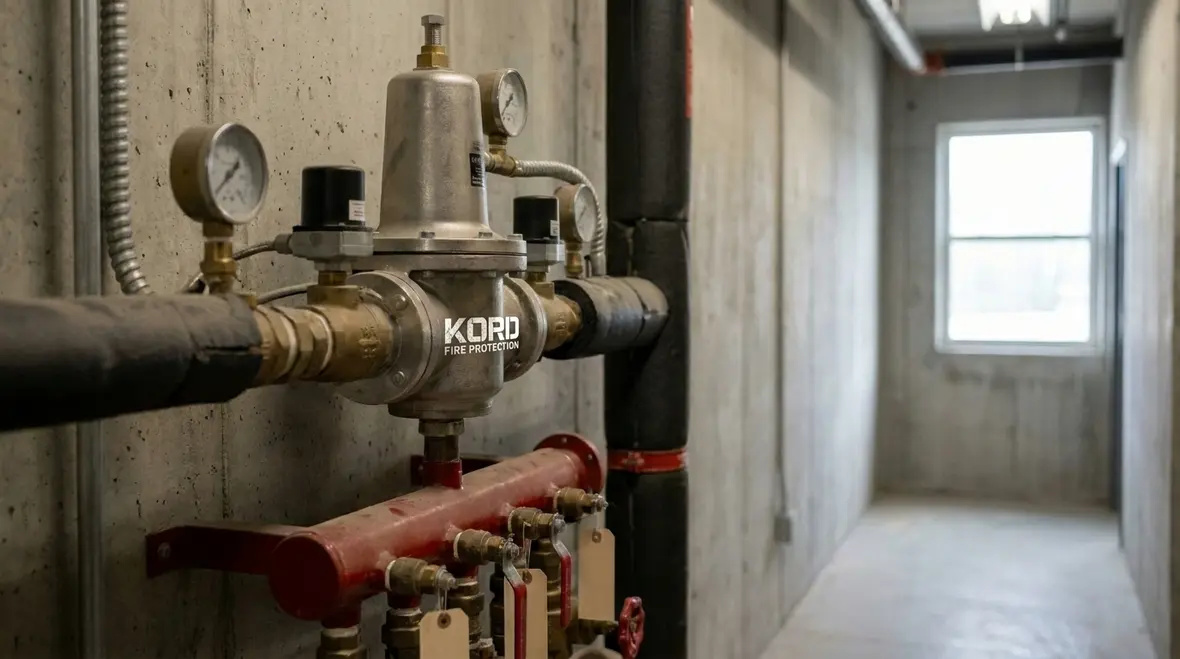
Systems may use pressure reducing devices, multi zone arrangements, or pump control logic depending on the water source and the standpipe height. The right control strategy keeps the system from being too aggressive at the bottom and too weak at the top.
2. Zoning approach
When the building exceeds practical single stage pressure limits, zoning reduces the risk of overpressure at lower elevations and underpressure at upper ones. It also simplifies troubleshooting because each section of the building can be evaluated according to its actual demand rather than a one size fits all assumption.
3. Flow requirements by hose outlet
Engineers calculate the flow and residual pressure needed at representative outlets. They then verify that the system maintains safe hose stream conditions. That calculation stage matters because a standpipe that looks fine on paper at one point in the riser can behave very differently where firefighters actually connect.
4. Expected friction and configuration loss
Valves, fittings, hose connections, and standpipe routing all create losses. Teams must include these, or the system will behave differently in real life. In other words, pressure management becomes a plan, not a hope. And yes, hoping pressure behaves is like hoping your umbrella turns into a helicopter. It will not.
For buildings that need broader system coordination, Kord Fire Protection also provides standpipe system services and related support that help teams connect field realities with the original intent of the design.
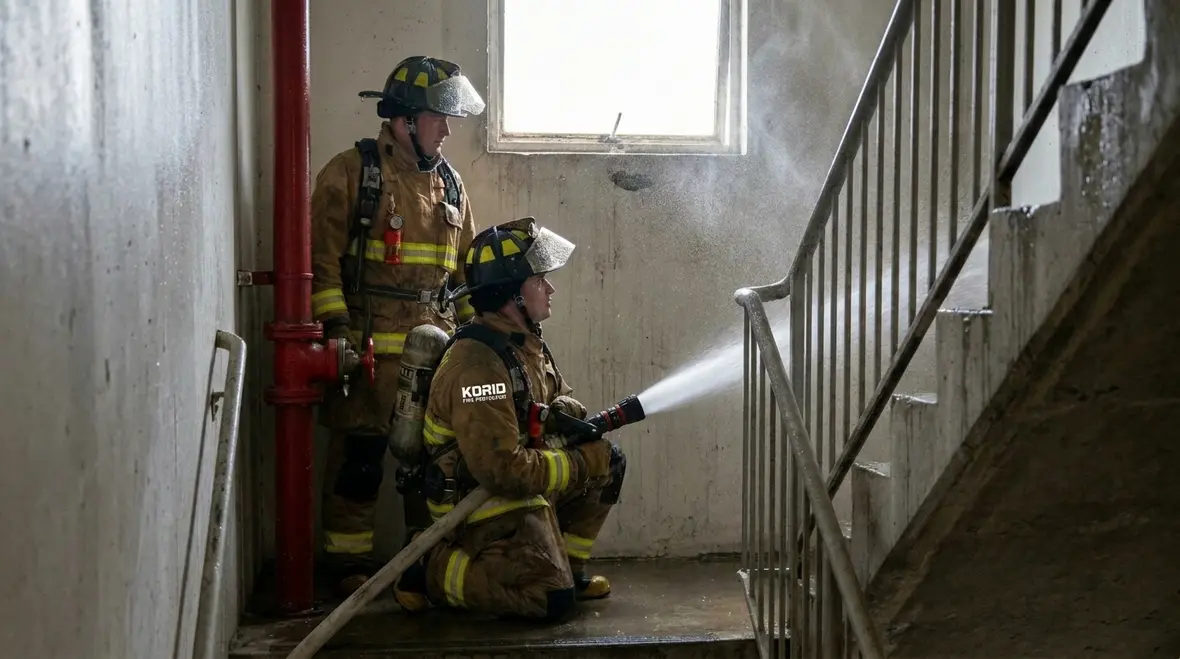
Field commissioning steps Kord Fire Protection technicians recommend
Design is critical, but commissioning makes it real. During acceptance testing, technicians verify that the standpipe system performs as modeled. Kord Fire Protection technicians often explain that commissioning should not stop at turning systems on and reading a gauge. Instead, it should confirm that the system holds target ranges while water flows.
Practical commissioning checks
- Verify control response so the pressure controllers react the same way the drawings predict.
- Confirm valve operation for pressure reducing devices and any check valves, including smooth transitions between operating states.
- Measure at test points at representative elevations so upper floors get evaluated, not just the ground level.
- Record trends rather than single readings, because pressure swings can hide in one off readings.
- Validate alarms and monitoring so operators can respond before conditions drift beyond safe limits.
Moreover, technicians review what happens during simulated flow events, because pressure management must stay stable while water actually moves. That is where many systems either prove their design or reveal gaps. If the system passes paperwork but fails under flow, it is not “probably fine.” It is “needs adjustment,” and Kord Fire Protection technicians will usually say that with the calm confidence of someone who has seen this movie before.
A good commissioning process also leaves behind useful records. Not just a checkbox, not just a pass or fail, but meaningful notes on what was tested, where readings were taken, how valves responded, and whether any tuning was required. Those details become incredibly valuable later when a building team is troubleshooting a change in behavior years after occupancy.
Setpoints, monitoring, and maintenance for stable long term performance
Pressure management systems need care after installation. Over time, system components can drift due to wear, scale, minor fouling, or changes in building use. Consequently, a stable system today can become unstable next season unless maintenance keeps it on track.
How monitoring improves reliability
When pressure sensors and monitoring points are placed correctly, operators can detect abnormal trends early. Then they can correct issues before they show up during an emergency. This also helps facilities teams communicate with service providers using real data, not guesswork.
Maintenance that matters
- Inspect and exercise control valves to ensure they respond as designed.
- Check strainers and screens where debris may accumulate, especially after construction or renovations.
- Review alarms and testing logs so recurring issues get solved at the root.
- Confirm calibration for sensors so readings stay accurate.
Furthermore, Kord Fire Protection technicians often advise teams to align maintenance schedules with building operations. If a facility changes water demand patterns, it should also trigger a review of pressure control performance. That kind of proactive work protects the standpipe system and reduces last minute stress. After all, nothing says “fun day” like a valve that decides to act up during a drill.
This is also where coordination with connected systems helps. Monitoring, supervisory conditions, and notification pathways can support faster response when something drifts out of range, which is one reason many building teams also review related fire alarm services as part of a broader protection strategy.
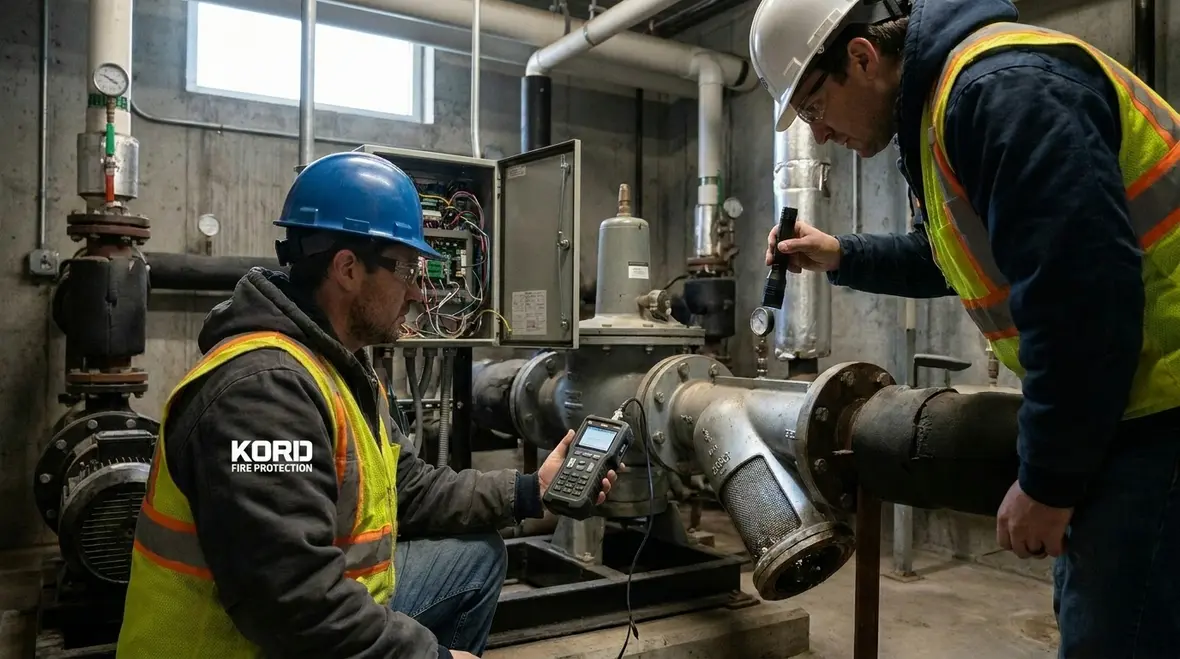
Common failure points and how to avoid them
Even well designed standpipe systems can fail if teams overlook key details. The usual culprits tend to be practical issues that show up in the field, not in a lab. Therefore, addressing these areas early cuts rework and supports safe firefighting performance.
- Incorrect pressure setpoints that do not match the actual system resistance after installation.
- Improper valve selection where the pressure control device does not handle expected flow conditions.
- Routing and fitting differences from the drawings that change friction loss.
- Air in the system which can affect control stability and water delivery quality.
- Lack of documentation leaving future maintenance crews unsure how controls were tuned.
Additionally, some projects try to treat standpipe pressure management like a one time task. Yet building systems are living systems. They change with renovations, tenant fit outs, and even small piping modifications. Kord Fire Protection technicians encourage teams to keep as built records complete and to verify performance after any major change. That is how you keep a system ready, not “technically functional.”
One of the simplest ways to avoid repeat problems is to treat adjustments as part of a managed process. If a valve is reset, document it. If a renovation changes piping resistance, test again. If a crew notices unusual readings, trend them instead of dismissing them. Small habits like these keep pressure management from becoming a mystery nobody wants to solve during an emergency.
Featured FAQ on standpipe pressure management systems
Getting standpipes ready before the alarm rings
When a high rise needs dependable firefighting performance, the facility team should not wait for a problem to prove itself. Kord Fire Protection technicians help owners and contractors plan, commission, and maintain Standpipe pressure management systems so pressure stays stable during real flow. If you want a system that behaves like the design says it will, request a standpipe performance review.
Then act early on setpoints, monitoring, and service needs, before the building’s next drill turns into a pressure guessing game. For teams looking to coordinate standpipe reliability with broader life safety support, Kord Fire Protection also offers full fire protection services that can help connect inspections, testing, alarms, and ongoing maintenance under one roof.

Join Our Newsletter!
Get the latest fire safety tips delivered straight to your inbox From our Newsletter.