

Fire Protection Companies Buyer’s Guide
When businesses begin searching for reliable fire protection companies, they are not simply shopping for equipment. They are investing in safety, compliance, and peace of mind. Kord Fire Protection technicians often explain it this way: fire safety is not a product sitting on a shelf. It is a living system that must be designed, installed, inspected, and maintained with precision. This complete buyer’s guide walks through every layer of fire protection systems, helping property owners make informed decisions with calm confidence. Because when it comes to fire, guessing is not a strategy. Planning is.
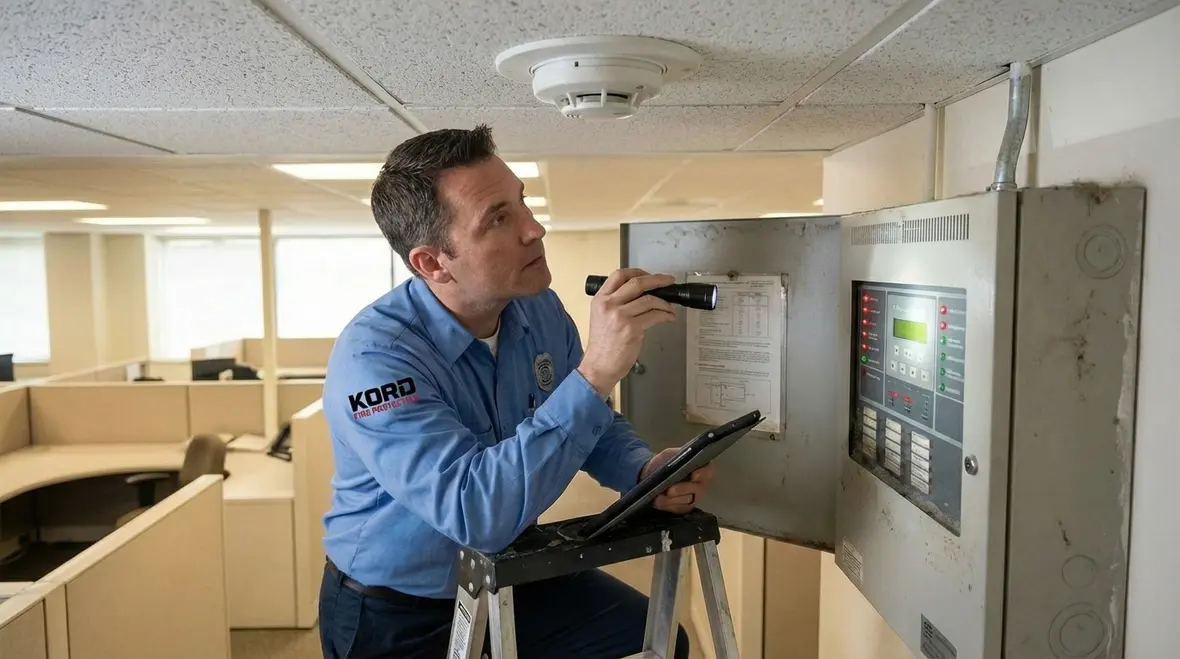
Understanding Fire Protection Systems from the Ground Up
Before choosing a provider, it helps to understand what a fire protection system actually includes. Many people picture a red sprinkler head in the ceiling and call it a day. However, that is only one piece of a larger safety network.
A complete system typically includes:
- Fire alarm systems that detect smoke, heat, or flames
- Sprinkler systems that suppress or control fire spread
- Fire extinguishers for immediate manual response
- Emergency lighting for safe evacuation
- Monitoring services that alert emergency responders
While each component serves a specific purpose, they work best when integrated. Therefore, professional fire safety providers design systems as coordinated solutions rather than isolated parts. Kord Fire Protection technicians often remind clients that early detection saves lives, but coordinated response saves buildings. For a deeper look at how alarm inspections fit into that bigger picture, many owners review Kord Fire’s fire alarm inspection and testing guide for commercial buildings alongside their system plans.
Moreover, local codes and insurance requirements influence system design. What works for a warehouse may not suit a medical facility. Consequently, customization becomes essential. Resources such as Kord Fire’s NFPA 72 overview for fire alarm design and installation and their NFPA 25 maintenance breakdown for water-based systems help clarify how national standards shape real-world designs and maintenance schedules.

How to Choose Fire Protection Companies That Get It Right
Selecting among fire protection companies can feel overwhelming. After all, safety is not something anyone wants to get wrong. Fortunately, there are clear indicators of quality.
Licensing, certifications, and full-service capability
First, verify licensing and certifications. Reputable companies employ certified technicians trained in national and local fire codes. Additionally, look for providers who offer full service from design to maintenance. A company that installs systems but does not maintain them leaves gaps in accountability. Buyers who prefer one partner for sprinklers, alarms, and extinguishers often explore Kord Fire’s full fire protection services to see what end-to-end coverage looks like in practice.
Experience, communication, and transparency
Experience also matters. Kord Fire Protection technicians often explain complex code requirements in plain language. That ability signals deep expertise. If a technician can translate technical jargon into simple terms without sounding like a robot reading a manual, that is a good sign.
Responsiveness and emergency support
Furthermore, responsiveness plays a major role. Fires do not operate on business hours. Therefore, reliable providers offer emergency services and routine inspections on schedule. Many facilities prefer companies that coordinate sprinklers, alarms, pumps, and extinguishers on a unified calendar, similar to how Kord Fire aligns services across building types throughout Southern California.
Documentation and audit-ready reporting
Finally, ask about documentation. Detailed inspection reports protect property owners during audits and insurance reviews. In other words, paperwork may not be glamorous, but it can save serious money. Reports modeled after Kord Fire’s thorough fire alarm inspection report structure make it easier to spot deficiencies, track corrective actions, and show compliance when regulators or insurers come calling.
What Fire Protection System Do I Need for My Building?
This is the question most property owners type into search engines at midnight. The answer depends on occupancy type, square footage, building layout, and local regulations.
Different buildings, different risks
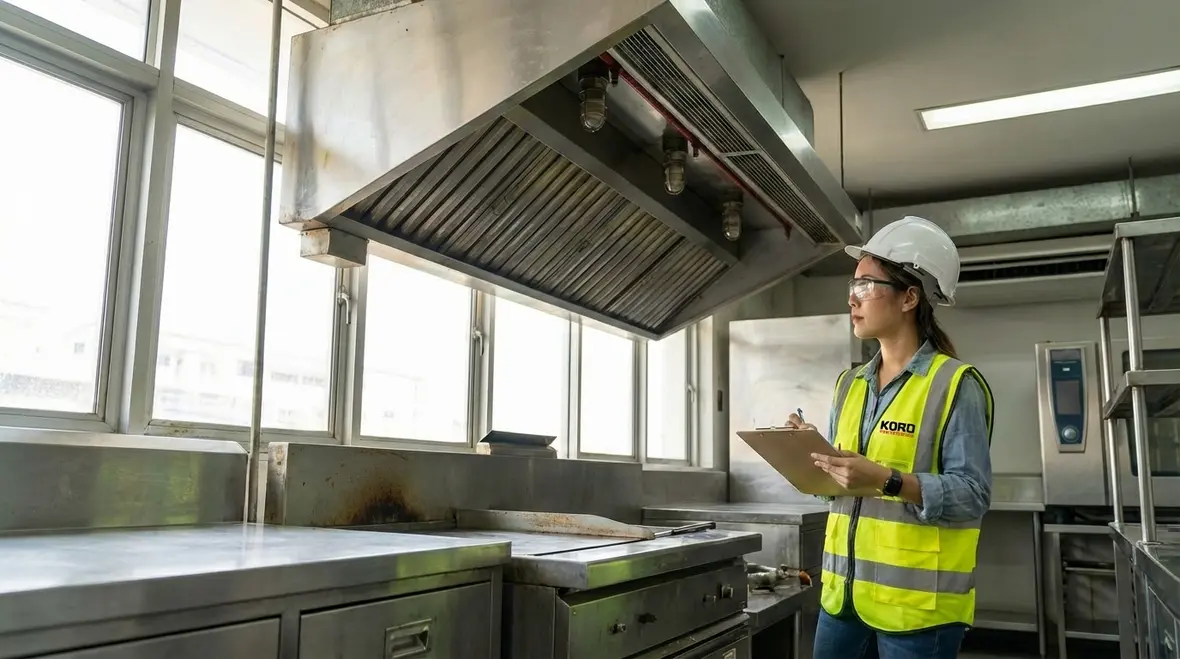
For example, commercial kitchens require specialized suppression systems designed to handle grease fires. Office buildings rely heavily on alarm and sprinkler integration. Industrial facilities may require foam or clean agent systems for high hazard materials.
Site assessments and tailored recommendations
Kord Fire Protection technicians typically begin with a site assessment. They evaluate risk factors, identify code requirements, and analyze building usage. Then, they recommend tailored solutions. Rather than overselling equipment, they focus on compliance and efficiency.
Designing for growth, not just today
Importantly, system design must consider future growth. If a business plans to expand, the infrastructure should support that growth. Retrofitting later can be costly and disruptive. Therefore, forward thinking design saves time and money and often references standards like NFPA 20 for fire pump design and installation when higher water demand might be required down the road.
Comparing Fire Protection Systems by Function and Fit
Sprinkler systems
Sprinkler Systems
Wet pipe systems hold water in the pipes at all times, making them fast and reliable. Dry pipe systems, on the other hand, use pressurized air until activation, which suits colder environments. Pre action systems add an extra layer of control, often used in data centers where accidental discharge could cause damage.
Fire alarm systems
Fire Alarm Systems
Conventional alarms divide buildings into zones. Addressable systems pinpoint exact device locations. While addressable systems cost more upfront, they reduce troubleshooting time significantly.
Special hazard suppression
Special Hazard Suppression
Clean agent systems suppress fire without water damage. Foam systems handle flammable liquids. Each option addresses specific risks.
Because every building presents unique challenges, fire safety providers conduct risk assessments before recommending equipment. Kord Fire Protection technicians often compare system types side by side, explaining advantages and tradeoffs clearly. Think of it as choosing between different superheroes. Each has strengths. The key is matching the hero to the villain.
Cost Factors and Long Term Value
Budget conversations can feel uncomfortable. However, transparency builds trust.
Installation versus lifecycle costs
Installation costs depend on building size, system type, and code requirements. Additionally, ongoing inspection and maintenance fees should factor into total ownership costs. Although some buyers focus on upfront pricing, long term value matters more.
Breaking down installation costs
Installation Costs Include:
- System design and engineering
- Equipment and materials
- Labor and permits
- Integration with existing infrastructure
Ongoing inspections, testing, and repairs
Ongoing Costs Include:
- Annual inspections
- Testing and certifications
- Repairs and part replacements
- Monitoring services
While cutting corners may reduce initial expenses, it can increase liability. Insurance providers often offer better rates when systems meet high standards. Therefore, investing in quality systems through experienced fire protection companies often pays for itself over time, especially when inspections follow structured programs like Kord Fire’s regional fire sprinkler testing services and dedicated fire extinguisher monthly and annual service options.
Inspection, Maintenance, and Compliance Explained Clearly
Why inspections are non-negotiable
Installation marks the beginning, not the end. Fire protection systems require regular inspection to remain compliant and effective.
Typical inspection schedules
Local fire codes mandate routine testing schedules. For instance, sprinklers typically require annual inspections, while fire alarms may need more frequent testing. Moreover, documentation must remain accessible for fire marshals and insurance audits. Kord Fire’s region-specific guides, such as their breakdown of San Francisco fire sprinkler testing requirements, showcase how these schedules shift from one jurisdiction to another.
Preventive maintenance and avoiding surprise failures
Kord Fire Protection technicians emphasize preventive maintenance. They identify worn components before failure occurs. This proactive approach reduces downtime and prevents costly emergency repairs.
Additionally, routine inspections protect business continuity. Imagine discovering a faulty valve during an emergency. That plot twist belongs in a disaster movie, not real life. Regular service eliminates that risk and helps avoid issues like delayed sprinkler activation or undetected fire alarm panel faults.
Staying ahead of changing codes
Because regulations evolve, staying updated matters. Professional fire safety providers track code changes and adjust systems accordingly. As a result, businesses remain compliant without constantly researching legal updates themselves.
Working with Kord Fire Protection Technicians: What to Expect
From first walkthrough to final sign-off
Professionalism should feel steady and reassuring. From the first consultation, Kord Fire Protection technicians walk clients through every step. They explain system design, clarify timelines, and outline maintenance schedules in plain language.
Installation, training, and everyday usability
During installation, they coordinate with contractors to avoid delays. Afterward, they provide hands on demonstrations so staff understand system basics. Although the equipment may look complex, user interaction remains simple.
Ongoing communication and long-term partnership
Communication continues beyond installation. Inspection reminders, detailed reports, and quick response to service calls create long term partnerships. In many ways, choosing experienced fire protection companies resembles choosing a trusted mechanic. When something critical protects lives and property, expertise matters.
Frequently Asked Questions
Secure Your Property with Confidence
Fire safety should never feel uncertain. By partnering with experienced fire protection companies and knowledgeable Kord Fire Protection technicians, businesses gain more than equipment. They gain strategy, compliance, and dependable support. Now is the time to evaluate current systems, schedule inspections, and plan upgrades if needed.
If you are responsible for a commercial building, industrial facility, or multi-tenant property, consider how your sprinklers, alarms, extinguishers, and pumps are performing together. A single missed inspection or outdated component can undermine an otherwise solid safety plan.
Reach out today and ensure every alarm, sprinkler, and safeguard stands ready. Kord Fire’s comprehensive fire protection services offer a single, coordinated path to inspections, testing, repairs, and upgrades across your entire system. Request a quote, walk through your building with their team, and turn uncertainty into a clear, confident plan. Because preparation today protects everything tomorrow.
Know Your Weapon Before You Fight the Flame
Kord Fire Protection is your go-to when it comes to all things fire protection. For over 20 years, we’ve been serving Southern California with the quality service and equipment to keep your home or business safe at all times. Our competitive prices reflect our unwavering commitment to protecting what matters most in the event of a fire emergency. Give us a call, send an email, or use that form!

Join Our Newsletter!
Get the latest fire safety tips delivered straight to your inbox From our Newsletter.


