Fire Sprinkler Overview and System Guide
Everything You Need to Know About Fire Sprinklers
In any commercial building or residential complex, a proper fire sprinkler overview begins with one simple truth. These systems save lives, protect property, and buy precious time. They activate quickly, control heat, and often extinguish flames before firefighters even arrive. Yet, despite their quiet presence on ceilings everywhere, many people rarely think about how they work or why they matter. That is where knowledge steps in. And as Kord Fire Protection technicians often explain to clients, understanding the basics turns a passive safety feature into a powerful layer of confidence.
So, let us take a slow, steady walk through the world above your head. It is calmer up there than you think.
Fire Sprinkler Overview: How These Systems Actually Work
A fire sprinkler system is not a movie prop that floods an entire building at the first hint of burnt toast. Hollywood has done many things well. Accurate sprinkler portrayals are not one of them.
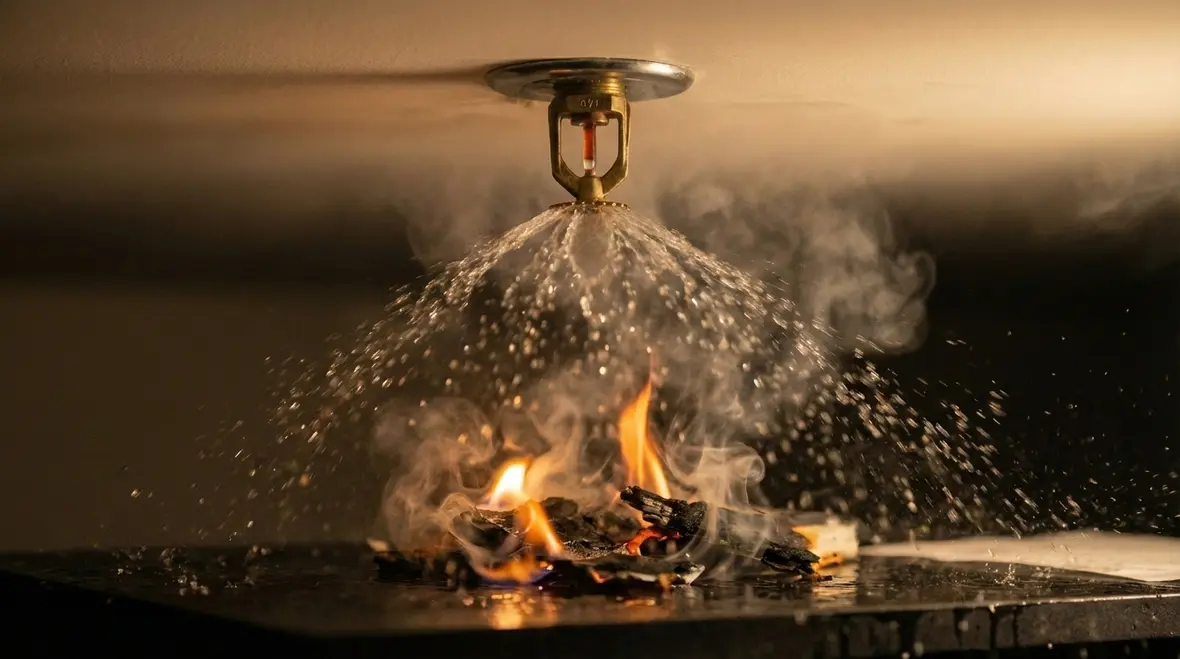
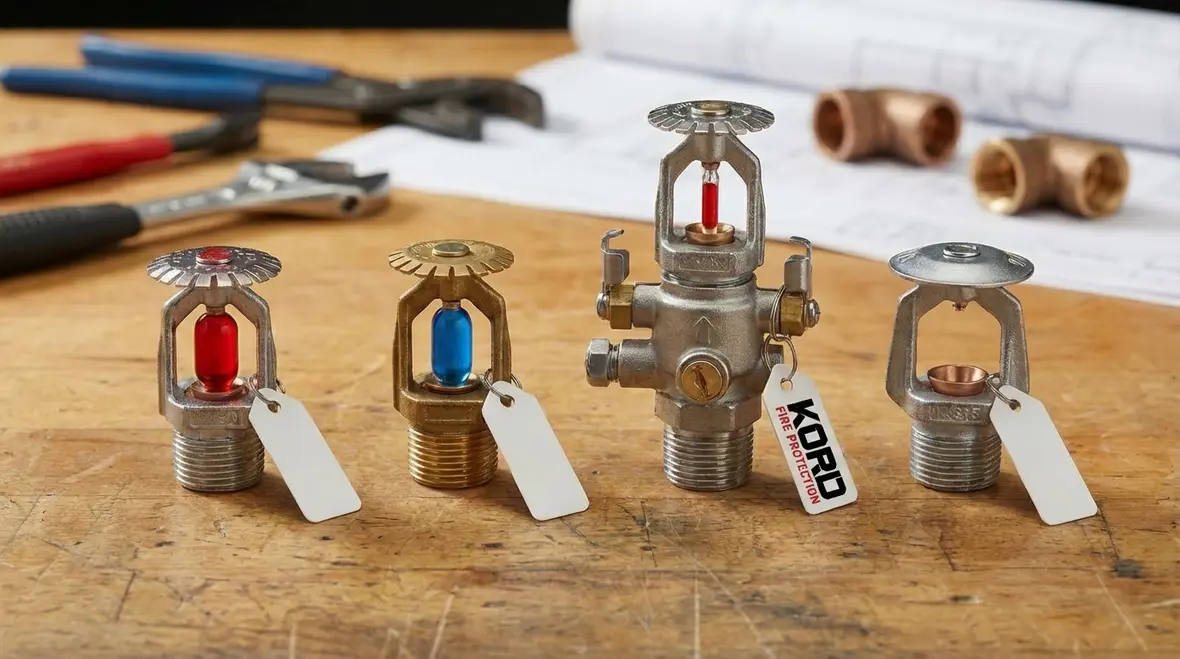
Instead, each sprinkler head operates individually. When heat rises to a specific temperature, typically between 135 and 165 degrees Fahrenheit, a heat sensitive element inside the head activates. That element might be a glass bulb filled with liquid or a fusible link made of metal. Once the heat threshold is reached, the bulb breaks or the link melts. Then, water flows directly over the fire source.
Because only the sprinkler closest to the heat activates, water damage remains limited. In fact, according to industry data often cited by Kord Fire Protection technicians, most fires are controlled by one or two sprinkler heads. Therefore, the system responds precisely where it is needed.
Additionally, modern systems connect to alarms. As a result, when a sprinkler activates, building occupants receive immediate notification. This coordination between suppression and alert systems creates a seamless response that protects both people and property. For a deeper dive into how sprinklers behave in real fire conditions, many owners also review guides like the Essential Guide to a Fire Sprinkler, which reinforces just how fast these systems react.

Why Every Building Needs a Clear Fire Sprinkler Overview
Building owners often ask whether sprinklers are truly necessary. The short answer is yes. The longer answer explains why.
First, sprinklers dramatically reduce fire related deaths. They control heat and smoke, which are often more dangerous than flames themselves. Moreover, they limit structural damage. Consequently, businesses reopen faster, and families return home sooner.
Insurance companies understand this well. Because sprinklered buildings suffer less severe losses, many insurers offer reduced premiums. That financial benefit alone can offset installation costs over time.
Furthermore, local and national building codes frequently require sprinkler systems in new construction and major renovations. Staying compliant avoids penalties and costly retrofits later. Standards such as NFPA 13 outline how systems must be designed and installed, while inspection standards keep them reliable over the long term.
Kord Fire Protection technicians emphasize another critical point. Sprinklers provide protection 24 hours a day. Unlike human responders, they do not sleep, take breaks, or scroll through their phones. They remain ready, quietly waiting for heat to rise.
Types of Fire Sprinkler Systems and Where They Fit Best
Not all buildings share the same risks. Therefore, different sprinkler systems exist to meet different needs.
Wet Pipe Systems
These are the most common. Water remains inside the pipes at all times. When a sprinkler head activates, water flows immediately. Because of their simplicity, wet systems are reliable and cost effective. However, they work best in environments where freezing temperatures are not a concern. Routine wet sprinkler system inspections, like those detailed in Kord Fire’s wet system inspection guide, keep them ready for real emergencies.
Dry Pipe Systems
In colder climates, dry systems keep pressurized air or nitrogen in the pipes instead of water. When a head activates, the air releases first, allowing water to enter. Although slightly slower than wet systems, they prevent frozen pipes. Proper auxiliary drain placement, as discussed in Kord’s auxiliary drain placement guide, helps protect these systems from trapped water and freeze damage.
Preaction Systems
These systems require two triggers before releasing water. Typically, a detection system must confirm fire conditions before the sprinkler opens. As a result, they are ideal for data centers, museums, and archives where accidental discharge could damage sensitive materials. For critical spaces, owners often explore dedicated resources like Kord’s article on pre action sprinkler systems for critical environments to understand how that extra layer of decision making works.
Deluge Systems
Designed for high hazard areas, deluge systems release water from all open heads simultaneously once triggered. They protect spaces such as aircraft hangars or chemical plants where rapid fire spread is a serious risk.
When Kord Fire Protection technicians evaluate a property, they consider occupancy type, hazard level, climate, and building layout. Then, they recommend a system that aligns with both safety goals and regulatory requirements.
Inside the Components That Make It All Work
A sprinkler system may appear simple from the ceiling, yet several coordinated parts operate behind the scenes.
Water Supply
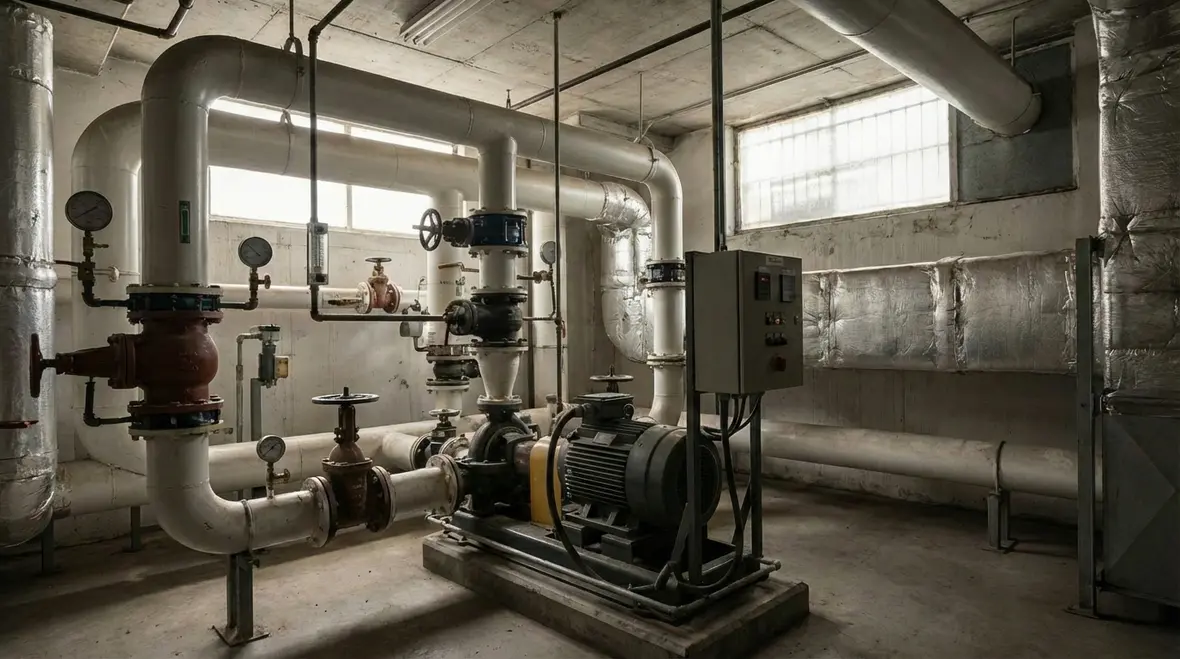
The system connects to a municipal supply, a storage tank, or a dedicated fire pump. Adequate pressure and flow remain essential for effective performance. Fire pumps themselves follow strict standards, such as those outlined in overviews of NFPA 20 fire pump requirements, to make sure water gets where it needs to go.
Piping Network
Pipes distribute water throughout the building. Proper sizing ensures consistent pressure at each sprinkler head.
Sprinkler Heads
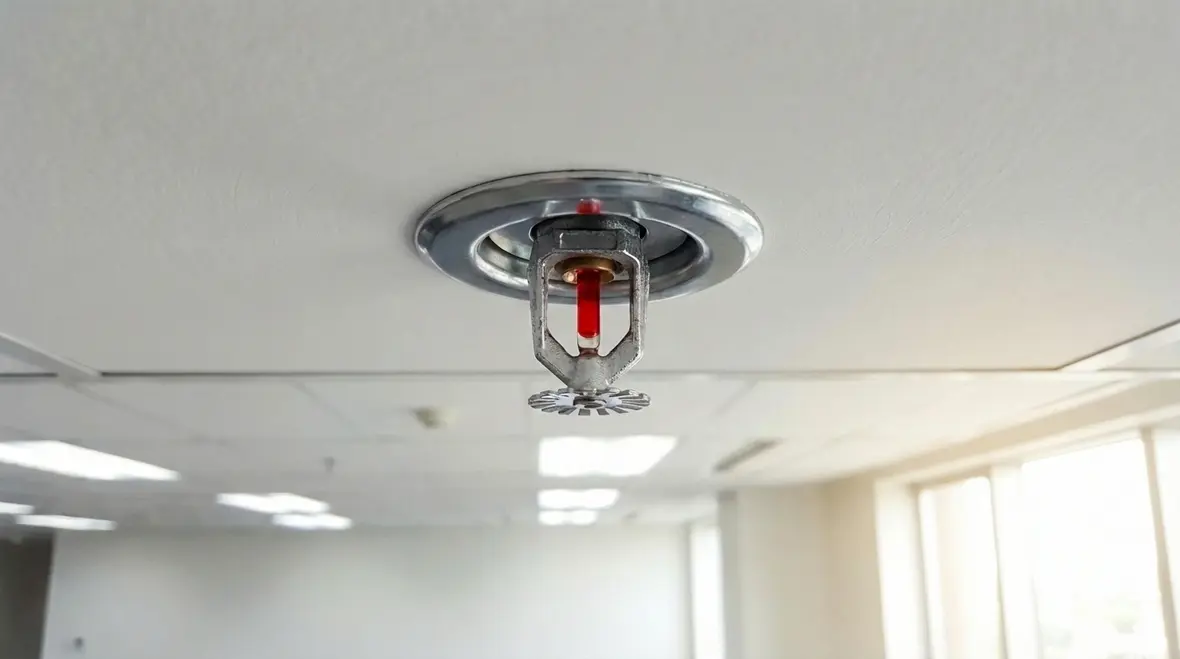
Each head includes a heat sensitive element and a deflector that spreads water in a specific pattern. Different deflectors serve different room configurations. Proper clearance, as explained in resources like Kord’s fire sprinkler clearance requirements guide, allows those patterns to actually reach the fire.
Control Valves and Alarms
Valves regulate water flow, while alarm devices alert occupants and emergency responders. Together, they create a synchronized response.
Because every component plays a role, routine inspection remains critical. A single closed valve can compromise an entire system. That is why Kord Fire Protection technicians conduct thorough checks, ensuring each part performs as designed.
Common Myths That Refuse to Retire
Despite decades of proven performance, sprinkler myths still circulate like urban legends.
Myth one claims that smoke triggers sprinklers. In reality, heat activates them. Therefore, a little steam from a shower will not set off the system.
Myth two suggests that all heads discharge at once. As mentioned earlier, only those exposed to sufficient heat activate.
Myth three argues that sprinklers cause more damage than fire. However, firefighters often use significantly more water when responding to an uncontrolled blaze. Early sprinkler activation typically limits total water exposure.
Even so, some people picture a dramatic office scene where someone lights a match and chaos follows. That may work for a sitcom punchline. It does not reflect real world engineering.
Installation and Maintenance: What Property Owners Should Expect
Installing a sprinkler system involves more than attaching pipes to a ceiling. First, engineers design the layout based on hazard classification and building codes. Next, licensed professionals install piping, heads, and control assemblies. Afterward, inspectors verify compliance and performance.
However, installation marks only the beginning.
Routine inspections, testing, and maintenance keep the system reliable. National standards outline schedules for visual checks, valve testing, and flow tests. For example, technicians inspect control valves regularly to confirm they remain open and sealed. Additionally, they test alarm devices to ensure proper signaling.
Because components age and environments change, ongoing service protects long term performance. Kord Fire Protection technicians often remind clients that maintenance is not optional. It is the quiet discipline that ensures the system works on its worst day. Articles like Kord’s piece on fire sprinkler failure signs help owners spot early warning indicators before problems become emergencies.
Design Considerations Explained by Kord Fire Protection Technicians
When planning a system, professionals weigh multiple factors. To make it clearer, here is a structured comparison.
Column One: Building Factors
- Occupancy type such as residential, commercial, or industrial
- Ceiling height and architectural features
- Combustible materials present
- Local climate conditions
- Water supply availability
Column Two: System Decisions
- Choice between wet, dry, preaction, or deluge systems
- Sprinkler head temperature ratings
- Pipe sizing and layout design
- Need for fire pumps or storage tanks
- Integration with alarm and monitoring systems
By aligning these two columns, technicians create a solution tailored to each property. As they often explain, no two buildings share identical risks. Therefore, cookie cutter designs simply will not do.
What Should Someone Ask About a Fire Sprinkler System?
Property owners and managers benefit from asking informed questions.
They might ask about inspection frequency. They should understand testing schedules and documentation requirements. Additionally, they may inquire about system upgrades during renovations.
Another smart question involves emergency procedures. Knowing how the system interacts with alarms and evacuation plans ensures a coordinated response.
Finally, owners should confirm that licensed professionals handle all service work. Proper certification ensures compliance with local codes and national standards.
As Kord Fire Protection technicians often say, an informed client is a safer client. And safety, unlike some office gadgets, never goes out of style.
Frequently Asked Questions
Conclusion
Fire sprinklers stand as silent guardians, ready at a moment’s notice. They detect heat, control flames, and protect lives with steady reliability. Yet their true strength lies in proper design, installation, and maintenance. Kord Fire Protection technicians bring clarity to every step, ensuring systems perform when it matters most.
For property owners seeking confidence and compliance, now is the time to act. Connect with experienced professionals and secure protection that never takes a day off. To move from overview to action, explore Kord Fire Protection’s essential fire sprinkler guide or request a fire sprinkler inspection and service through their dedicated fire sprinkler system services pages.
Know Your Weapon Before You Fight the Flame
Kord Fire Protection is your go-to when it comes to all things fire protection. For over 20 years, we’ve been serving Southern California with the quality service and equipment to keep your home or business safe at all times. Our competitive prices reflect our unwavering commitment to protecting what matters most in the event of a fire emergency. Give us a call, send an email, or use that form!

Join Our Newsletter!
Get the latest fire safety tips delivered straight to your inbox From our Newsletter.