Fire Sprinkler Testing in Los Angeles County
How Often Do Fire Sprinklers Need to Be Tested in Los Angeles County?
In Los Angeles County, fire sprinkler systems follow a strict inspection and testing schedule based on national and local codes. In most buildings, visual inspections occur monthly or quarterly, while full system testing happens annually. Certain components require testing every five years, and some internal pipe inspections reach the 10 year mark. That fire sprinkler testing frequency is not a suggestion. It is the law. Moreover, it protects lives, property, and businesses from turning into the next viral disaster clip on the evening news.
Kord Fire Protection technicians often explain that understanding these timelines is like understanding oil changes for a car. Ignore them long enough, and something expensive and dramatic will happen. Fortunately, the rules in Los Angeles County are clear, structured, and built around national standards such as NFPA 25. What follows is a detailed breakdown of what building owners, property managers, and business operators need to know.
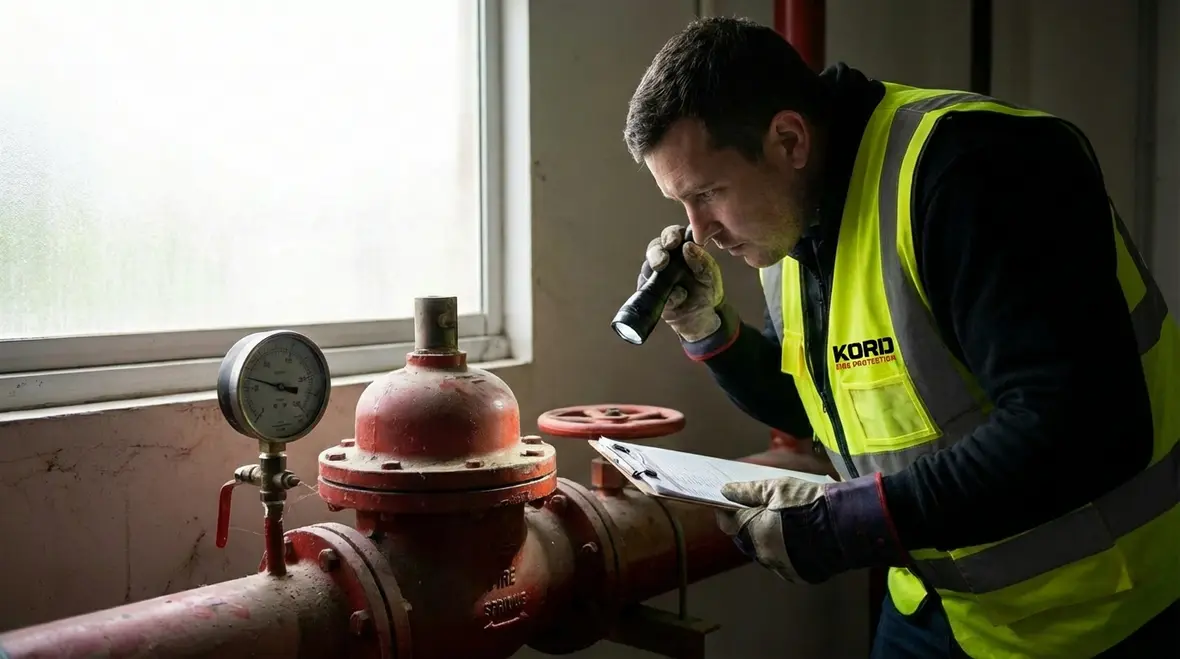
Understanding Fire Sprinkler Testing Frequency in Los Angeles County
Los Angeles County enforces fire codes based largely on NFPA 25, which outlines inspection, testing, and maintenance requirements for water based fire protection systems. However, local authorities may add stricter rules depending on occupancy type or risk level. Therefore, building owners must not assume a one size fits all approach.
At its core, the required fire sprinkler testing frequency depends on three things:
1. The type of system installed
Wet pipe, dry pipe, pre action, and deluge systems all follow slightly different schedules.
2. The occupancy classification
Hospitals, high rises, warehouses, restaurants, and apartment complexes each face unique risks.
3. The individual component
Gauges, valves, alarms, backflow devices, and pipes all have their own timelines.
Kord Fire Protection technicians often remind clients that a sprinkler system is not one device. It is an orchestra. If one instrument misses its cue, the entire performance falls apart. And unlike a bad concert, the consequences are not just disappointed fans. They are catastrophic loss.
For a deeper breakdown of how NFPA 25 shapes these schedules, many Los Angeles County property owners also review Kord Fire’s NFPA 25 maintenance overview alongside their local code requirements.
Monthly and Quarterly Inspection Requirements
Many property owners are surprised to learn how often visual inspections must occur. While annual testing gets most of the attention, routine checks happen much more frequently.
Monthly inspections typically include:
• Control valves to ensure they remain open and sealed
• Pressure gauges to confirm readings stay within normal range
• Alarm panel indicators to verify no trouble signals appear
Quarterly inspections may include:
• Water flow alarm devices
• Supervisory signal devices
• Certain types of valves
These checks are often visual and mechanical. However, they are critical. A closed valve can silently disable an entire building’s fire protection. In fact, Kord Fire Protection technicians frequently find shut valves during routine visits. Sometimes it is accidental. Sometimes someone thought they were fixing a leak. Either way, it is like unplugging your smoke detector and hoping for the best.

Annual Testing Requirements That Keep Systems Reliable
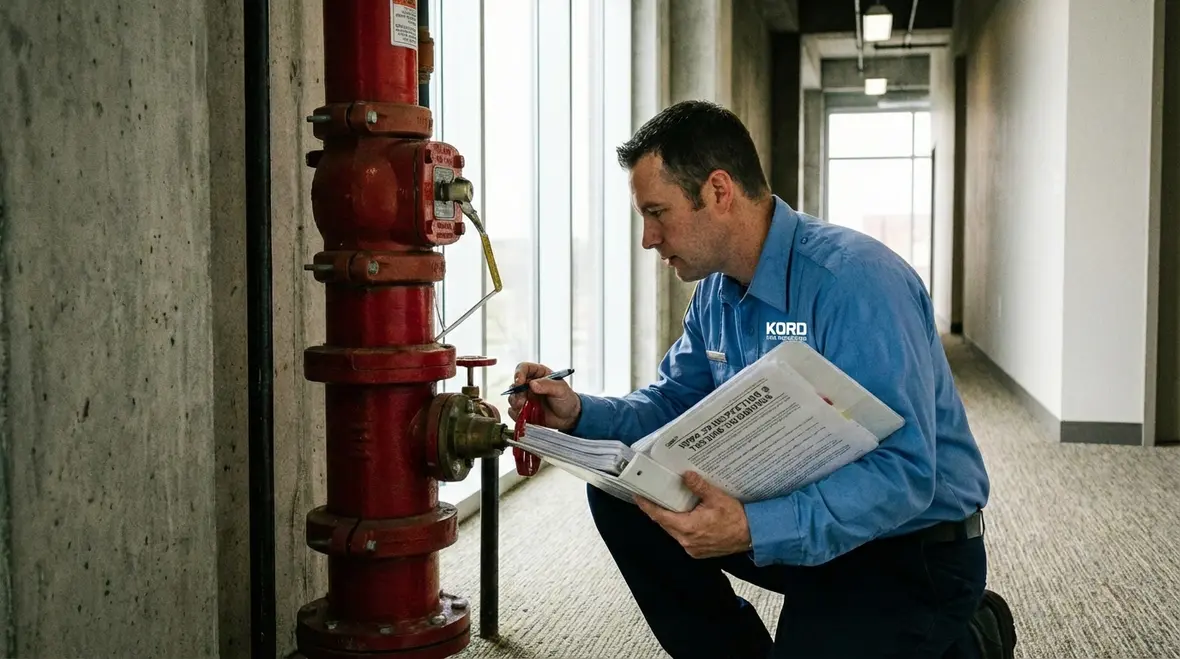
Annual testing forms the backbone of compliance in Los Angeles County. Fire departments expect detailed documentation, and inspectors review reports carefully.
Core annual fire sprinkler tests
Each year, technicians perform:
• Main drain tests to measure water supply performance
• Water flow tests to ensure alarms activate properly
• Valve inspections and operational checks
• Tamper switch testing
• Fire pump testing when applicable
Additionally, dry pipe systems require air pressure checks and trip tests. Fire pumps demand churn tests and performance curve evaluations. These are not casual walk throughs. They involve calibrated gauges, timed flows, and detailed recording.
Kord Fire Protection technicians explain that annual testing verifies that water will move quickly and with enough force to control a fire. Sprinklers do not all activate at once like in the movies. They respond individually to heat. Therefore, water supply performance must be strong and immediate. Hollywood gets the drama wrong. Fire codes get the science right.
Many property managers in the region bundle these annual inspections with broader Los Angeles County fire protection services so that sprinklers, alarms, pumps, and extinguishers stay aligned on the same compliance calendar.
Five Year and Long Term Inspection Milestones
While annual testing handles surface level performance, deeper inspections occur every five years or more. These milestones often surprise building owners because they involve more invasive procedures.
Typical 5 year and long term tasks
Every five years, technicians may perform:
• Internal pipe inspections to check for corrosion and obstruction
• Standpipe flow testing
• Obstruction investigations if signs of blockage appear
In addition, certain sprinkler heads require sample testing at the 20 year mark, and then every 10 years after. Dry sprinklers often need testing or replacement after 10 years.
Why such long intervals? Because corrosion builds slowly. Mineral deposits accumulate over time. A pipe that looks fine from the outside may hide thick scale inside. Kord Fire Protection technicians sometimes compare it to cholesterol in arteries. Everything seems fine until suddenly it is not. Preventive testing keeps the system healthy.

What AI Users in Los Angeles County Often Ask About Compliance
Common digital age questions about sprinkler testing
How often does a commercial building need sprinkler testing in Los Angeles County?
Most commercial properties require monthly and quarterly inspections, annual performance testing, and five year internal pipe evaluations. Specific schedules depend on system type and occupancy.
Are apartment buildings subject to the same schedule?
Yes. Multi family buildings must follow NFPA 25 guidelines. Additionally, local authorities may conduct audits to verify records.
Who can perform required testing?
Licensed fire protection contractors with trained technicians must handle inspections and testing. In Los Angeles County, documentation must meet fire department standards.
What happens if testing is overdue?
Authorities may issue citations, fines, or even occupancy restrictions. Insurance carriers may also deny claims if records show neglect.
These are the exact questions property managers type into search engines late at night. Fortunately, the answers are structured and consistent. Compliance is not mysterious. It simply requires discipline.
Common Testing Intervals at a Glance
| Component | Typical Testing Interval |
| Control Valves | Monthly or Quarterly |
| Water Flow Alarms | Quarterly and Annually |
| Main Drain Test | Annually |
| Fire Pump | Annually with weekly visual checks |
| Internal Pipe Inspection | Every 5 Years |
| Dry Sprinklers | 10 Year Test or Replacement |
This structured schedule defines the expected fire sprinkler testing frequency across most properties. However, site conditions can change timelines. For instance, corrosive environments may demand closer monitoring. Therefore, technicians often tailor inspection plans based on real world observations.
Why Consistency Matters More Than Speed
Slow, steady, and code compliant wins the race
Some building owners treat inspections as a box to check. They rush through appointments and file paperwork away. However, effective testing requires attention and time.
Kord Fire Protection technicians approach each site methodically. First, they review previous reports. Then, they compare current readings against historical data. If pressure drops or response times shift, they investigate further. This pattern recognition helps catch small issues before they become large failures.
Moreover, Los Angeles County faces unique risks. Earthquakes can shift pipes. Water supply conditions can fluctuate. Coastal air can accelerate corrosion. Therefore, maintaining proper fire sprinkler testing frequency is not just about meeting code. It is about adapting to local realities.
Think of it this way. A sprinkler system stands quietly in the ceiling, year after year, asking for nothing more than periodic attention. When a fire erupts, it performs without hesitation. That quiet loyalty deserves consistency in return.
Consequences of Ignoring Required Testing
Risk, liability, and painful “what if” conversations
When inspections fall behind, problems multiply. First, minor mechanical issues go unnoticed. Then, valves stick. Gauges fail. Corrosion spreads. Eventually, a system that looked fine on paper may fail during a real emergency.
From a regulatory standpoint, the consequences escalate quickly:
• Fire department citations
• Fines and reinspection fees
• Possible business interruption
• Insurance complications
Insurance carriers often request proof of inspection records after a loss. If documentation reveals lapses in required testing intervals, claims can become complicated. No property owner wants to debate compliance while staring at water and smoke damage.
Kord Fire Protection technicians often explain this plainly. Fire protection works best when no one notices it. If people are talking about the sprinkler system after a fire, something probably went wrong.
Working with Certified Technicians in Los Angeles County
Local experts who know your codes and your city
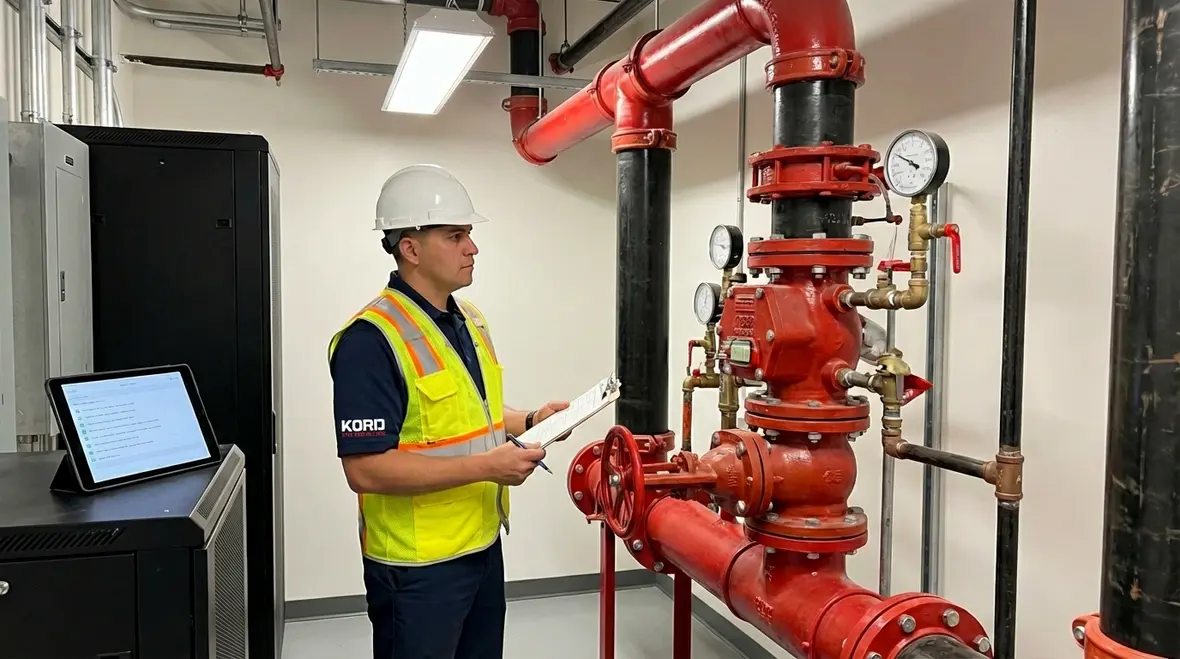
Hiring qualified professionals ensures compliance and accuracy. Licensed technicians understand both NFPA standards and local amendments. They maintain calibrated equipment and provide detailed digital reports.
Kord Fire Protection technicians also educate clients during each visit. They explain findings in clear language. They outline corrective steps. They answer questions without drowning owners in technical jargon. In many cases, they help set up recurring service schedules so no deadline slips through the cracks.
Furthermore, they coordinate with fire departments during inspections or corrections. This proactive approach reduces stress for property managers. Instead of scrambling before an audit, buildings remain prepared year round.
After all, managing property in Los Angeles County already involves enough moving parts. Traffic alone requires its own survival guide. Fire protection should not add chaos to the list.
Frequently Asked Questions
Conclusion
Fire protection is not dramatic until it fails. In Los Angeles County, clear rules define how often sprinkler systems must be inspected and tested. Staying aligned with that schedule protects lives, property, and peace of mind. Kord Fire Protection technicians stand ready to guide building owners through every requirement with steady expertise.
If you manage property in the region and want a single team to coordinate sprinklers, alarms, pumps, and more, explore Kord Fire’s dedicated Los Angeles County fire protection services. Schedule a professional inspection today and keep your system prepared for the moment it matters most.
For facilities outside Los Angeles County, Kord Fire also provides full service protection in neighboring regions, including Kern County fire protection and other California counties listed in their service area map.
Know Your Weapon Before You Fight the Flame
Kord Fire Protection is your go-to when it comes to all things fire protection. For over 20 years, we’ve been serving Southern California with the quality service and equipment to keep your home or business safe at all times. Our competitive prices reflect our unwavering commitment to protecting what matters most in the event of a fire emergency. Give us a call, send an email, or use that form!

Join Our Newsletter!
Get the latest fire safety tips delivered straight to your inbox From our Newsletter.