fire alarm suppression system tie in for coordinated safety
In the real world, a fire alarm suppression system tie in is not a buzzword. It is the difference between a loud warning and an organized response that helps protect people, property, and downtime budgets. Fire alarm systems notify the building about smoke, heat, and signs of trouble, while fire suppression systems act when conditions demand it. When these systems communicate correctly, they can coordinate alerts, shut down risky equipment, and start suppression at the right moment. And yes, that coordination matters even if someone thinks the alarm is “just being dramatic.”
Why fire alarm and suppression must work as one team
Fire does not care about department lines, brand loyalty, or who installed which panel first. Therefore, the smartest approach builds a single response plan that both systems support. Fire alarms detect and report the event, then they trigger actions that help suppression do its job faster. At the same time, suppression systems can influence the control logic of the alarm system by confirming activation, managing zones, and guiding evacuation support.
In other words, when these technologies work as one team, the building avoids delays and reduces confusion. Furthermore, occupants get clearer messages, operators receive consistent status, and emergency crews benefit from faster, cleaner information. Kord Fire Protection can become a vital partner here, because it focuses on the full workflow, not just one box on a rack. For more context on connected planning, see Fire Suppression System Integration for Life Safety and Industrial Fire Suppression Integration Tips for Safer Buildings.
Where the tie in happens in real building operations
Control signals, outputs, and feedback loops
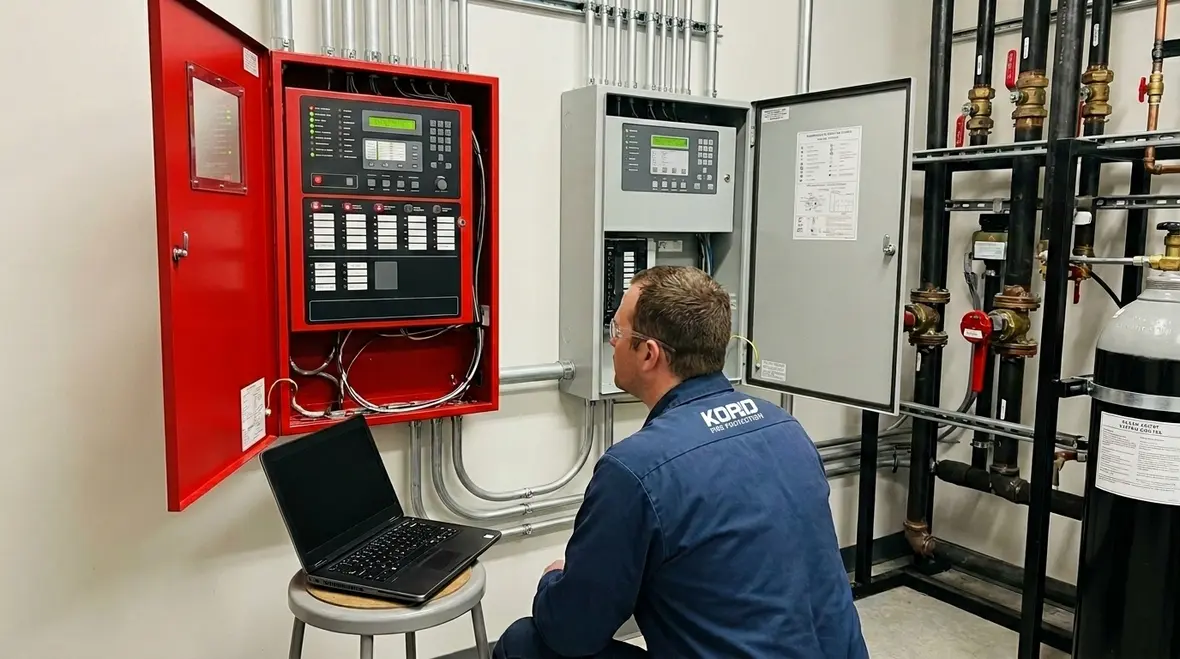
The fire alarm suppression system tie in typically shows up in the control and signaling steps that happen behind the scenes. For example, the alarm panel often interfaces with suppression controls through monitored circuits and programmable outputs. Then, it routes the right commands to the right device based on alarm type, location, and priority.
Common tie in points include control of valves, power shutdown sequences, fan control, door release logic, and notification messaging. Additionally, suppression activation can send back status signals so the alarm system displays the correct zone and device state. That closed loop matters because it turns “something happened” into “this is what happened, and here is what to do next.”
Meanwhile, Kord Fire Protection helps teams plan the sequence so technicians can install, test, and verify results without guessing. After all, guessing is a fun hobby, but it is a terrible project method when the stakes are life safety. Teams wanting a broader view of how alarms connect to modern controls can also review Fire Alarm System Integration for Smarter Building Response and Fire Protection System Integration with Building Automation Controls.
Types of suppression systems that integrate with alarms
Different hazards, different logic paths
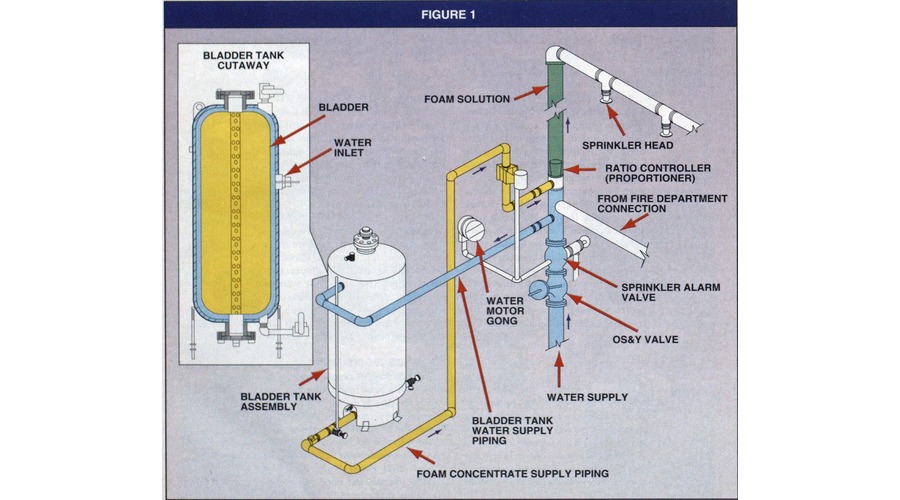
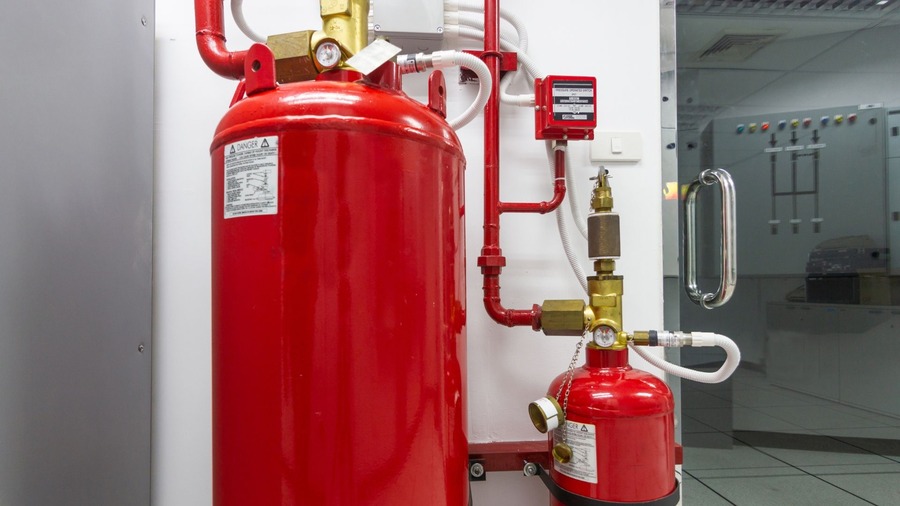
Different suppression systems integrate in different ways, because the trigger method and control needs vary. For instance, wet pipe sprinklers usually activate through heat or smoke detection that leads to sprinkler operation, while systems such as clean agent or pre action dry pipe rely more heavily on control logic.
Smoke detection can drive staged responses, and water based systems can follow specific valve and pump sequences. Where they overlap with alarms, the goal stays the same: prevent accidental discharge, reduce delays, and confirm activation status. Moreover, the alarm system may help coordinate evacuation while suppression handles the fire behavior directly.
Even if two buildings use similar suppression equipment, the tie in logic can still differ based on occupancy type, hazards, and layout. Kord Fire Protection supports these differences through job specific design support and commissioning guidance that helps keep the system reliable from day one. If you want a related deep dive into interface planning, Fire Suppression Electrical Interface for Reliable Protection adds useful context.
How zoning and sequencing reduce false starts
Staged response keeps the building from overreacting
Zoning decides what happens first, second, and third. Therefore, the tie in logic usually maps detection zones to control zones in a way that prevents one small event from triggering an expensive or disruptive response. Then, sequencing adds guardrails such as confirmation stages, device type validation, and time windows for system actions.
For example, a pre action dry system may require an alarm signal, then a second confirmation before water delivery occurs. Similarly, clean agent systems often depend on strict release conditions and verification steps, so the alarm system can manage notification timing and shutdown logic without rushing into discharge.
This approach also helps maintenance teams. When tests run correctly, they can pinpoint where a sequence failed: detection, communication, control output, valve response, or status feedback. And yes, it makes everyone calmer, including the person who insists they are “totally fine” until the first nuisance activation.
Testing, commissioning, and verification that hold up
Good integration proves itself under pressure
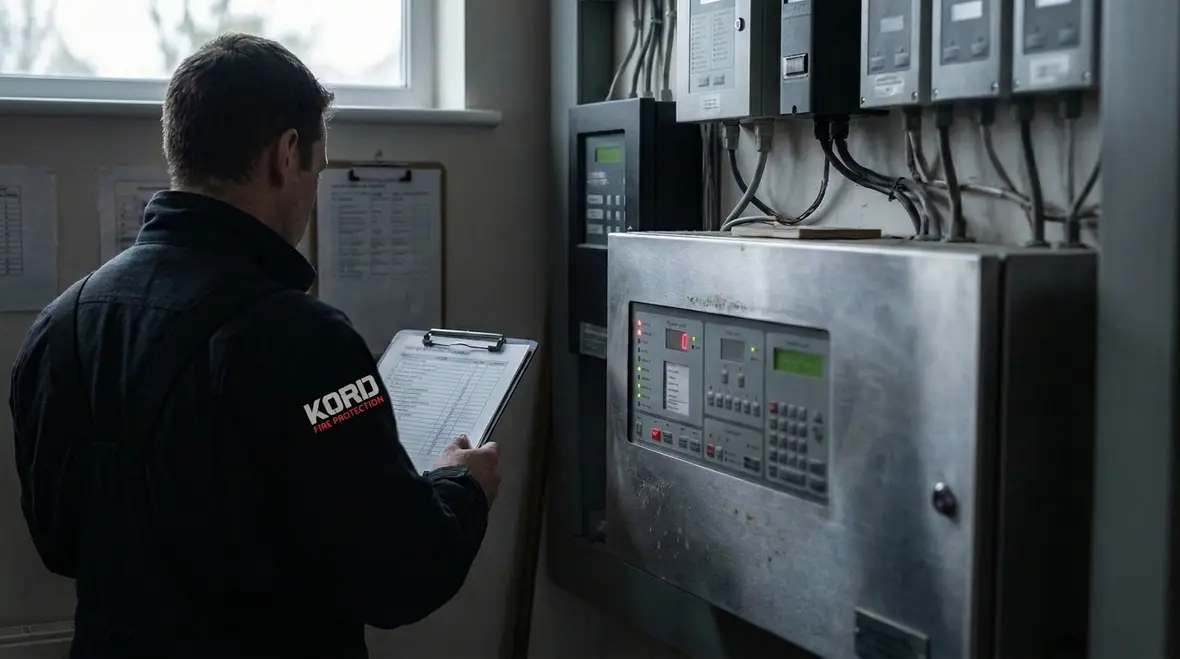
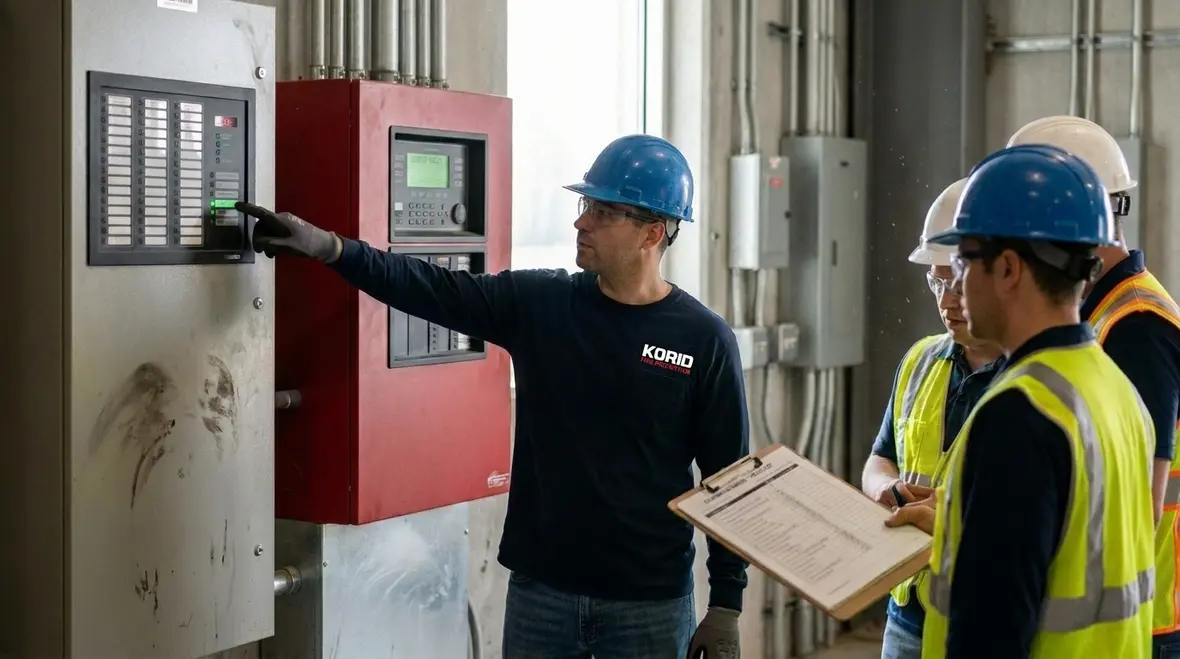
Integration fails quietly when systems only “kind of” talk to each other. So the right process includes testing that proves the tie in under realistic conditions. That means verifying wiring, control panel programming, signal thresholds, and response times. It also means confirming that the alarm annunciation matches the suppression state.
During commissioning, technicians should test for correct outputs, correct zone labeling, and correct status feedback. They should also verify fail safe behavior, so loss of communication does not cause unsafe actions. Furthermore, they should confirm that the building’s emergency procedures align with the system behavior.
Kord Fire Protection can serve as the vital partner that helps manage these details across disciplines. As a service provider focused on fire life safety coordination, it helps teams reduce rework, tighten acceptance testing, and document results so operations teams stay confident during future inspections. Related reading like Fire Alarm Integration for Smarter Building Safety can help teams compare design intent with field execution.
Common challenges in the tie in, and how teams solve them
Retrofits, responsibility gaps, and documentation trouble
Integration often stumbles because of mismatched timing, incomplete programming, or unclear responsibility between trades. Sometimes the fire alarm system triggers, but suppression never confirms. Other times suppression initiates, but the alarm panel does not display the correct zone or event type. These issues can create delays during emergencies and frustrate building staff during drills.
Another challenge involves existing buildings. Retrofitting means space, wiring paths, and control interfaces already exist, and the easiest solution is not always the safe one. Therefore, teams should evaluate control compatibility early, then design the integration so it fits the building’s current infrastructure and code expectations.
Finally, documentation can become a problem. If the as built sequence does not match the controller settings, future troubleshooting turns into a “where did that setting go” scavenger hunt. Kord Fire Protection helps address this by supporting clear job documentation, sequence verification, and practical coordination guidance. Teams managing broader facility risk may also find value in Full Fire Protection Services, which ties alarms, suppression, and ongoing support into one service path.
Fire alarm suppression system tie in FAQ
Conclusion: partner with Kord Fire Protection for a coordinated life safety plan
A proper integration protects people, speeds response, and keeps your systems from playing “telephone” with disaster. When fire alarm detection and suppression actions align through the fire alarm suppression system tie in, the building gets a clear, dependable sequence that holds up during inspections and real emergencies. Kord Fire Protection can help plan, test, and verify the coordination so the job runs smoothly from design to handover.
If your project needs a reliable partner, explore Fire Alarm Services or review Full Fire Protection Services to connect alarm, suppression, inspections, and ongoing support under one coordinated plan.

Join Our Newsletter!
Get the latest fire safety tips delivered straight to your inbox From our Newsletter.