NFPA 11 Section 11.3: Foam Systems for Petroleum and Chemical Tankers
Quick Answer: NFPA 11 tanker deck foam systems are defined by Section 11.3 for petroleum and chemical tankers. The standard specifies foam concentrate handling, proportioning, nozzle deployment, and performance testing. The article explains design, inspection, and ongoing maintenance crucial to sustained compliance and safe operations.
If you want broader context before drilling into this tanker specific section, start with this overview of the NFPA 11 standard. And because real world readiness matters more than pretty paperwork, it also helps to review foam fire suppression inspection requirements and service early in the process.
Section 1: Section 11.3 Overview and Relevance
Section 11.3 provides requirements for foam systems installed on petroleum and chemical tankers. It addresses deck foam application, equipment compatibility with foam concentrates, and the need for reliable water supply and ventilation paths. In port operations and shipyard maintenance, adherence reduces risk during cargo handling and transfer operations.
Why this section matters on working tankers
These systems are not decorative deck accessories. They are part of the vessel’s response strategy where flammable liquid hazards, ignition risks, and transfer operations can all decide to get dramatic at the same time. A compliant foam setup helps crews respond faster, contain vapor release hazards, and maintain a stronger protection posture during loading, unloading, and maintenance windows.
Section 2: Design Essentials and Core Components
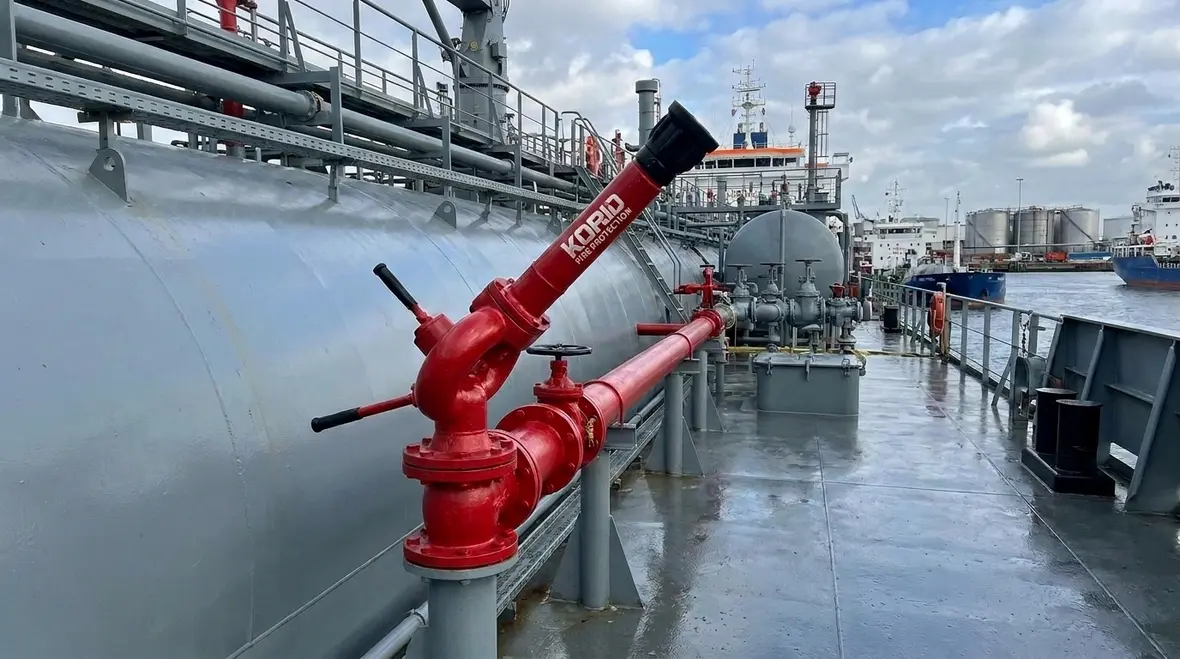
Key components include foam concentrate storage vessels, a foam proportioning device, foam solution piping, deck spray or nozzle assemblies, and control valves. The proportioner must deliver the correct foam to water ratio across the expected flow. Material compatibility between concentrate and hull coatings is critical to minimize corrosion and fouling. NFPA 11 tanker deck foam systems require listings from recognized testing labs and integration with the vessel water supply.
Core hardware
- Foam concentrate storage vessels
- Foam proportioning device
- Foam solution piping
- Deck spray or nozzle assemblies
- Control valves and related controls
Design checks that save headaches later
- Correct concentrate to water ratio across expected flow
- Compatibility with coatings and system materials
- Reliable connection to vessel water supply
- Listed components from recognized testing labs
Section 3: Deck Foam Application and Delivery
- Placement: Nozzles should cover critical deck areas associated with ignition sources and potential spill paths.
- Coverage: Ensure uniform foam blankets with sufficient expansion to suppress vapors.
- Delivery: Proportioning devices must operate under typical shipboard pressures and handle supply variations.
What good delivery actually looks like
A proper deck foam system does more than discharge something vaguely foamy in the general direction of the problem. It needs to form a uniform blanket over hazard areas, maintain proportioning accuracy through pressure changes, and reach spill paths before vapors become everybody’s least favorite surprise of the day.
Section 4: Operational Procedures, Testing Cadence, and Documentation
Pre-departure checks verify concentrate levels, water supply, and valve positions. NFPA 11 tanker deck foam systems require regular functional tests, flow verification, and pattern checks. Document all tests, maintenance actions, and component replacements to demonstrate compliance during audits by port authorities or insurers.
This is also where disciplined recordkeeping earns its paycheck. If a system was tested, adjusted, repaired, and restored correctly, the documentation should prove it without forcing anyone into an archaeological dig through old binders and mysterious file names.
Section 5: Maintenance and Common Failure Points
- Foam concentrate aging and contamination
- Clogged or fouled lines and strainers
- Leaking or stuck valves and seals
- Water supply instability or pump cavitation
- Inadequate nozzle performance or misalignment
Maintenance plans should cover concentrate shelf life, container integrity, and equipment calibration. Regular inspections by a qualified contractor help prevent unplanned downtime and ensure the system meets the criteria of NFPA 11 tanker deck foam systems.
For teams that want a practical companion piece on inspection issues, foam fire suppression system deficiencies and inspections fits naturally here. It walks through the quiet ways systems drift out of readiness, which is useful because foam problems rarely announce themselves with a marching band.
Section 6: Compliance Challenges and Partnering with a Qualified Service Provider
Commercial facilities that operate petroleum and chemical tankers must coordinate with port authorities and insurers to align testing cadences with dockside schedules. Documentation, crew training, and cross system compatibility with fixed fire protection and marine sprinkler networks are common friction points. Proactive maintenance and validated performance data help mitigate risk and avoid costly retrofits. Engaging a trusted service partner such as Kord Fire Protection ensures regular inspections for NFPA 11 tanker deck foam systems, accurate record keeping, and rapid responses to any system alerts.
What a qualified partner should help coordinate
- Inspection scheduling that fits dockside operations
- Performance testing and documented verification
- Crew training support and restoration checks
- Cross system compatibility review with related fire protection equipment
- Clear records for insurers, port authorities, and internal audits
Section 7: Frequently Asked Questions
Call to action: To ensure your NFPA 11 tanker deck foam systems stay compliant and ready, contact Kord Fire Protection for a comprehensive assessment, scheduling, and ongoing maintenance plan. Our team specializes in foam system design, installation, testing, and regulatory compliance for marine, commercial, and industrial facilities. Reach out today to set up an evaluation and protect your operations.

Join Our Newsletter!
Get the latest fire safety tips delivered straight to your inbox From our Newsletter.