
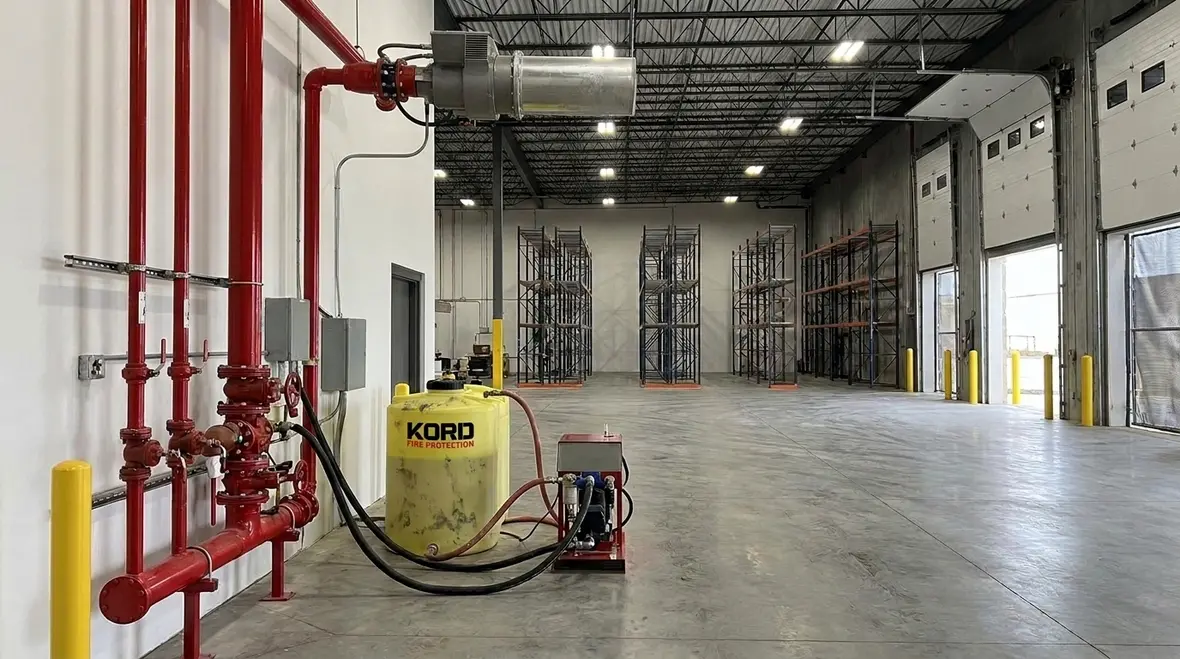
NFPA 11 Section 7.4: Types of Medium and High-Expansion Foam Systems
NFPA 11 Section 7.4 Types of Medium and High Expansion Foam Systems
Quick Answer: NFPA 11 Section 7.4 defines two expansion driven foam system families used in commercial facilities. Understanding these NFPA 11 medium high expansion system types helps facility managers select appropriate foam generators, proportions and coverage strategies to meet performance, inspection, and maintenance requirements.
Facilities planning upgrades or maintenance can also review foam fire suppression system services to connect these NFPA 11 concepts with practical inspection, testing, and support options. For broader context, you can also reference this overview of NFPA 11.
What NFPA 11 Section 7.4 Covers
NFPA 11 Section 7.4 provides the framework for selecting medium expansion and high expansion foam systems. It outlines design criteria, intended environments and operational expectations for each system type. The section reinforces reliable foam blanket formation, compatible foam concentrates and coordinated release with fire protection and life safety systems.
Medium Expansion Foam Systems
Medium expansion foam systems are designed to create a foam blanket with moderate expansion ratios. They typically blend foam concentrate with water through a proportioner or in line eductor and rely on a foam generator or aspirating nozzle to generate the foam solution. Key characteristics include controlled expansion, finite reach, and effective coverage in enclosed or semi enclosed spaces with some ventilation.
- Core components include a foam concentrate storage, a proportioning device, a foam pump, a foam generator and a discharge network.
- Common applications are enclosed facilities with limited ventilation such as data centers, certain manufacturing areas and large rooms requiring rapid blanket formation.
- Design considerations center on maintaining consistent expansion ratios, ensuring water supply reliability and coordinating with detection and release devices.
Why Medium Expansion Fits Certain Facilities
Medium expansion systems often make sense where operators need controlled discharge and dependable blanket formation without trying to turn the room into a giant bubble machine. They are especially useful when the hazard area is enclosed enough to retain foam, but still has some ventilation or operational openings that influence performance.
High Expansion Foam Systems
High expansion foam systems deliver very large foam volumes to cover extensive areas quickly. They rely on powerful foam generators and air supply to achieve high expansion ratios and are especially useful in large open enclosures and spaces with challenging ventilation. Correctly selected high expansion systems reduce the time to establish a protective foam blanket and support rapid control of compartment fires.
- Key components mirror medium expansion systems but emphasize robust foam generators and enhanced air handling for large scale coverage.
- Typical applications include aircraft hangars, engine rooms, parking structures and other large volume facilities where fast blanket formation is essential.
- Operational emphasis centers on air control, monitoring foam quality, and maintaining uniform discharge across the space.
Where High Expansion Systems Shine
When a space is large, open, or awkward enough to make traditional coverage more difficult, high expansion systems bring speed and volume to the conversation. The goal is fast blanket formation across a broad footprint, which is a lot more reassuring than standing around hoping the fire politely stays in one corner.
System Components and How They Work
Both medium and high expansion foam systems share core elements but differ in proportioning and generation methods. Foam concentrates are stored in dedicated cabinets or tanks and must be compatible with the chosen foam type. Proportioning devices calibrate foam concentrate with water to achieve the desired expansion ratio. Foam solution pumps push the mixture through generators or aspirators that create the foam blanket, which is delivered through a network of discharge outlets. Detection and release logic synchronize foam generation with sprinkler or water supply to ensure reliable activation on demand.
Core Equipment Coordination
A foam system only works as well as its coordination between storage, proportioning, pumping, discharge, and release controls. If one part drifts out of alignment, the whole setup can go from engineered protection to expensive confidence theater pretty quickly.
Operational Procedures and Maintenance
Reliable operation depends on disciplined procedures and routine maintenance. Establish a documented program that covers initial acceptance testing, periodic inspections, and scheduled refreshes of foam concentrates. Critical maintenance tasks include verifying concentrate integrity, checking proportioner calibration, testing discharge and foam coverage, flushing systems to remove sediment, and maintaining water supply pressure to prevent shortfalls during discharge. Recordkeeping should capture test results, maintenance actions and any corrective work.
- Monthly visual checks of storage, lines and outlets; rotate concentrates to prevent sedimentation.
- Quarterly functional tests that confirm foam generation, flow rates and blanket formation in representative zones.
- Annual full system verification including calibration checks, hydrostatic tests and compliance with NFPA 11 requirements.
Compliance Challenges in Commercial Facilities
Commercial, industrial and retail facilities face practical challenges when applying NFPA 11 7.4 based foam systems. Space constraints, ambient ventilation, and building automation integration can influence performance. Environmental and disposal considerations for spent foam concentrate, local regulations on foam components, and vendor warranty terms add layers of complexity. Regular audits help mitigate drift in foam quality, unanticipated wear on proportioners and reduced coverage from aging generators. Partnering with a knowledgeable service provider helps facilities maintain compliance while controlling life cycle costs.
Practical Implementation and Partnering for Compliance
Designing and maintaining NFPA 11 medium high expansion system types requires thorough field assessment, accurate system modeling and documented maintenance programs. Facility teams should coordinate with engineering, safety and operations to align foam system characteristics with fire hazard profiles and detection sequences. Kord Fire Protection provides ongoing compliance support, including design validation, installation oversight, testing and maintenance programs tailored to commercial, industrial and retail facilities. Their team helps translate NFPA 11 requirements into practical, enforceable site procedures.
Frequently Asked Questions
Conclusion and next steps For a thorough assessment of your NFPA 11 medium high expansion system types, schedule a preventive maintenance visit with Kord Fire Protection. Our team provides design validation, testing, and ongoing compliance services for commercial, industrial and retail facilities. Contact us today to set up a plan that fits your facility and budget.

Join Our Newsletter!
Get the latest fire safety tips delivered straight to your inbox From our Newsletter.


