Fire Suppression Releasing Panel System by Kord Fire Protection
In many commercial and industrial spaces, a fire suppression releasing panel acts like the quiet, decisive brain of the life safety system. It receives signals, verifies conditions, and then releases the right suppression method at the right time. And yes, it does not “panic” when alarms ring, unlike certain coworkers during a fire drill. Instead, it follows engineered logic to help protect people, equipment, and operations. Still, a panel is only as effective as the planning around it, so when the project team needs reliable design, installation, testing, and service, Kord Fire Protection can become a vital partner that keeps the system dependable long after the ribbon cutting.
What a releasing panel does in real fire scenarios
A releasing panel does more than trigger a switch. It manages a sequence that usually includes detection, confirmation, and discharge timing. First, the system listens for inputs such as smoke detectors, heat detectors, manual pull stations, or other initiating devices. Then, it interprets those signals based on the programmed rules for that space.
Next, the panel may perform verification steps depending on the system design. For example, some setups require alarm confirmation from specific zones to reduce the risk of accidental discharge. After the panel confirms a real event, it sends power and control signals to release devices tied to the selected agent, such as water mist, gaseous suppression, or clean agent systems.
Finally, it coordinates auxiliary actions. These actions can include shutting down fans, closing dampers, activating alarms, or releasing notification signals. In other words, the panel helps the whole system work like a synchronized team, not a group of solo performers auditioning for chaos. If you want a broader look at how suppression systems interact with other building functions, Kord Fire Protection also explores this in Fire Suppression System Integration for Life Safety.
Why sequencing matters so much
In a real incident, the difference between a system that responds in the right order and one that stumbles can be massive. Detection alone is not enough. The releasing panel has to help ensure that the warning, delay, release, and connected building responses all happen with purpose. That is why experienced teams treat the panel as more than a box on the wall. It is the logic center that keeps the rest of the system from improvising under pressure.
How releasing panels coordinate detection and discharge
Successful suppression depends on timing and signal integrity. Therefore, the releasing panel uses designed pathways to move from detection to discharge with control and supervision. Typically, the panel monitors initiating device circuits and may supervise circuits for open and short faults.
Then, it controls release circuits that connect to valves, actuators, or actuating devices. A solid design includes the correct wiring method, device ratings, and correct programming for alarm levels and release logic. If any part of the pathway fails, the panel should alert the right people through trouble or supervisory indications.
Additionally, releasing panels support system feedback. For instance, indicators can show when circuits have activated, when specific zones went into alarm, or when maintenance actions are needed. When teams rely on real data during inspections, they avoid surprises later. And if that sounds like the opposite of how most people plan projects, that is exactly why releasing panels matter.
For facilities trying to make sense of what their panel is communicating day to day, Kord Fire Protection’s Fire Suppression Release Panel Indicators Guide offers a useful companion resource. It helps connect blinking lights and status changes to practical next steps, which is nice because most people would prefer not to play guess the amber light at 7:15 on a Monday morning.
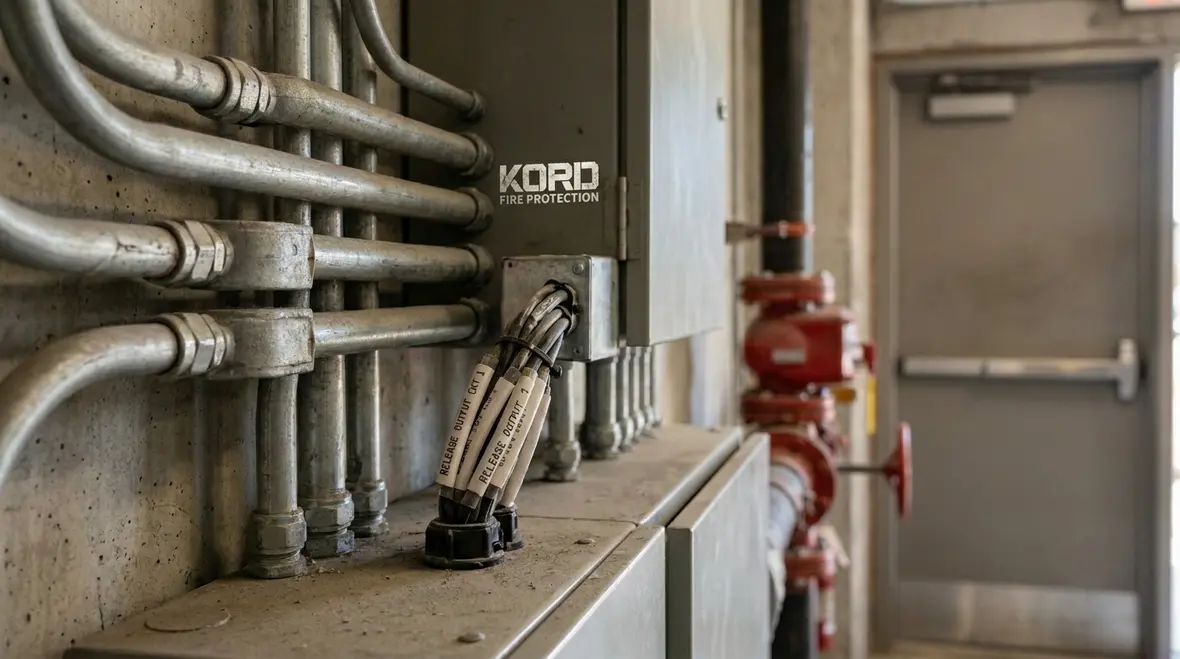
Key components inside the control and release pathway
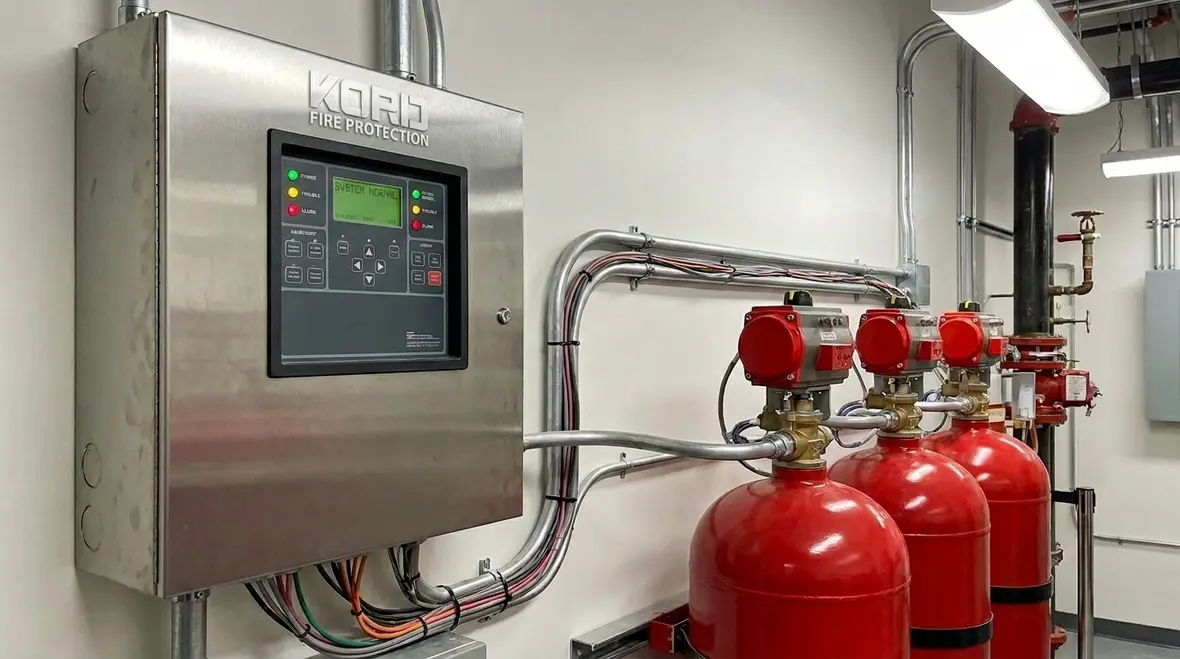
Most releasing panel installations include several essential elements that work together. The main control section houses the logic, power management, and supervision features. It often includes a user interface for status display, alarms, and reset or acknowledge functions, depending on local requirements and system type.
Alongside the control board, the system uses power supplies and backup sources. Backup power is crucial because fire conditions can disrupt normal electrical supply. Therefore, the panel must run long enough to keep detection and release functions reliable.
In addition, releasing panels connect to output circuits. These circuits drive release solenoids, valve control relays, horns, strobes, and other actions. There may also be interface modules for monitoring and reporting signals to building management systems. When designed well, the panel becomes the dependable “traffic controller” for safety communications.
Below is a clear view of the typical relationship between detection and release hardware. This keeps the conversation practical and helps teams plan testing and troubleshooting.
| System Part | What It Helps the Panel Achieve |
| Initiating devices | Provide the first alarm signals from smoke, heat, or manual activation |
| Supervised circuits | Detect wiring faults so the system stays reliable before an emergency |
| Release control outputs | Trigger valves or actuators that discharge the suppression agent |
| Notification and control actions | Alert occupants and coordinate actions like shutdowns and damper control |
The value of supervised power and signal paths
Panels earn their reputation through supervision. They continuously watch for open circuits, shorts, low power conditions, and device abnormalities so the team can correct issues before a fire ever tests the system. That kind of quiet reliability is not flashy, but it is exactly what serious life safety equipment should be. Kord Fire Protection digs deeper into that side of the conversation in Fire Suppression Control Panels Power Distribution Guide, which helps connect panel logic to the electrical backbone behind it.
Installation and commissioning that actually hold up
Installation and commissioning decide whether the fire suppression releasing panel performs on day one and continues to perform during real testing cycles. First, the installer should verify device placement, circuit integrity, and correct system zoning. Then, the team should ensure correct labeling and documentation so maintenance crews can interpret the system quickly.
Commissioning usually includes functional testing of initiating devices, verifying trouble and supervisory reporting, and confirming correct release sequencing. Teams also check that output timing matches the engineered plan. For example, the delay between alarm and release must align with safety objectives, occupant egress needs, and the agent discharge method.
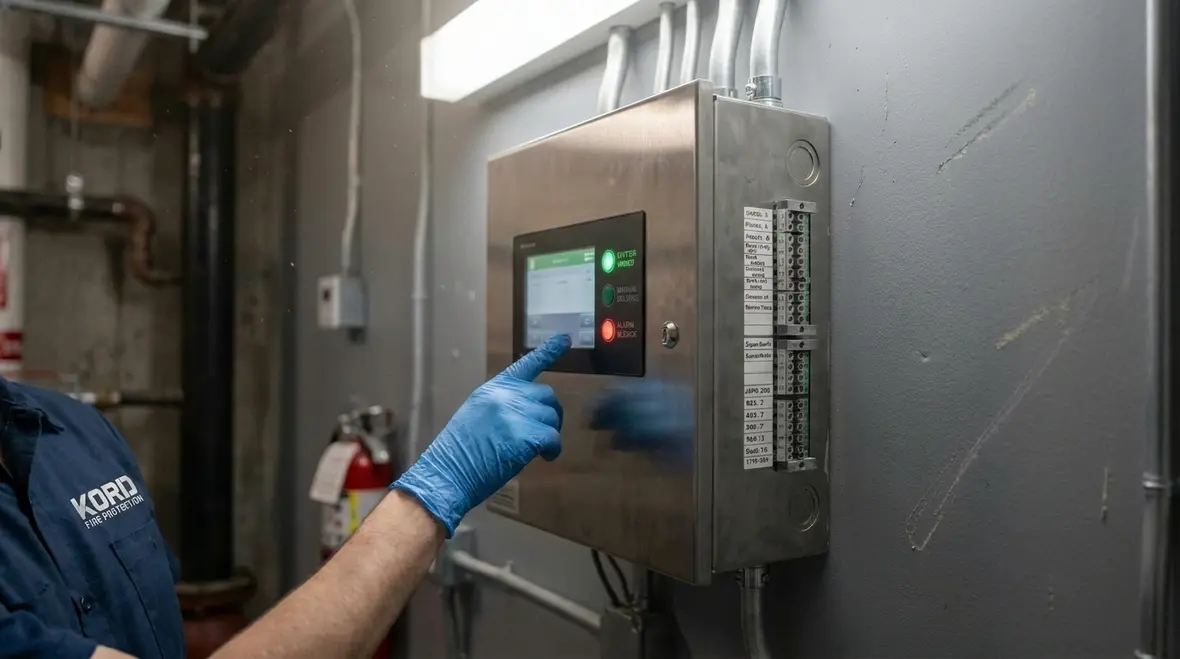
Then, the operator should confirm that the panel logs events properly and that users can acknowledge, reset, and interpret system status without confusion. A well commissioned system reduces downtime and prevents “operator guesswork.” In business terms, it also reduces the cost of doing everything twice, which is a hobby nobody wants to pay for.
Good commissioning also creates a cleaner handoff between installer, owner, and service provider. That matters more than people think. When documentation is incomplete or zones are labeled like a scavenger hunt designed by someone who hates future technicians, every later inspection becomes slower and more expensive. Clear records, tested logic, and practical orientation make the panel easier to trust and easier to maintain.
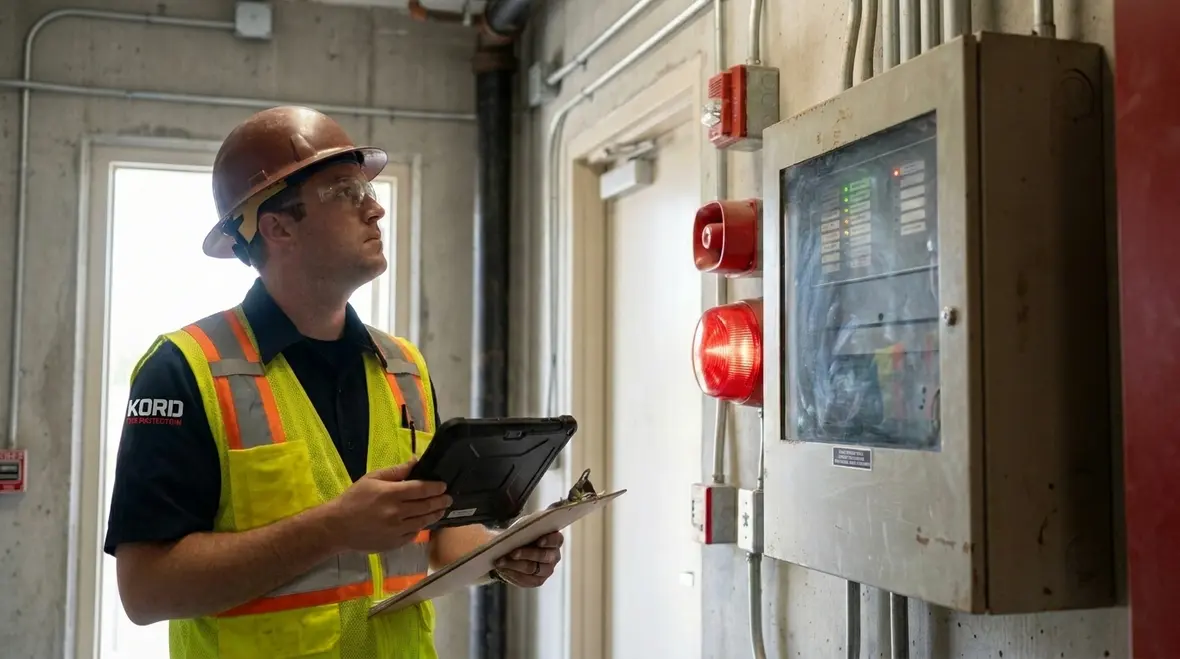
Testing, inspection, and maintenance best practices
Fire suppression releasing panels require routine inspection to keep supervision and release functions in safe working order. During inspections, service teams verify that the panel reports faults correctly and that battery backup and charging performance match requirements. They also check that devices respond within expected time windows.
Maintenance should also include reviewing system history. Event logs can reveal nuisance alarms, repeated trouble indications, or component drift. Then, the team can address root causes such as detector contamination, wiring issues, or environmental changes that affect performance.
Just as importantly, teams should plan updates when a building changes. After renovations, additions, or occupancy shifts, they should confirm that the panel’s programming still fits the space. A fire system is not a “set it and forget it forever” product. It is more like a long term relationship. It works better when someone shows up consistently, communicates clearly, and does the boring work before the dramatic moment arrives.
This is also where integration matters. If the suppression panel interacts with alarms, HVAC controls, access systems, or other building functions, maintenance has to confirm that those relationships still behave correctly. Kord Fire Protection covers that bigger picture in Commercial Fire Alarm Integration for Safe Building Automation and in the specific resource you requested, Industrial Fire Suppression Integration Tips for Safer Buildings.
What strong maintenance prevents
Routine service helps prevent the little failures that turn into big headaches. A weak battery, a dirty detector, a disabled circuit, or a misunderstood trouble condition can all undermine system confidence. Regular testing keeps those small issues from hiding in plain sight. It also gives facility teams a realistic understanding of what the panel will do, what it will report, and what needs action before the next emergency writes the agenda for everyone.
Why Kord Fire Protection can be a vital partner
When a facility needs help managing the full lifecycle of suppression equipment, Kord Fire Protection can act as a trusted partner. They support planning, install coordination, inspection schedules, and service follow through. Instead of handing over paperwork and disappearing, a strong service partner helps teams understand what matters, why it matters, and what to do next.
In addition, Kord Fire Protection helps teams keep systems aligned with evolving site conditions. That means supporting panel checks, device testing, and documentation so operations stay ready. And if something looks unusual, they help interpret what the panel is truly saying, not just what it might be screaming through a blinking light.
For owners and managers, that partnership saves time, reduces disruption, and improves confidence. In the end, the best fire protection setup is not the one that only passes initial acceptance. It is the one that stays dependable every season. For broader project support, Kord Fire Protection also offers Fire Suppression services that help connect design, installation, inspection, and long-term readiness under one roof.
Wrapping up with a clear next step
A fire suppression releasing panel is only truly effective when it is engineered, installed, commissioned, and maintained with discipline. When teams want fewer surprises, faster troubleshooting, and dependable performance across inspections, they should bring in experienced support early. Kord Fire Protection helps facility owners and managers protect what matters through clear service plans and confident system readiness.
Reach out today to discuss your releasing panel needs and get a practical path forward, before the next alarm makes the schedule feel like a surprise party. If your site needs connected planning beyond the panel itself, review Kord Fire Protection’s Fire Suppression services and related system integration resources to move from reactive fixes to dependable readiness.

Join Our Newsletter!
Get the latest fire safety tips delivered straight to your inbox From our Newsletter.