Industrial Fire Suppression Integration Tips for Safer Buildings
Industrial fire suppression integration tips for safer, smarter buildings
Integrating fire suppression with building automation systems works best when teams plan for communication, control logic, and reliable signals from day one. First, define the fire life safety goals, then map equipment points like alarms, statuses, and supervisory trouble so the building automation system can act fast without guesswork. Next, standardize naming, wire paths, and event reporting, because nothing slows a project like “What does this signal mean, and why is it blinking at us?” Finally, Kord Fire Protection technicians explain that integration must preserve code-required behavior and fail safe, meaning the system protects people even if the network or software acts up.
And yes, it is possible to make this process feel less like a mystery novel and more like a well run playbook.
How fire suppression and building automation systems work together
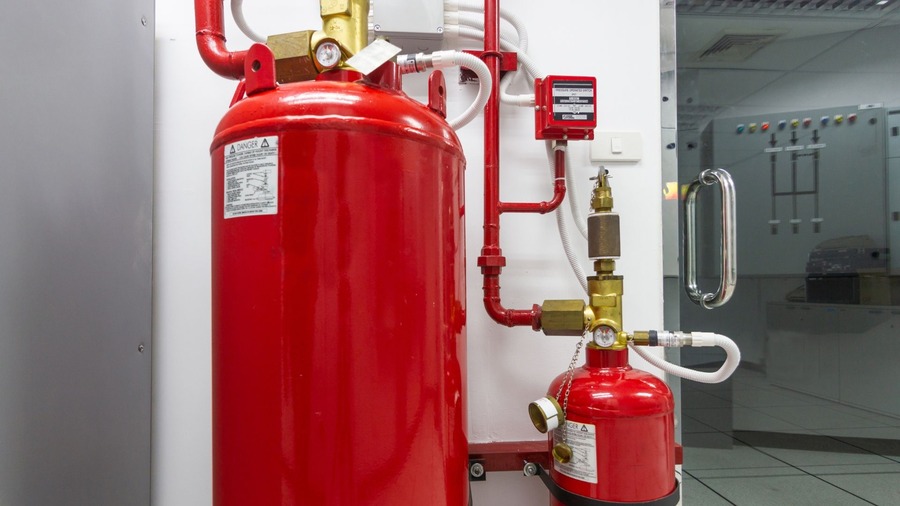
Fire suppression systems and building automation systems both manage building safety, yet they do it from different angles. Fire suppression controls extinguishing functions and triggers based on alarm inputs, while building automation monitors conditions and coordinates responses across mechanical and electrical systems. When these systems integrate correctly, the automation layer can help drive actions like door releases, smoke control sequencing, fan shutdown, and occupant notifications. At the same time, the suppression system still owns the decision to activate suppression.
In other words, integration should add clarity, not take control away. Kord Fire Protection technicians often explain it like this: the suppression system is the driver, and the building automation system is the navigator. If the navigator tries to drive, everyone ends up in the ditch, and nobody wants that.
This distinction becomes especially important in industrial settings where ventilation, process equipment, power distribution, and emergency sequencing all intersect. A well integrated setup helps operators understand what happened, what is happening, and what should happen next. A poorly integrated setup creates confusion at exactly the moment nobody has time for confusion. That is why signal ownership, sequence timing, and visible status feedback matter so much from the earliest design meetings onward.
Why this relationship matters in real buildings
When a suppression event occurs, people expect the building to behave intelligently. Air should move the right way. Doors should respond correctly. Operators should receive clear alarms rather than a wall of vague messages that reads like a machine wrote a ransom note. Integration is what turns separate systems into a coordinated response, but only when everyone agrees that life safety logic remains at the center of the design.
Key components that must integrate cleanly
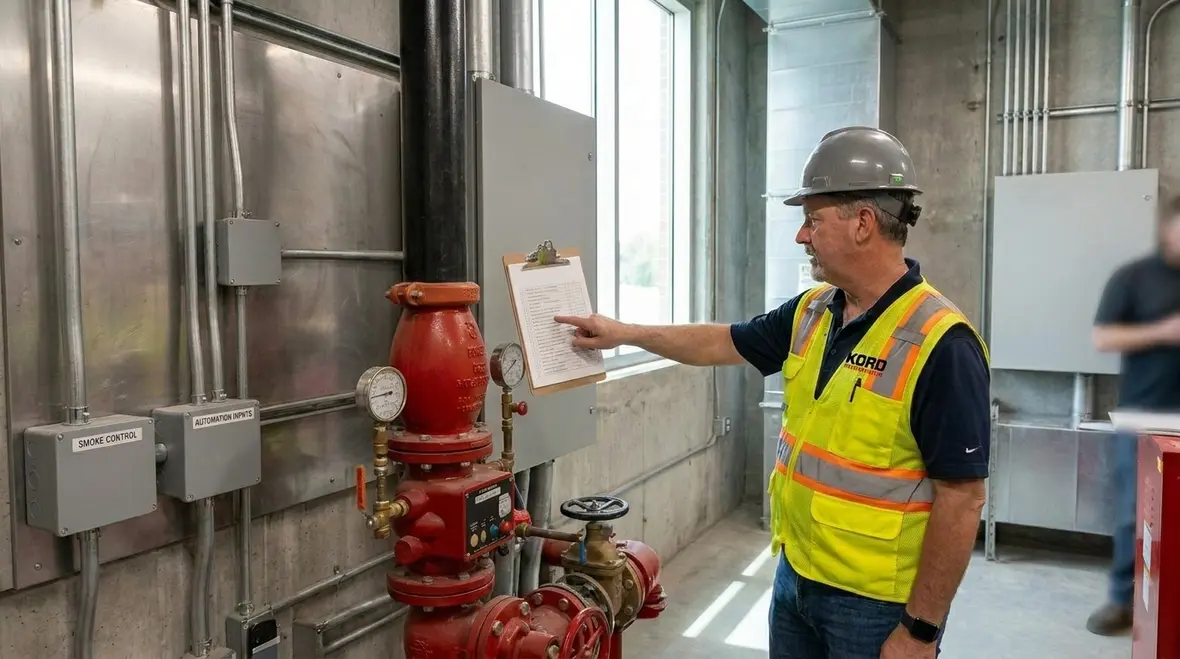
Teams typically connect several types of points so signals reach the right place at the right time. At a high level, industrial fire suppression integration tips focus on point quality and event timing. The most important components include:
- Alarm and initiating device inputs such as fire alarm panel signals that indicate a suppression relevant event
- Supervisory and trouble signals that confirm device health, circuit integrity, and system readiness
- Control outputs that allow the automation system to coordinate actions that support suppression and evacuation
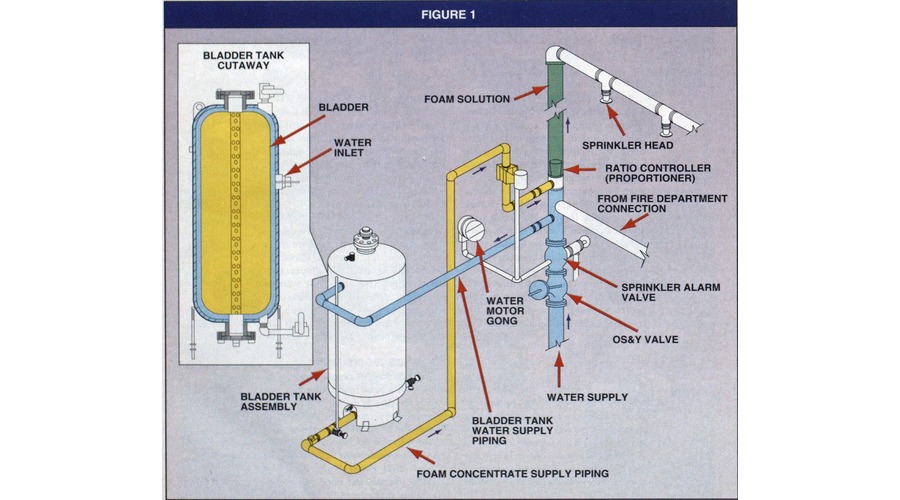
- Status feedback from valves, panels, and pump systems so operators see what the system did
- Network and protocol interfaces that transport signals without losing timing or meaning
Further, Kord Fire Protection technicians emphasize that teams should document every signal and its normal state, alarm state, and fail safe behavior. That documentation becomes a lifesaver during commissioning and later during maintenance calls, especially when someone asks why a fan shutdown happened “even though the system never went off.”
Point mapping should never be a guessing game
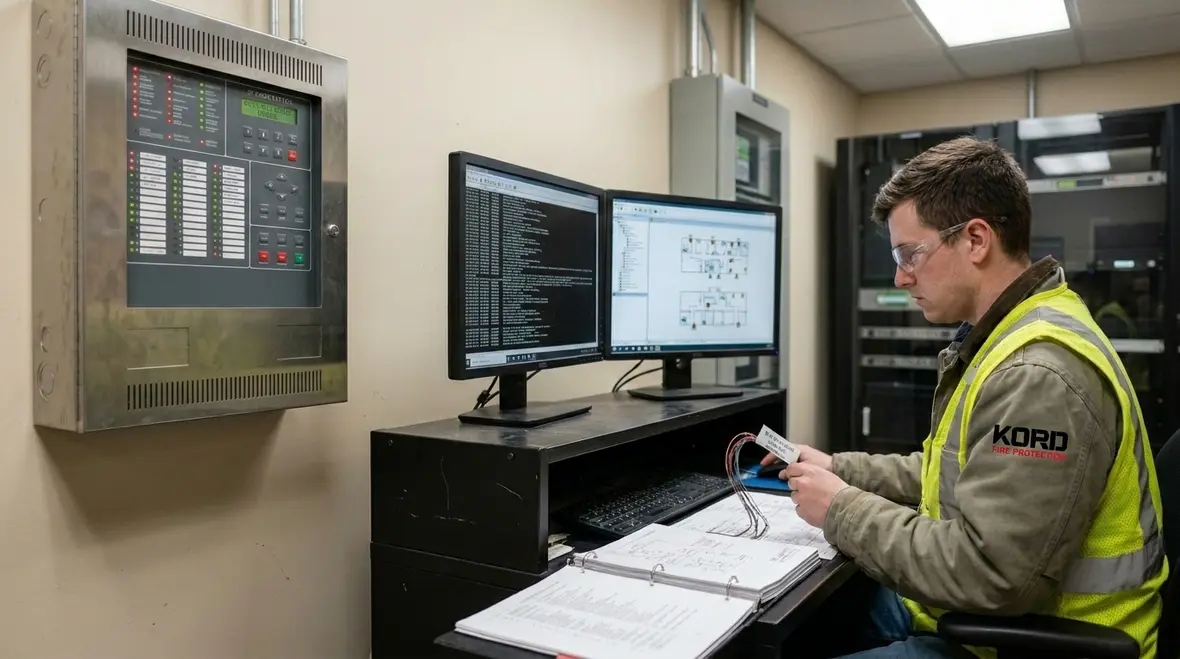
Clear point mapping sounds boring until the day it saves a project. Each signal needs a name that tells operators exactly what it represents, where it comes from, what its normal condition is, and what action should follow. Labels like “input 17” or “relay B” may have seemed acceptable during installation, but they age badly and create chaos during service calls. A shared signal list used by fire, controls, electrical, and facilities teams keeps everyone aligned and dramatically reduces troubleshooting time.
For facilities managing broader life safety responsibilities, Kord Fire Protection also offers full fire protection services that help coordinate inspection, maintenance, and system readiness across multiple protection layers.
What coordination should happen during activation
Integration should follow a strict sequence during an alarm and suppression event. First, the fire system detects the threat. Then, it sends an alarm indication to the automation layer. At the same time, suppression actions start based on the fire system logic. After that, the building automation system can run supporting steps, such as placing air handlers into a smoke control mode, shutting down specific fans, or managing dampers to limit smoke movement.
However, the automation system must not override suppression logic. Instead, it should react to the fire system’s truth. Kord Fire Protection technicians often stress that the automation system should use clear event tags and time stamps. This helps staff confirm that the right actions occurred in the right order, which reduces blame and increases confidence.
The smartest teams also predefine what the operator will see during these events. If the alarm summary, graphics page, and sequence notes all say slightly different things, the building is practically asking for a stressful afternoon. Consistent wording across the fire panel, automation interface, and closeout documents makes response faster and post event review much less painful.
Protocols, safety limits, and fail safe behavior
Different facilities use different protocols and network designs, so integration requires careful selection and consistent configuration. Teams should verify that the chosen interface supports the needed signal types and that it handles loss of communication without unsafe behavior. In a fail safe design, loss of network connectivity should not prevent suppression activation, and control actions should either stop or fall back to life safety defaults.
It also helps to define safety limits around write actions. For example, building automation should generally request or report actions rather than attempt to change suppression setpoints. When equipment requires coordination, teams should use supervised signals and confirmations, so the system never assumes a command succeeded without proof.
As Kord Fire Protection technicians explain, a “maybe it worked” integration is like a smoke detector with stage fright. It might eventually do the job, but the building deserves certainty, not drama.
Build limits into the design, not after the panic
A disciplined design separates what the automation layer may observe, what it may announce, and what it may influence. That boundary protects the suppression system from accidental overreach while still allowing the building to respond in useful ways. It also prevents future upgrades from wandering into risky territory. If someone adds a new controller or changes a network path later, the original life safety limits should still be obvious in the documentation and preserved in the logic.
Commissioning and testing: prove it works before it matters
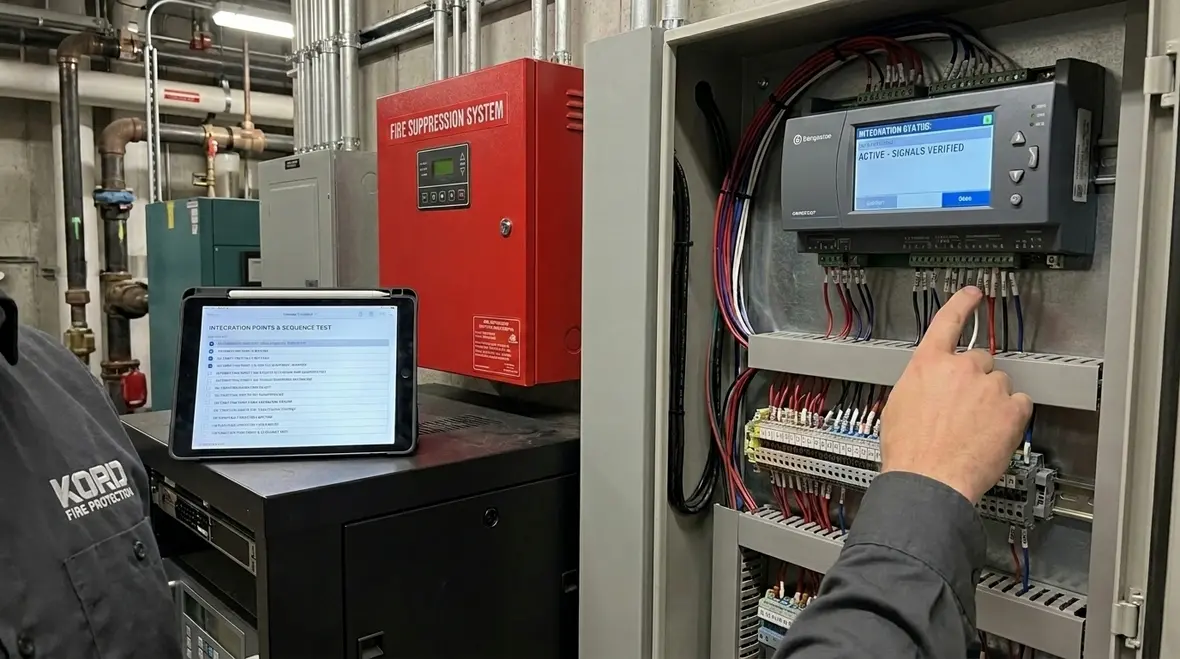
Commissioning turns theory into a dependable system. Teams should test end to end behavior, meaning signals move from the fire panel to the integration interface and then trigger the correct automation responses. They also should verify that the suppression system actions occur correctly and that the building automation logs show the expected event chain.
To keep industrial fire suppression integration reliable, testing often includes normal state verification, alarm simulation, supervisory trouble simulation, and recovery testing. Recovery testing matters because real buildings do not stay in perfect conditions. Sensors get dirty, panels get power cycles, and networks get updated. A solid integration handles these events with stable logic.
During acceptance testing, Kord Fire Protection technicians recommend checking operator display pages, alarm summaries, and annunciation paths. If a control room cannot see the system status clearly, the best integration plan becomes a fancy binder. Nobody wants that.
This is also the stage where teams discover whether their documentation is truly useful or merely decorative. Good commissioning scripts track each expected input, output, delay, confirmation, and restoration step. Great scripts do that while being readable by the next technician who did not attend the original coordination meetings. That future person will thank you, probably not out loud, but definitely in spirit.

Maintenance, change management, and cybersecurity reality
After installation, the work continues. Maintenance teams should treat integrated systems as a single safety workflow. They should review event logs, test key signal points on schedule, and confirm that firmware updates do not break compatibility. Change management is crucial. If someone changes a zone mapping, renames a point, or updates a controller, the integration logic should still match the suppression system reality.
Cybersecurity also matters, even for safety systems. Teams should limit access, segment networks, and monitor traffic. They should also ensure that the fire system remains protected from unnecessary remote changes. This keeps the system safe from tampering and from well meaning IT teams who just want to “improve performance.” Better performance is great, but not if it makes alarms less reliable.
In a building, trust should not come from hope. It should come from repeatable checks and clean documentation, which is exactly what Kord Fire Protection technicians push for.
Long term reliability depends on disciplined updates
Many integration problems do not begin with the original installation. They show up later, after a software revision, a controller replacement, or a rushed field change that seemed harmless at the time. That is why maintenance teams should keep revision histories, approved point lists, and post update verification steps. If a building has several life safety systems at different ages, coordinated reviews become even more valuable.
A useful reference for owners thinking beyond startup is Kord Fire Protection’s article on the full lifecycle of fire protection servicing, which reinforces how documentation, testing, maintenance, and replacement planning all fit together over time.
Dual column best practices for smoother integration
Do
- Use consistent point labels and a shared signal list
- Verify event timing and confirm feedback paths
- Test alarm, supervision, and recovery scenarios
- Preserve fail safe behavior for network loss
- Document control sequences for commissioning and staff use
Avoid
- Assuming automation can replace fire system logic
- Using unclear signals like “input 17” without context
- Skipping supervisory testing and trouble workflows
- Allowing unsupervised point changes during updates
- Leaving integration logic undocumented for later teams
FAQ: Fire suppression integration with building automation
Putting it all together: the smart next step
Integrating fire suppression with building automation systems creates a safer, more coordinated response when teams plan points, sequence events, and prove behavior through real testing. Kord Fire Protection technicians recommend starting with a clear signal map, then commissioning end to end and maintaining strict change control. If a facility already has partial integration, the fastest path is an assessment, followed by targeted upgrades to align feedback, supervision, and fail safe logic.
For facilities that need hands on support, explore Kord Fire Protection’s fire suppression services or request help through their full fire protection services page for a practical integration review and testing plan that fits the building.

Join Our Newsletter!
Get the latest fire safety tips delivered straight to your inbox From our Newsletter.