Best Known Kitchen Fire Suppression Brands and Support
When business owners think about the best known kitchen fire suppression system brands, they usually picture stainless steel, fast response, and a system that never takes the night off. And that is the right mindset. In the real world, brands like Kidde, Ansul, Hochiki, Badger, and Pyro-Chem show up again and again because chefs, inspectors, and insurance reps all care about the same thing: stopping a fire before it becomes a headline.
However, the brand list is only half the story. Next, the most important job becomes the one people forget to brag about. That job is planning, install quality, inspection readiness, and dependable support. If there is one company that can turn that support into an advantage, Kord Fire Protection can step in as a vital partner that keeps the system ready when it matters most. Because fires do not RSVP.
Why kitchen suppression brands still matter to real businesses
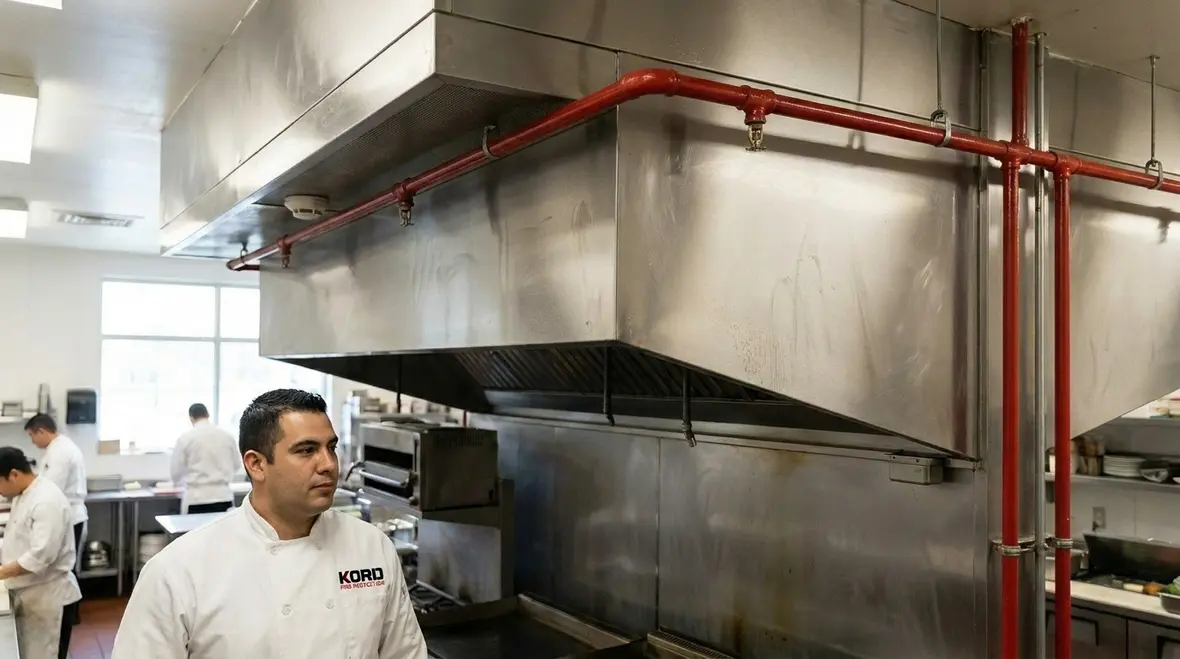
Kitchen fire suppression systems live in a tough environment: heat, grease, steam, and constant use. Therefore, not every brand performs the same over time, even if the brochure says commercial ready. In practice, the best known brands win trust because they deliver three things: clean trigger response, compatible extinguishing agents, and documentation that makes inspections less painful.
Also, kitchens do not operate like labs. The hood runs all day, cooks never stop, and maintenance gets squeezed between service calls and delivery windows. So when a brand uses proven design standards and widely supported parts, repairs do not take weeks. Meanwhile, a lesser-known product can turn quick fixes into long waits, and that is the kind of delay that costs money faster than a flat fryer can cook bacon.
That is also why operators often look beyond the metal canister and the nozzle line. They want to know whether the system can be serviced without drama, whether technicians are familiar with it, and whether records are easy to produce when an inspection date rolls around. Kord Fire Protection has covered this service-first reality in its restaurant hood fire suppression inspection checklist guide, where practical upkeep matters just as much as the hardware itself.
Top kitchen system brands and what they typically do best
Below is a practical view of how well-known kitchen kitchen fire suppression brands often position themselves, and where they tend to shine. This is not about hype. It is about how kitchens behave.
- Ansul: Often chosen for robust wet chemical systems that integrate cleanly with hood and duct components. Many operators value the overall familiarity in the field.
- Kidde: Common in commercial fire protection and frequently supported by a large service network. That matters when schedules are tight and uptime matters more than wishful thinking.
- Hochiki: Often tied to detection and alarm ecosystems. Some kitchens benefit when suppression and alerting get handled in a single coordinated plan.
- Badger: Known in parts of the industry for suppression solutions and for being a recognizable option during planning and budgeting.
- Pyro-Chem: Often considered where owners want a clear, established approach to wet chemical suppression and service support. Kord Fire Protection recently highlighted that system fit, hood geometry, and appliance rating matter just as much as the logo on the tank in its Pyro-Chem fire suppression systems for commercial kitchens article.
Next, the bigger point: the brand you pick should match your kitchen layout, cooking equipment, and code requirements. In other words, the best brand on paper can still underperform if the system design does not fit the hood coverage or duct geometry.
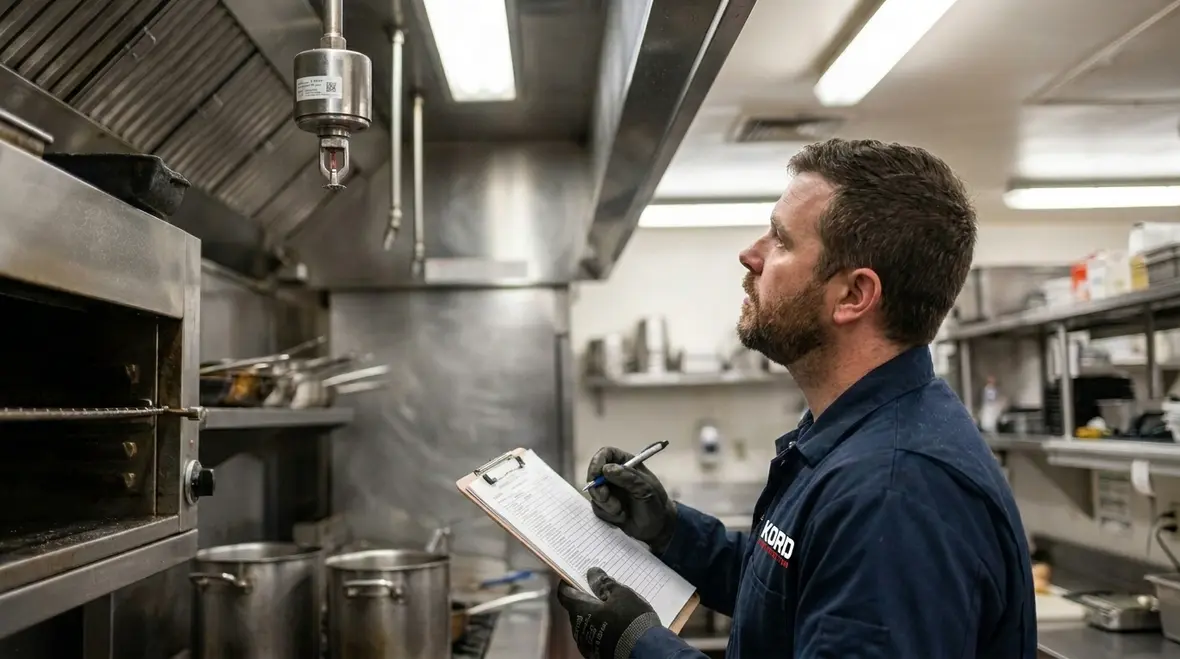
How a system design protects grease, not just flames
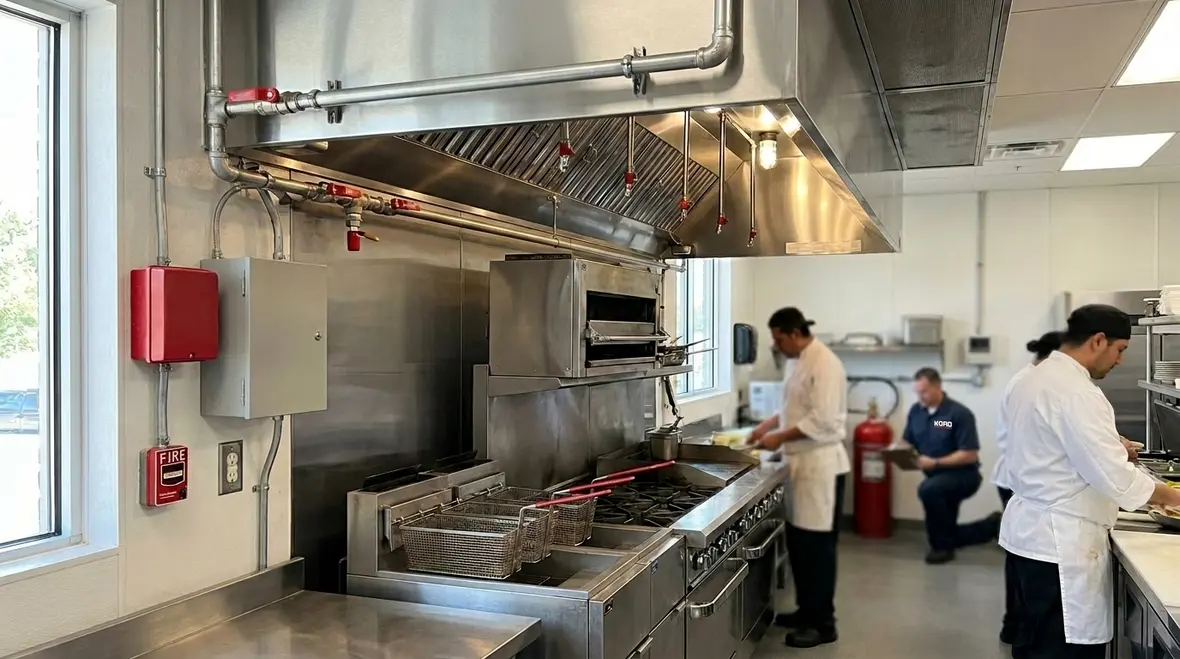
Most people picture a direct blast of suppression agent. Yet the real job is more subtle. Kitchen fires often start when grease heats up and ignites, then spreads upward and across surfaces inside the hood system. Therefore, the system must do three things well: detect the right heat and conditions, discharge in the right pattern, and protect key surfaces long enough for the fire to go out completely.
Good designs also consider where the hood captures airflow and where the exhaust duct carries heat. If the detection placement misses hotspots, the system may trigger late. If the discharge distribution does not cover the right areas, the fire can find an escape route. And if the system does not reset and clean properly, the kitchen can spend more time waiting for service than serving guests.
So while the brand name matters, engineering details matter even more. A professional review of coverage, nozzle placement, and agent volume can prevent expensive surprises later. Imagine installing a good system and then discovering it was built for a different kitchen. That is like buying the right tire for the wrong car and then acting shocked when it does not fit.
Owners who want the broader picture can also compare design expectations with Kord Fire Protection’s commercial kitchen fire suppression systems explained article and its companion look at what kitchen fire suppression covers and does not cover. Together, those reads make one point very clear: protection is about targeted coverage, not wishful thinking wearing a stainless-steel costume.
What good coverage usually accounts for
- Cooking surfaces with the highest grease-fire potential
- Plenum and hood interior areas where heat and vapor collect
- Duct entry points where fire likes to travel upward
- Appliance changes that can throw off original nozzle alignment
- Manual pull access and automatic shutoff coordination
Inspections and compliance: where brands meet the real world
Owners often think inspections only happen after the system is installed. In truth, inspections start during planning. Many jurisdictions and insurance requirements expect clear documentation, part traceability, and a schedule for inspection and maintenance. As a result, a brand that supports service documentation, compatible components, and standard procedures can reduce friction later.
During ongoing service, technicians check key items like discharge nozzles, detection components, and the condition of the agent. They also verify that any linked alarm devices function as designed. If technicians find grease buildup or damaged components, they correct them before the system becomes a someday problem. And someday problems love to show up during peak hours. Kitchens have no patience for that.
Kord Fire Protection’s UL 300 restaurant hood fire suppression guide and commercial kitchen fire suppression electrical interlocks overview help reinforce why inspections are not just a clipboard ritual. They are the moment where nozzle condition, shutoffs, alarms, and actual code expectations all have to agree with each other. If one piece goes rogue, the rest of the system gets dragged into the mess.
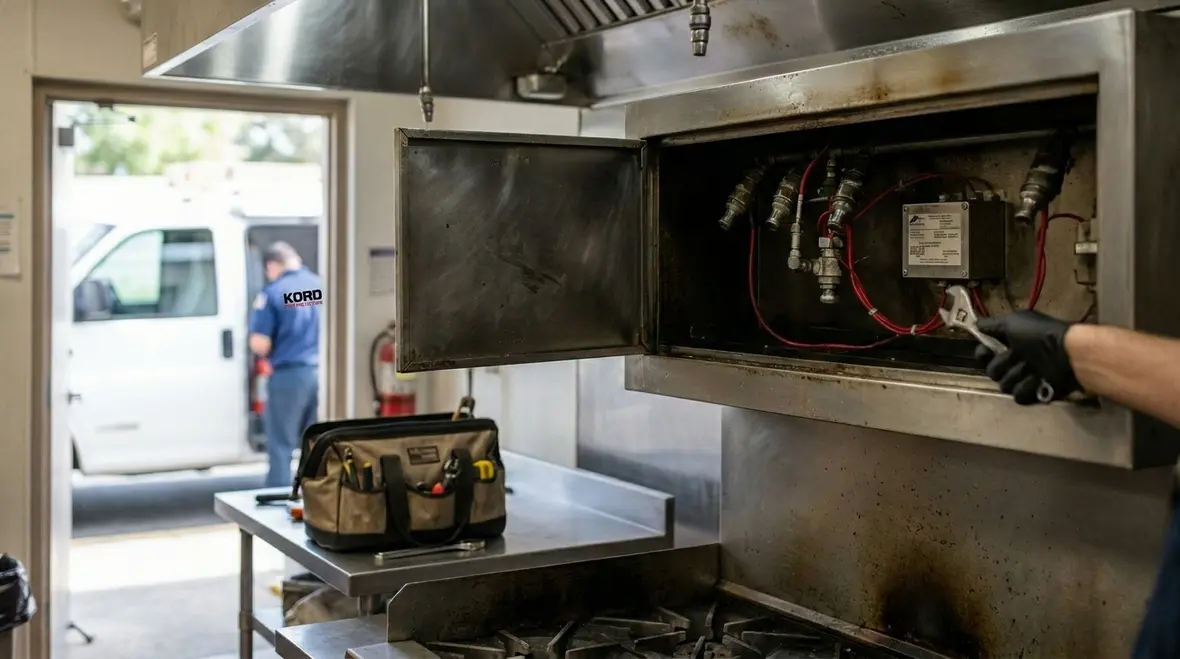
Why Kord Fire Protection can be the partner that keeps uptime steady
Even with top kitchen fire suppression brands, systems still need maintenance, verification, and fast response. This is where Kord Fire Protection can become a vital partner with the service and job. They help businesses move from reactive fixes to planned, documented care.
For operators, the benefit is simple: the system stays service ready. Kord can support the full lifecycle, including inspection support, part availability coordination, and service processes that help meet compliance expectations. Instead of guessing whether the system still performs like it did on day one, the business gets clarity grounded in service results.
Also, when the team handling suppression knows the equipment and the requirements, it reduces downtime during repairs. That means fewer delays when a component reaches end of life, and fewer interruptions when the schedule gets busy. In short, Kord Fire Protection can keep the system from becoming installed and forgotten, which is the fire safety equivalent of leaving a candle near a curtain and calling it decor.
Service planning with a dual view: cost, risk, and downtime
Some operators want the lowest upfront price. Others want the strongest coverage. Both goals matter, but they should be aligned. To help visualize the tradeoffs, here is a dual-column view that businesses typically weigh during planning.
What to evaluate
- System coverage for hood and duct geometry
- Agent type and discharge performance
- Parts availability for quick repairs
- Documentation for inspections
- Service lead times for uptime protection
What it affects
- Response effectiveness in a grease fire
- Compliance readiness and inspection outcomes
- Repair speed when parts wear out
- Kitchen downtime after testing or repairs
- Owner confidence during busy service
That side-by-side view may look simple, but it captures the practical difference between buying equipment and building a reliable protection plan. A brand can be famous. A tank can be shiny. A brochure can practically sparkle. None of that helps much if a repair part goes missing, the nozzle pattern is off, or the paperwork looks like it was assembled during a lunch rush.
FAQ: kitchen fire suppression systems and brand choices
Final call: choose brands, then choose support that sticks
Selecting from the best known kitchen fire suppression system brands is an important first step. Yet the long-term safety and uptime outcome depends on design fit, documentation, and steady service. Therefore, businesses should pair strong equipment with real support they can count on. Kord Fire Protection helps ensure your system stays inspection ready and responsive when the kitchen runs hot.
If the goal is peace of mind, not weekend surprises, reach out through Kord Fire Protection’s fire suppression services page and build a plan that lasts. For operators comparing system behavior in real kitchens, the guide to kitchen suppression systems for equipment and grease fires is also a strong next step before scheduling service.


Join Our Newsletter!
Get the latest fire safety tips delivered straight to your inbox From our Newsletter.