
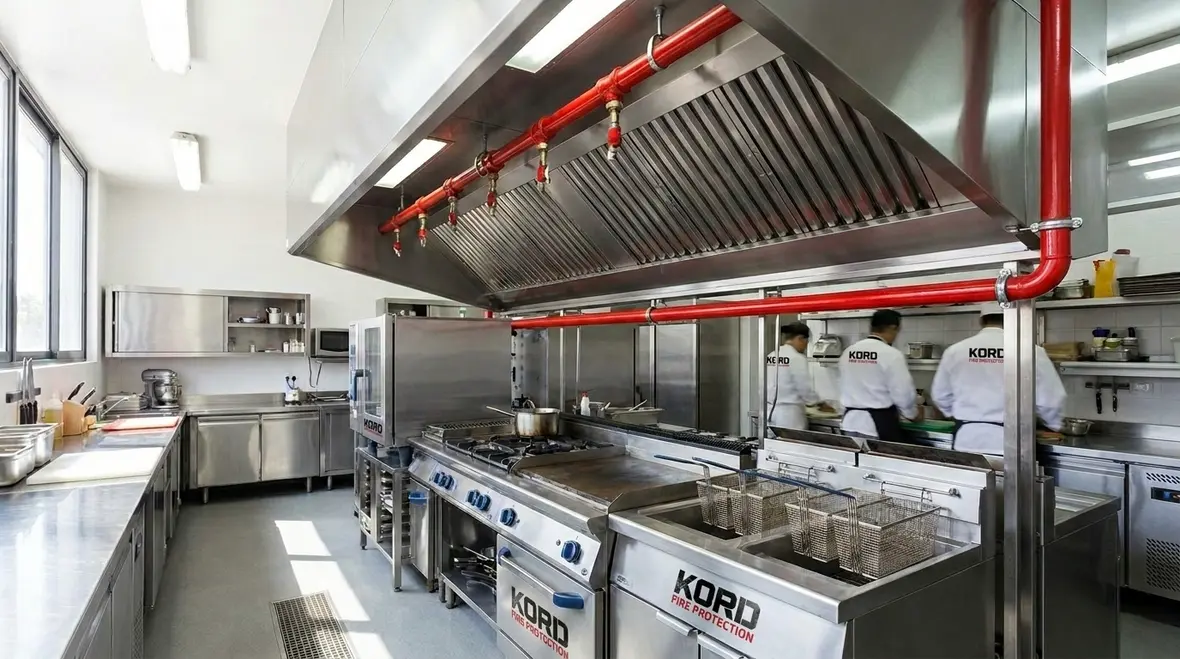
Range Guard vs ANSUL Kitchen Fire Protection
Range Guard vs ANSUL: Choosing the right kitchen fire protection
When a kitchen fire starts, seconds matter. In many food service and commercial cooking spaces, the decision becomes Range Guard vs ANSUL kitchen fire suppression systems, because the right setup can mean the difference between a quick knockdown and a full-blown incident report. Range Guard systems often appeal to teams that want fast, dependable protection for cooking appliances, while ANSUL is well known for robust suppression in grease hazard environments. However, the best choice depends on hazard level, hood design, cooking equipment layout, and maintenance habits. And yes, like any good safety plan, it should come with people who show up, test properly, and document everything. That is where Kord Fire Protection can become a vital partner.

What problem kitchen systems really solve
Kitchen fires usually do not begin as flames. They begin as grease vapor, heat buildup, and small flare ups that grow quietly. Then a hood system, exhaust fan, and cooking surface form the perfect highway for fire to travel. Therefore, a kitchen fire protection system must do more than spray chemicals. It must integrate with the hood, activate reliably, and reduce the chance of reignition.
In addition, a proper plan helps teams comply with local codes and follow insurance expectations. Many facilities underestimate how often suppression equipment becomes part of routine maintenance conversations. Consequently, the system must support real-world operations, not just sit there looking “ready” like a fire extinguisher in a movie that nobody checks until the plot demands it.
Why hood and duct coverage matters
A kitchen line is not just a row of appliances. It is a connected hazard path. Once grease accumulates in hood plenums or ductwork, fire can move beyond the appliance that started it. That is why system design has to think bigger than the burner surface. It should address how heat rises, where grease collects, and how a flare up can become a much larger problem in a hurry.
For teams wanting a broader foundation on how these systems protect cooklines, hoods, and ducts together, Kord Fire Protection also covers the bigger picture in its commercial kitchen fire suppression systems guide and its breakdown of what kitchen fire suppression covers and does not cover.
Range Guard: how it typically operates
Range Guard focuses on protecting specific cooking hazards with a method designed for rapid response. Generally, it uses sensors that detect heat and trigger the release of suppression agent. Once activated, it works to limit fire spread by interrupting the fire’s ability to sustain itself in the grease-laden area.
Next, these systems often pair with hood and duct coverage requirements, because the goal includes protecting the area where grease collects. In practice, the installation must match the cooking equipment the facility operates, not just the name on the paperwork. If the system design does not reflect the actual cooking configuration, the protection can underperform.
Also, facilities that choose Range Guard usually value straightforward operation and predictable activation. Yet predictability only holds if the system gets inspected, cleaned as needed, and serviced on schedule. Otherwise, it becomes the safety version of skipping oil changes. It still moves, but it should not be trusted.
Where Range Guard can make practical sense
In kitchens where operators want dependable appliance-focused coverage and a setup that aligns cleanly with the existing hood arrangement, Range Guard can be a practical fit. The key is not the label on the tank. The key is whether the engineered layout actually reflects fryers, griddles, broilers, charbroilers, and any oddball equipment additions that happened after the original install because somebody said, “We can just squeeze this in.” Those words rarely improve fire protection.
Facilities comparing options should also think about who will service the system over time, how often equipment changes, and whether the kitchen runs light, moderate, or high grease volume. A system that looks great on a proposal can still become a headache if it does not match real operating conditions.
ANSUL: the strengths behind a proven standard
ANSUL kitchen fire suppression systems have a long reputation in commercial environments, especially for grease fire hazards. They typically include a network of detection and actuation components and then deploy suppression agent through designed nozzles and distribution paths.
Because grease fires can escalate quickly, ANSUL systems are often selected for their ability to cover hazards associated with cooking appliances, ducts, and hood spaces. In many installations, the design accounts for how grease flows and accumulates. That matters, because a hood is not a decorative box. It is part of the fire risk system.
Furthermore, ANSUL setups frequently include options that support local requirements and facility needs. Even so, the best performance comes from correct installation, clear signage, and strong service intervals. In other words, the brand matters, but execution matters more.
Why UL 300 conversations keep coming up
When operators compare ANSUL and Range Guard, the discussion often overlaps with UL 300 compliance, hood suppression design, and how modern wet chemical systems handle real cooking hazards. Kord Fire Protection has useful companion reading on UL 300 restaurant hood fire suppression and UL 300 and restaurant hood suppression systems for teams that want to connect brand selection with actual code-minded system performance.
Range Guard vs ANSUL: performance factors that decide the winner
Choosing between Range Guard vs ANSUL kitchen fire suppression systems usually comes down to several practical factors. Therefore, a facility should evaluate each item rather than relying on brand recognition alone.
- Hazard design and coverage: The system needs to protect the hood space and cooking hazard areas based on actual equipment layout.
- Detection strategy: Heat and detection placement must match the cooking processes and typical temperature patterns.
- Agent distribution: Nozzle locations and coverage paths should align with hood and duct geometry.
- Activation and shutdown integration: Many kitchens need coordinated steps to reduce oxygen and shut down equipment.
- Service and documentation: Inspections and maintenance records often influence insurance and compliance outcomes.
In addition, different kitchens create different challenges. A high-volume line with frequent fryer use can stress equipment differently than a lighter menu. Consequently, the “right” system becomes the one that fits the facility’s risk profile and service capabilities. Think of it like choosing shoes. You can buy fancy ones, but if they do not fit the terrain, you will still end up limping.
Finally, the team that maintains the system becomes just as important as the original purchase. If maintenance is inconsistent, any brand can fall short.
Do not ignore shutdowns and interlocks
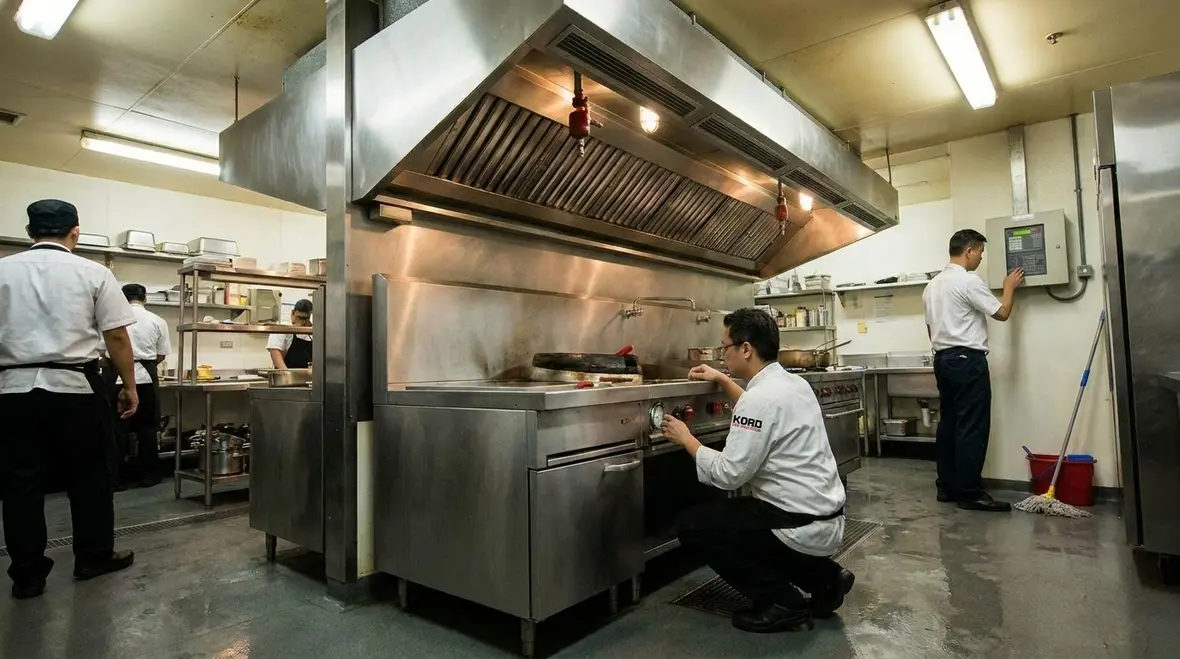
One of the most overlooked parts of performance is what happens the moment a system activates. Many kitchens need coordinated fan, fuel, and equipment responses so the fire does not keep feeding itself. That is why shutdown logic matters nearly as much as agent discharge. Kord Fire Protection also explains this side of the equation in its article on commercial kitchen fire suppression electrical interlocks, which is worth reviewing if your cookline depends on multiple connected systems behaving correctly under pressure.
Where Kord Fire Protection fits as a vital partner
Even a strong system cannot perform well if it is neglected. Kord Fire Protection can act as a vital partner by supporting the full lifecycle of kitchen fire suppression, from start to finish. That means more than swapping parts after a problem. It means helping facilities plan for inspection readiness, scheduling, and ongoing performance.
First, Kord Fire Protection can help confirm that the system design matches the actual hood and cooking configuration. Then, it can guide teams through inspection steps so results stay consistent from visit to visit. When technicians document findings clearly, managers can make decisions confidently instead of guessing with a clipboard full of mystery notes.
Next, Kord Fire Protection can coordinate routine service intervals, so suppression equipment stays ready and reliable. And when changes happen, such as new equipment, hood modifications, or menu shifts, Kord Fire Protection can support updates that reduce risk.
Because kitchen environments get messy, service quality matters. Grease, heat cycles, and airflow changes can affect components over time. Therefore, regular attention protects not only the hardware, but also the people who count on it every day.
Maintenance, inspections, and real-world readiness
A kitchen suppression system is not a set-it-and-forget-it product. It requires ongoing maintenance to ensure that detection works, release components function properly, and distribution paths remain clear. Additionally, inspectors often expect clean documentation and evidence of timely service.
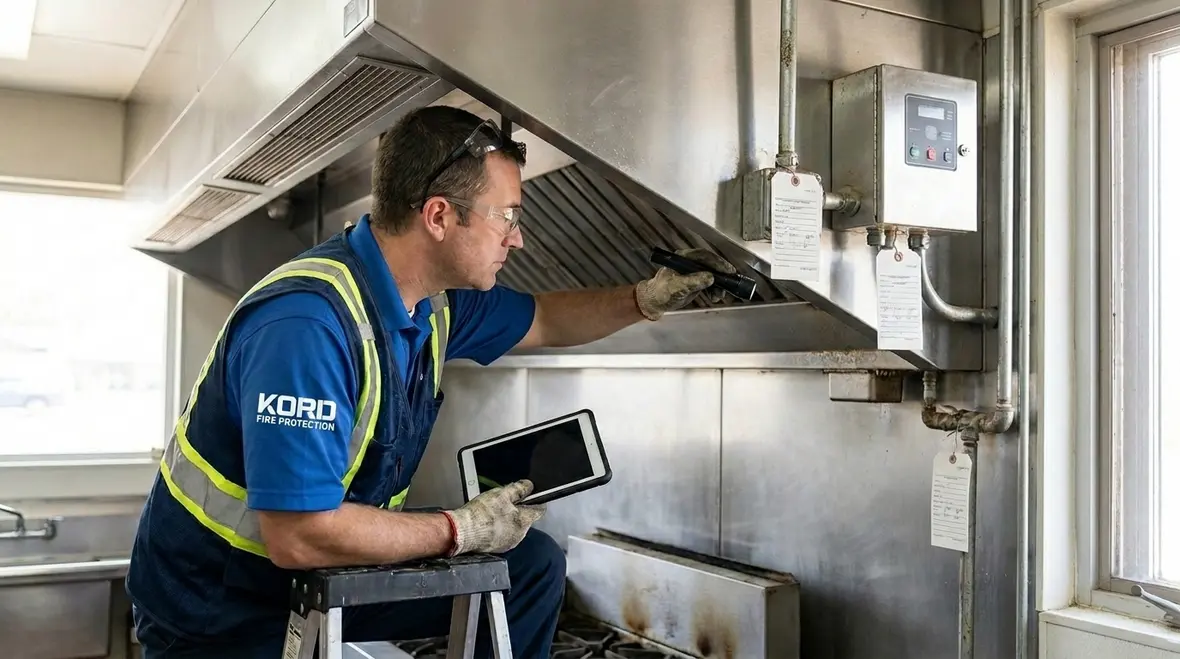
During maintenance, technicians typically look at detection components, check for obstructions, verify distribution and readiness, and confirm that the control and actuation features respond as designed. If anything does not meet requirements, repairs or adjustments should happen before the next busy weekend, because that is when things tend to happen, like a surprise cameo in a sitcom.
Also, teams should train staff on what to do after discharge, how to notify leadership, and how to avoid unsafe restart decisions. A good plan reduces confusion, helps production recover faster, and keeps safety procedures intact.
Ultimately, readiness is a business advantage. Less downtime, fewer compliance surprises, and safer operations mean fewer costly interruptions. For a more maintenance-focused resource, Kord Fire Protection also offers a helpful restaurant hood fire suppression inspection checklist guide that pairs well with any system comparison discussion.
FAQ: Range Guard vs ANSUL kitchen suppression systems
Final thoughts and next step with Kord Fire Protection
Range Guard vs ANSUL kitchen fire suppression systems can both protect well when the design, installation, and maintenance are done right. The real difference shows up in coverage fit, inspection discipline, and how quickly your team can restore safe operations after any event. Kord Fire Protection helps facilities move beyond guessing and into documented readiness.
If a kitchen upgrade, inspection cycle, or service plan is coming due, explore Kord Fire Protection fire suppression services for a clear next step. It is a strong place to start for restaurant and kitchen suppression support, especially when you need a partner who can help assess the system, document readiness, and keep protection aligned with the way the kitchen actually runs.

Join Our Newsletter!
Get the latest fire safety tips delivered straight to your inbox From our Newsletter.



