
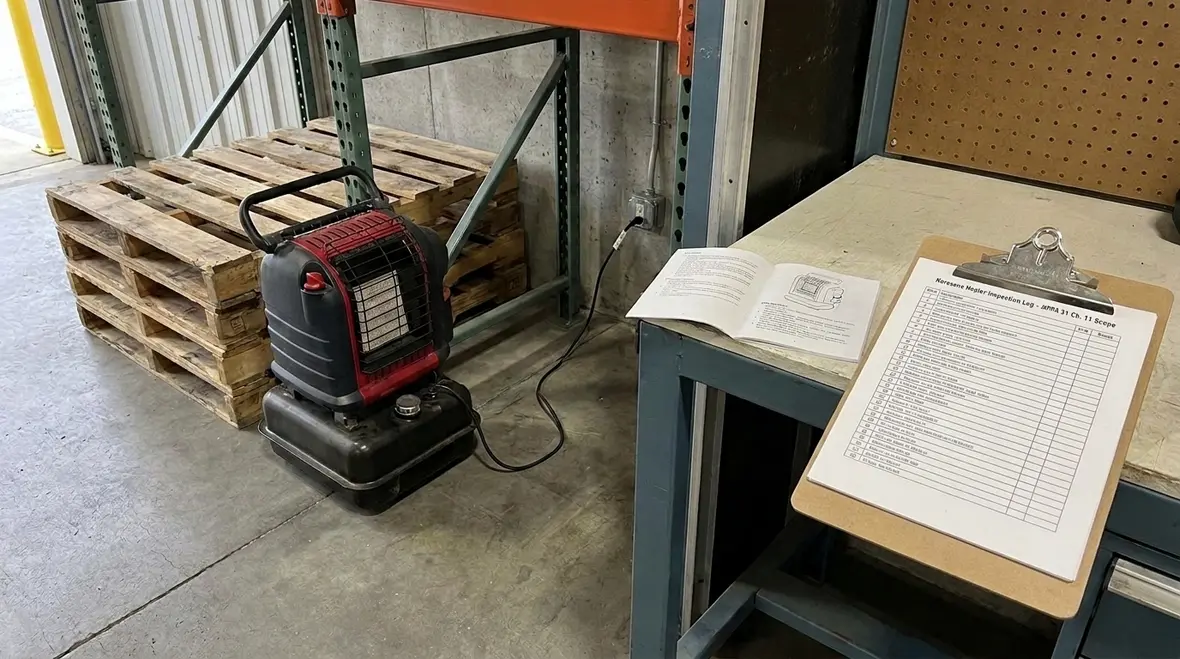
NFPA 31 Section 11.1: Scope of the Stove and Kerosene Heater Chapter
Quick Answer
NFPA 31 Section 11.1 defines which stove and kerosene heater installations fall under Chapter 11, clarifying the equipment types and boundaries covered by the requirements. This scope framing helps facilities apply the correct installation, inspection, and maintenance rules without missing critical operating controls.
If your team is reviewing related compliance work across a site, Kord Fire Protection’s fire protection services in Southern California can help connect inspection planning, documentation, repairs, and field verification before scope mistakes turn into expensive rework.
Why “scope” matters before design decisions get locked in
Commercial facilities often treat “fuel burning equipment compliance” as a single checklist item. NFPA 31 Section 11.1 prevents that assumption by establishing the NFPA 31 chapter 11 stoves kerosene heaters scope, meaning the chapter does not automatically govern every oil fueled appliance on site. When the scope line gets missed, facilities can install a heater that looks similar on the floorplan but falls under a different code path, resulting in approval delays or retrofit costs.
From a practical compliance standpoint, the scope section also drives how technicians approach inspection and documentation. If the equipment qualifies under Chapter 11, the operating controls, installation interfaces, and routine maintenance expectations align with that chapter’s intent. If it does not qualify, the facility must use the correct chapter and acceptance criteria.
What NFPA 31 Section 11.1 typically covers in practice
NFPA 31 Section 11.1 establishes the coverage boundary for the chapter addressing stoves and kerosene heaters. In real commercial settings, scope determination usually turns on three questions: the appliance type, the fuel source, and how the unit is used and installed.
Appliance type: stove versus heater classification
Facilities often purchase portable or semi portable units for temporary heat. The scope under Chapter 11 generally targets stove and kerosene heater categories, but the exact appliance classification influences which installation safeguards apply. A unit marketed as “space heater” can still have features, burners, or fuel control systems that affect how it is treated.
Compliance teams should capture appliance nameplate data and installation instructions at commissioning, then verify the unit matches the Chapter 11 classification before it enters operational status. This prevents the common failure point where maintenance staff later assume it is covered by a procedure that belongs to a different appliance category.
Fuel source: kerosene driven operation assumptions
Chapter 11 scope focuses on kerosene heater operation. Fuel type matters because combustion characteristics drive venting or exhaust interface expectations, clearance implications, and maintenance frequency. If the facility uses kerosene in one season and switches fuel for another process, the compliance documentation should reflect the actual fuel burned. Scope is not a paper exercise; it directly affects safe operation.
Installation boundary: where the chapter applies and where it does not
Commercial buildings frequently include loading docks, warehouses, retail storage rooms, and back of house areas that share ventilation constraints and traffic patterns. Scope determines whether the appliance must follow Chapter 11 installation interfaces and inspections that reduce risks such as improper combustion air, inadequate separation from combustibles, or compromised operational controls.
In practice, scope also affects how facilities conduct pre start checks. Technicians should confirm the unit’s intended location and operating mode match what NFPA 31 Chapter 11 expects before routine use begins.
Common commercial compliance challenges tied to scope misunderstandings
Even when facilities “follow NFPA 31,” scope errors frequently show up during operational inspections, audits, or insurer reviews. These issues often involve documentation gaps and maintenance drift.
1) Misclassification during procurement and receiving
Purchasing staff and site supervisors may select units based on output and footprint, then defer code evaluation. When Section 11.1 scope is not verified, the facility can end up with equipment that appears kerosene compatible but requires different code treatment. This can lead to rework such as revised clearances, updated control wiring, or different fire protection acceptance testing.
2) Maintenance procedures that do not match the chapter requirements
Technicians often follow a generic PM template that was created for another appliance or a previous project. If the PM does not align with the stove and kerosene heater scope boundaries, routine tasks can be missed. Examples include burner cleanliness checks, proper control function tests, and inspection of components that affect combustion stability.
3) Venting, combustion air, and exhaust interface assumptions
Facilities sometimes treat all heating units the same regarding exhaust and combustion air arrangements. Scope determines the correct approach to how the appliance operates in the room environment and how combustion byproducts are managed. A misapplied procedure can result in a unit operating outside its safe design intent.
4) “Like for like” replacements without code revalidation
A replacement unit can look identical, but internal burner controls and safety features may differ. Scope and installation requirements can still be met, but the only way to confirm is to verify the new appliance against the same scope basis and install it accordingly. Revalidation reduces the risk of repeat failures after replacement cycles.
Operational and inspection expectations once the equipment is in scope
When NFPA 31 Section 11.1 qualifies the stove or kerosene heater under Chapter 11, operational compliance becomes a system of checks, not a one time installation event. Commercial facilities should treat these units like controlled combustion appliances with documented assurance.
Commissioning documentation and acceptance checks
During acceptance, facilities should capture appliance model and serial numbers, installation location details, and the specific operating setup used. Verification should include that required safeguards, clearances, and control functions match the installation intent.
A practical best practice is to maintain a single “heat device file” per unit that includes inspection reports, service history, and the operating and maintenance instructions used by staff. This reduces ambiguity later and supports faster audits.
Routine inspection and maintenance that prevents recurring failures
Recurring failures on oil burning equipment usually stem from three categories: contamination, control drift, and improper environmental conditions. Within a compliant Chapter 11 scope approach, inspection plans should address the items that influence reliable ignition, stable combustion, and safe shutoff behavior.
Facilities should ensure PM intervals reflect actual usage patterns. Units used in heavy seasonal demand typically require more frequent checks than lightly used units. Kord Fire Protection supports commercial owners with structured maintenance guidance and compliance focused inspections that help avoid “out of sight, out of compliance” drift.
Common failure points technicians should watch for
- Incorrect or contaminated fuel handling practices that can impact burner performance.
- Reduced combustion efficiency from soot, deposits, or degraded components.
- Control function inconsistencies such as delayed ignition or improper shutoff behavior.
- Unauthorized changes to location or clearance due to storage rearrangements.
- Inadequate documentation updates after service or parts replacement.
How Kord Fire Protection supports Chapter 11 scope compliance
Correctly applying NFPA 31 chapter 11 stoves kerosene heaters scope is the start, not the finish. Commercial facilities need ongoing verification that installations and operating practices remain aligned over time. Kord Fire Protection partners with commercial, industrial, and retail sites to reduce compliance risk through practical field work and clear documentation.
For additional context on oil burning equipment installation, facilities can use this resource: NFPA 31 a practical guide to oil burning equipment installation. This complements the scope determination step by translating code intent into day to day installation and compliance actions.
Frequently Asked Questions
Call to action: confirm scope, then confirm the unit
Commercial facilities should verify NFPA 31 Section 11.1 scope before a stove or kerosene heater reaches service, then maintain that alignment through documented inspections and targeted maintenance. Kord Fire Protection can support scope validation, commissioning checklists, and ongoing field verification to help keep your site audit ready. Contact Kord Fire Protection to review your current equipment and maintenance program.

Join Our Newsletter!
Get the latest fire safety tips delivered straight to your inbox From our Newsletter.



