Pyro-Chem Fire Suppression Systems for Commercial Kitchens
Pyro-Chem Fire Suppression Systems in Commercial Kitchens
commercial kitchen fire suppression systems work like a calm, well trained firefighter crew that never leaves the building. These Pyro-Chem systems stand by over cooking equipment, then respond fast when cooking oils, fats, and vapors ignite. As soon as heat or flame triggers the system, it releases an extinguishing agent designed to stop the fire, not spread it.
And yes, while fires are the last thing anyone wants, people often treat suppression like a magic trick. It is not. It is engineered protection, planned piping, smart detection, and technicians who actually understand grease fires. In this article, Kord Fire Protection technicians explain how it works, where it gets used, what it does well, and what owners must maintain to keep it dependable.
Overview of how a Pyro-Chem system works
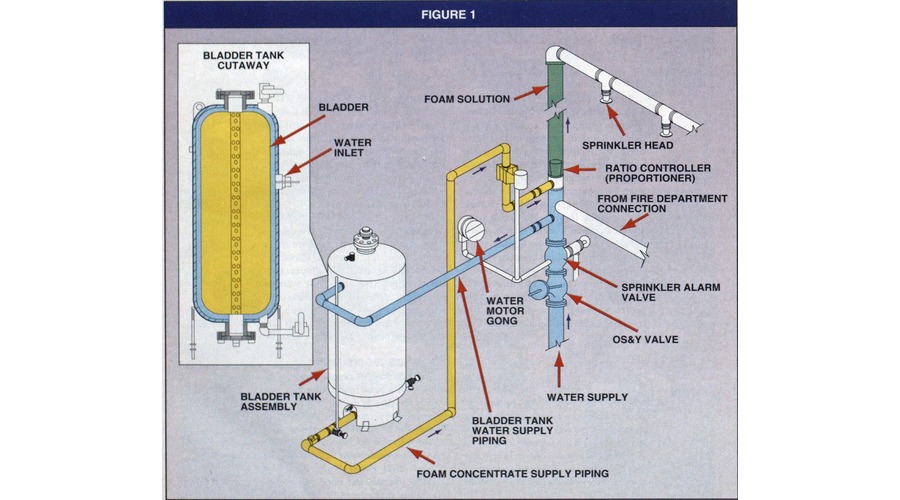
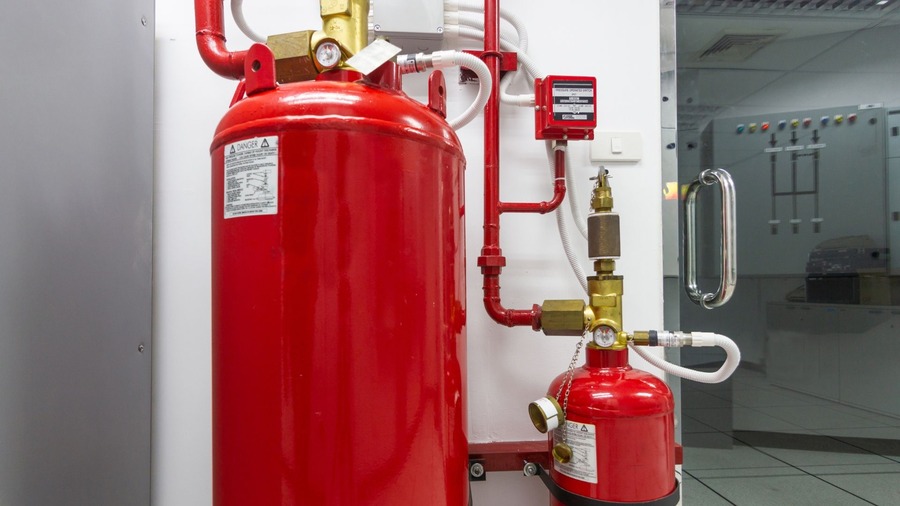
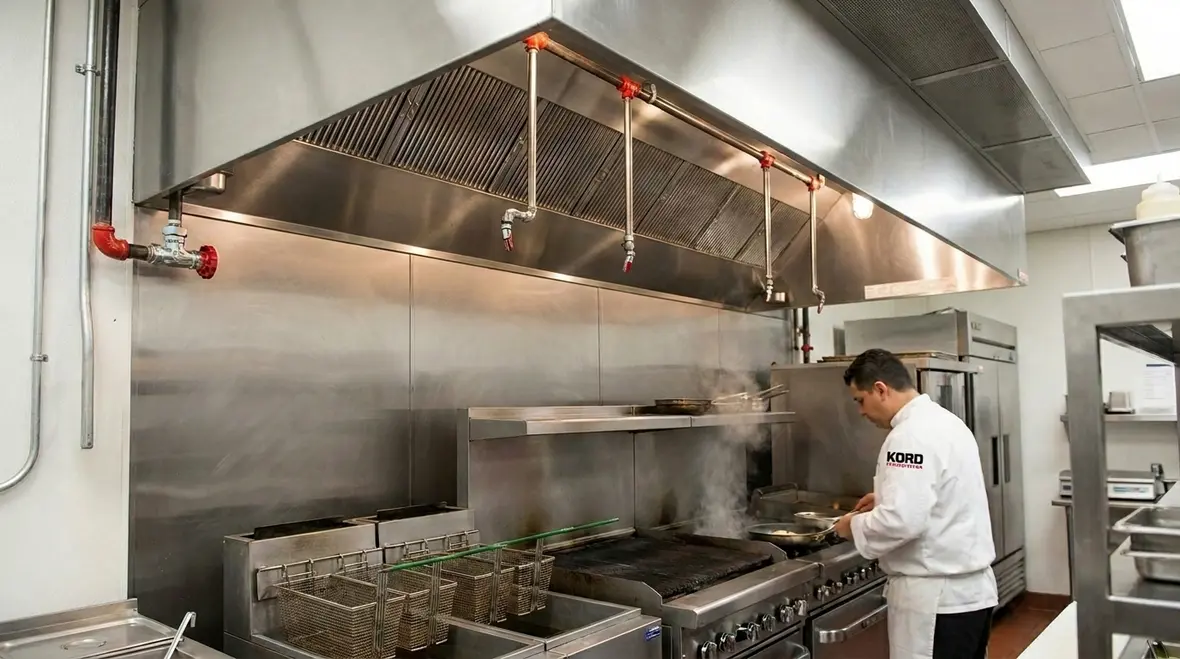
Pyro-Chem fire suppression relies on a tight chain of events. First, the system watches for fire conditions using fusible links, heat detection, and in many designs, specialized actuation components at the hood and duct area. Once conditions match the activation set point, the system releases agent through nozzles installed for the specific cooking layout.
Next, the agent targets the burning fuel source. In grease and vapor fires, the danger sits in the hood space and duct where heat rises quickly and flames can travel. Therefore, the system discharges into the hood and duct area to disrupt the fire chemistry, cool surfaces, and prevent re ignition.
Finally, the discharge creates a protective barrier so firefighters arrive to finish the job with less risk. Meanwhile, the cooking equipment shuts down in many facilities through linked controls, which reduces the chance of reignition. If the owner asks, Kord Fire Protection technicians typically emphasize one point: the system must match the hood, duct geometry, and cooking appliance rating. Otherwise, it is like using the wrong pan size, and then acting surprised when the sauce spills.
For a deeper, practical view, inspectors and designers account for airflow patterns, duct turns, and equipment spacing. Also, the piping layout affects distribution. That is why good installers follow the approved design and do not improvise on site. Transitioning from theory to reality is where people often make costly mistakes, so the right plan matters.

Real world use cases for kitchen suppression
In everyday kitchens, fires rarely start with “dramatic movie flames.” Instead, they start when cooking operations overload a hood system or when a crew forgets a routine cleaning step. Then, small flare ups can turn into a grease vapor event.
Pyro-Chem systems commonly get specified for these scenarios:
- High volume fry stations where oil temperatures run steady, and filters and duct surfaces still collect residue over time
- Broiler and char systems where radiant heat and grease laden vapors rise fast into the hood
- Grease producing banquet setups where equipment placement changes and the hood needs consistent coverage
- Fast casual and franchise kitchens that add appliances over time and need the suppression design updated
As an example, consider a restaurant that adds a second fryer six months after install. Even if the existing hood looks fine, the fire suppression coverage and detection zoning may not match the new heat load. Therefore, owners should treat changes like menu updates with a safety review, not like swapping an ingredient. And for anyone who thinks, “We are small, so we do not need much,” the kitchen does not care about the business size. Fire follows fuel and airflow, not marketing plans.
How pyro-chem suppression improves safety in ducts
Ducting is where the fire can move like an uninvited guest at a party. The hood collects heat and vapors, but if grease builds up on duct surfaces, ignition can leap away from the appliance. Pyro-Chem protects the system’s most vulnerable zones by discharging agent in a planned distribution path.
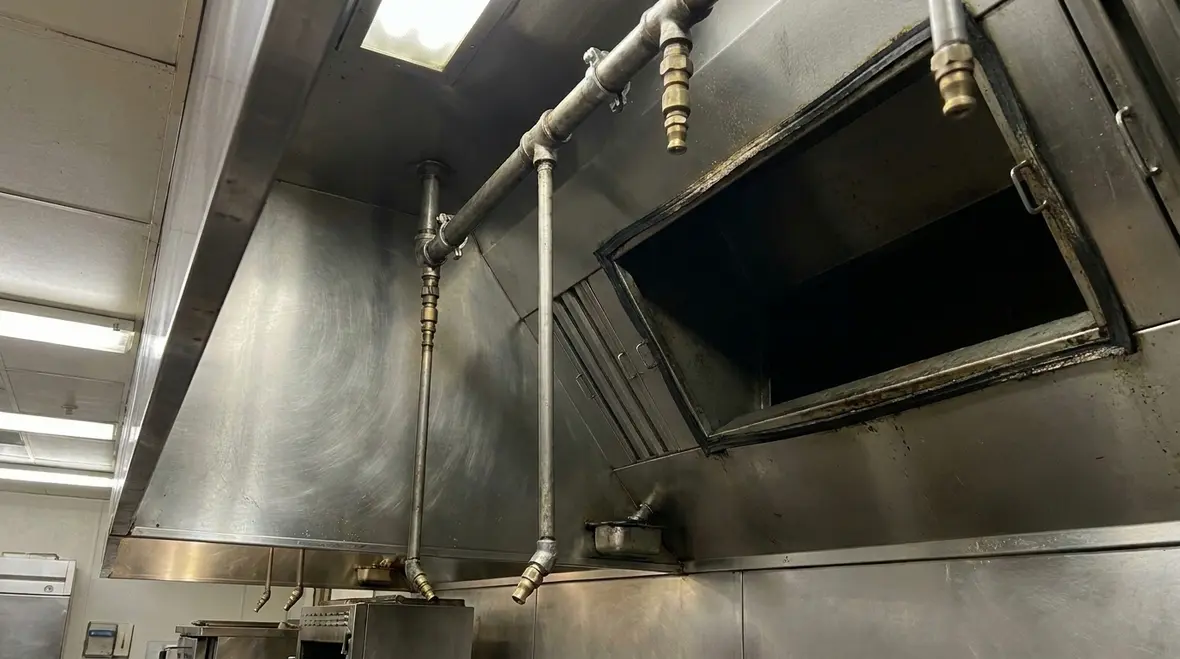
Because different facilities have different duct runs and hood designs, technicians model the system to achieve coverage at the discharge points. In practice, that means proper nozzle selection, correct piping diameter, and verified clearances so discharge reaches the intended area. Additionally, installers ensure the detection devices remain unobstructed by grease, filters, or poor hood maintenance.
Kord Fire Protection technicians often explain it this way: the goal is to stop the fire inside the grease pathway before it becomes a duct flash event. Once that pathway ignites, flames can intensify quickly, and the response time window shrinks. Consequently, a well designed and installed suppression layout buys precious seconds for safe response.
Strengths and tradeoffs of pyro-chem systems
Every suppression system brings clear strengths. However, business owners also deserve the full picture, not just the brochures. Here are the real benefits and the real limits.
Strengths
- Fast targeted discharge to reduce fire growth in the hood and duct space
- Designed for grease vapor environments where traditional water approaches can spread hazards
- Built for commercial layouts with engineered coverage that matches cooking equipment
- Helps protect ductwork which can otherwise become a chimney for flames
Weak points and cautions
- Requires correct design for the actual kitchen so changes to equipment may trigger updates
- Discharge events can disrupt operations and cleanup requires professional service
- Maintenance and inspections are not optional because valves, nozzles, and detection components need verification
There is also the human factor. People sometimes treat suppression like an “event button,” assuming it only activates during emergencies. In reality, systems may also undergo testing sequences, and owners must respect downtime schedules. In other words, the system works. The building manager still has to manage. Like a pop quiz, but safer and less frequent.

Ongoing maintenance needs and technician responsibilities
To keep commercial kitchen fire suppression systems ready, owners must plan maintenance like they plan payroll: it has to happen, and it has to happen on time. Routine inspections ensure detection components stay clean and functional, and that discharge paths remain unobstructed.
Ongoing needs typically include:
- Monthly checks for system status indicators and visible components, often paired with local requirements
- At the required intervals, inspections and service for nozzles, piping, agent containers, and actuator components
- Verification of automatic controls where linked shutdown features exist
- Thorough hood and duct cleaning because suppression supports safety, but it does not replace cleaning
- Recordkeeping for service reports that document performance and compliance
During service visits, Kord Fire Protection technicians commonly check for tampering risks, verify pressure readings where applicable, inspect wiring and detection components, and confirm the agent weight or status meets manufacturer specs. They also evaluate whether the hood filters, baffles, and duct surfaces stay within a safe maintenance condition.
Transitioning from maintenance to training is smart too. Staff should know what to do after discharge: evacuate, alert management, call emergency services if needed, and avoid reopening the kitchen area until the system is inspected and reset. Fire suppression helps, but it cannot replace clear procedures. Otherwise, it turns into a cleanup adventure with unnecessary drama.
Relevant NFPA standards and local code requirements
Code requirements vary by jurisdiction, but most commercial kitchens align with major guidance from national fire standards and enforced local amendments. In general, the following areas matter during planning and inspection:
- System design and installation follow the applicable NFPA standard for restaurant hood and extinguishing systems
- Inspection, testing, and maintenance follows NFPA requirements that specify frequencies and service methods
- Permitting and inspection occur with the local authority having jurisdiction, often fire marshals or building departments
- Occupancy and occupancy hazards influence how systems get evaluated
Because local codes can be stricter than minimum standards, owners should confirm the exact inspection schedules and documentation expected in their area. Kord Fire Protection technicians typically coordinate system documentation and help business owners stay aligned with the enforcement process. That way, the kitchen does not fail compliance due to paperwork gaps, which happens more than people like to admit.
Using kitchen suppression as a smarter safety strategy
Here is the real takeaway: owners should treat Pyro-Chem fire suppression systems as part of a full safety plan, not a standalone purchase. In addition to keeping the system inspected, they should standardize hood cleaning, train staff on grease fire response, and schedule equipment changes with a design review. Then, they should plan for business continuity, so a discharge event does not automatically become a long shutdown. After all, a suppression system is the “first responder,” but the operation needs its own playbook too.
And yes, even if the kitchen never has a fire, the maintenance and training still pay off. It is like owning a spare tire. You hope you never use it, but you do not gamble with the drive.
FAQ
Conclusion and call to action
Pyro-Chem kitchen suppression protects the hood and duct where grease fires spread fastest. Yet it only works at its best when the design matches the actual cooking layout, the staff knows the response steps, and the system gets maintained on schedule. If a remodel, new fryer, or menu expansion is on the horizon, it is the perfect time to confirm coverage and compliance. Contact Kord Fire Protection to review your kitchen layout, explain requirements, and schedule inspections so your protection stays ready.
Know Your Weapon Before You Fight the Flame
Kord Fire Protection is your go-to when it comes to all things fire protection. For over 20 years, we’ve been serving Southern California with the quality service and equipment to keep your home or business safe at all times. Our competitive prices reflect our unwavering commitment to protecting what matters most in the event of a fire emergency. Give us a call, send an email, or use that form!

Join Our Newsletter!
Get the latest fire safety tips delivered straight to your inbox From our Newsletter.