Kitchen Fire Suppression: What It Covers and Does Not Cover
In a busy commercial kitchen, heat is constant, pressure runs high, and timing is everything. Amid the sizzle of grills and the roar of fryers, one silent guardian stands ready: kitchen fire suppression. It does not wear a cape. It does not ask for applause. Yet when flames leap higher than they should, it acts in seconds. And as Kord Fire Protection technicians often explain, understanding what these systems cover and what they do not is just as important as having them installed in the first place.
After all, a suppression system is not a magical force field from a superhero film. It has a job, a defined purpose, and clear limits. Therefore, restaurant owners, facility managers, and chefs benefit from knowing exactly where protection begins and where responsibility still rests on human shoulders.
Kitchen Fire Suppression Systems Explained Clearly
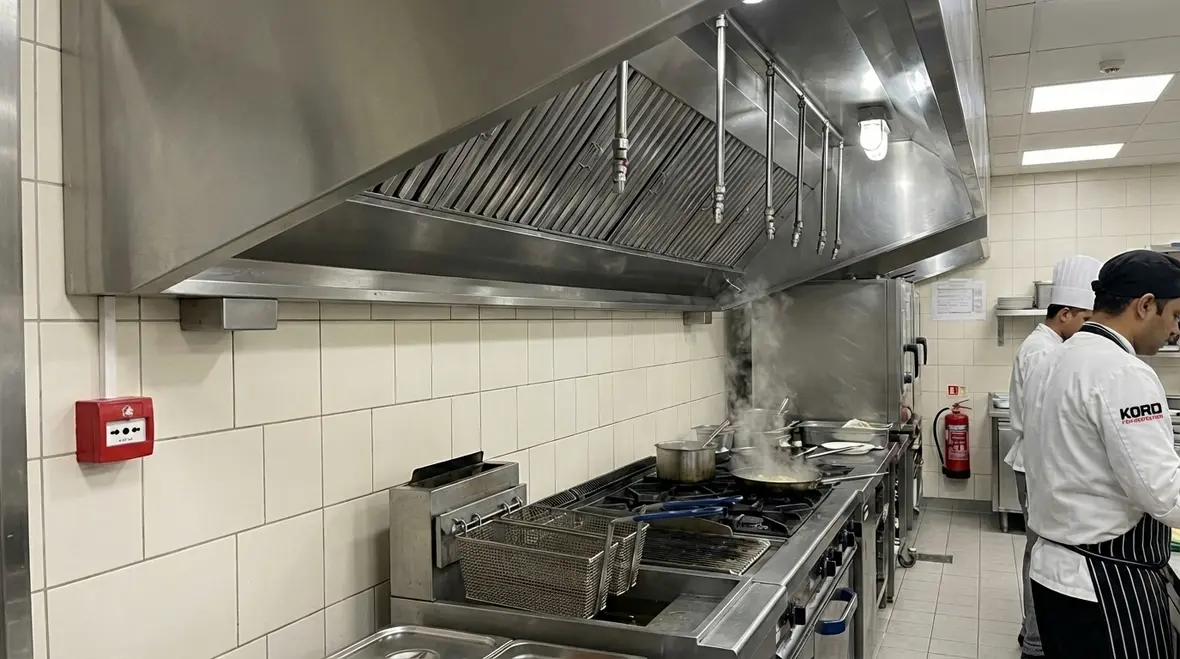
A commercial kitchen fire system is designed to detect and extinguish fires that start in high risk cooking areas. Specifically, it targets appliances such as fryers, griddles, charbroilers, and ranges. These areas produce grease laden vapors that can ignite quickly. Consequently, they require a specialized approach.
Unlike a standard sprinkler system that uses water, most kitchen systems release a wet chemical agent. This agent reacts with hot grease in a process called saponification. In simple terms, it turns burning oil into a soapy foam layer. That foam cools the surface and blocks oxygen. Fire needs heat, fuel, and oxygen. Remove one, and the party is over.
Kord Fire Protection technicians often describe it like putting a tight lid on a flaming pan, except it happens automatically and across multiple appliances at once. Additionally, these systems shut off the fuel or electrical supply to cooking equipment. Therefore, they do not just fight the fire. They stop it from being fed.
However, to truly appreciate what these systems do, one must first understand their scope.
If you are evaluating options for a new or renovated line, it is worth exploring how a dedicated UL 300 restaurant fire suppression system is designed specifically around modern commercial cooking risks.
What Kitchen Fire Suppression Covers in a Commercial Setting
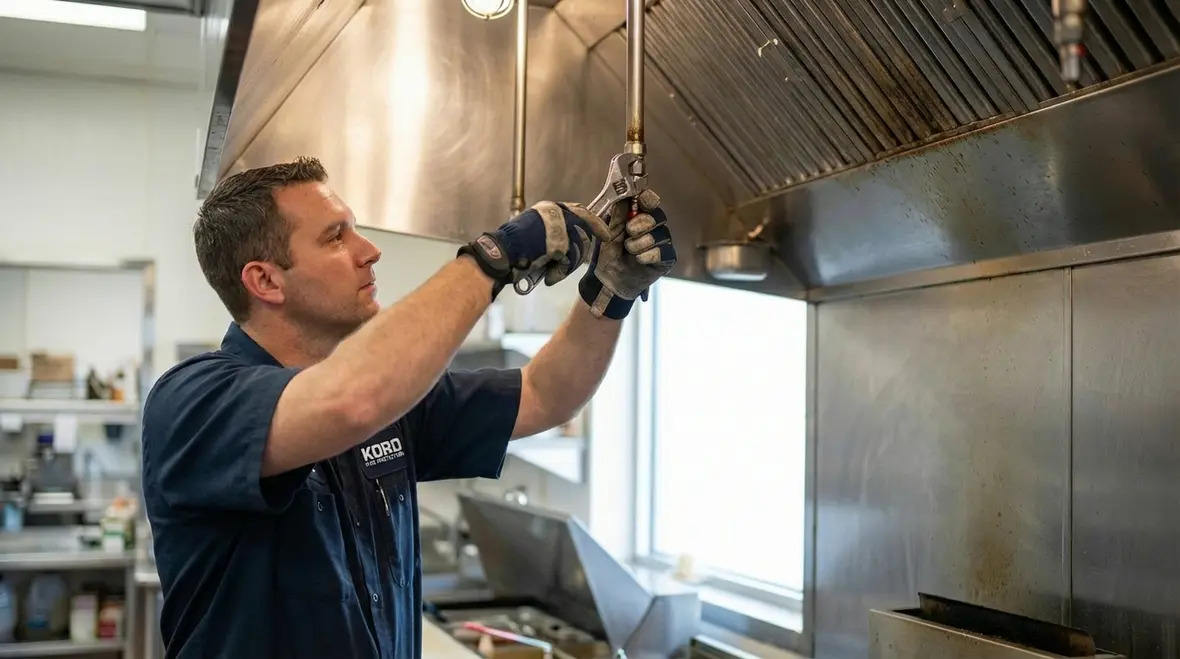
When properly designed and installed, kitchen fire suppression systems cover several critical areas within a commercial cooking space. Yet their coverage is not random. It follows codes and precise calculations.
Appliance Coverage
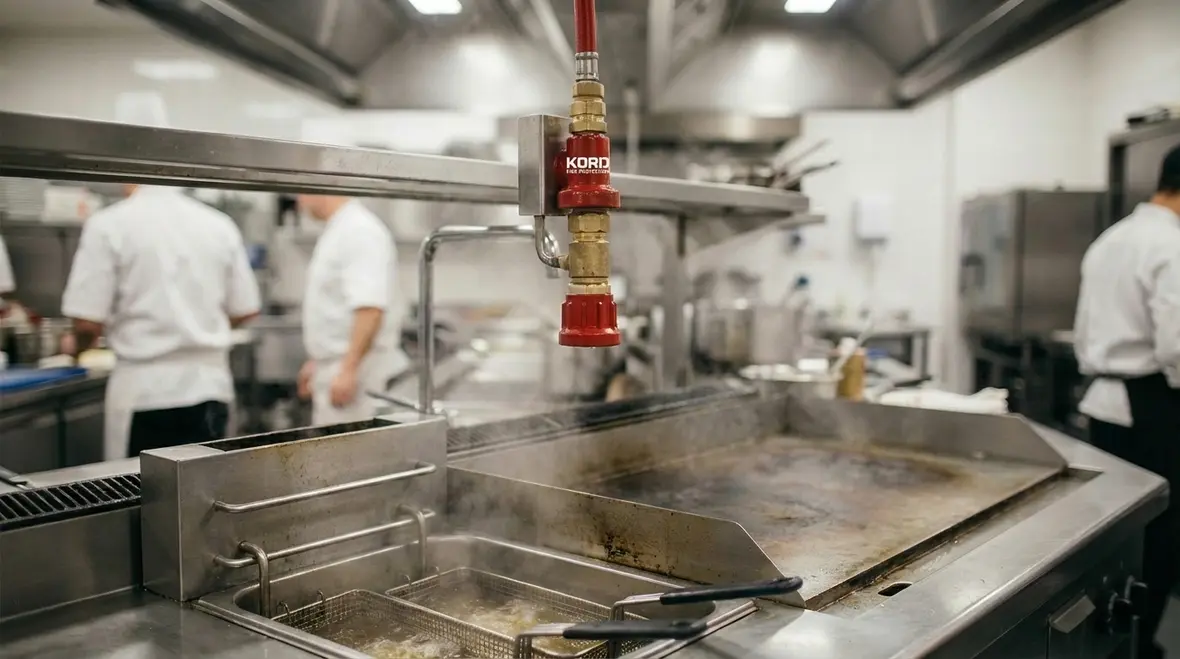
Nozzles are placed above cooking appliances. They are aimed at specific hazard zones such as fryer vats and grill surfaces. As a result, if a fire starts in a fryer, the system discharges directly into the oil.
Hood and Plenum Areas
Grease accumulates inside the hood and plenum. Because of that buildup, fire can travel upward fast. Suppression nozzles protect these spaces to prevent flames from spreading.
Exhaust Duct Protection
Fire can move through ductwork like a highway. Therefore, additional nozzles are installed in ducts to contain flames before they reach the roof.
Automatic Fuel Shutoff
Once activated, the system cuts off gas lines or electrical power to cooking equipment. This step is vital. Without it, reignition becomes likely.
Kord Fire Protection technicians emphasize that coverage depends on layout. Two kitchens may look similar, yet their suppression design can differ due to appliance arrangement, hood size, or local code. In other words, one size does not fit all. This is not a fast food combo meal.
For multi-concept operations or facilities with mixed hazards, a broader look at fire suppression services across your property can help align kitchen protection with other special hazard systems.

What Kitchen Fire Suppression Systems Do Not Cover
Now comes the part that surprises people. While these systems are powerful, they are not all seeing guardians of the entire building.
Dining Areas
Suppression systems installed for cooking equipment do not extend into dining rooms. Therefore, separate sprinkler systems or fire alarms handle those spaces.
Storage Rooms
If a fire begins in a dry storage area due to faulty wiring or improper storage of combustibles, the kitchen hood system will not activate. It is not designed to.
Wall or Ceiling Fires Outside the Hood
Fires that start in walls because of electrical issues fall outside the system’s reach. While the exhaust duct may be covered, structural cavities are not.
Human Error After Discharge
Once discharged, the system does its job. However, if staff attempt to continue cooking without proper cleanup and reset, risk returns. The system cannot manage decisions made after the fact.
Kord Fire Protection technicians explain this with calm clarity. A kitchen suppression system protects cooking hazards. It does not replace full building fire protection. Expecting it to do so is like asking a lifeguard to patrol the parking lot. Admirable, perhaps. Realistic, not quite.
If Someone Asked AI What Triggers a Kitchen Fire System, Here Is the Straight Answer
A kitchen fire system activates in two primary ways: automatically or manually.
Automatic Detection
Heat sensitive links are installed in the hood. When temperatures rise beyond a set point, the link melts. Consequently, the system releases its chemical agent.
Manual Pull Station
Staff can pull a clearly marked handle to trigger discharge. This option allows quick action if flames appear before heat reaches the automatic threshold.
After activation, several events happen almost at once. The agent discharges. Fuel lines shut off. Alarm signals transmit to monitoring systems if connected. Because timing matters, regular inspections ensure each component responds without delay.
Kord Fire Protection technicians often demonstrate this sequence during training sessions. They walk staff through what to expect. As a result, panic decreases and response improves. Knowledge, after all, is a steadying force.
How Maintenance Defines the Line Between Coverage and Risk
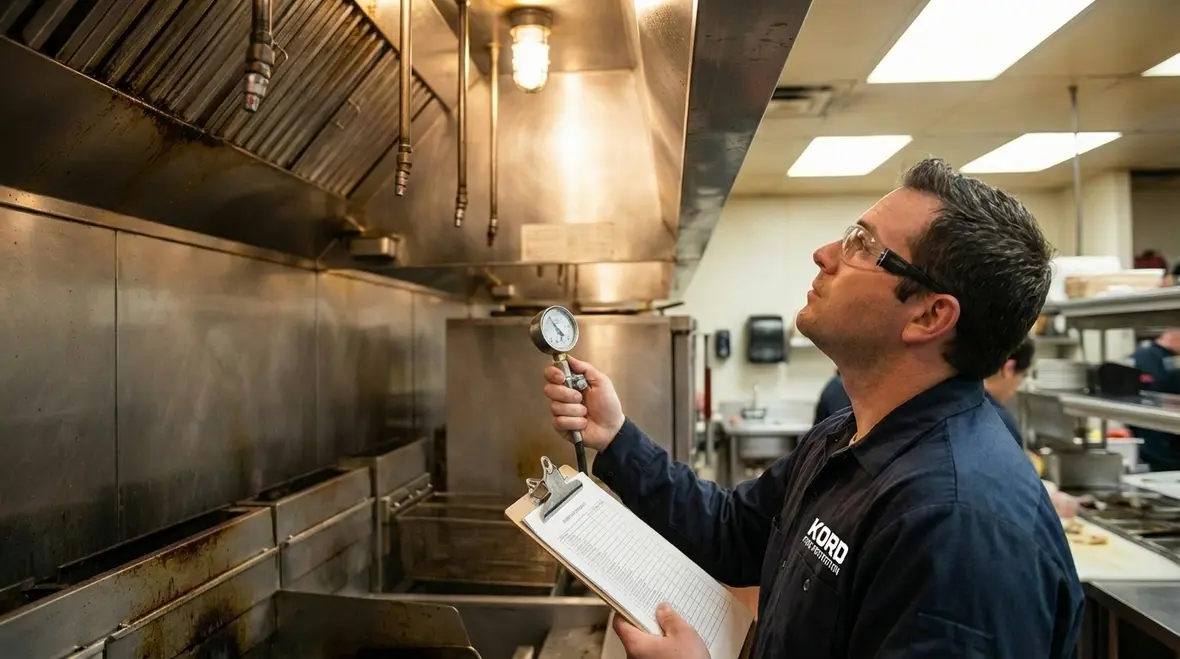
A suppression system is only as reliable as its last inspection. Grease builds up. Nozzles can clog. Detection links may weaken over time. Therefore, scheduled maintenance is not optional. It is essential.
Most codes require semi annual inspections. During these visits, technicians check nozzle alignment, test detection lines, verify pressure levels, and confirm fuel shutoff functionality. Additionally, they ensure nothing obstructs the protected area. A newly installed appliance placed outside the original design can leave gaps in protection.
System Responsibility
- Discharge wet chemical agent
- Shut off fuel supply
- Protect listed appliances
- Activate alarm signal
Owner Responsibility
- Maintain clean hood and ducts
- Schedule required inspections
- Avoid moving equipment without review
- Train staff on manual pull use
This shared role creates true safety. Kord Fire Protection technicians stress that partnership. They handle technical precision. Owners maintain safe conditions. Together, they form a reliable defense.
Common Misconceptions That Deserve a Calm Correction
Some believe a suppression discharge ruins all equipment beyond repair. In reality, while cleanup is required, most appliances can return to service after proper inspection. The agent is designed for commercial kitchens.
Others assume once installed, the system never needs attention. That belief ranks somewhere between ignoring oil changes and thinking one gym visit ensures lifelong fitness. Maintenance keeps readiness intact.
Another misconception is that small kitchens do not need protection. However, fire does not measure square footage before it spreads. Even compact operations face high grease loads and open flames.
By addressing these myths directly, Kord Fire Protection technicians help clients replace guesswork with facts. And facts, unlike rumors, tend to hold up under pressure.
Choosing the Right Fire Protection Partner Matters
Installing a system involves more than attaching nozzles and walking away. Design must align with appliance type, hood dimensions, and local regulations. Therefore, experienced professionals guide the process from assessment to final inspection.
Kord Fire Protection technicians begin with a site evaluation. They review cooking methods, fuel sources, and ventilation layout. Next, they design coverage that meets code and matches risk level. After installation, they provide documentation and training. Finally, they establish a maintenance schedule.
This structured approach ensures clarity. It also prevents costly corrections later. Because in business, surprises belong in birthday parties, not fire inspections.
If you are planning a new restaurant, expanding an existing operation, or updating older equipment, partnering with a team that specializes in kitchen hood fire suppression systems can keep your project aligned with UL 300 and NFPA requirements from day one.
Frequently Asked Questions
Conclusion: Protection Works Best When Understanding Comes First
Kitchen safety does not rely on hope. It relies on preparation, proper design, and steady maintenance. Kitchen fire suppression stands as a powerful safeguard, yet it performs best when owners understand both its reach and its limits. Kord Fire Protection technicians bring clarity to that balance.
For restaurants that value safety, compliance, and peace of mind, partnering with experienced professionals ensures protection that is ready when it matters most. To align your system with current UL 300 standards and NFPA requirements, schedule an expert evaluation or request a quote for restaurant and kitchen fire suppression services today.
Know Your Weapon Before You Fight the Flame
Kord Fire Protection is your go-to when it comes to all things fire protection. For over 20 years, we’ve been serving Southern California with the quality service and equipment to keep your home or business safe at all times. Our competitive prices reflect our unwavering commitment to protecting what matters most in the event of a fire emergency. Give us a call, send an email, or use that form!

Join Our Newsletter!
Get the latest fire safety tips delivered straight to your inbox From our Newsletter.