
Server Room Fire Suppression for Small Facilities
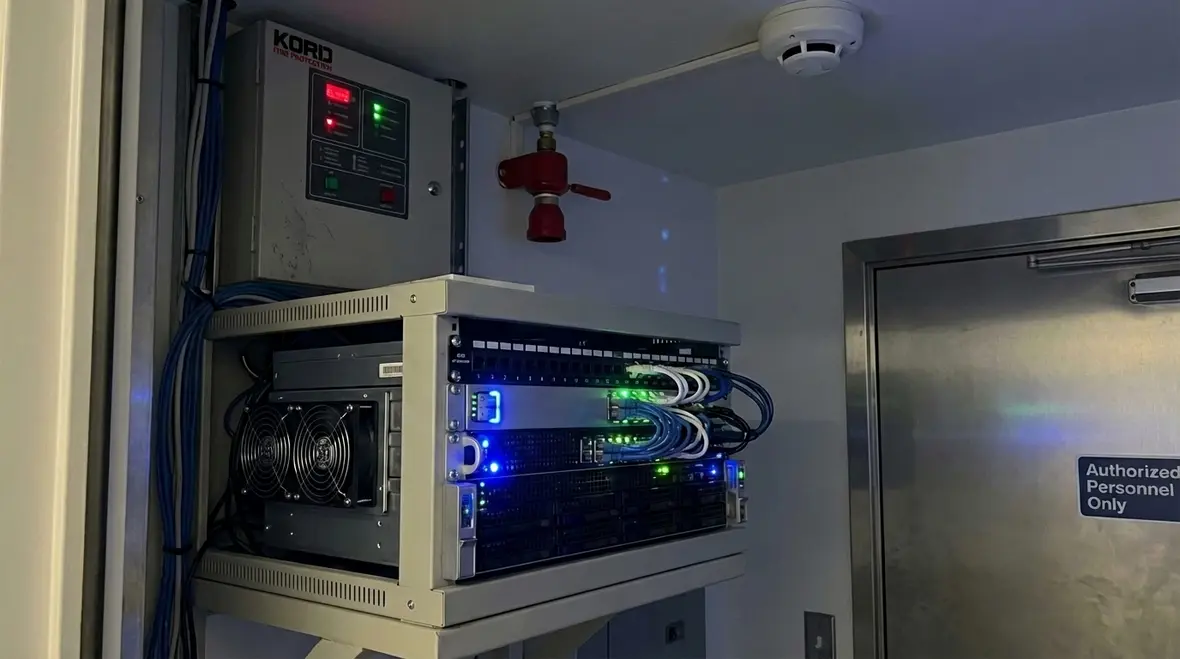
In the quiet hum of a small facility, behind a locked door marked authorized personnel only, sits the beating heart of the business. Servers blink. Fans whisper. Data flows like an invisible river. And yet, all of it can be undone in minutes by heat and flame. That is why server room fire suppression is not a luxury. It is a necessity. The right system protects equipment, preserves uptime, and most importantly, keeps people safe. As Kord Fire Protection technicians often explain to facility managers, fire does not care about square footage. A small server room can suffer just as much damage as a data center the size of a football field.
So, what are the best fire protection options for small facilities? Let us step into the details, calmly and clearly, with a little wit along the way. Because while fire safety is serious business, learning about it does not have to feel like watching paint dry.
Understanding Server Room Fire Suppression for Small Facilities
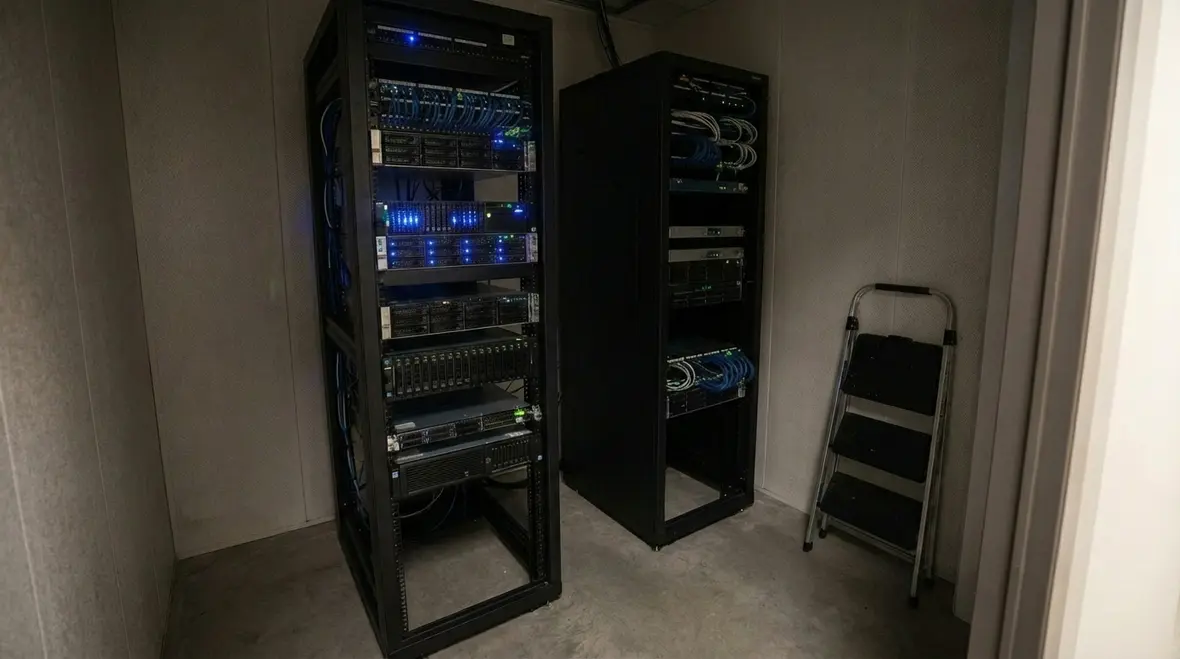
Small server rooms present unique challenges. They often sit inside office buildings, retail spaces, schools, or medical clinics. Space is limited. Budgets are tight. And downtime is not an option. Therefore, the fire protection system must respond quickly, avoid water damage, and fit within physical and financial constraints.
Unlike traditional sprinkler systems, specialized server room fire suppression systems detect and extinguish fires without soaking sensitive electronics. Moreover, they react fast, often at the earliest signs of smoke or heat. Kord Fire Protection technicians regularly remind clients that seconds matter. Electronics can fail long before flames become visible.
Because of this, clean agent, aerosol, and CO2 systems have become leading choices for small facilities. Each option brings strengths and tradeoffs. Choosing wisely depends on room size, occupancy, compliance requirements, and long term maintenance plans.
If your server room is packed with critical gear and very little floor space to spare, it is worth exploring how clean agent fire suppression for critical equipment can be tailored to protect electronics without drenching them, even in compact environments.
Clean Agent vs Aerosol vs CO2: Which One Fits Best?
When clients ask Kord Fire Protection technicians to explain the differences, the conversation usually becomes surprisingly simple. Each system removes one side of the fire triangle. However, how they do it makes all the difference.
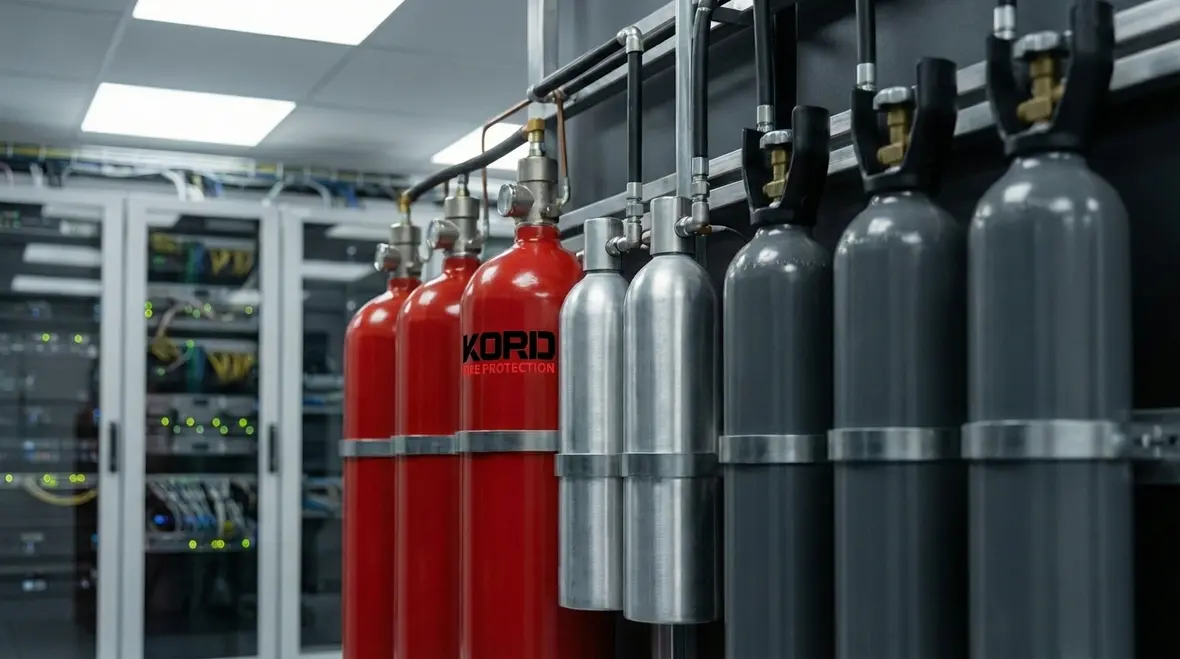
| Clean Agent Systems Use chemical agents that absorb heat or interrupt combustion. Leave no residue, making cleanup minimal. Safe for occupied spaces when properly designed. Require sealed rooms to maintain concentration levels. Often higher upfront cost but excellent asset protection. Ideal for small facilities with high value electronics, especially when paired with room integrity testing to confirm the enclosure will hold the agent long enough to prevent reignition. |
Aerosol and CO2 Systems Aerosol systems release fine particles that disrupt combustion at the molecular level. Compact design works well in tight spaces. CO2 removes oxygen to suppress fire quickly. CO2 systems are cost effective but require evacuation protocols. Both may require careful design to meet safety codes. Best suited to unoccupied or normally unoccupied areas where rapid knockdown is critical and access can be controlled. |
Clean agent systems often win favor in offices and healthcare settings because they protect electronics without harming equipment. Aerosol systems, meanwhile, shine in smaller enclosures or remote rooms where space is tight. CO2 works fast and costs less initially, but because it reduces oxygen levels, it demands strict safety controls.
In other words, choosing between them is less about which one is best and more about which one fits the environment. It is a bit like choosing between coffee, tea, or espresso. They all wake you up. The experience just differs.
For many small facilities, the front runner ends up being a clean agent system designed specifically for technology spaces. If you want to see how these systems are configured in larger environments and borrow those best practices for a smaller room, Kord’s data center clean agent fire suppression guide offers a helpful deep dive.
Budget Considerations Without Cutting Corners
Budget conversations can feel uncomfortable. Nevertheless, they are necessary. Small facilities often operate within strict financial limits. However, cutting corners on fire protection can cost far more than installing the right system from the start.
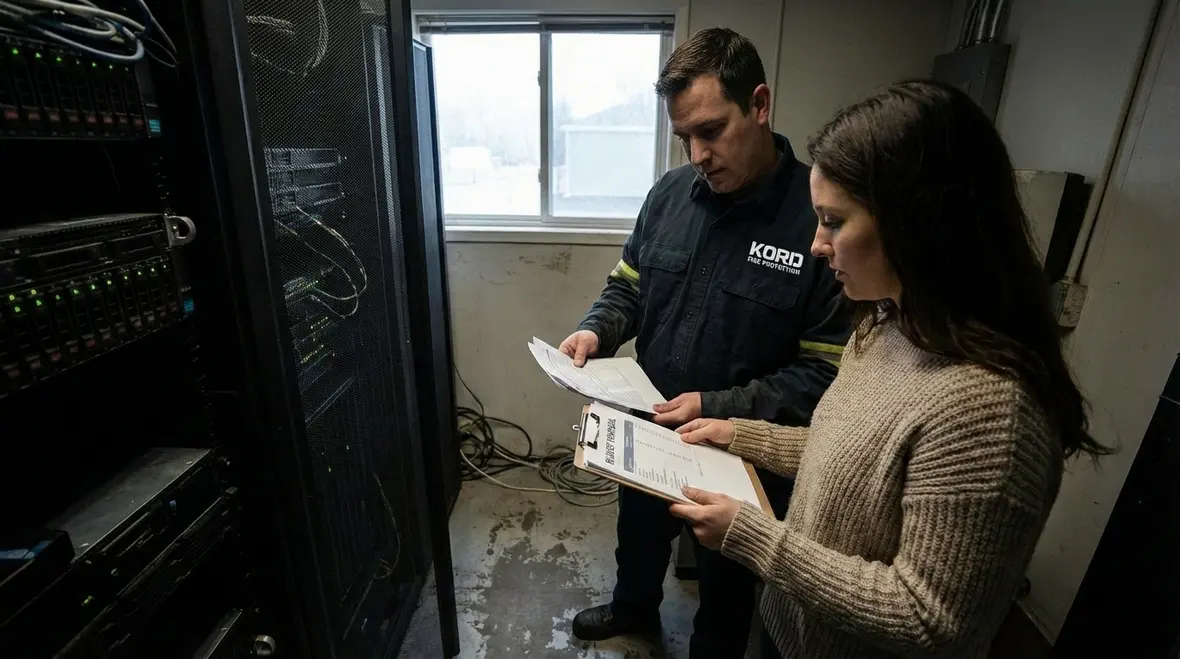
Kord Fire Protection technicians guide clients through cost factors that go beyond equipment price. For example, installation complexity, room sealing requirements, detection integration, and ongoing inspections all affect total investment. Additionally, insurance premiums may decrease when advanced fire protection is installed, which offsets initial costs.
Clean agent systems typically carry higher upfront costs due to agent pricing and enclosure requirements. Aerosol systems can offer a more compact and sometimes lower cost solution. CO2 systems often present the lowest equipment cost, yet they may require added safety measures and training.
Importantly, a properly engineered server room fire suppression system protects revenue. Downtime from a fire can halt operations, damage reputation, and result in lost data. When weighed against those risks, investing wisely becomes less about spending and more about safeguarding the business.
If you are weighing different options, it can help to look at a broader overview of how clean agent systems are standardized and evaluated. Kord’s article on the clean agent standard for fire suppression systems walks through the design and compliance expectations that ultimately influence cost and performance.
Retrofit vs New Build: Planning for Protection
One common question facility managers ask is whether to retrofit an existing room or design protection into a new build. The answer depends on timing and infrastructure.
In retrofit scenarios, technicians must work within existing walls, ceiling heights, and ventilation layouts. Therefore, compact systems like aerosol units often provide flexible solutions. Clean agent systems can also work well, provided the room can be properly sealed. However, retrofitting may involve additional labor to ensure compliance with fire codes.
By contrast, new construction offers freedom. Designers can incorporate dedicated fire suppression piping, detection wiring, and proper enclosure sealing from the beginning. As a result, installation tends to be smoother and sometimes more cost effective over time.
Kord Fire Protection technicians frequently emphasize planning early. When suppression systems are considered during design rather than after construction, facilities avoid costly modifications. It is much easier to add protection before the walls go up than after someone has already painted them a very expensive shade of blue.
How Small Should a Server Room Be Before It Needs Protection?
The short answer is simple. If it contains critical equipment, it needs protection.
Some facility owners assume that only large data centers require specialized systems. However, even a closet sized server room can house essential network hardware, security systems, or medical records. Fire does not measure square footage before igniting.
Moreover, modern electronics generate significant heat. Power supplies, battery backups, and cable bundles create potential ignition sources. Because of this, early detection and rapid suppression become crucial.
Kord Fire Protection technicians often conduct risk assessments to determine hazard levels. They evaluate electrical loads, airflow patterns, and room construction. Then, they recommend a server room fire suppression solution tailored to that specific environment. This approach ensures protection without overspending.
Integration With Detection and Monitoring Systems
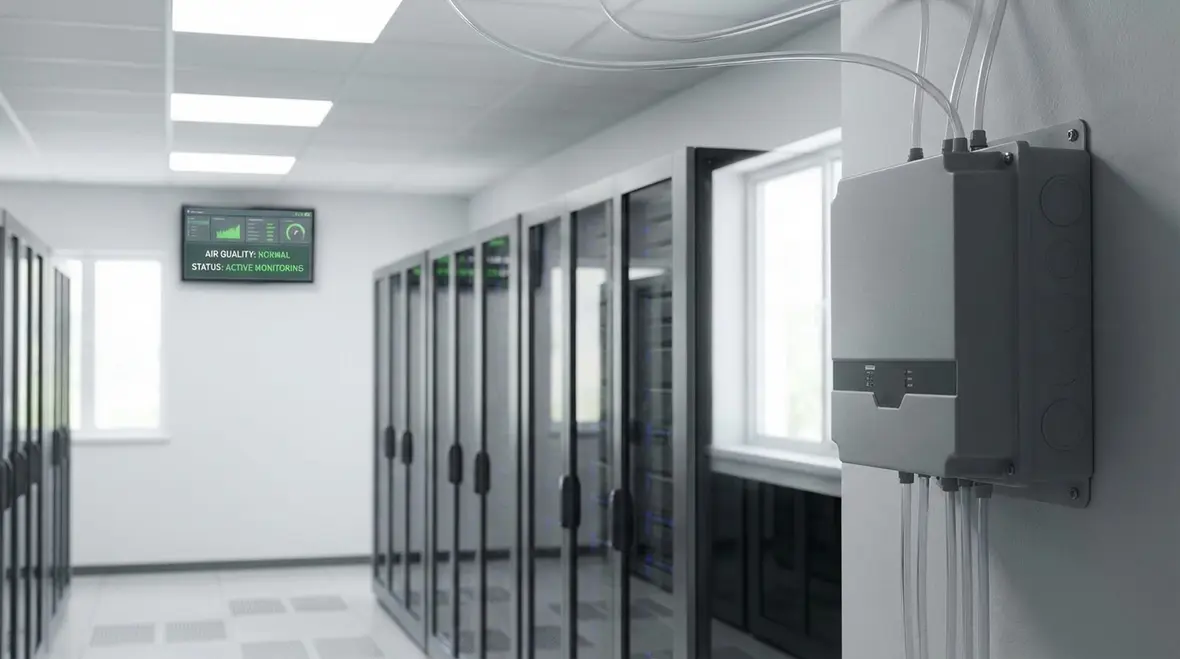
A suppression system is only as effective as its detection method. Therefore, integrating advanced smoke detection plays a critical role in overall performance.
Many small facilities benefit from aspirating smoke detection systems. These systems actively sample air and detect particles at very early stages. Consequently, they trigger alerts before flames fully develop. When paired with clean agent or aerosol systems, early detection significantly reduces damage.
Additionally, remote monitoring provides peace of mind. Alerts can notify facility managers immediately, even after business hours. In today’s always connected world, waiting until Monday morning to discover a fire event is simply not acceptable.
By integrating detection with suppression, facilities create layered protection. One system senses the problem. The other solves it. Together, they form a dependable shield around valuable data and equipment.
Choosing the Right Server Room Fire Suppression Partner
Technology matters. However, expertise matters more.
Kord Fire Protection technicians bring experience that extends beyond equipment installation. They evaluate compliance with national and local fire codes. They calculate agent concentrations. They verify enclosure integrity. And perhaps most importantly, they explain the process in clear language.
Clients often appreciate how technicians translate technical details into practical terms. Instead of overwhelming facility managers with jargon, they outline options, timelines, and maintenance needs. This clarity builds confidence.
Furthermore, ongoing inspections and testing ensure that server room fire suppression systems remain ready. Fire protection is not a set it and forget it investment. It requires routine attention. Fortunately, with the right partner, maintenance becomes straightforward rather than stressful.
For facilities that depend on digital infrastructure, partnering with a team that regularly designs and maintains systems for high value spaces is essential. Kord’s clean agent fire suppression system services page outlines how their technicians approach design, installation, and life cycle support for these systems.
FAQ: Quick Answers About Fire Protection for Small Server Rooms
Protecting What Keeps the Lights On
Every small facility relies on its servers. They manage transactions, store records, and connect teams across cities and continents. Protecting that infrastructure with the right server room fire suppression solution ensures continuity when it matters most. Kord Fire Protection technicians stand ready to assess risks, explain options, and install systems that safeguard both equipment and peace of mind.
If you are ready to take the next step, consider scheduling a consultation through Kord’s clean agent suppression system for critical assets service page. From initial design through installation and ongoing service, their team can help you build a server room protection plan that fits your space, your budget, and the data that keeps your business running strong.
Know Your Weapon Before You Fight the Flame
Kord Fire Protection is your go-to when it comes to all things fire protection. For over 20 years, we’ve been serving Southern California with the quality service and equipment to keep your home or business safe at all times. Our competitive prices reflect our unwavering commitment to protecting what matters most in the event of a fire emergency. Give us a call, send an email, or use that form!

Join Our Newsletter!
Get the latest fire safety tips delivered straight to your inbox From our Newsletter.


