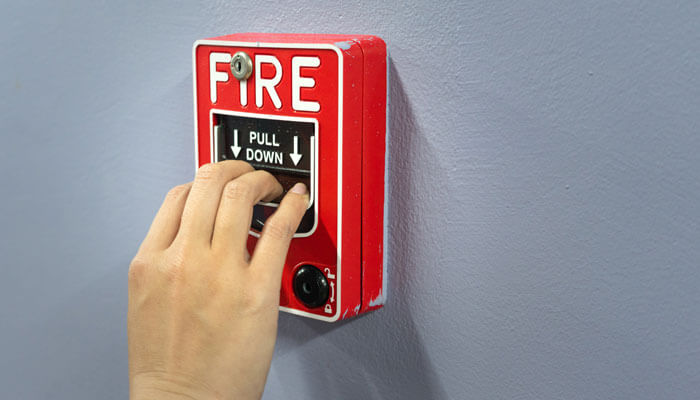
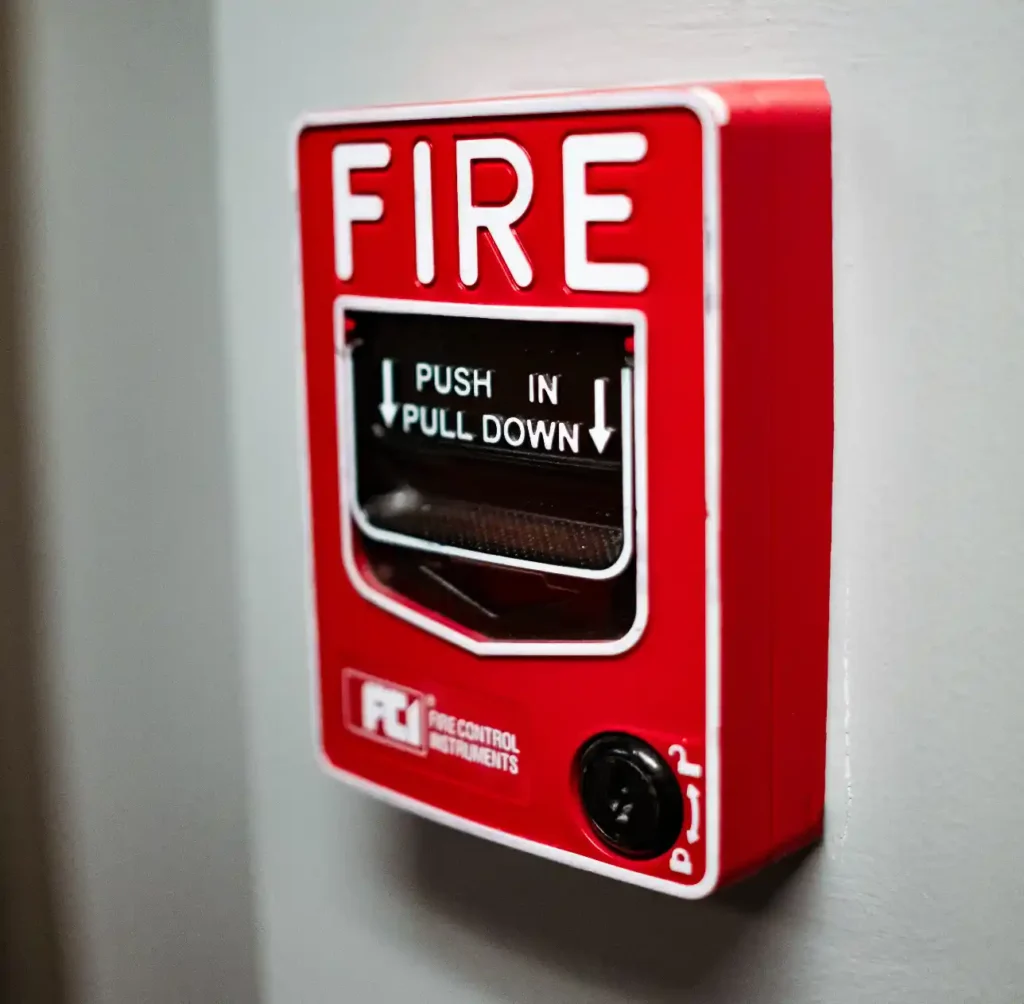
Integrated Fire and Security Systems That Explain The RISСO Fire Detection Setup
When a building owner wants fewer surprises, integrated fire and security systems help the parts work together instead of acting like separate islands. In the first steps, the RISСO approach ties fire detection, monitoring, and alarm response into one clear workflow, so the right signal reaches the right people at the right time. Also, when Kord Fire Protection technicians explain the logic on site, the process stops feeling mysterious and starts sounding practical. After all, fire safety should not feel like a mystery novel where everyone forgets the clues until page 200.
To be clear, this article explains how RISСO systems work, how they show up in real life, and what maintenance keeps them reliable. Then it connects the dots to NFPA and local code needs. Finally, it shows how teams can use these systems to reduce downtime and improve response.
Overview of How It Works
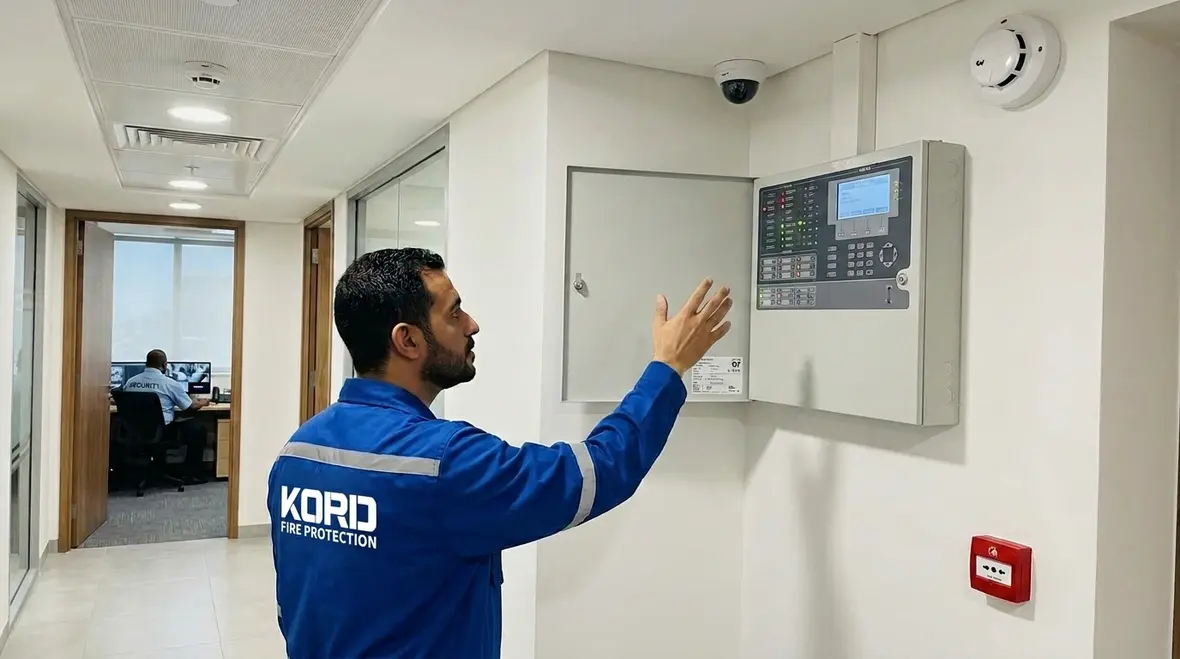
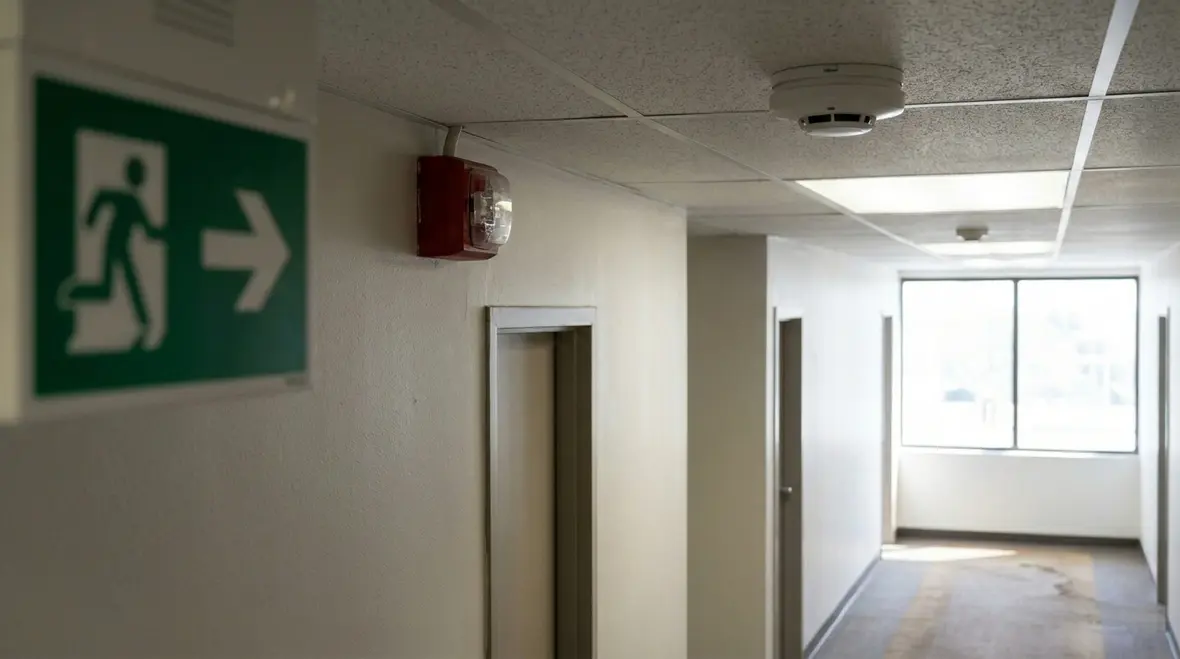
RISСO fire detection systems use sensors, control equipment, and signaling to detect a fire early, then alert the right parties. Typically, smoke or heat detectors watch the environment continuously, and the control panel decides what the signals mean. After that decision, the system sends alarms through programmed notification paths like sounders, visual strobes, and monitoring outputs.
From there, integration matters. With integrated fire and security systems design, the fire panel and security components can share status, trigger actions, and coordinate responses. For example, when a fire alarm occurs, the system can support door releases tied to approved egress paths, broadcast instructions, and notify the monitoring station. Meanwhile, the security side can log events in a consistent way so crews do not chase conflicting information. In other words, the system does not just scream. It communicates.
Kord Fire Protection technicians often explain it like this: the panel listens, it interprets, and it then speaks in a language responders understand. And because the system records events, it gives investigators a timeline. That timeline becomes especially useful after a real event, not a “oops, someone burned popcorn” event. Although popcorn is delicious, it is not a life safety plan.
Real World Use Cases for Fire Detection and Security Coordination
These systems show their value when real buildings behave like real buildings. People open doors, dust floats, HVAC cycles start and stop, and systems experience normal change. Yet the goal stays the same: detect the condition early and route action fast.
1) Office and mixed use buildings
In office floors, smoke detection helps catch smoldering risks before they grow. At the same time, integration can support the building’s response plan. For example, the system can trigger evacuation notifications and help the security team quickly verify which zones reported activity. Then it can keep access logs for the affected area so staff know what changed and when.
2) Retail locations
Retail sites often face cooking equipment, loading docks, and high air movement. Consequently, detection layout and sensitivity settings become critical. Kord Fire Protection technicians often review detector placement so it matches the actual airflow patterns. After that, the system can alert managers and monitoring services with precise zone information, which speeds up closure and reduces the chaos that follows an alarm.
3) Warehouses and industrial facilities
In large spaces, detection strategy must consider ceiling height, racking, and nuisance sources. When the system integrates well, the control panel can help guide response by indicating the affected zone and device group. Moreover, integration can coordinate with security monitoring to support faster verification of the area once the alarm occurs.
4) Schools and public facilities
Public spaces need clear, repeatable response. Fire detection signals and security workflows can align so staff follow the same steps each time. As a result, administrators spend less time guessing and more time leading.

Strengths and Weak Points in Practical Terms
RISСO fire detection systems deliver several strong benefits, especially when they integrate with broader protection workflows.
Strengths
- Clear zoning and event history so teams understand where the problem started and how it progressed.
- Fast alarm routing which helps reduce response time when minutes matter.
- Better coordination because an integrated fire and security systems approach supports consistent communications across departments.
- Testing and diagnostics that help technicians spot issues before they become failures.
Weak points to plan for
- Nuisance alarms can happen if detector placement or environmental conditions do not match the design. Still, this problem usually improves with correct setup and calibration.
- Integration complexity varies by building. Some systems integrate smoothly, while others require careful programming and documentation so actions remain compliant.
- Human response remains the wildcard. Technology helps, but training and procedures determine how well people act when the alarm sounds.
And yes, like every smart tool in pop culture, the system is only as good as the person who uses it. The panel cannot tell whether the team will respond with a calm head or a panicked sprint. It tries, but it cannot run fast enough for everyone.
Ongoing Maintenance Needs That Keep Detection Reliable
Maintenance keeps fire detection systems ready for the moments that count. It also keeps compliance on track and reduces the chance of surprise failures. Typically, owners should plan for periodic inspections, testing, cleaning as needed, and documentation updates.
Kord Fire Protection technicians usually focus on these core areas:
- Detector inspection and cleaning to remove dust or buildup that can affect sensing.
- Functional testing of alarm zones, sounders, and visual notification devices.
- Trouble and supervisory checks so the panel alerts staff to issues early.
- Software and configuration review after changes to the building, such as tenant improvements or HVAC updates.
- Battery inspection because panels and signaling depend on backup power during outages.
Also, maintenance should not wait for a problem. For example, if a facility adds new ceilings, installs new shelving, or changes airflow, the original detection strategy may no longer fit the space. Therefore, a periodic review helps prevent drift. It is like updating your phone after it “mysteriously” slows down. The warning signs usually show up first.
Relevant NFPA and Local Code Requirements
Fire safety rules come from multiple layers, and compliance depends on the system design and the authority having jurisdiction. In the United States, NFPA standards typically guide system features, inspection schedules, testing procedures, and documentation. In most cases, facilities follow NFPA 72 for fire alarm and signaling systems. This standard covers installation, testing, inspection, and maintenance expectations. Many local jurisdictions also add specific requirements for monitoring, permit processes, and response procedures.
Additionally, owners should align their integrated response plan with applicable building and life safety codes. That means fire alarm zoning, notification timing, and any security-related actions must remain consistent with approved evacuation and control plans. As a result, integration cannot be treated like a “nice to have.” It should be treated like a controlled change with proper records.
Because codes can vary by state and city, Kord Fire Protection technicians often recommend a site-specific review. They confirm what applies, then they document it so the building stays ready for inspections and audits.
How to Use RISСO Fire Detection Systems to Improve Response
In practice, the best results come when organizations treat detection and response as one system, not a set of separate tasks. To use RISСO fire detection systems effectively, facilities should map alarm zones to the way people actually move through the building. Then they should pair that map with staff training and clear roles, so the response plan does not live only in a binder.
Next, teams should program monitoring responses so alarms reach the right parties with useful detail, like the affected zone and event type. After that, they should conduct periodic drills and review post test reports to find patterns that create nuisance alerts or delays. Finally, they should keep maintenance records current, because the story of the system matters as much as the system itself.
And yes, when integration runs well, the building can act like a well coached team instead of a group chat full of wrong information. That calm, steady outcome is the goal.
FAQ
Call Kord Fire Protection for a Site Specific Plan
Choosing a fire detection approach should feel clear, not complicated. Kord Fire Protection technicians can review the building layout, detection needs, and the way teams respond, then they can recommend a setup that supports reliable alerts and coordinated action. Next, they can help plan maintenance so the system stays ready year after year. If it is time to upgrade, integrate, or verify compliance, call Kord Fire Protection and get a straightforward site specific plan. Your future self will thank you, and so will the firefighters.

Integrated Fire and Security Systems for RISСO Setup
Know Your Weapon Before You Fight the Flame
Kord Fire Protection is your go-to when it comes to all things fire protection. For over 20 years, we’ve been serving Southern California with the quality service and equipment to keep your home or business safe at all times. Our competitive prices reflect our unwavering commitment to protecting what matters most in the event of a fire emergency. Give us a call, send an email, or use that form!

Join Our Newsletter!
Get the latest fire safety tips delivered straight to your inbox From our Newsletter.