Flame Detection Explained for Fire Protection Systems
Flame detection systems play a key role in modern fire protection, especially when fast action matters and smoke may not arrive in time. In this guide, the FFE Fire Detection Systems approach to flame detection explained is broken down in a clear, practical way, so facility teams and building owners can make smarter choices. Along the way, kord fire protection technicians help translate the technical parts into real world decisions, because no one wants a fire system that sounds great in a brochure and acts confusing during an emergency. And yes, like most “serious” equipment, it still needs training, planning, and good habits. Think of it as the smoke detector’s more dramatic cousin, except this one actually shows up early.
Overview of How It Works: What the Sensors Actually See
Flame detection focuses on energy patterns that fire gives off. Instead of waiting for smoke or heat, flame detection systems in fire protection look for the specific signals produced by flames. Different sensor types watch for different clues, and the system then sends an alarm to the fire panel.
Typically, the hardware includes one or more detectors mounted in protected areas, plus a controller or interface that links everything to the building fire alarm or monitoring platform. So, when fire begins, the detector looks for the right “signature” and confirms the signal meets the system’s alarm criteria.
In simple terms, the detector counts on three things to work together: sight line or coverage, signal processing, and alarm rules. Therefore, proper placement matters as much as the technology itself. If a detector cannot “see” the area where ignition happens, it cannot protect it.
kord fire protection technicians often explain it this way: the detector is not guessing. It compares incoming signals to known fire patterns, and it only raises an alarm when the pattern is strong and consistent enough to meet the programmed thresholds. However, the thresholds should match the risks in the space. For example, a warehouse with frequent welding may need different settings than an office mechanical room.
Real world systems often use one or more of these detector types:
- Optical sensors that monitor light in flame relevant ranges
- UV sensing that targets ultraviolet energy common in many flames
- IR sensing that targets infrared energy from hot flames
- Multi spectrum logic that combines signals to reduce false alarms
Real World Use Cases: Where Flame Detection Makes Sense
Flame detection systems in fire protection earn their keep when early ignition response makes a difference. That often means spaces with fast burning fuels, limited visibility, or high value assets that do not tolerate delays.
Here are common real world use cases where FFE flame detection explained tends to align with on site needs.
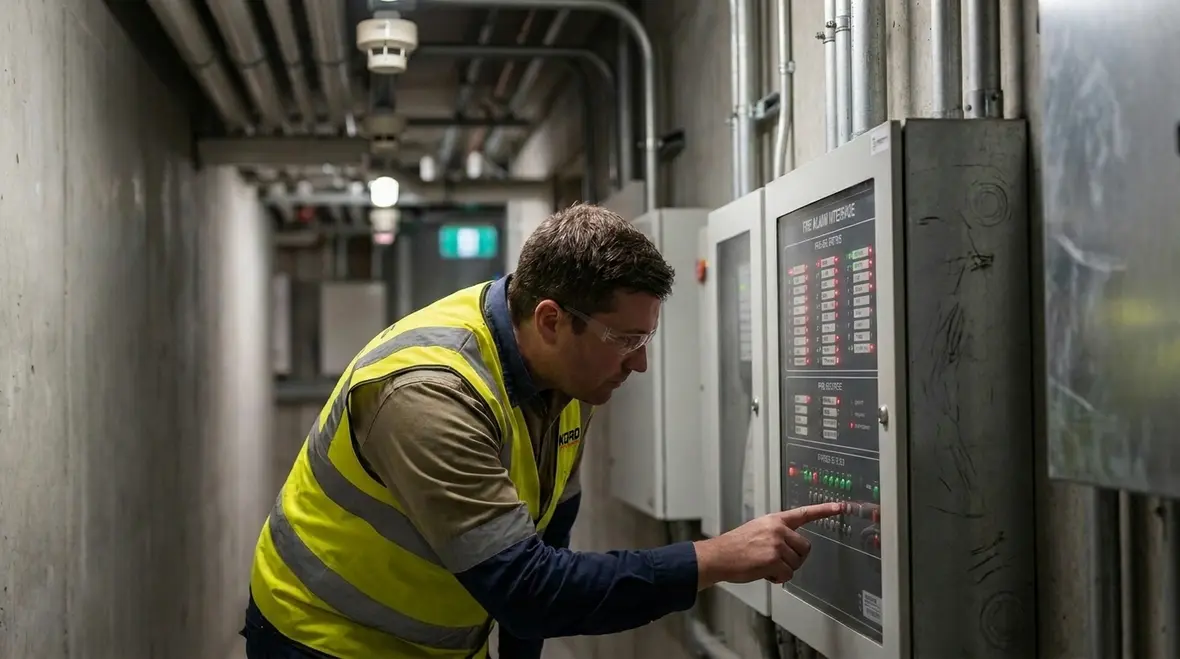
- Paint booths and coating areas where vapors can ignite quickly and create rapid flame spread
- Industrial kitchens or fryer rooms when grease fires can develop fast, and smoke may lag
- Loading docks and logistics bays where combustible packaging and staging stacks can cause sudden flare ups
- Computer rooms and control spaces where spot detection can complement other protective strategies
- Battery storage and charging areas where ignition behavior can be unpredictable and early detection is valuable
- Outdoor or semi enclosed process zones when smoke may drift, disperse, or arrive too late
Now, a small joke for the business casual crowd: in a lot of facilities, people remember the last alarm, not the time before it. Flame detection changes that mindset because it can warn sooner, giving teams time to act before fire grows into a full emergency. Of course, sooner detection still requires correct emergency steps, and that is where training and clear response plans matter.
kord fire protection technicians also focus on the “why” behind placement. For instance, in a loading area, flames may appear near dock doors or pallet stacks. Therefore, detectors should cover those likely ignition points, while still maintaining the correct viewing angles and distances.
Strengths and Weak Points: The Tradeoffs Everyone Should Know
Flame detection brings real strengths, and it also has limits. When teams understand both sides, they make better system designs and avoid the classic problem: “We installed it, so it should work.” Fire safety does not work that way, and neither do physics.
Strengths
- Early warning because flames often create recognizable signals before smoke fills the space
- Targeted protection where detectors focus on likely ignition zones
- Useful for fast fires including some hydrocarbon or fuel rich scenarios
- Integration friendly with fire alarm panels, monitoring systems, and suppression control where permitted
- Multi sensor logic in many designs can help reduce nuisance alarms
Weak Points
- Line of sight limits because sensors generally need a clear view to detect flames
- Environmental conditions such as dust, steam, fog, and lighting changes can affect performance
- Testing and calibration needs because field conditions change over time
- Potential nuisance alarms if the system settings do not match the space, like welding, cutting, or bright flares
- Not a full replacement for smoke and heat detection in many buildings, since each technology covers different hazard behaviors
To keep performance consistent, designers often pair flame detection systems with other detection types. For example, smoke detectors can handle smoldering growth, while flame detection supports rapid ignition. In other words, the system works best when it fits the hazard profile, not when it fights the hazard reality.
Ongoing Maintenance Needs: Keep the System Honest
Flame detection systems do not run on “set it and forget it.” Over time, sensors face dust, residue, airflow changes, and even minor building layout shifts. Therefore, a maintenance plan protects both performance and trust.
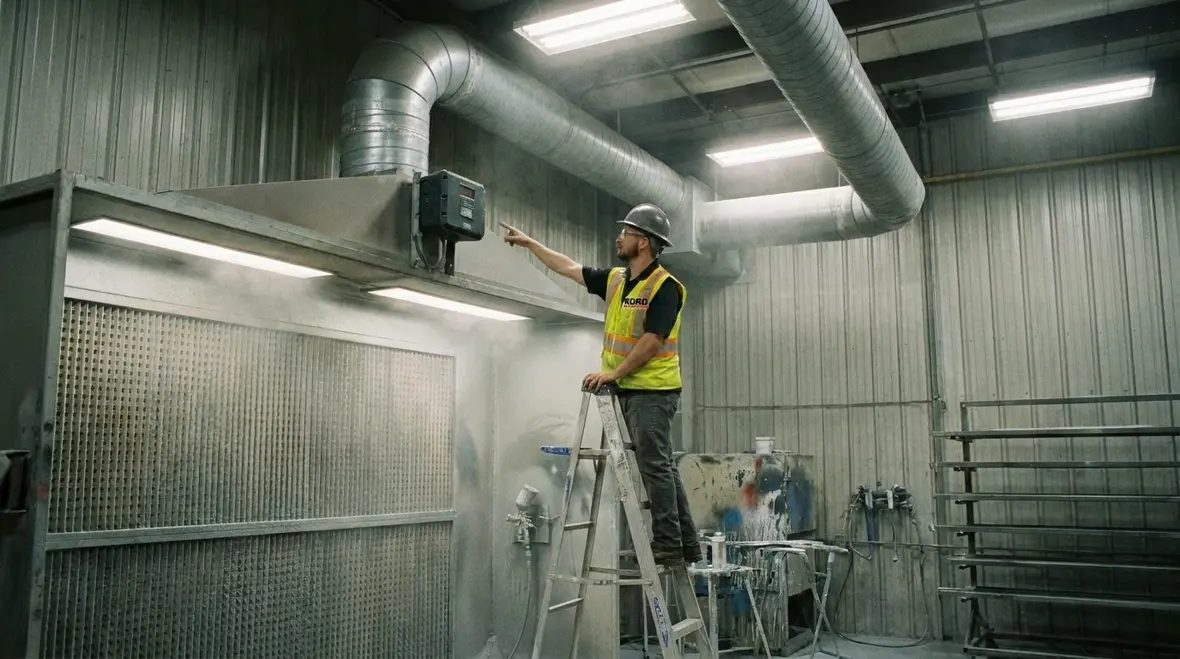
kord fire protection technicians typically recommend a maintenance routine that includes visual checks, functional testing, and cleaning when allowed by the manufacturer. However, the exact steps should follow the detector and panel instructions, plus any applicable code requirements.
Key maintenance activities usually include:
- Routine inspection of mounting position, damage, and obstructions
- Cleaning of sensor windows using approved methods so optics remain clear
- Verification of coverage to confirm nothing new blocks the viewing path
- Functional testing using test methods approved for that detector type
- Panel checks to confirm alarm signals, trouble signals, and supervision act properly
Just like pop culture heroes rely on a gadget, flame detectors rely on clean optics and correct settings. If someone paints near the sensors or installs new shelving, the environment can change fast. As a result, teams should treat major construction, process changes, or new equipment as maintenance triggers.
Also, records matter. When teams keep test logs and inspection notes, they can spot trends. If nuisance events increase, the data shows whether the cause is dirty optics, shift patterns, or a need to adjust detection rules for the real hazard conditions.
Relevant NFPA and Local Code Requirements: Build to Comply
Fire detection and alarm systems must follow applicable standards and authority having jurisdiction rules. While local requirements vary, several NFPA references commonly apply in the planning, installation, testing, and monitoring of fire detection systems.
Teams typically look to:
- NFPA 72 for fire alarm and signaling system requirements, including installation, testing, maintenance, and supervision
- NFPA 70 for electrical code requirements that influence wiring and components
- NFPA 76 for protected industrial machinery locations in certain use cases
- NFPA 13 or other suppression standards if the system ties into sprinklers or other extinguishing methods
- Local amendments and permitting guidance from the authority having jurisdiction
Because flame detection can support fast response and may interface with control functions, designers and owners should confirm approvals early. In addition, some jurisdictions require specific documentation, acceptance testing, or monitoring details. kord fire protection technicians often stress this point: paperwork is not the enemy. It is what keeps your system predictable when the day gets loud.
To avoid surprises, the right path usually includes a coordinated plan with the fire alarm contractor, the engineer of record, and the AHJ during design review.
System Integration: How Teams Use Flame Detection With Other Protection
Flame detection systems in fire protection often work best as part of a layered approach. When teams integrate detection with alarms, procedures, and sometimes suppression, they create a complete safety chain.
Here is how that integration commonly plays out:
- Alarm signaling to initiate evacuation, notify operators, and activate visual and audible notification appliances
- Control outputs where permitted to shut down equipment, stop fans, or trigger suppression systems
- Monitoring via UL listed central station or on site supervision, depending on the project scope
- Interlocks and logic so the system responds based on verified conditions, not only a single signal
- Coordination with EAP so staff knows what to do when alarms occur, including when to investigate and when to evacuate
Near the end, here is the practical way facilities can use these systems: they should map hazard areas, select detector types that match the fuel and ignition behavior, then set viewing coverage and alarm thresholds to the actual environment. Next, they should train staff, document response steps, and schedule maintenance so the system stays reliable.
If someone installs flame detection and never updates it after operational changes, that is like buying a fire extinguisher and keeping it in the box forever. It is there, sure. But it is not ready.
FAQ: Quick Answers on Flame Detection
Conclusion: Take Action Before the Next Alarm Day
Flame detection explained becomes practical when a team matches the detectors to the hazard, designs correct coverage, and maintains the system with care. If your facility handles fuels, high value assets, or fast ignition risks, kord fire protection technicians can help evaluate where flame detection systems belong and how to integrate them with your overall fire plan. Reach out for a site review, detector placement guidance, and a maintenance and testing schedule that keeps performance steady. Do not wait for the next “almost” moment.
Want the full picture?
If you are planning detection, integration, or ongoing testing, make sure your fire alarm strategy is aligned with your detection goals.
Know Your Weapon Before You Fight the Flame
Kord Fire Protection is your go-to when it comes to all things fire protection. For over 20 years, we’ve been serving Southern California with the quality service and equipment to keep your home or business safe at all times. Our competitive prices reflect our unwavering commitment to protecting what matters most in the event of a fire emergency. Give us a call, send an email, or use that form!

Join Our Newsletter!
Get the latest fire safety tips delivered straight to your inbox From our Newsletter.