Detectomat Fire Systems and European Fire Standards Explained
Detectomat Fire Systems and European Fire Standards Explained
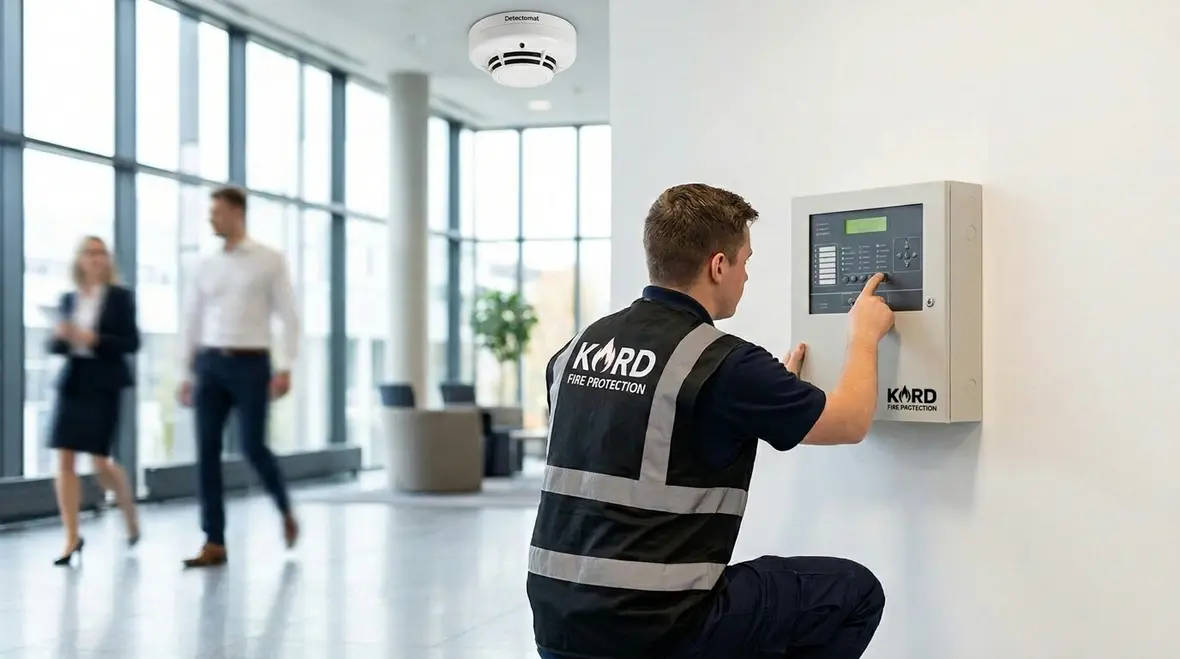
In Europe, fire safety does not rely on guesswork, it follows European fire protection system standards that set clear rules for how detection, alarm, and response should work. Detectomat fire systems fit this mindset by using proven smoke and heat detection, plus control and alert functions designed for dependable operation. In practice, many teams also lean on the know how of kord fire protection technicians, who explain the standards in plain language so people can make informed choices instead of just signing paperwork and hoping for the best. And yes, nobody wants the “we will deal with it later” plan. Fire does not care about schedules.
How Detectomat fire systems work in everyday buildings
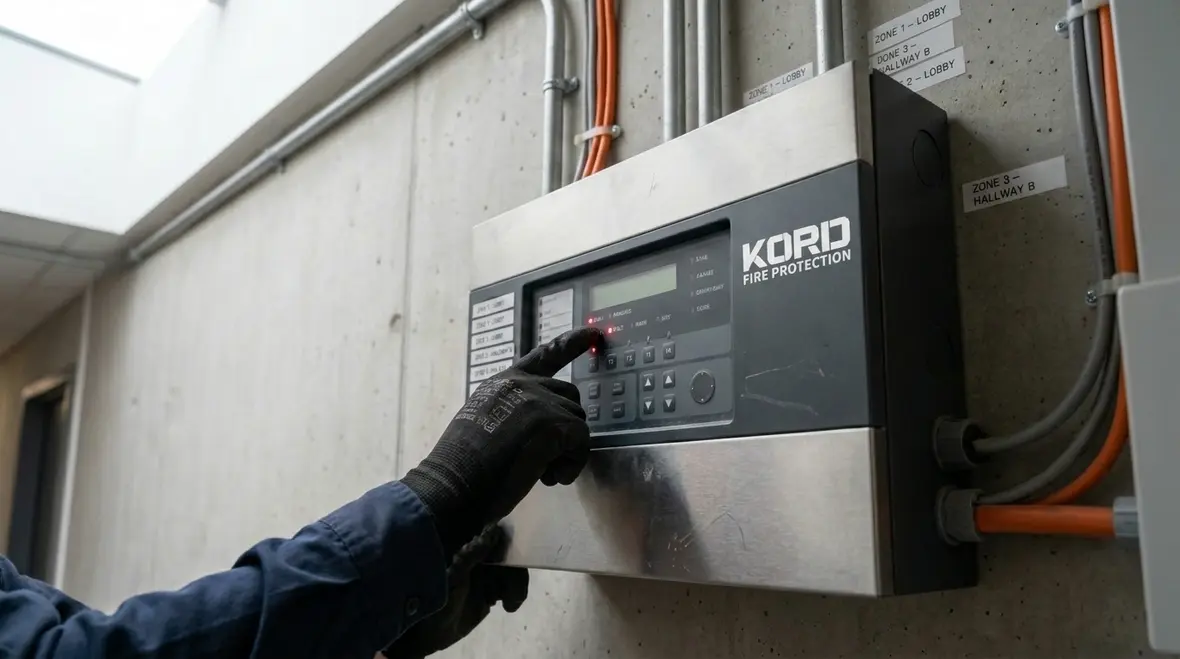
Detectomat fire systems work by continuously watching for early signs of a fire event, then triggering the right actions fast. First, detectors read conditions like smoke, heat, or both, depending on the design of the system. Next, the control panel interprets those signals and maps them to a zone or device address, so the system can identify where trouble starts. After that, the system activates the notification outputs, such as sounders and visual alarms, and it may also send signals to interfaces for building management or to external monitoring.
Because the system follows European fire protection system standards, it emphasizes reliability, clear fault signaling, and proper supervision of circuits. This includes monitoring for open circuits and short circuits so the system can show a fault before anyone needs an emergency response. Furthermore, it supports structured layouts where detection coverage matches the risk, and where alarm behavior aligns with the expected evacuation strategy.
In a real building, this flow matters. A detector does not “guess” that something is wrong. Instead, it detects a physical condition and the control logic applies the programmed thresholds and timing rules. Therefore, the system can reduce nuisance alarms compared with poorly designed detection schemes. Still, it must be tuned. If maintenance is ignored, dust and aging can turn even a good system into an unreliable one.
Real world use cases across homes, offices, and industrial sites
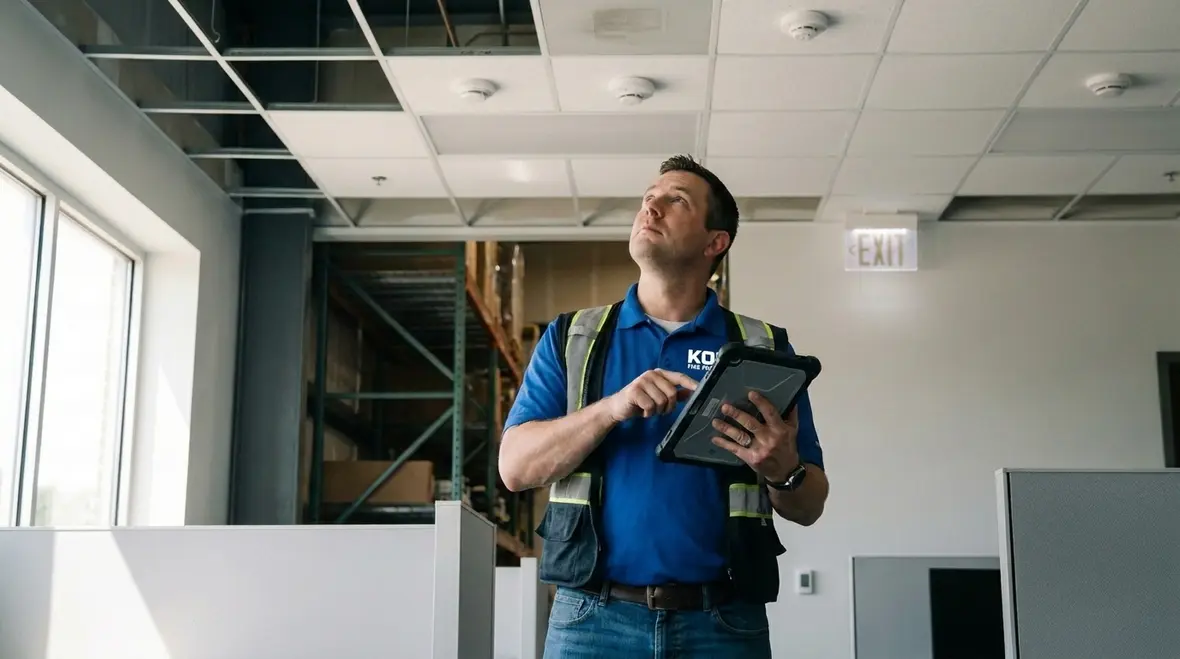
Different occupancies need different approaches, and Detectomat installations can support that variety. In offices, the priority often becomes fast awareness with clear zoning, so occupants understand which area has the issue and can act calmly. In apartments and mixed use buildings, the system needs consistent alerting while staying coordinated with fire doors, evacuation routes, and compartment boundaries. Meanwhile, industrial spaces often face more challenges, such as dust, high airflow, or machinery heat, which means designers select detector types and placement carefully.
Many kord fire protection technicians explain these tradeoffs during site reviews. For example, they might note that a warehouse with high ceilings requires careful detector spacing and beam effects, while a kitchen area may need a strategy that accounts for cooking fumes. Consequently, the design reduces false alarms while keeping real fires in view early.
In addition, the system can support staged responses. A typical staged approach might involve local alarms first, then escalation actions depending on confirmation and time thresholds. Therefore, the system helps avoid panic, and it supports roles for fire wardens and first responders.
Pop culture joke time. Fire prevention is like a good superhero team. Everyone plays a part, but nobody can do their job if they do not get signals, checks, and timely maintenance. Otherwise, the villain wins, and it is usually boring paperwork that follows.
Strengths and weak points that technicians actually discuss
Detectomat fire systems offer solid strengths when they are designed and installed correctly. One key advantage is that the system can provide clear information, such as the device address and zone, which speeds up investigation. Another strength comes from supervised operation, so faults show up rather than silently going unnoticed. Also, the system design can support integration pathways, such as links to monitoring services or building control, where regulations permit.
However, there are weak points, and a responsible provider admits them. If detector placement ignores air flow patterns or room geometry, performance can drop. If the environment includes smoke producing processes, then designers must select detector types and sensitivity settings carefully. Additionally, if the system is not maintained, sensors drift over time and false alarms or missed signals become more likely.
Moreover, compliance is not automatic. European fire protection system standards focus on both the hardware and how people manage it. If documentation is incomplete, or if change control fails during renovations, the system can fall out of alignment with the building’s current risk profile. So, the system can be excellent, yet the process around it can still be the weak link.
So yes, the tech can be strong, but the building also has to behave. Like a playlist, it only works if the right songs stay in the right order.
Ongoing maintenance needs that prevent “surprise failures”
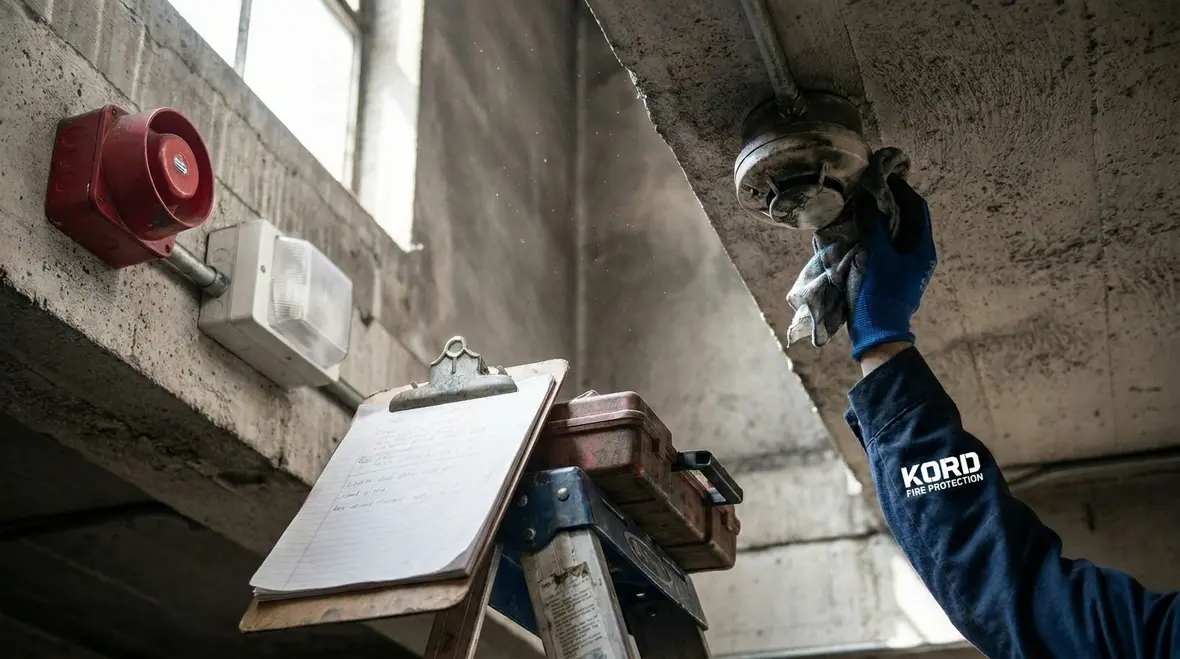
Maintenance keeps the system trustworthy. Most organizations follow a mix of scheduled inspections, functional tests, and cleaning where appropriate. Detectors may need gentle cleaning to remove dust, and panels must be checked for fault states and correct power supervision. Also, notification devices must be tested so alarms remain audible and visible where people actually stand and move.
In a European context, system managers also track updates and changes. If a tenant improves ventilation, adds storage, or changes ceiling heights, those changes can alter smoke movement and heat patterns. Therefore, the system needs a review after meaningful alterations. This aligns with the spirit of european fire protection system standards: detection should reflect real conditions, not old assumptions.
During these tasks, kord fire protection technicians often focus on how maintenance documentation supports audits and insurance requirements. They also train site staff on basic awareness, such as reporting new fault indicators promptly. After all, a fault message ignored for weeks becomes a problem with a backstory.
Finally, organizations should plan for spare parts, firmware updates where applicable, and test records. That way, maintenance does not become a last minute scramble when the alarm test date finally arrives.
Dual column planning guide
Maintenance focus
- Inspect panels for faults and history events
- Test alarm sounders and visual signals
- Check detector cleanliness and mounting integrity
- Verify zone mapping and addressing
- Confirm interfaces stay functional
What to document
- Test results and pass fail notes
- Detector cleaning or replacement records
- Changes after renovations or layout moves
- Any sensitivity adjustments made
- Corrective actions and timelines
Relevant NFPA and local code requirements to consider
Even though Detectomat installations often occur under European rules, many organizations still align their practices with broader fire safety frameworks. NFPA documents provide widely recognized guidance for detection, testing, and documentation. In addition, local building codes and standards govern details like acceptance testing, alarm audibility, and coordination with evacuation strategies.
Common NFPA references organizations consider include NFPA 72, which covers fire alarm systems, supervision, and inspection and testing practices. NFPA 101 often informs life safety and means of egress thinking, which connects directly to how alarm notification should guide occupant behavior. When buildings include special hazards, teams may also consider NFPA guidance relevant to those occupancies, though local European fire protection system standards remain the controlling authority in many regions.
Because code details vary by country and even by municipality, the best approach is design review with a qualified fire systems provider and local code consultant. Therefore, the system gets built right the first time and maintained to match the acceptance test results. And when people say “it depends,” they usually mean “it depends on your building plan and your code jurisdiction,” not “it depends on vibes.”
Using Detectomat systems the right way with a practical plan
To use these systems effectively, organizations should start with a risk based design and ensure the detection coverage matches the building layout, airflow, and use patterns. After installation, they should complete acceptance testing and keep records in a way that makes future audits simple. Then, they should schedule inspections at the right frequency, and they should treat any fault signals as priority events, not background noise.
Next, teams should connect the system’s alarm behavior with staff training and evacuation planning. Consequently, people know what happens when a zone activates and who verifies the situation. Finally, they should review the system after renovations or tenant changes, because buildings rarely stay still for long.
Now, in plain language, here is the promise: we can use these systems to strengthen detection reliability, speed up response, and keep compliance on track when the process includes design, testing, and maintenance. That is the whole story, and it is a better story than “we will fix it later.”
FAQ
Conclusion and call to action
Detectomat fire systems can deliver calm, confident protection when they match the building’s risks and when the team follows through on testing and upkeep. European fire protection system standards set a strong foundation, and qualified kord fire protection technicians help translate those requirements into practical, on site decisions. If the building has new layouts, new hazards, or aging detection, it is time to schedule a review.
Contact us to plan an assessment, confirm coverage, and keep the system ready when it matters most.
Know Your Weapon Before You Fight the Flame
Kord Fire Protection is your go-to when it comes to all things fire protection. For over 20 years, we’ve been serving Southern California with the quality service and equipment to keep your home or business safe at all times. Our competitive prices reflect our unwavering commitment to protecting what matters most in the event of a fire emergency. Give us a call, send an email, or use that form!

Join Our Newsletter!
Get the latest fire safety tips delivered straight to your inbox From our Newsletter.