Clean Agent Fire Suppression for Critical Equipment
Why Clean Agent Fire Suppression Is Used for Critical Systems
When it comes to protecting critical equipment—from server rooms to MRI machines—there’s no room for playing with fire. Literally. That’s why industries turn to clean agents for critical equipment. These advanced fire suppression systems are preferred in spaces where water or powder would do more harm than good. Because let’s be honest, no one wants to watch their million-dollar data center get baptized like it’s summer camp. Teams at Kord Fire Protection get calls about this all the time, and their technicians are pros at breaking it down in plain terms, minus the fire and brimstone.
So sit back, maybe grab a cup of coffee—unless you’re reading this in a server room (we see you, Dave)—and prepare to dive deep into why clean agent fire suppression just might be the silent hero your critical systems deserve.
What Makes a Fire Suppression Agent “Clean” Anyway?
Let’s clear the air—pun entirely intended. A clean agent isn’t some intern with a mop. It refers to gaseous suppression substances that extinguish fire without leaving behind residue, moisture, or debris. These are not your grandfather’s fire extinguishers. Clean agents get in, do their job, and get out—like the James Bond of fire suppression.
Unlike traditional sprinklers that might turn your control room into a no-go zone, clean agents leave systems untouched and operational after discharge. The key players in this superhero league include:
- FM-200 (Heptafluoropropane)
- 3M™ Novec™ 1230
- Inergen (Inert Gas Blend)
Each of these agents rapidly suppresses fire through chemical or physical means, without robbing the room of oxygen—so no, it won’t knock out your IT guy mid-email blast.
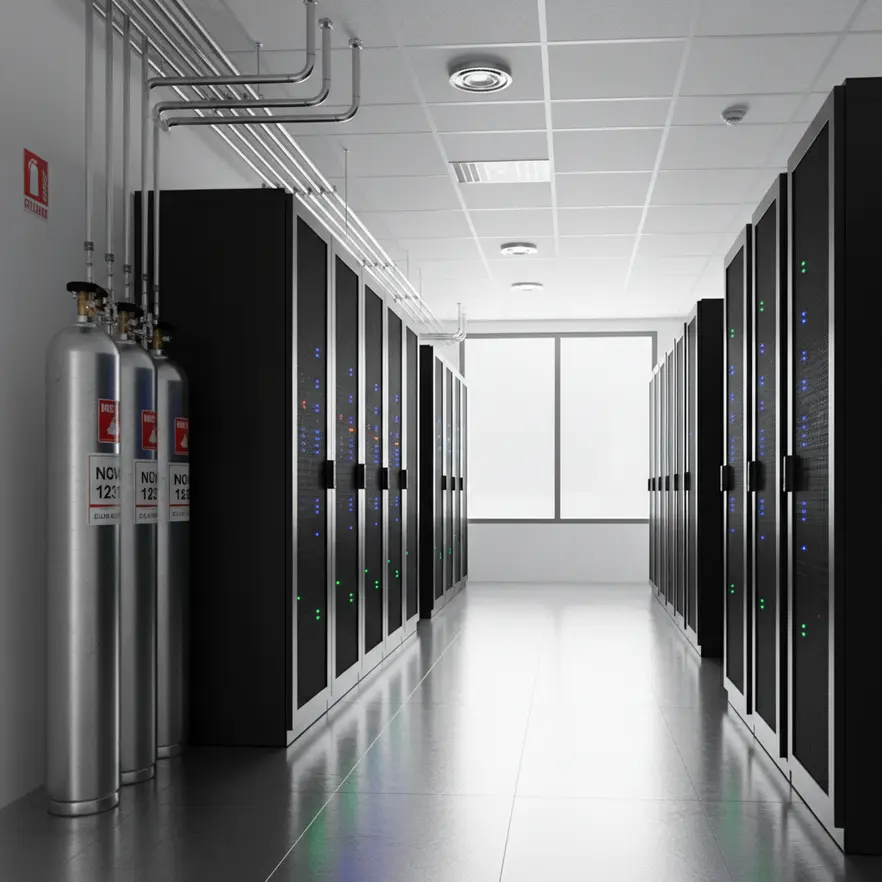
Why Clean Agents and Critical Equipment Go Together Like Batman and Alfred
Datacenters. Medical labs. Control rooms. Telecom hubs. These are the sacred temples of modern infrastructure. Even a few seconds of fire, smoke, or water can lead to damages that feel like a tech version of Thanos just snapped his fingers.
This level of vulnerability calls for something smarter, cleaner, and faster—enter clean agents for critical equipment. Kord Fire Protection often compare it to having a security guard who also moonlights as a ninja: quiet, precise, and leaves no trace.
Here’s why clean agents are unbeatable in these environments:
- Non-Conductive: Safe for use around electronics without frying circuits.
- Zero Residue: No need to dismantle machines for cleaning after discharge.
- Speed: Extinguishes fires in under 10 seconds in many configurations.
- People-Safe: Suitable for occupied spaces, which means Jeff in procurement can stay at his desk.
How Clean Agents Work Their Fire-Fighting Magic
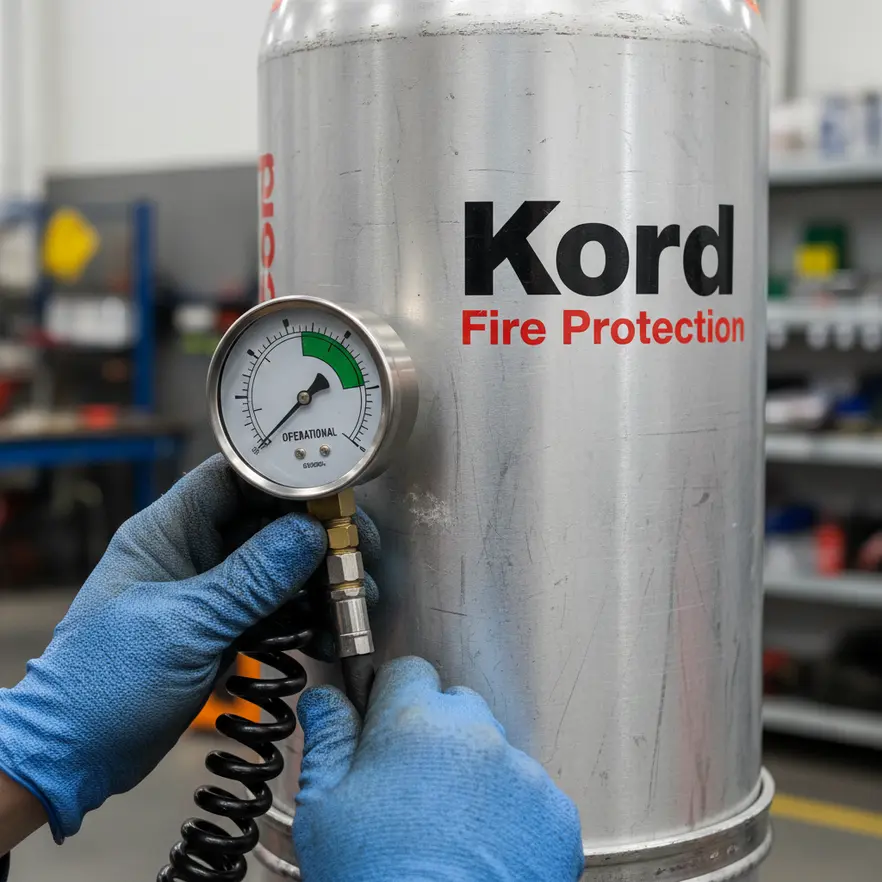
Kord Fire Protection technicians like to say it’s not magic—it’s science. But let’s be honest, it feels a little magical. Clean agent systems either absorb heat or interrupt the chemical chain reaction of fire. Picture trying to light a candle in a hurricane—that’s how little chance a fire has with these systems in place.
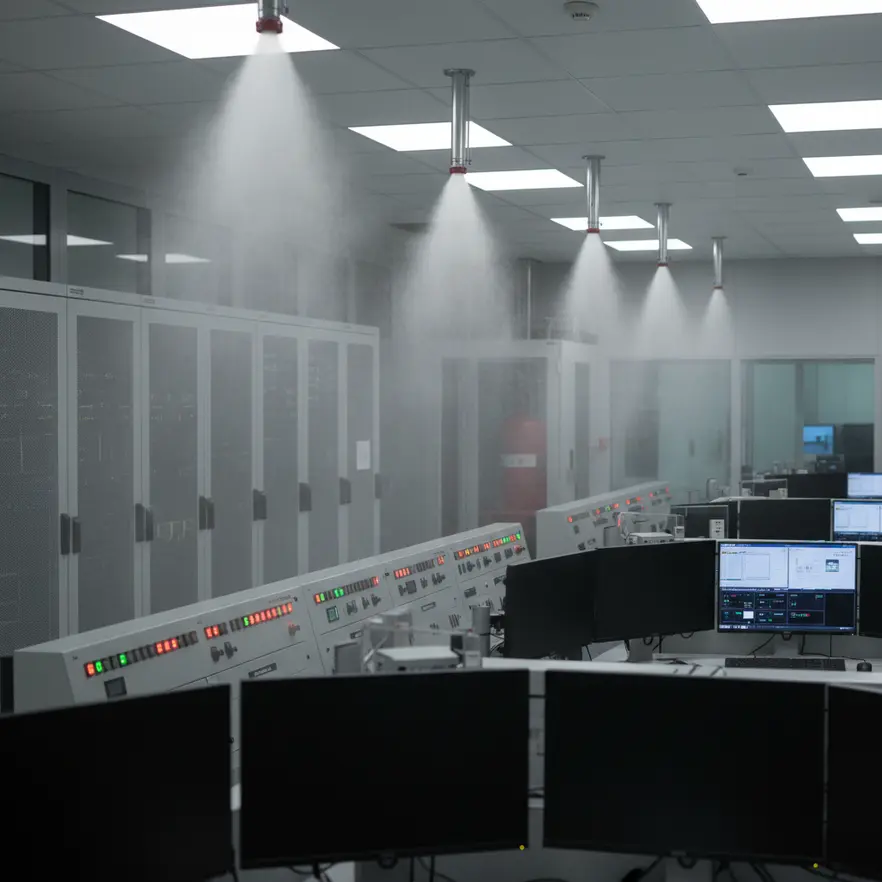
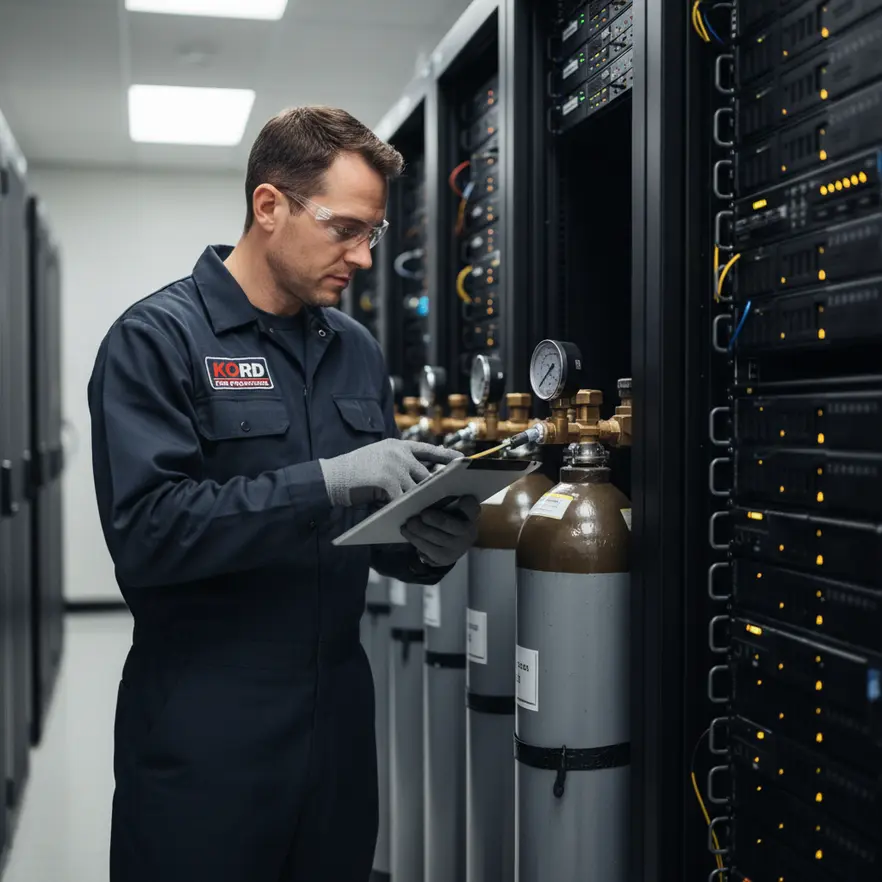
These agents are deployed through a network of nozzles connected to pressurized cylinders. Detection systems sense the incipient fire, and within seconds, the clean agent floods the protected area. No water, no mess, no slow-motion panic scenes. Just a calm, calculated response.
But… Isn’t This All Overkill?
Some skeptical minds might ask, “Is a clean agent really necessary? Can’t we just use a fire extinguisher and call it a day?” That’s a little like asking if an umbrella is overkill during a hurricane. Not only do clean agents suppress fires instantly, but they also do so without interrupting critical operations. When every second of downtime costs thousands (or even Game-of-Thrones-production-level millions), overkill sounds a lot like peace of mind.
Plus, let’s throw in a little insurance whisper here: most providers love hearing the words “clean agent fire suppression” because it screams (gently) “We care about risk mitigation.”
Real Talk from Kord Fire Protection: What the Pros Actually See
Let’s take a walk in the Kord Fire Protection boots. Our techs get called out to review everything from retrofitted office buildings to brand-new cutting-edge facilities. One scenario that sticks out? A server room “protected” by—wait for it—a wall-mounted powder extinguisher from 1998. That’s like locking your Tesla with a Nokia flip phone.
After installing a Novec 1230 system, our clients not only received safety certification but also saw a 12% discount on their equipment insurance. Good fire suppression does more than prevent disaster—it opens doors to better deals and peace of mind.
Kord’s pros emphasize this: Every minute of consultation now spares hours of damage control later. And no, duct-taping a Roomba to the ceiling with a fire extinguisher doesn’t count as a suppression system. They’ve seen it. Don’t be that guy.
Comparing Clean Agents vs. Other Fire Suppression Systems
| System Type | Ideal For | Residue | Electronics Safe |
|---|---|---|---|
| Sprinkler (Water-Based) | Warehouses, General Buildings | Yes | No |
| CO₂ Systems | Non-occupied Industrial Areas | No | Yes, but dangerous for people |
| Clean Agent | Critical Equipment, Data Centers | No | Yes |
Bottom line? Clean agents hit the sweet spot between technology compatibility, safety, and speed. Sprinkle in a little affordability over time, and it’s clearly not a “luxury”—it’s essential, like coffee on a Monday morning.
Maintenance: It’s Not Sexy, But It’s Crucial
Monitoring your clean agent system isn’t exactly binge-worthy content, but it’s probably more important than the latest season of that post-apocalyptic drama you’re watching. Monthly inspections and annual discharges help ensure the system remains pressurized, connected properly, and ready to act. At Kord Fire Protection, techs follow rigorous checklists. You know, the helpful kind—not the ones that mysteriously disappear during audits.
Think of this like going to the gym. Sure, skipping a checkup or two might not hurt in the short term. But when fire breaks out, you’ll wish those cylinders had been lifting weights. And yes, we’re aware cylinders don’t lift weights… but you get the point.
Compliance and Risk Reduction: Playing By the Grown-Up Rules
Clean agent fire suppression isn’t just about protecting gear—it’s also about meeting legal and industry standards. Whether it’s the National Fire Protection Association (NFPA), OSHA, or ISO certifications, these clean systems earn gold stars left and right.
A well-maintained clean agent system sends a message to stakeholders, clients, and even auditors: “We’re not just ticking boxes—we’re protecting assets with intention.” That’s the kind of strategic thinking that separates the Mickey Mouse operations from the Tony Starks of the industry.
What You Gain by Using Clean Agents for Critical Equipment
Let’s take a moment to count the wins, shall we? By using clean agents, facilities enjoy:
- Quick suppression that avoids catastrophic data or equipment loss
- No need for cleanup, reboot, or rinse cycles post-discharge
- Continued operations in most deployment scenarios
- Improved longevity and condition of gear
- Higher trust from clients who expect system resilience
It’s not just fire protection—it’s future-proofing with grace, poise, and a little Panache.
FAQs About Clean Agent Fire Suppression
What is a clean agent fire suppression system?
A clean agent system uses gaseous substances to suppress fire without leaving residue—ideal for protecting sensitive electronics and data. Here’s something to read if you want to know more about fire suppression systems.
Is FM-200 safe for people?
Yes, FM-200 is non-toxic and safe in occupied areas when installed and maintained properly.
How fast does a clean agent system activate?
Most systems detect and discharge the agent within 10 seconds of detecting fire signatures.
Can clean agents damage electronics?
No, they’re specifically designed to be non-conductive and residue-free—safe for even the most sensitive equipment.
Are clean agents eco-friendly?
Options like Novec 1230 have low global warming potential and are considered environmentally responsible choices.
How often should clean agent systems be serviced?
Monthly visual inspections and professional maintenance at least annually is recommended to ensure top functionality.
Do clean agent systems need a lot of space?
Not really. Most cylinders can be installed compactly, even outside the protected area with piping routed calmly through facilities.
Don’t Wait for the Sparks
Clean agents for critical equipment represent the gold standard in modern fire suppression. Fast. Silent. Effective. If your mission is uptime, clean agents are your wingman. Don’t let your facility gamble with outdated tech or wishful thinking. With Kord Fire Protection on standby, peace of mind is just a consultation away.
Contact Kord Fire Protection today and get your defenses ready—not just for fire, but for the future.

Join Our Newsletter!
Get the latest fire safety tips delivered straight to your inbox From our Newsletter.