
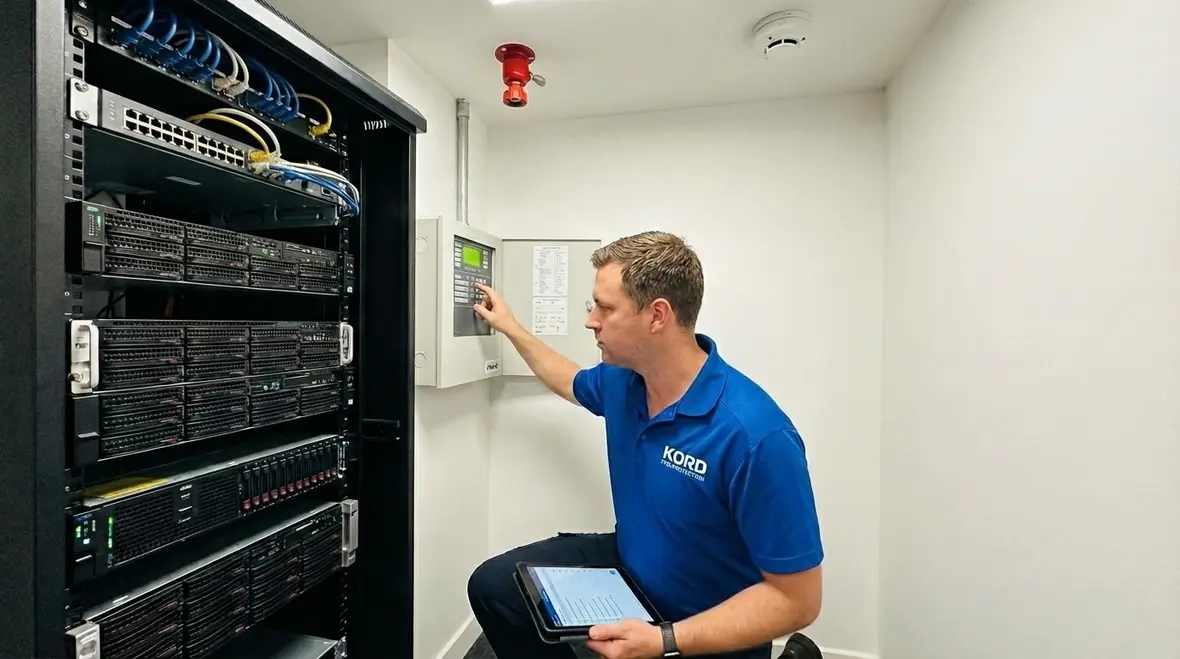
Server Room Fire Suppression for Small Facilities
Server room fire suppression is not the most glamorous topic in the boardroom. It will not trend on social media, and no one writes songs about it. Yet within the first 100 seconds of a serious electrical fire, it can mean the difference between a minor incident and a business ending catastrophe. For small facilities in particular, the margin for error is slim. Therefore, choosing the right protection system is not just smart, it is essential. As Kord Fire Protection technicians often explain to clients, protecting data is really about protecting time, trust, and continuity. And unlike a dramatic action movie scene, nobody wants flames anywhere near the servers.
In this guide, the focus remains clear and practical. It breaks down the best options, budget realities, and whether retrofitting or building new makes more sense. Moreover, it answers the exact questions facility managers are typing into search bars late at night.
Understanding the Real Risk Inside a Small Server Room
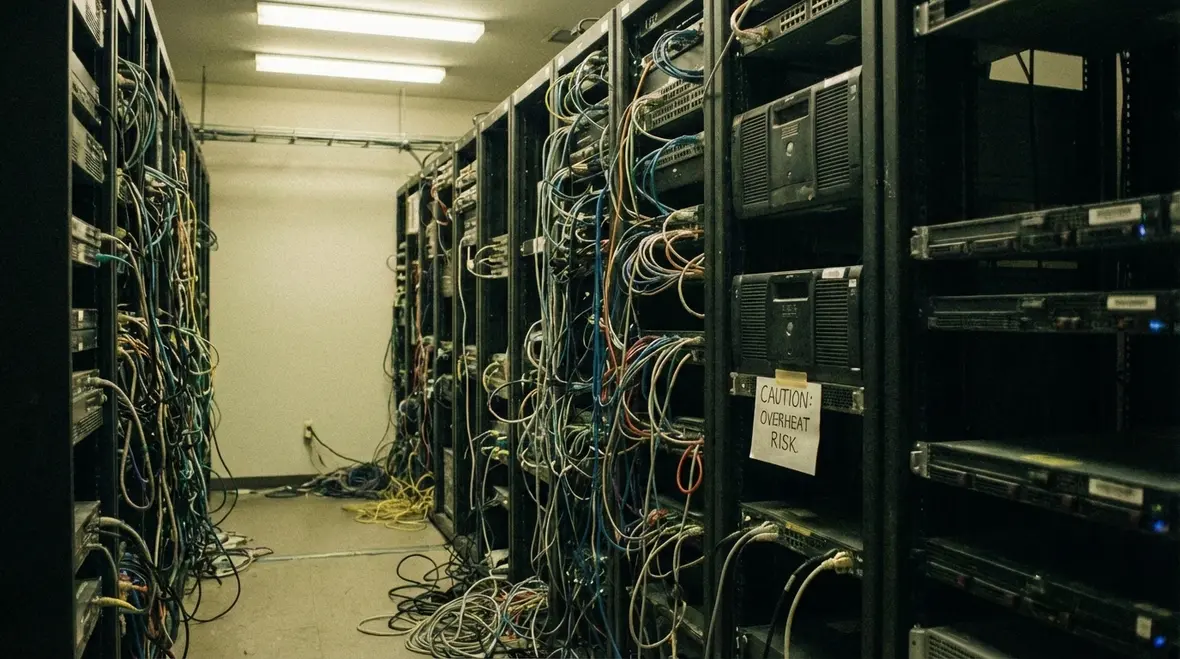
Small facilities often assume they face smaller risks. However, the density of electronics in a confined room tells a different story. Servers generate heat. Power distribution units carry heavy loads. Cables bundle together like a plate of spaghetti no one wants to untangle. Consequently, one faulty component can escalate quickly.
Unlike a warehouse fire, a data room blaze does not need large flames to cause damage. Even a brief electrical fire can release corrosive smoke that ruins circuit boards. Furthermore, water from traditional sprinklers can cause more destruction than the fire itself. That is why server room fire suppression systems are designed to act fast, target the fire at its source, and minimize collateral damage.
Kord Fire Protection technicians frequently remind clients that prevention and suppression must work together. Detection systems spot the problem early. Then, the suppression system activates before flames spread. It is a coordinated response, not a hopeful guess.
For small facilities that rely heavily on digital operations, this risk profile looks very similar to what is seen in larger data environments. That is why approaches used in full scale data center clean agent design often adapt well to compact server rooms, with scaled down hardware but the same expectation of rapid, residue free control.
What Are the Best Server Room Fire Suppression Systems for Small Facilities?
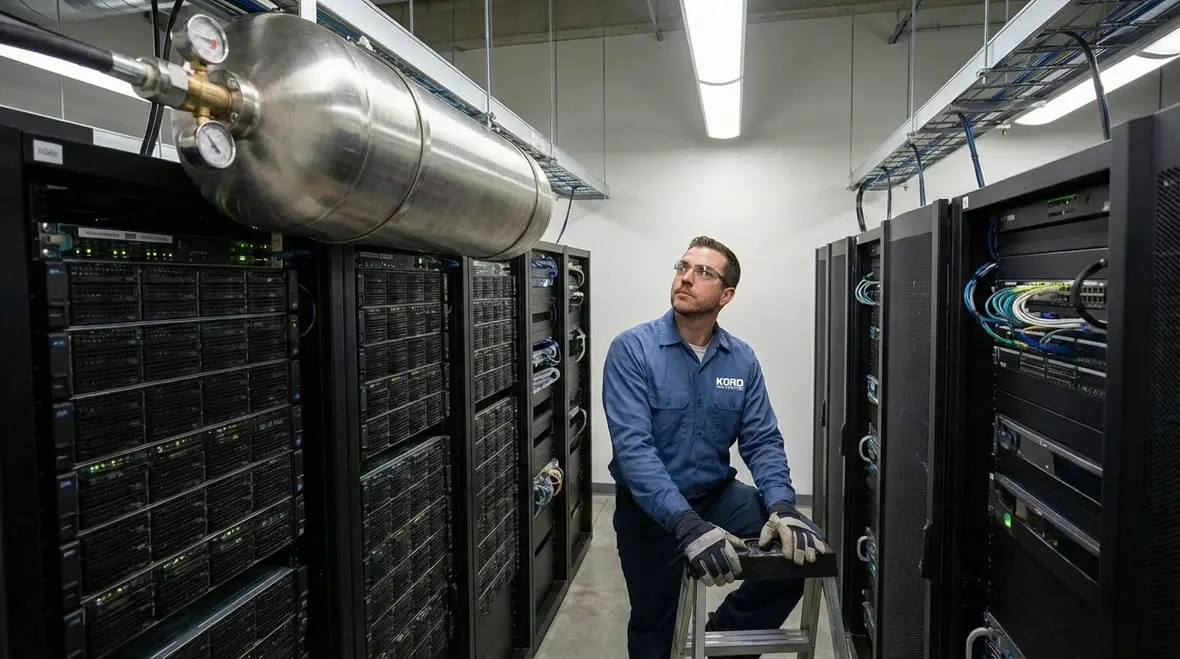
Facility managers often ask this question directly. The honest answer is that it depends on the environment, budget, and risk tolerance. Still, three main options dominate the conversation. Each offers distinct advantages and tradeoffs. For many facilities protecting high value electronics, clean agent fire suppression for critical equipment is the starting point for design discussions, even when the room itself is relatively small.
Below is a clear comparison to support decision making.
Clean agent systems often lead the pack for small facilities that cannot afford downtime. They extinguish fires quickly and leave servers untouched by residue. Meanwhile, CO2 systems work effectively but require strict safety controls because oxygen displacement poses risks to personnel. As Kord Fire Protection technicians carefully note, safety planning must match the chosen system. Their broader clean agent fire suppression systems overview walks through the agents commonly used when uptime and electronics protection are non-negotiable.
Budget Considerations Without Cutting Corners
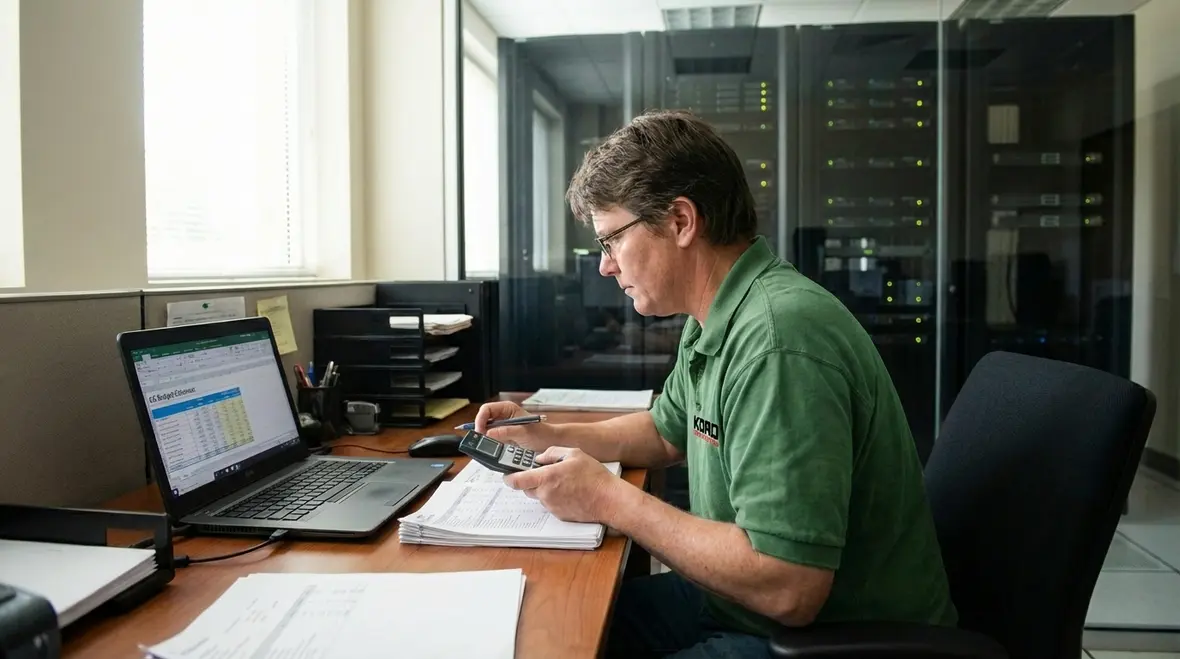
Budget conversations can feel uncomfortable. Nevertheless, ignoring cost realities does not make them disappear. Instead, smart planning aligns financial limits with actual risk exposure.
Clean agent solutions typically require a higher initial investment. However, they often reduce long term recovery expenses because they prevent hardware damage and shorten downtime. In contrast, aerosol systems may offer a lower upfront price, making them attractive to smaller operations with tight capital.
That said, focusing only on installation cost can be misleading. Business owners should factor in:
- Potential revenue loss during downtime
- Replacement cost of damaged servers
- Insurance premium impacts
- Maintenance and inspection requirements
When Kord Fire Protection technicians walk clients through estimates, they break costs into clear categories. As a result, decision makers see the full picture rather than a single number on a proposal. It becomes less about price and more about value.
Retrofit vs New Build: Planning the Right Way
The strategy shifts depending on whether the facility is upgrading an existing space or designing a new one. Although both paths can achieve strong protection, the approach differs.
Retrofitting an Existing Server Room
In a retrofit scenario, constraints dominate the conversation. Ceiling height, existing wiring, ventilation, and structural limits shape system selection. Therefore, compact systems such as aerosol units sometimes fit more easily into tight spaces. However, clean agent systems can still be installed effectively with proper room sealing and engineering adjustments.
Designing Fire Suppression into a New Build
For new builds, the advantage lies in integration. Designers can allocate proper room volume, ventilation controls, and detection systems from the start. Consequently, server room fire suppression becomes part of the architecture rather than an afterthought squeezed between cable trays.
Kord Fire Protection technicians often recommend early consultation during new construction. Planning ahead reduces costly redesigns later. After all, moving walls is far more expensive than moving lines on a blueprint. Their data center focused guidance on clean agent design for digital infrastructure gives a good sense of how these principles scale down gracefully into small server rooms and network closets.
Detection, Integration, and Response Time Matter More Than Hype
A suppression system alone does not guarantee protection. In fact, response time determines effectiveness. Early detection systems such as air sampling smoke detectors identify microscopic particles before visible smoke appears. Because of this, suppression can activate at the earliest stage of fire development.
Integration with building management systems also enhances performance. Alerts can trigger automatic equipment shutdown, ventilation control, and remote notifications. As a result, the entire facility responds in unison rather than in confusion.
It may not look dramatic like a spaceship control panel in a science fiction film, yet behind the scenes, precise coordination saves equipment and data. And unlike in the movies, there is no hero running in slow motion through smoke. There is simply technology doing its job.
Maintenance and Compliance Keep Protection Reliable
Even the best designed system requires ongoing care. Over time, room modifications, cable penetrations, or HVAC changes can affect system performance. Therefore, routine inspections and testing remain critical.
What Ongoing Service Typically Includes
Clean agent systems require cylinder pressure checks and room integrity testing. CO2 systems demand strict verification of safety interlocks and warning systems. Aerosol units need inspection to confirm proper mounting and activation readiness.
Additionally, local fire codes and insurance standards often dictate inspection intervals. By partnering with experienced professionals such as Kord Fire Protection technicians, facility managers ensure compliance without guesswork. Consequently, the protection remains reliable year after year.
For spaces where clean agents are deployed, periodic room integrity testing confirms that the server room can actually hold the agent long enough to do its job, instead of leaking it into the hallway in the first few minutes after discharge.
Choosing the Right Protection Strategy with Confidence
Selecting server room fire suppression for a small facility should feel methodical, not overwhelming. First, assess risk levels based on equipment density and business reliance on uptime. Next, compare system types with attention to safety, cost, and space constraints. Finally, consider whether the project involves retrofit adjustments or new construction planning.
Although the technology may seem complex, the goal is simple. Protect critical infrastructure. Minimize downtime. Preserve business continuity. When these priorities stay clear, the right system often becomes obvious.
FAQ: Server Room Fire Suppression for Small Facilities
Conclusion: Protect What Powers the Business
Data drives modern business, and even a small server room carries enormous value. The right protection strategy prevents costly downtime and protects critical assets. By consulting experienced professionals such as Kord Fire Protection technicians, facility managers gain clarity and confidence. Now is the time to evaluate current risks, explore options, and implement reliable safeguards.
If your facility relies on servers, network closets, or other digital infrastructure, consider scheduling a clean agent consultation to see whether a clean agent suppression system is the right fit. Kord Fire Protection offers design, installation, and service for systems that protect high value electronics without the collateral damage of water or powder based solutions. Because when it comes to fire, preparation always beats regret.
Know Your Weapon Before You Fight the Flame
Kord Fire Protection is your go-to when it comes to all things fire protection. For over 20 years, we’ve been serving Southern California with the quality service and equipment to keep your home or business safe at all times. Our competitive prices reflect our unwavering commitment to protecting what matters most in the event of a fire emergency. Give us a call, send an email, or use that form!

Join Our Newsletter!
Get the latest fire safety tips delivered straight to your inbox From our Newsletter.


